

Concrete
The use of AFR has a bright future

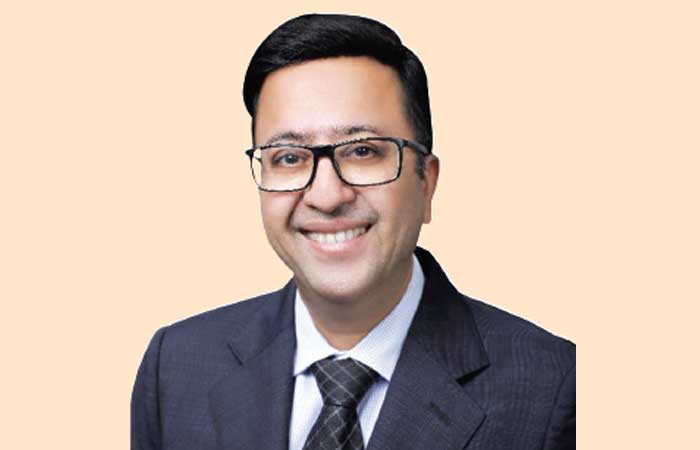
Pankaj Kejriwal, Whole Time Director and COO, Star Cement, delves into their innovative strategies and commitment towards embracing alternative fuels and raw materials in their production processes.
What are the alternative fuels and raw materials (AFR) used in your organisation?
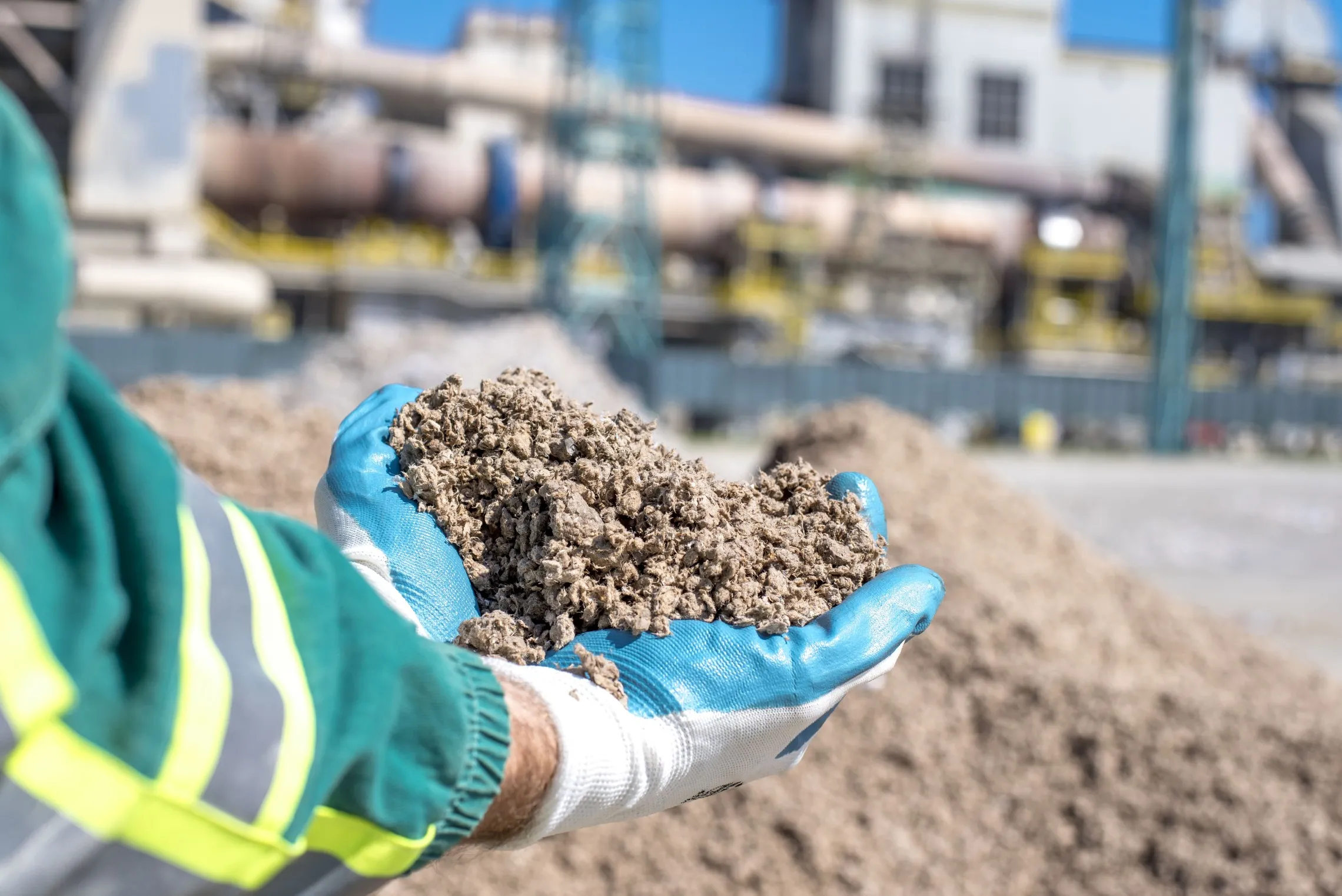
Presently we are using bamboo chips as alternative fuel and raw material. However, we are setting up an AFR feeding system in our new plant and after that we will go for RDF, MSW, rice husk etc., as per availability in our region.
Tell us about the quality standards for AFR.

What factors do you consider while selecting AFR?
Factors to consider before selection of alternative fuels and raw materials are as follows:
- Calorific value
- Ignition temperature
- Volatility
- Flash point
- Products of combustion
- Chemical composition
- Cost per NCV
Tell us about the impact created on the environment by use of AFR in your organisation.
Use of alternative fuels and raw materials creates an impact in many ways for us. Some of the notable contribution of AFR is as follows:
- Reduce fossil fuels consumption
- Reduction in CO2 emission
- Contribution to local waste management
- Lower energy costs
- Lower NOx emission in the environment
How are you supporting the circular economy in context to AFR?
Reusing of waste material such as plastic waste, MSW in manufacturing of cement and thereby helping the environment and also generating revenue is a massive contribution in the circular economy.
Have you faced any challenges or barriers when using alternative fuels and raw materials in cement production, and if so, how have you overcome them?
Main challenges faced during the usage of AFR are as follows:
- Handling of high moisture and of different size material
- Mixing of heterogeneous AFR
- High Chloride in AFR
- Volatility of the AFR
To overcome these, proper co-processing is required, and chemical analysis and mix design needs to be assured from QC. Continuous monitoring of the pyro system helps us to overcome the hurdles.
What role can technology plan in further implementation of AFR?
Many plants in India and abroad are using different technology for utilising AFR. Preprocessing and co-processing of material is very important in this respect. Use of a high precision shredder is important for size reduction. Artificial Intelligence (AI) can be used in detecting proper material and usage in cement kilns.
How do you see the use of AFR in cement production evolving in the future, and what role do you think your company will play in this process?
The use of AFR has a bright future. Due to scarcity of fossil fuel, it is the need of the century to increase the use of AFR. The cement industry globally is in line with it and is continuously working towards maximising use of AFR. This will help the society to decrease waste dump in soil and reduce emission of CO2 and NOx in the environment. In some cement industries in Asia Pacific and Europe, they are taking it as a CSR (corporate social responsibility) to clean the environment. In India, too, the Government is encouraging use of MSW in cement plants. Our organisation is also aligned in the same path. After commissioning of our AFR feeding system, we also have a way forward towards the usage of AFR in our cement plant and have a target of 15-20 per cent TSR by 2026 depending on the availability in the northeast.
- –Kanika Mathur












JSW Cement Commissions 1 MTPA Unit in Rajasthan

Wonder Cement appoints Mahesh Singh as VP Corporate Brand Communication

JSW Cement commissions additional 1 MTPA grinding unit in Rajasthan

JSW Cement Boards Approve Proposed Shiva Cement Merger

JSW Cement commissions additional 1 MTPA grinding unit at Nagaur
JSW Cement Commissions 1 MTPA Unit in Rajasthan
Wonder Cement appoints Mahesh Singh as VP Corporate Brand Communication
JSW Cement commissions additional 1 MTPA grinding unit in Rajasthan
JSW Cement Boards Approve Proposed Shiva Cement Merger
JSW Cement commissions additional 1 MTPA grinding unit at Nagaur
-
 Concrete1 month ago
Aditya Birla Group Launches Ultravolt Wires And Cables Business
-

 Concrete4 weeks ago
Cement Demand Strong As Prices Remain Stable
-

 Concrete3 weeks ago
Telangana to Supply Subsidised Cement for Indiramma Houses
-
 Concrete1 month ago
Ramco Cements Mine Restoration Gets Global Biodiversity Certification