Connect with us

Concrete

Using Slag as Fine Aggregate in Concrete

Published

on

Shares

Disposal of waste slag is a major concern and is perceived as an environmental hazard across the steel industry. Nagesh Veeturi, Executive Director – Civil, and Sumanta Sahu, DGM – Quality, KEC International, investigate the possibility of utilising slag as a fine aggregate and its effect on the strength and workability parameters of concrete.

Concrete is one of the major construction materials in civil construction. It is a composite material with cement, aggregate, sand, admixture and water as ingredients. River sand and Manufactured Sand are mostly used as fine aggregate in concrete. River sand is formed by the natural weathering of rocks over many years and is preferred to be used as fine aggregate. Manufactured Sand is produced by crushing hard rocks into smaller sizes using a crusher followed by washing to use in concrete. The growth of infrastructure and building projects demand the use of huge quantities of sand in concrete.
The mining of sand from riverbeds is posing a serious threat to the environment causing the erosion of riverbeds and banks, triggering landslides, inducing loss of vegetation on the riverbanks, lowering the underground water table, etc. Hence, sand mining from riverbeds and rock is being restricted or banned by the authorities nowadays. To nullify the above concerns, concrete mix trials were conducted in our quality laboratory by using LD slag and blast furnace slag as fine aggregate.

LD Slag
LD slag is a byproduct of the steel industry. It is produced from impurities during the steel-making process. LD Slag consists of calcium, magnesium, iron, silicon and aluminium oxides minerals. During the production of steel, the slag is separated from steel in the furnace, and steel slag fine aggregate is formed after quenching the molten slag with water. There are many grades of steel produced and properties of steel slag vary depending on raw materials used for steel production. LD slag is typically granulated and used as a fine aggregate. Normally it is heavier than sand and its specific gravity is observed to be 3.2 to 3.6 with water absorption around 3 per cent.

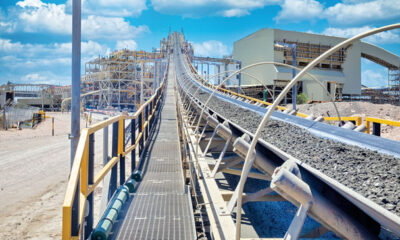
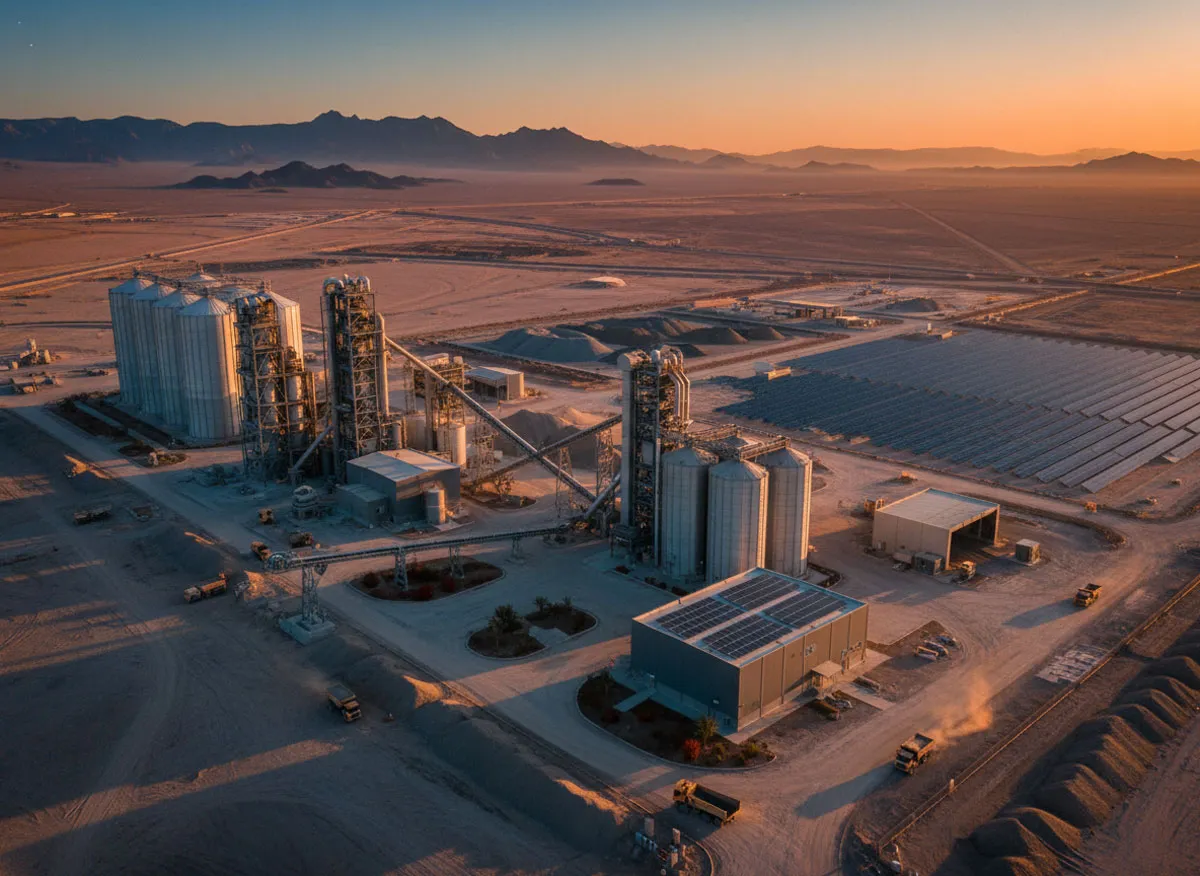
Production process of LD Slag.
Due to its high density, segregation is observed as a fine aggregate in concrete. Materials can be used as partial replacement of fine aggregate.

Blast furnace slag
Blast furnace slag is a byproduct produced during the iron making process in blast furnaces. During the smelting process, iron ores are fed into the furnace at high temperature. The process leads to the production of molten iron and waste materials. Slag, which is a waste material, is separated and quenched with water. This rapid cooling process solidifies the slag into granular particles. Blast furnace slag is observed to be lighter than sand, specific gravity of sand is found to be 2.01.

Concrete mixes with slag as fine aggregate
Concrete mix trials were conducted with LD slag, BF slag as fine aggregate. Due to the high density of LD slag, segregation was noticed on concrete mixes. The same segregation is observed in concrete mix by using BF slag due to its lightweight. Further concrete mix trials were conducted by mixing LD slag and BF slag with different proportions – this is done to study the initial properties of concrete such as cohesiveness and workability retention.
The concrete mix is observed to be cohesive
with good workability retention by using LD slag and BF slag as fine aggregate with the same
proportions. Other properties of concrete such as setting, and strength were observed complying to specification requirements.

Benefits of using LD slag and BF slag as fine aggregate
Durability:
Calcium oxide and silicon oxide are prime chemicals used in the composition of LD slag and BF slag, and both possess pozzolanic properties. calcium oxide and silicon oxide react with calcium hydroxide produced during hydration of cement and increases strength and permeability properties
of concrete.
Sustainable approach: LD slag and BF slag are the by-products from the iron industry which makes it an industrial waste product. Using materials as fine aggregate helps to conserve natural resources. Storage of this material is a major concern in industry. Utilisation of LD slag and BF slag as fine aggregate minimise storage area, air pollution.
Reduction in carbon footprint and heat of hydration: The use of LD slag and BF slag as a fine aggregate leads to reduction in cement content in concrete mixes. Cement is a major source of rise in temperature in concrete mixes that leads to increase in carbon emission during its production process. Reduction in cement content minimises the heat of hydration and prevents thermal cracks in concrete.
Enhance workability in concrete mixes: Workability in concrete is increased due to the even surface of LD slag and BF slag. This makes the concrete easier to place during the construction process.
Cost optimisation: LD slag and BF slag are industrial waste products and are cheaper than manufactured sand and river sand. Also due to the pozzolanic properties of slag, cement content in concrete can be minimised. Overall concrete cost is reduced with improved performance.
Due to the vast growth of construction sectors, the demand for concrete has increased as a fine aggregate. Thus, it is essential to find suitable alternatives to sand such as slag materials.
It is observed that the combined use of LD slag and BF slag as fine aggregates leads to cohesive mix with desired workability and strength. The PC base chemical admixture was added to reduce the water content and maintain workability of the mix. Finally, it is concluded that slag can be used as an alternative of sand in concrete. As both types of slags are by-products from the steel industry, their long-term performance is vital, and further studies in this direction are still in progress.

ABOUT THE AUTHOR:
Nagesh Veeturi, Executive Director – Civil, KEC International
is a seasoned professional having entrepreneurial and leadership skills with key focus on strategy and business transformation.

Sumata Sahu, DGM – Quality, KEC International has 32 years of rich experience in the construction industry mainly as QA/QC and project management professional.


Concrete

NDMC Rolls Out Intensive Sanitation Drive Across Lutyens Delhi

Municipal body intensifies cleaning and monitoring across the capital

Published

on

By

Shares


The New Delhi Municipal Council has launched an intensive sanitation drive across Lutyens’ Delhi, aiming to raise cleanliness standards in the capital’s central precincts. The programme will combine enhanced manual sweeping with mechanised cleaning and systematic waste removal to cover parks, heritage precincts and prominent thoroughfares. Authorities described the initiative as a sustained effort to improve public hygiene and reduce environmental hazards while maintaining the area’s civic image.

Operational teams have been instructed to prioritise drain clearing and litter hotspots, with special attention to markets and transit nodes that attract heavy footfall. Coordination with city utilities and waste processing units will be stepped up to ensure timely collection and disposal, and supervisory rounds will monitor adherence to cleaning schedules. Officials also intend to use data-driven planning to deploy resources efficiently and to identify recurring problem areas.

The council plans to engage resident welfare associations and business stakeholders to foster community participation in maintaining cleanliness and to support behavioural change campaigns. Public communication will be amplified through notices and outreach to encourage responsible waste handling and to inform residents about collection timings and segregation norms. Enforcement measures for littering and unauthorised dumping will be reinforced as part of a broader strategy to deter violations and sustain cleanliness gains.

The move reflects a focus on urban sanitation that officials link to public health priorities and to the city administration’s commitment to maintaining civic amenities. Monitoring mechanisms will include regular reporting and inspections to review outcomes and to recalibrate operations where necessary, according to municipal sources. The council emphasised that continued community cooperation will be essential for the drive to deliver lasting improvements in the appearance and hygiene of the capital’s core areas.

Continue Reading

Concrete

UltraTech Appoints Jayant Dua As MD-Designate For 2027

Executive named to succeed current managing director in 2027

Published

on

By

Shares


UltraTech Cement has appointed Jayant Dua as managing director (MD) designate who will take charge in 2027, the company announced. The appointment signals a planned leadership transition at one of the country’s largest cement manufacturers. The board has set a clear timeline for the handover and has framed the move as part of a structured succession plan.

Jayant Dua will be referred to as MD after assuming the role and will be responsible for overseeing operations, strategy and growth initiatives across the company’s network. The company said the designation follows established governance norms and aims to ensure continuity in executive leadership. The appointment is expected to allow a phased transfer of responsibilities ahead of the formal changeover.

The decision is intended to provide strategic stability as UltraTech Cement navigates domestic infrastructure demand and evolving market dynamics. Management will continue to focus on operational efficiency, capacity utilisation and cost management while aligning investments with long term objectives. The board will monitor the transition and provide further information on leadership responsibilities closer to the effective date.

Investors and market observers will have time to assess the implications of the announcement before the change is effected, and analysts will review the company’s outlook in the context of the succession. The company indicated that it will communicate any additional executive appointments or organisational changes as they are finalised. Shareholders were advised to refer to formal filings and company releases for definitive details on governance or remuneration.

The leadership change will be managed with attention to stakeholder interests and operational continuity, and the company reiterated its commitment to delivery on ongoing projects and customer obligations. Senior management will engage with employees and partners to ensure a smooth handover while maintaining focus on safety and compliance. Further updates will be provided through official investor communications in due course.

Continue Reading

Concrete

Merlin Prime Spaces Acquires 13,185 Sq M Land Parcel In Pune

Rs 273 crore purchase broadens the developer’s Pune presence

Published

on

By

Shares


Merlin Prime Spaces (MPS) has acquired a 13,185 sq m land parcel in Pune for Rs 273 crore, marking a notable expansion of its footprint in the city.

The transaction value converts to Rs 2,730 mn or Rs 2.73 bn.

The parcel is located in a strategic area of Pune and the firm described the acquisition as aligned with its growth objectives.

The deal follows recent activity in the region and will be watched by investors and developers.

MPS said the acquisition will support its planned development pipeline and enable delivery of commercial and residential space to meet local demand.

The company expects the site to provide flexibility in product design and phased development to respond to market conditions.

The move reflects an emphasis on land ownership in key suburban markets.

The emphasis on land acquisition reflects a strategy to secure inventory ahead of demand cycles.

The purchase follows a period of sustained investor interest in Pune real estate, driven by expanding office ecosystems and residential demand from professionals.

MPS will integrate the new holding into its existing portfolio and plans to engage with local authorities and stakeholders to progress approvals and infrastructure readiness.

No financial partners were disclosed in the announcement.

The firm indicated that timelines will depend on approvals and prevailing market conditions.

Analysts note that strategic land acquisitions at scale can help developers manage costs and timelines while preserving optionality for future projects.

MPS will now hold an enlarged land bank in the region as it pursues growth, and the acquisition underlines continued corporate appetite for measured expansion in second tier cities.

The company intends to move forward with detailed planning in the coming months.

Stakeholders will assess how the site is positioned relative to existing infrastructure and connectivity.

Continue Reading

Trending News

SUBSCRIBE TO THE NEWSLETTER


Don't miss out on valuable insights and opportunities to connect with like minded professionals.


    This will close in 0 seconds