Concrete
Green Hydrogen

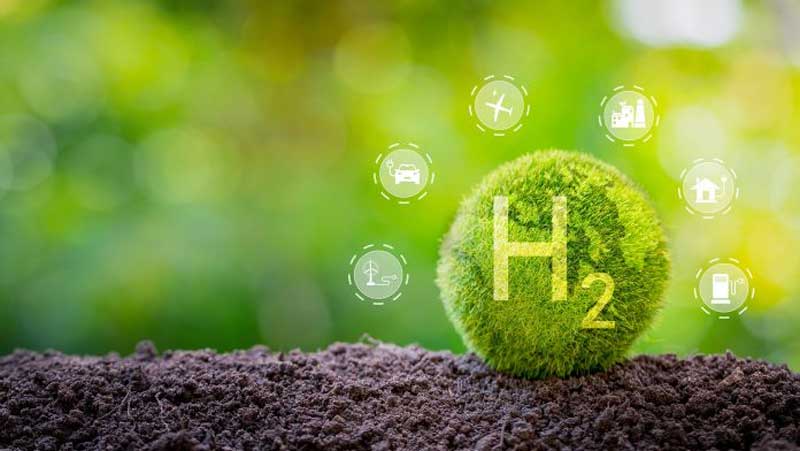
Ujjwal Parwal, Founder & Director, RationalStat LLC, shares a report on the role of green hydrogen as an alternative fuel for cement production.
According to the International Energy Agency’s (IEA) most recent predictions, which were released at the end of 2019, the world’s energy demand will rise by 25 to 30 per cent by 2040, resulting in an increase in CO2 emissions in an economy dependent on coal and oil and exacerbating climate change. Decarbonizing the earth envisions a different world in 2050, powered by clean energy like green hydrogen, which is more accessible, effective and sustainable.
To create green hydrogen, low-carbon or renewable energy sources are used, which significantly reduces carbon emissions as compared to grey hydrogen, the majority of the hydrogen market is produced by steam-reforming natural gas. The cement industry might use green hydrogen as an alternative fuel, reducing its carbon footprint.
Challenges of Using Green Hydrogen
However, the cost of manufacturing green hydrogen is currently higher than conventional fossil fuels, and there is still a lack of infrastructure for the production, storage, and transportation of green hydrogen.
Despite these challenges, there are already instances of cement manufacturers looking into using green hydrogen. For example, Cemex announced its intention to power its cement mill in Germany with green hydrogen in 2021, and HeidelbergCement aims to run its manufacturing process on carbon-neutral fuels like green hydrogen by 2030.
Market Insights on Green Hydrogen
According to RationalStat, the green hydrogen industry is expected to experience rapid growth in the years to come, with global green hydrogen production capacity anticipated to increase from 2,000 MW in 2020 to 2,852 MW by the end of 2021. Although this is a substantial rise in capacity, it still represents only a small portion of the overall world energy demand.
Nonetheless, several nations and businesses have ambitious goals for the development of the green hydrogen sector. For instance, Germany plans to add 5 GW of electrolyser capacity by 2030, while the European Union has set a goal of 40 GW by the same year. Australia aims to lead the green hydrogen export industry to Asia, with plans to produce 1 GW and 10 GW of hydrogen by 2025 and 2040, respectively.
The India Perspective
India is well-positioned to become a leading producer and consumer of green hydrogen as a result of ample and low-cost raw materials. India’s Green Hydrogen production capacity is likely to reach at least 5 million tonnes per annum during the forecast period, annually. The Indian government has been strongly striving to use green hydrogen as energy in the cement and steel industry in place of coal in a bid to protect the environment.
A strong government push towards green hydrogen production under its National Green Hydrogen Mission will scale up the production. The government’s incentive aims to make green hydrogen cheaper and bring down its production cost, currently at INR 300 to INR 400 per kg.
Notable Events across India’s Green Hydrogen Market
In April 2022, Oil India, a Government of India enterprise, commissioned the country’s only pure green hydrogen pilot plant with an installed capacity of 10 kg per day at its Jorhat Pump Station in Assam.
In February 2023, the Department of Science and Technology and Germany’s Fraunhofer Institute for Solar Energy Systems signed a letter of intent for a long-term collaboration focusing on hydrogen and other clean technologies.
- Also, the European Investment Bank signed a memorandum of understanding with the India Hydrogen Alliance to provide ~US$1.06 billion to develop large-scale green hydrogen hubs and projects across India.
- In January 2023, Essar Group announced to invest US$ 1.2 billion for green hydrogen production.
- In 2022, L&T installed a green hydrogen plant that will produce 45 kg of green hydrogen daily, which will be used for captive consumption at the company’s Hazira manufacturing complex.
- In 2022, Karnataka signed two major projects relating to hydrogen production, adding to the ongoing efforts to cement energy security through green initiatives.
Key Countries Exploring Green Hydrogen
While there are several countries exploring or using green hydrogen as an alternative fuel for the cement industry, it is important to note that this is still an emerging technology, and adoption varies widely by region.
Germany: The German cement industry is actively exploring the use of green hydrogen as an alternative fuel to reduce CO2 emissions. A joint research project between the German Cement Works Association and the Technical University of Munich aims to develop a large-scale pilot plant for green hydrogen use in cement production.
Norway: Norwegian company Norcem is the first cement producer in the world to use hydrogen as a fuel in cement production. The company has been using hydrogen since 2020 and aims to achieve zero emissions by 2030.
Spain: Spanish cement company Cemex has signed an agreement with energy company Iberdrola to develop a green hydrogen production plant in the Canary Islands that will supply the cement industry.
Australia: Australian cement company Adelaide Brighton Cement is partnering with the Australian Renewable Energy Agency to investigate the use of green hydrogen as a fuel in cement production.
Netherlands: Dutch cement company HeidelbergCement is partnering with Dutch gas infrastructure company Gasunie to develop a pilot project for the use of hydrogen in
cement production.
Largest Green Hydrogen Producer
China maintains the first place in hydrogen production and consumption of more than 24 million metric tonnes (Mt) followed by the European Union (EU), India, Japan, South Korea, and the United States. The development of Chinese markets and technologies at each stage of the value chain is strongly supported by the Chinese government as part of the country’s push toward green hydrogen. State-owned businesses and state research and development institutions are working enthusiastically to create hydrogen technologies in anticipation of a significant expansion of the sector.
By 2050, it is predicted that hydrogen would make up 10–12 per cent of China’s energy consumption and up to 22 per cent globally. For the country to reach this point sustainably and in line with its emission targets, cheap and scalable green hydrogen technology such as electrolysers is needed. Within a few years, green hydrogen is predicted to be priced at parity with grey hydrogen, which is currently less expensive, as costs for carbon-rich fuels rise and electrolysis technology develops.
According to RationalStat, the following are the four pillars of China’s Green Hydrogen Industry:
- R&D Investment: More than half of the green hydrogen (water electrolysis) patents filed in 2018 and 2019 worldwide were registered in China.
- Policy Support: Over 500 hydrogen-related policies have been released by the local and provincial governments.
- Project Development: More than 120 green hydrogen projects are under construction, further increasing the production capacity.
- Industrial Build-up: China has installed an electrolyzer capacity to reach 38GW by 2030.
- These are just a few examples of countries and companies exploring the use of green hydrogen as an alternative fuel for the cement industry. However, it’s important to note that this is an emerging technology and its adoption varies widely by region.
ABOUT THE AUTHOR

Ujjwal Parwal is the Director and Founder of RationalStat LLC, a leading global market research and procurement intelligence firm with 10+ years of industry expertise.










Concrete
Ultra Concrete Age
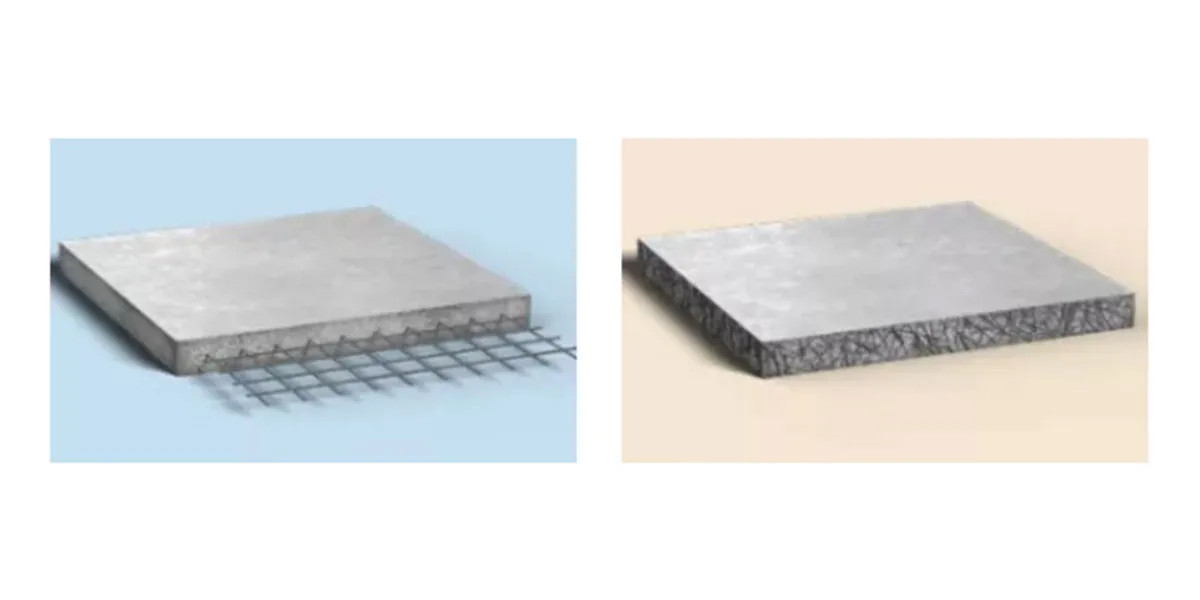
Prof. A. S. Khanna (Retd., IIT Bombay) on how Ultra-high performance concrete (UHPC) improves strength, durability and lifecycle performance.
Concrete
NCB Signs MoU With Cement Manufacturer To Boost Construction Skills
Partnership to deliver nationwide training and certification
Concrete
JSW Cement Commissions Nagaur Plant, Enters North India
New Rajasthan unit boosts capacity to 24.1 MTPA and expands reach


Ultra Concrete Age

NCB Signs MoU With Cement Manufacturer To Boost Construction Skills

JSW Cement Commissions Nagaur Plant, Enters North India

Cement Prices Likely To Rise As Petcoke Costs Increase

IIT Guwahati Develops Radiation-Resistant Cement Mortar
Ultra Concrete Age
NCB Signs MoU With Cement Manufacturer To Boost Construction Skills
JSW Cement Commissions Nagaur Plant, Enters North India
Cement Prices Likely To Rise As Petcoke Costs Increase