Concrete
Towards a Better, Brighter and Greener Future


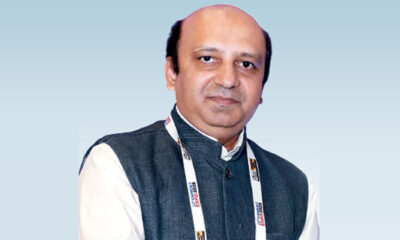
Vivek Bhatia, Managing Director and CEO and Makarand Marathe, Business Advisor – Cement, thyssenkrupp Industries India talk about enhancing the environmental consciousness of cement manufacturing process with their smart solutions Waste Heat Recovery systems.
The present times are witnessing investment in the construction space and a resurgence in the real-estate sector. Both of these combined are showing positive trends for the benefit of the cement industry as well. Overall if you look at capital expenditure, as the share of the government’s budget, that, too, has gone up, which is different from previous years where consumption was the driver. Today capital expenditure is the driver of growth and business. Right now the housing sector is contributing up to almost 65 per cent consumption of cement and that sector is growing quite well. This definitely is a big boost to the industry.
DELIVERING KEY SOLUTIONS
There is a lot of discussion and debate on making sure that cement plants have the best available
technology. A lot of emphasis is laid upon transitioning to greener cements, reducing emission and this emphasis will only strengthen as India is committed towards realising the Net Zero goal by 2070. As a cement manufacturer of today, you don’t want to be the one to have legacy technology for producing cement in the coming years. There are many other aspects that thyssenkrupp Industries India advises their customers on, such as plant performance, design in relation to quality of limestone, right sizing of kiln capacity given the logistics challenges and nature of the market etc. Often cement players can get carried away in the rush of building a large plant because it supposedly gives better economics, but upon giving due consideration to other factors, it may not be the case or be the smartest strategy to go with a very large plant. This requires serious deliberations, looking at the profile and dynamics of the market they are operating in.
Looking back at the history of the cement industry in India, the optimum size of the plant is changing every six years. Primarily this change relates to the technology that is available to the Indian manufacturers along with the location of mines, location of the market and transportability. These factors play a role in defining the change of the size of the plant.
Today, apart from the selection of technology, availability of the size is also important. For a
10,000 tpd plant to be sustainable, peripheral equipment also needs to be available.
From a sustainability point of view, alternative fuels will continue to play a big role in the cement industry story and what thyssenkrupp Industries India is trying to do is whether the customer wants to buy the solution or not, they are providing a plant where it is very easy to incorporate alternative fuels. This makes our solution future proof and saves cost with just a simple modification upon taking that decision and the whole system does not need to change. Currently they are the only cement equipment player in the market that also provides Waste Heat Recovery units. So, they are offering plants that can utilise waste heat from the cement line and run the unit entirely on the power generation from waste heat recovery. This is not a general availability in the industry and is unique to them. It comes with their knowledge and understanding of the cement making process and also the energy generation and consumption required for efficient operations.
CARBON CAPTURE
For sustainability, there are various means with which one can achieve their goals in a cement plant. thyssenkrupp Industries India have a big initiative, Grey to Green, which is being driven worldwide. One of the first things is alternative fuels where they have been able to substitute the calorific values of coals or other fossil fuels with recycled materials that can be consumed only in cement plants. This is not as easy as it sounds, because one needs to look at the chemistry of the cement. One cannot just use any kind of waste, otherwise it will compromise the quality of the product.

Secondly, if the clinker factor were with fly ash, slag and calcined clay, the quantity of limestone in the clinker is reduced. thyssenkrupp Industries India are the leading players and the first to set up a plant with calcined clay in the world. Thirdly is the waste heat recovery, which is extremely important. They are equipped to extract the waste head and use that power to run the plant, which makes the cost of power consumption very less compared to grid power. It also points towards the lesser use of fossil fuels because electricity is not taken from the grid. These are powerful drivers not just for sustainability but also for economics.
There are some frontier technologies where they increase the concentration of carbon dioxide greater than 90 per cent, which makes it easy to facilitate carbon capture. They are also working on various carbon capture technologies. As far as carbon capture in India is concerned, we are still at a nascent stage and have to create a situation where carbon can be easily captured. The question is about its storage and subsequent utilisation and disbursement. This technology still has some more distance to cover, but India will reach there.
MAKING A POSITIVE IMPACT
A lot depends on how energy is acquired from the plant and what you do with carbon emission.
Another important factor to consider is how much energy is inherently required and consumed.
thyssenkrupp Industries India has a strong and unique standing on this aspect in this industry with regards to energy efficiency because the raw mill grinding solution offered is the most energy efficient solution. The efficiency of the kilns that they offer is one the best, which is backed by smart lab automation solutions. It helps in gathering and analysing real time performance of the plant.

Another important aspect for our solutions for the cement industry is our ability to put it altogether in a smart manner. This is where they explore engineering expertise that have in-depth knowledge, experience and understanding of the Indian cement profile, customers, raw materials to be used etc., can offer the best combination of systems for the maximum productivity of cement plants. They are into cement machinery business as well as WHR. There is a thin line between efficiency of a plant and efficiency of a WHR system. If the plant is inefficient, output of the WHR is better, which makes it important to optimise both the systems and strike a balance to achieve efficiency and not just incur costs.
The company also has a highly capable services team, with re-grinding solutions, kiln alignment and equipment scanning solutions and much more that keep a check on the machinery performance, alignment and more and ensure that the plant is operating at peak performance at all times. They keep a tab on the overall health of the machinery and solutions that they have provided to the cement plants.
The Indian cement industry is going through a transformation and innovations are coming in every day, which will keep making the industry better. As providers of technology of cement, they are rebranding themselves to become solutions providers for the industry. Chemistry of cement and raw material is going to play a bigger role in the industry, variations of greener cement are going to become a part of the market and we are looking at more disruption coming from the cement industry.
Cement is responsible for 7 to 8 per cent of global emission and that is a big concern globally as well as in India. thyssenkrupp Industries India will continue to see a reduction in this aspect with their technological solutions. It is important to have the best technology for cement plants, because they are not short term investments, but continue to operate for decades. Cement industry will only grow from here for better, brighter and greener tomorrow – and thyssenkrupp Industries India will be a key driver for the same.
In terms of clinker factor optimization, there are a lot of strides that have been made and LC3 as the limestone cement is being talked about and plants for the same are being executed. The company has made significant progress in slag cement, PPC etc. Alternative fuels have come to stay in India. There are certain issues with its availability, segregation etc., but the industry is on the right track.









Concrete
Ultra Concrete Age
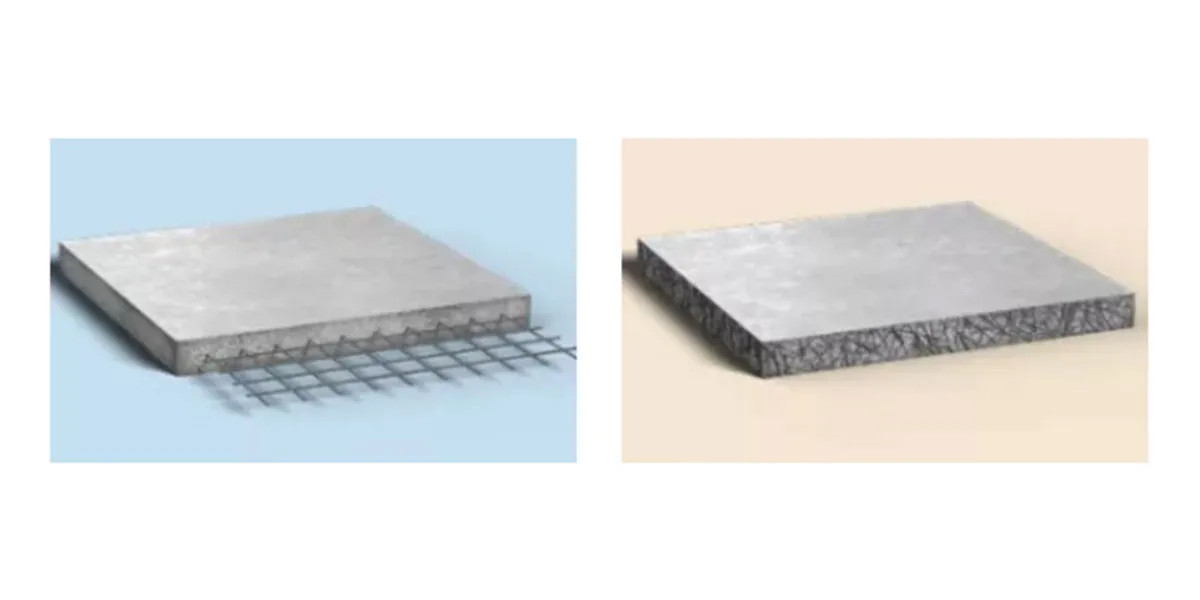
Prof. A. S. Khanna (Retd., IIT Bombay) on how Ultra-high performance concrete (UHPC) improves strength, durability and lifecycle performance.
Concrete
NCB Signs MoU With Cement Manufacturer To Boost Construction Skills
Partnership to deliver nationwide training and certification
Concrete
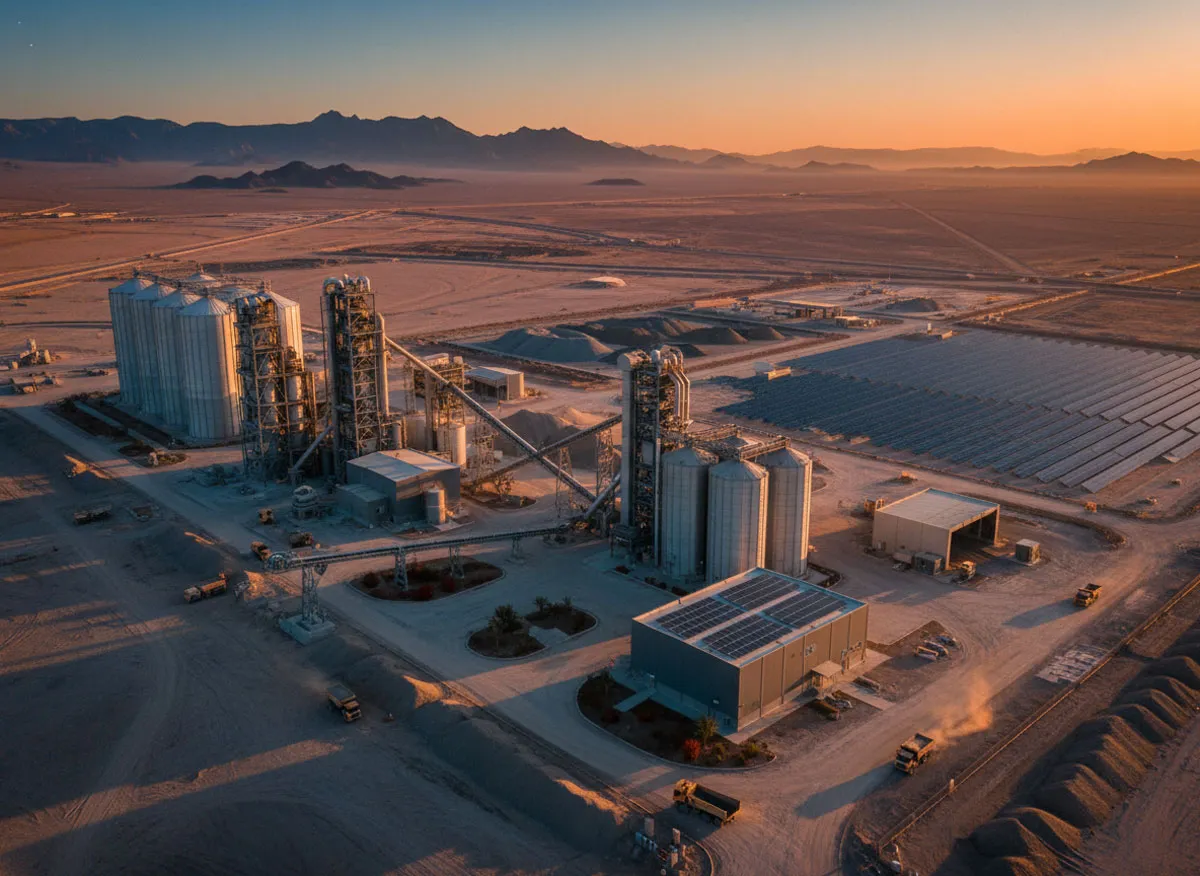
JSW Cement Commissions Nagaur Plant, Enters North India
New Rajasthan unit boosts capacity to 24.1 MTPA and expands reach


Ultra Concrete Age

NCB Signs MoU With Cement Manufacturer To Boost Construction Skills

JSW Cement Commissions Nagaur Plant, Enters North India

Cement Prices Likely To Rise As Petcoke Costs Increase

IIT Guwahati Develops Radiation-Resistant Cement Mortar
Ultra Concrete Age
NCB Signs MoU With Cement Manufacturer To Boost Construction Skills
JSW Cement Commissions Nagaur Plant, Enters North India
Cement Prices Likely To Rise As Petcoke Costs Increase