Concrete
Looking at a Sustainable Future


With the infrastructure and housing sectors in India growing exponentially, the demand for precast concrete has given rise to new innovations, automation and improved technology. As the cement industry marches towards its net zero targets, ICR delves deeper into the eco-sustainable benefits of precast concrete.
Precast concrete by definition is a form of concrete that is prepared, cased and cured off-site, usually in a controlled factory environment, using reusable moulds. Precast concrete elements can be joined to other elements to form a complete structure. Typically used for structural components like wall panels, beams, columns, floors, staircases, pipes, tunnels, etc., in infrastructure projects, precast concrete is an economical and practical option used by builders. Most precast products are cast in a factory using a wet-cast method, but others are cast on site—such as tilt-up panels.
‘Review of Precast Concrete Technology in India,’ a research report by the International Journal of Engineering Research and Technology, states that the rapid growth of population in Indian urban regions is leading towards the huge demand for basic amenities and resources like housing, infrastructure, resources, etc. The government of India (GOI) intends to provide housing to every citizen by 2022. To achieve the target, the Indian construction industry needs a method of rapid construction technology like precast concrete. Various technical studies show that the application of precast technology is only approximately 2 per cent of the total Indian construction industry. Precast concrete is used extensively in building structures, for e.g., structural frames, floors and roofs, claddings etc. Many buildings now include a mixture of both construction techniques, sometimes incorporating structural steelwork, in-situ concrete and precast concrete elements.
According to a research report by Market and Market, the global precast concrete market size is projected to grow from US$ 144.6 billion in 2022 to US$ 198.9 billion by 2027, at a CAGR of 6.6 per cent from 2022 to 2027. The precast concrete market is expected to witness significant growth in the future as concrete is a natural building material, which is 100 per cent recyclable and in combination with steel, it is a safe, sustainable and earthquake-resistant material with little wear and tear.

The precast structures of concrete derive its name from its off-site production. It is usually constructed in multiple stages to ensure its strength, durability and usefulness on-site. Most precast products are cast in a factory using a wet-cast method, but others are cast on site—such as tilt-up panels. Depending on the scope of the project, concrete is prestressed with steel or cable reinforcement to increase overall strength of the structure.
Use and Type of Precast
As the technology of construction is increasing day by day, precast techniques are gaining popularity as they considerably help reduce the expenses of the construction process. Concrete is the key component of precast structures as it contributes to the transformation of structural entities with a high success rate. It is extensively used in the structural entities like buildings, floors, roofs, claddings, structural frames etc. There are two main types of precast building frames – Structural Frame and Cross- Wall Frame.
These have been proven to be successful as a building material because they help with fast construction and provide economic and affordable advantage to the makers of the structure. These come with quality controls, standardised volume and measurements and have a good strength to weight ratio.
Every project requires specific types of precast that helps in its successful completion. A precast slab comes in many types, namely, hollow core units, double -tee units, solid core slabs and bi axial voided slabs which ultimately help to gain more advantages. They are widely preferred and used in construction activities as they suit most types of architectures and adapt to the requirements of the builders.
A hollow core slab provides maximum structural efficiency by reducing the dead weight. Double-tee units are primarily designed for flooring purposes and lighter in weight. At the same time, the depth of units may vary depending on the span. A solid core slab is a prefabricated one that looks similar to a solid slab, which can help to meet essential needs in the construction process. The biaxial voided slabs are the latest ones that are more efficient than traditional floor structure.
In precast beam and column, the beam is typically used as a ledge for other precast flooring types, which ultimately give ways for obtaining optimal results while the precast column is typically used to support a beam and the sizes and shapes can vary with a building project. Precast columns are usually rectangular vertical structures while beams could be of various types like tee-beams, beamshells, L-beams, U-beams, and rectangular beams.
For the stability of a frame structure that can carry vertical load, precast walls come as the perfect solution. Most construction organisations and builders use precast walls and floor slabs to make a complete structure which is suitable for their building’s stability and enhances the structural integrity and aesthetics as well as is cost effective while ensuring optimal results. Curtain walls, load-bearing wall units, shear walls, and form work for cast-in-place concrete are the four types of precast walls available for the buildings, allowing them to maintain a better environment. The precast sandwich wall covers insulation properties to a building structure thereby helping to get more protection during extreme weather conditions. It consists of two reinforced concrete shells made from different types of materials.
Besides the core structures of any building, precast concrete structures are available for balconies and staircases as well. There are two types of precast products. Those shaped in a single way or way and are used repeatedly are standard products such as beams, decks, and railroad ties etc, while those that are designed to suit specific structures and places are specialty structures.
There are some decorative applications precast concrete as well in structures like countertops, sinks, bathtubs, planters, garden furniture, window sills, accent strips, statues and many more.
Materials for Precast Concrete
Precast Concrete has cement as the key raw material. The kind of cement used to make the concrete is what defines its properties and quality.
Cement should comply with the requirements of IS 456;2000, for gaining satisfactory performance in a structure. The Ordinary Portland Cements (OPC) 43 grade (IS:8112) and 53 (IS:12269) are normally used in precast concrete construction for general purpose. Portland Pozzolana Cement [IS 1481] and Portland Slag Cement [IS 455] are preferred in making precast concrete for structures in polluted environments.
High silica cement is advised to be avoided as it suffers reversion and loses a large portion of its strength in warm and humid conditions.

Supplementary cementitious materials (SCMs) like fly ash, ground granulated blast- furnace slag, metakaolin and silica fume enhance the results of ordinary portland cement (OPC) hydration reactions in concrete and are either incorporated into concrete mixes as a partial replacement for portland cement or blended into the cement during manufacturing. They should comply with the requirements of the appropriate parts of IS;3812 for fly ash, IS;12089 for GGBS and IS;15388 for silica fumes. The benefits of Supplementary cementitious materials include reduced cost, improved workability, lower heat of hydration, improved durability and chemical resistance.
Process of Casting Concrete
The requirement of precast differs from project to project. Thus, it becomes important what type of structure is suitable for the project and it is then prepared in stages.
Engineering of the precast is the first stage of making the required structure for any project. Engineers use the latest design tools and softwares to curate detailed drawings of the required structure. Once approved, these drawings are then used as a blueprint for the rebar cage assembly and the entire precast project. These designs made by able engineers have to be approved, post which moulds are created and then concrete is placed in them.
If the precast structure is required to be reinforced with steel, the first step of the process is to cut and bend the steel to meet the required measurements of the mould or the structure. The rebars must be cut with utmost precision to attain the desired dimensions. Once cut into different shapes and sizes, the bars are then assembled and tied together to form a reinforcement cage for the precast structure.
The moulds in the are made ready with measurements and drawings shared by engineers. These must be applied with form release agents. These agents are those that help the final structure release from the mould with ease and without damaging either surface. They also help maintain quality and aesthetic finish to the concrete. The moulds for concrete or the forms should be prepared by securing embedded items or openings cutouts before the release agent is applied on all surfaces.
The cage is then placed in the form with the help of a crane. This process requires precision and must be followed by a pre-pour inspection and quality check that allows the factory workers to understand any damage to the form or adjustments required before concrete is placed in the mould form.
Precast factories place concrete in moulds by two methods. By using premix concrete that comes ready made as per the required quality and is mixed with water and put in the structure. The other method is by mixing raw materials like cement, sand, coarse aggregates, and chemical mixtures in the factory to make the concrete. The raw material quality checks and mixture formulations are done in laboratories in the premises of the factory. The mixed concrete also goes through a spread test in the laboratories that verify if the resulting mix is the right flow without any segregation. Concrete is then placed in the mould.
This has to be done carefully to ensure no air is trapped in the mould. Once the pouring is complete, the top of the mould is screened and the specific finish is applied.
“Precast casting concrete elements are manufactured with the required steel reinforcement either in formwork, moulds or on steel plates with side shuttering etc. The concrete cast is made at a different location and is then transported to the site. Precast elements are made of minimum M20 to M50 grade of concrete says Vijay Shah, Director, India Precast. “Prestressed concrete is a combination of high strength concrete and tensioned steel strands. This combination makes a strong structural unit that is useful in building roof slabs, bridge girders etc.
Reinforced concrete is manufactured from a combination of high strength concrete and normal reinforcement bars,” he adds.
Curing of the concrete in its mould is done in controlled environments in the factory premises. This allows the mix to cure and reach its full strength before it is transported to the building site. A quality check is performed to check if the product has achieved its full strength and then the process of stripping is given a go-ahead.
To strip the precast concrete from its mould, the outer jacket of the mould or form is removed. The inner core is then carefully collapsed for lifting equipment to attach to the structure and pull it out of the mould. The casted concrete is then removed and cleaned for its post pour inspection.
A quality check inspector does a thorough postpour inspection of the casted concrete to ensure all the design elements and dimensional specifications provided by the user of the structure are intact. These quality inspections also look into any visual defects visible on the surface. Post the clearance, the precast concrete is then sent over to the site for use.
Advanta ges of Precast Concrete
Some of the benefits of using precast concrete in construction projects.
Control on quality and production is achieved when precast concrete comes into play. Before the precast is sent over to the site for use, it goes through quality checks and only the approved casts in design and technicalities are used in construction. Since precast is manufactured in a controlled casting environment it is easier to control the mix, placement, and curing. Similarly, there is controlled production and reduced wastage the quantity of production is determined.
Reduction of overall construction time is an advantage that is achieved by working with precast structures. Since the structures are made at a different location or factory, it gives the construction workers time to work on other aspects of the building and construction process. Saving time means saving money.
The use of precast concrete leads to elimination of clutter at the construction site and enables ease of installation, thus enhancing the security at the site. This also reduces the need of a lot of people for the process of installation.
Precast concrete enhances durability as it lasts long without the need of a lot of maintenance. High density precast concrete is usually made using tested components that reduce corrosion or moisture.
Precast Promotes Sustaina bility
The precast structures are manufactured using environmentally friendly procedures, making them sustainable in short term and long term. Their casting in controlled environments and in measured quantities and with quality checks considerably reduces the waste that takes place when concrete is mixed on-site.
Nikita George, Director – Operations, APCO Concrete Blocks and Allied Products, says, “The blocks that we manufacture follow the highest quality parameters that give a very long life span. When used in building, the age of these blocks can reach upto 100 years. The blocks used in these buildings at the time of demolition can be re-crushed and used to manufacture the same product again. And since concrete blocks are one of the strongest products available in the market, the damages are virtually zero on site.”
The aggregates used in the mix of concrete are natural like sand, rock, gravel and water. These can be acquired without damaging the environment, thus, making it an eco-friendly material.
– Kanika Mathur










Concrete
Ultra Concrete Age
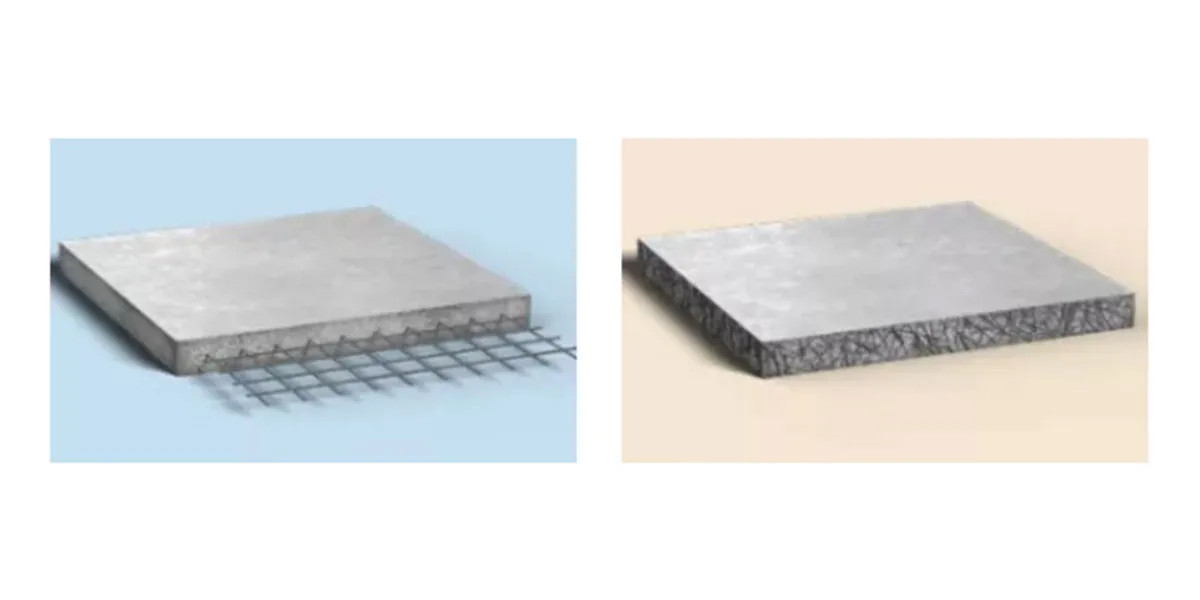
Prof. A. S. Khanna (Retd., IIT Bombay) on how Ultra-high performance concrete (UHPC) improves strength, durability and lifecycle performance.
Concrete
NCB Signs MoU With Cement Manufacturer To Boost Construction Skills
Partnership to deliver nationwide training and certification
Concrete
JSW Cement Commissions Nagaur Plant, Enters North India
New Rajasthan unit boosts capacity to 24.1 MTPA and expands reach


Ultra Concrete Age

NCB Signs MoU With Cement Manufacturer To Boost Construction Skills

JSW Cement Commissions Nagaur Plant, Enters North India

Cement Prices Likely To Rise As Petcoke Costs Increase

IIT Guwahati Develops Radiation-Resistant Cement Mortar
Ultra Concrete Age
NCB Signs MoU With Cement Manufacturer To Boost Construction Skills
JSW Cement Commissions Nagaur Plant, Enters North India
Cement Prices Likely To Rise As Petcoke Costs Increase