

Concrete
Adani Group to establish a cement factory in Jharkhand’s Godda








Concrete
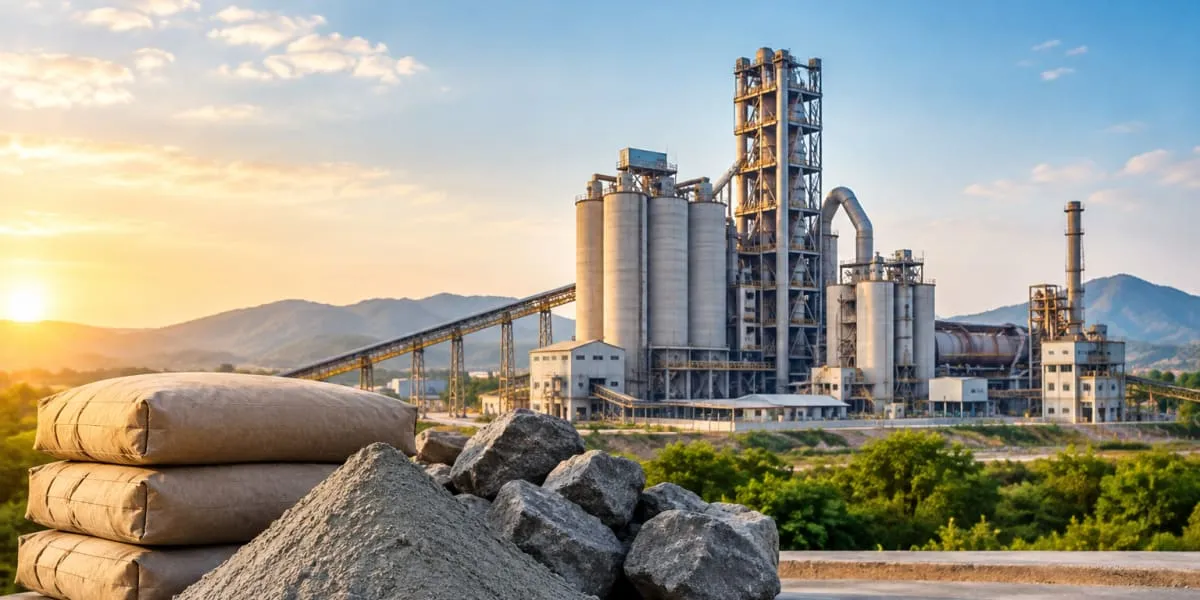
UltraTech Cement Expands in Andhra Pradesh with Rs. 26.5 bn
Petnikota plant adds 3.6 MTPA cement dispatch capacity
Concrete
Nuvoco reports 13.5% revenue growth in Q2 FY27
Cement sales rose 9% to 4.7 MMT, while EBITDA increased 11%.

Concrete
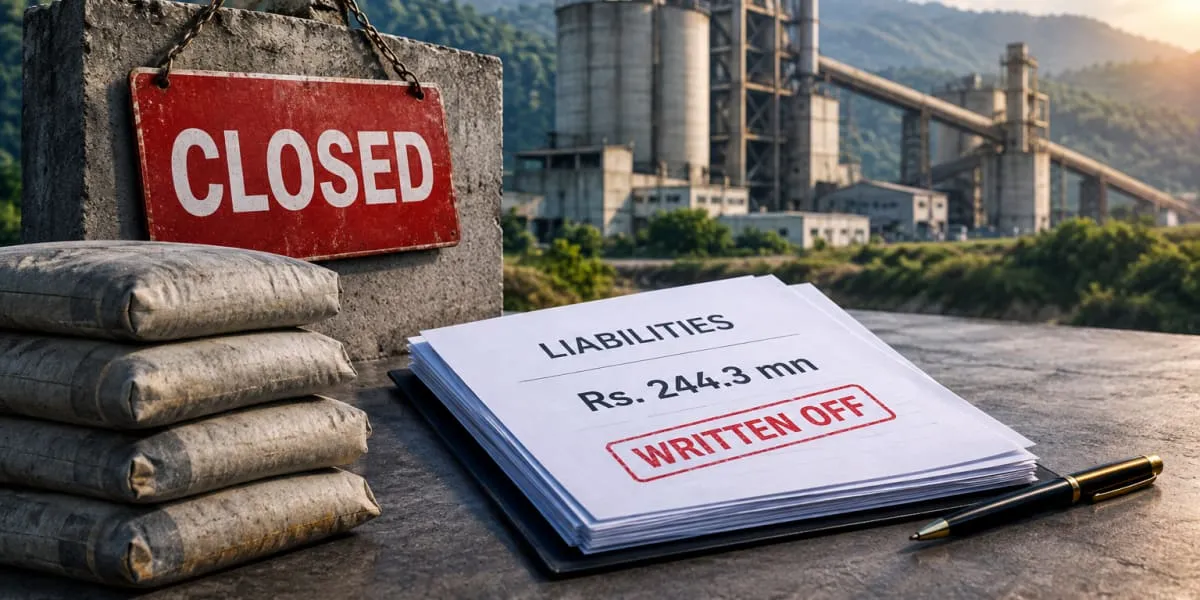
Meghalaya Cabinet Approves MCCL Closure, Writes Off Rs. 244.3 mn
Cabinet approves winding up of state-owned cement company

▶

Concrete3 days ago
UltraTech Cement Expands in Andhra Pradesh with Rs. 26.5 bn

Concrete3 days ago
Nuvoco reports 13.5% revenue growth in Q2 FY27

Concrete7 days ago
Meghalaya Cabinet Approves MCCL Closure, Writes Off Rs. 244.3 mn

Concrete7 days ago
Fornnax Wins AIRIA’s Special Export Award for Rubber Machinery in 2025-26

Concrete2 weeks ago
Cement Prices Likely to Rise Rs. 10-15 per Bag from Mid-October
Concrete3 days ago
UltraTech Cement Expands in Andhra Pradesh with Rs. 26.5 bn
Concrete3 days ago
Nuvoco reports 13.5% revenue growth in Q2 FY27
Concrete7 days ago
Meghalaya Cabinet Approves MCCL Closure, Writes Off Rs. 244.3 mn
Concrete7 days ago
Fornnax Wins AIRIA’s Special Export Award for Rubber Machinery in 2025-26
Concrete2 weeks ago
Cement Prices Likely to Rise Rs. 10-15 per Bag from Mid-October
-

 Concrete4 weeks ago
JSW Cement Receives Rs. 2.3 bn GST Demand Notice
-

 Concrete4 weeks ago
Andhra Pradesh Clears Rs. 30 bn My Home Cement Plant
-

 Concrete4 weeks ago
Montra Electric, Wonder Cement Deploy 250-Vehicle EV Fleet
-
 Concrete4 weeks ago
Cement Prices Rise Rs. 7 per Bag in September; October Hikes Expected