

Concrete
KARAM is one of the leaders in fall protection equipment

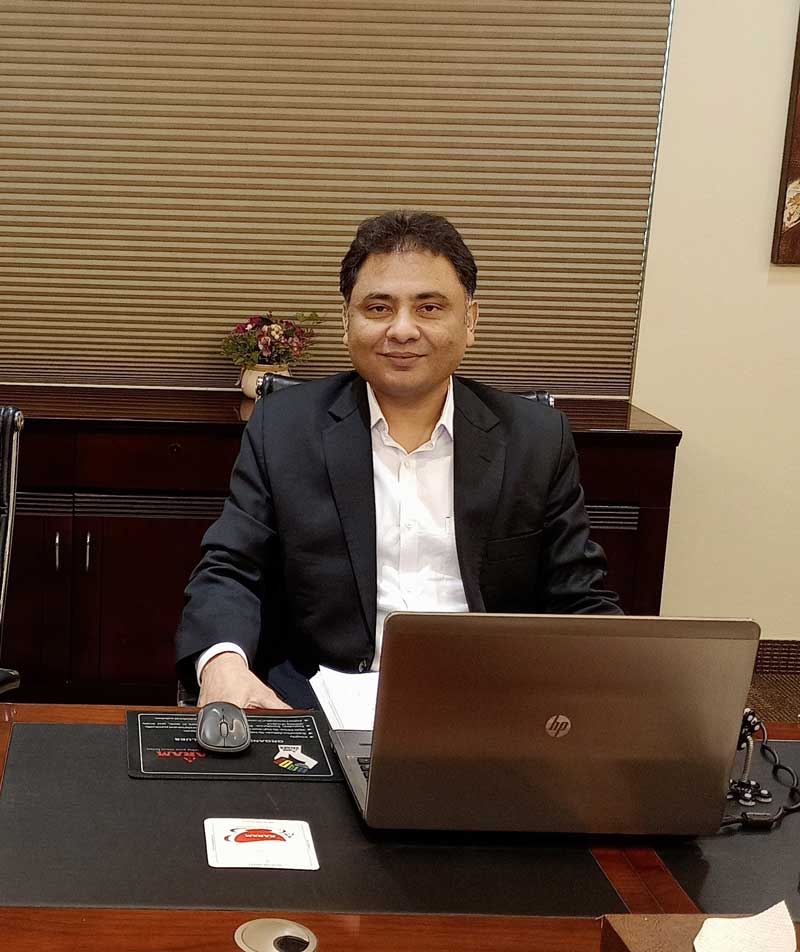
– Asif Iqbal, National Sales Head, KARAM Industries
Brief about KARAM, its business activities and operations abroad.
KARAM is India?? one of the leading personal protective equipment manufacturing enterprises, ranks as the number one company in the field of personal safety in the country, and among one of the top 10 fall protection manufacturing companies in the world. Its product range includes personal protective equipment like safety helmets, safety eyewear, hearing protection, face protection, hand protection, protective workwear, safety shoes, and a vast fall protection equipment range. Besides these, engineered safety solutions like anchorage systems, specialised rope access, evacuation and rescue products, and confined space entry egress systems also form a part of KARAM?? product portfolio.

KARAM exports its full range of products to more than 85+ countries across the world, either as KARAM brand or as an OE supplier to numerous safety brands of repute. KARAM being one of the leaders in ??all protection??made a mission of expanding its footprint across the world every year. Today it is reaching out and delivering quality fall protection equipment to over 85 countries. Over 30 global offices, more than 2,600+ certified products and over 450 global partners are just a few of the milestones KARAM has achieved.
Which of the products from your portfolio are used in cement industry? What kind of certificates/ accreditations you have obtained for these products?
KARAM offers the highest quality of personal protective equipment from head to toe to ensure worker?? safety in a wide range of industrial setups. Safety spectacles manufactured by KARAM are ideal for cement manufacturing as they are highly abrasion-resistant. They are suitable to be worn in areas where the cement dust concentration is high. We also offer safety shoes with properties of oil/acid resistance and slip resistance. Our range of ear plugs and ear muffs are suitable to be used in the areas where noise pollution is an issue. We also offer fall protection equipment like harnesses, lanyards and temporary and permanent lifeline systems to protect the worker in case of a fall from height. All products manufactured by KARAM Industries are fully certified to the IS and the stringent EN (European) and ANSI (American) standards, produced under strict quality parameters.


Any new products you have added in your portfolio since the outbreak of coronavirus?
Amidst this global pandemic, KARAM acted quickly and cautiously to introduce the new Healthcare range of products to tackle the COVID-19 crisis in India. Our range of ISI certified masks, face shields, eye protection glasses, and full body PPE equipment is aimed towards providing maximum comfort and highest quality assurance to the consumers, to ease their transition towards a safe and new normal along with the medical personnel who are working day in and day out on the frontlines of this crisis.
In the long run, KARAM will continue to strive towards its endeavour to provide safety equipment of all kinds to its customers and consumers, while expanding its global outreach and systematically improving its quality standards and processes to create a safer tomorrow. We not only want our products to be widely accessible but also want to create a platform to spread awareness about the importance of such safety equipment and the consequent responsibility that falls upon organisations to provide secure working conditions to their personnel all across the world.
Tell u more on PPE inspection and revalidation.
KARAM offers inspection of PPE as per Annual Inspection requirement, laid down in the PPE Directives. KARAM personnel are specially trained and are certified competent authority to conduct such inspection. KARAM also offers to conduct strength tests on equipment samples, wherever required. Proper revalidation certificates are also issued for equipment that is inspected and deemed fit for further use.
Fall protection equipment are lifesaving products. As per EN 365 of PPE directives, it is mandatory to have a ??ompetent Authority??inspect the fall protection equipment at least once annually.
Working at height has always been a challenge. How Karam is supporting its clients for working at height?
KARAM manufactures an exhaustive range of personal protective equipment. Our range covers products like safety eyewear, earmuffs and earplugs, and welding and face shields from the Industrial safety helmet to Industrial safety shoe. Our mainstay product line is Fall Protection equipment, wherein we provide some of the best products in the world for a worker working at heights. Since this range is necessary of life-saving products, we have some of the finest brains and technology to help us overcome the challenging demands of safe working at heights. We also impart training to the end-user since such equipment requires special skills for effective usage.

How important is training in safety function? What initiatives you have taken to train the manpower involved in safety?
Training and proper usage of personal protection equipment is a yet more significant area of concern that should not be ignored. The real challenge lies in how appropriately the gear is worn and used. A must say??if the equipment is used rightfully, this lifeguarding mechanism can complement growth by increasing the productivity and confidence of the personnel working in a hazardous condition.
Our industrial safety training unit KTC (KARAM Training and Consultancy) specialises in competency building in safe work-at-height, confined space and rescue in India and internationally. KTC specialises in competency building in safe work-at-height, confined space working and rescue in India and SAARC countries. We are accredited to various respected international training bodies, namely TRARAsia, Global Wind Organization and Gravity Training. We have earned our reputation through a commitment to professionalism and delivering high-quality training courses by a team of highly trained and dedicated safety professionals.
With the rising need for spreading awareness of safety at the Workplace, KARAM launched its Mobile Studio under the campaign name of ??afe India Drive?? Through the Mobile Studio, KARAM has extended its hands to all the industries to learn all about safety from its experts at their doorstep. KARAM Mobile Studio gives you a chance to see new innovative products, try fall protection equipment on training scaffolding and also witness a live test of KARAM products. Our Demo Vans are an extension of our beliefs, as they cover vast parts of the nation, in a tryst to save lives.??/p> 
What are your future plans in the subject of industrial safety?
Over the next three years, the growth plan is to expand the market to reach worldwide with our own brands. The KARAM Group has representatives placed in every continent of the world to cater to every customer’s specific market needs. Respiratory Protection is scheduled to be added as an additional product line in the Indian market in the coming year, observing the emphasis laid on this in the current times.
With a vision to become a global leader in the industrial safety market, KARAM is on its way to achieving its mission.
An engineer turned sales wizard, Asif Iqbal is a National Sales Head (KARAM Industries) with an accomplished track record of over 20 years in sales and marketing of personal protective equipment in the country. An excellent communicator with a consultative sales style, strong negotiation skills, exceptional problem-solving abilities and a keen client needs assessment aptitude. He is an effective leader with strong personal values, great people management skills, also the ability and credibility to lead teams.

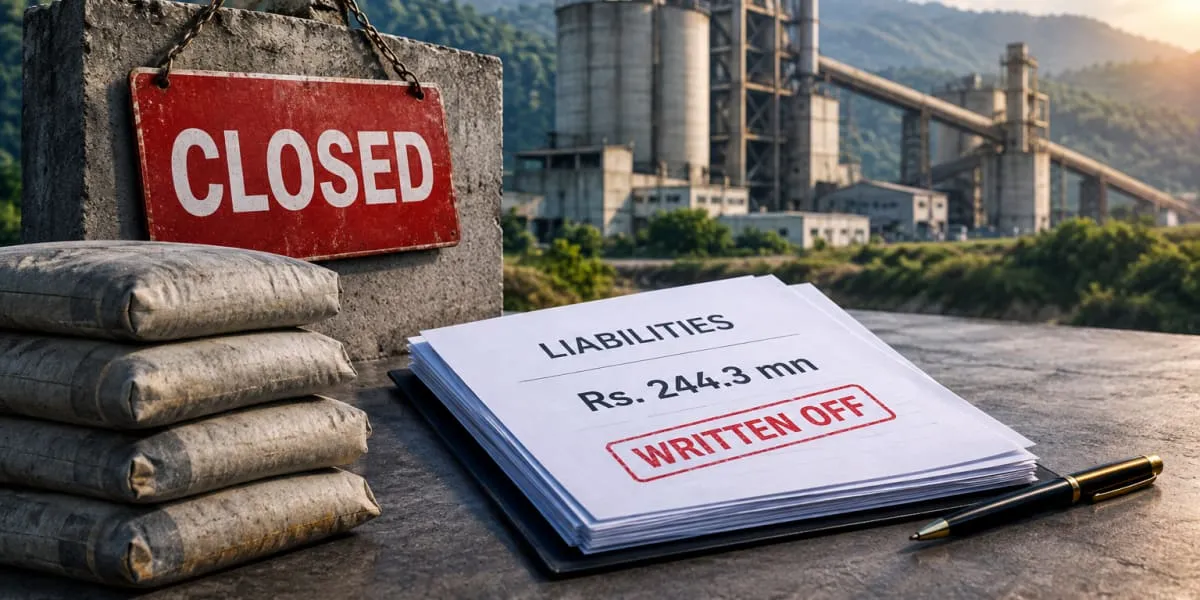



Meghalaya Cabinet Approves MCCL Closure, Writes Off Rs. 244.3 mn

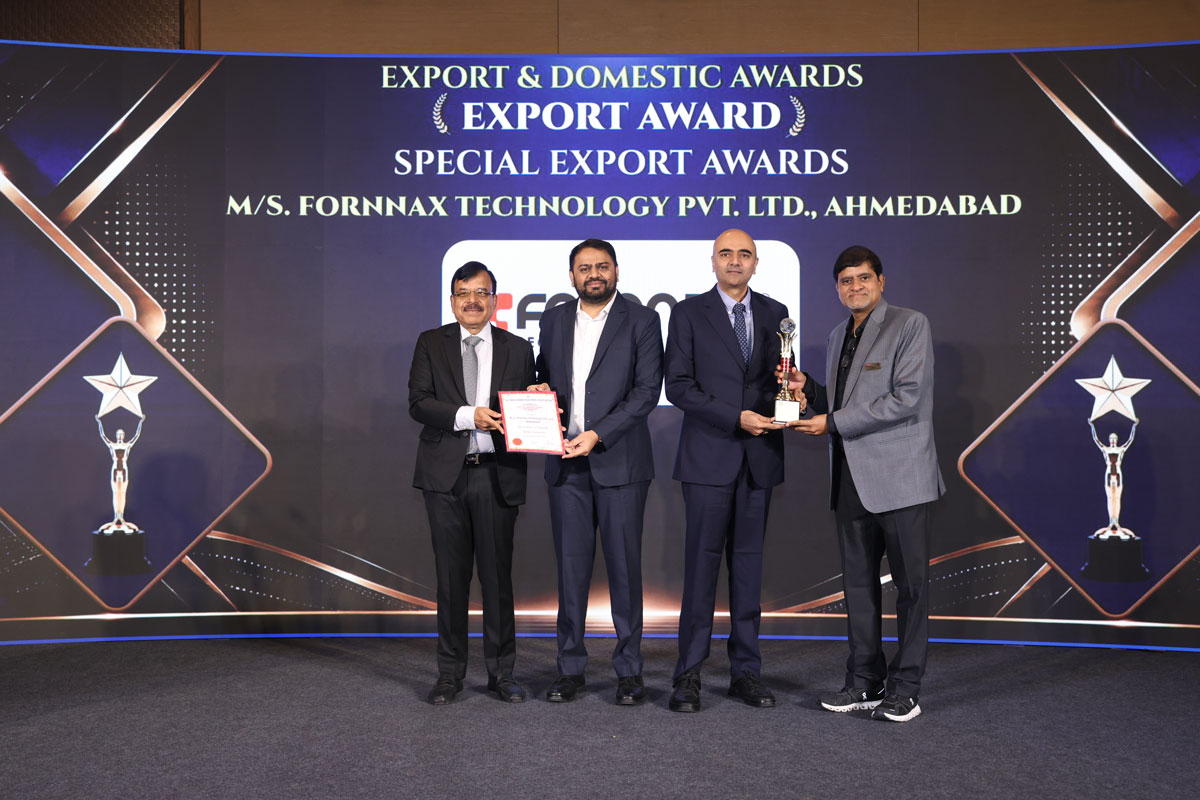
Fornnax Wins AIRIA’s Special Export Award for Rubber Machinery in 2025-26

Cement Prices Likely to Rise Rs. 10-15 per Bag from Mid-October

Nuvoco Marks 10 Years, Targets 35 MMTPA Capacity by FY28

J&K Government Notifies City Gas Distribution Policy
Meghalaya Cabinet Approves MCCL Closure, Writes Off Rs. 244.3 mn
Fornnax Wins AIRIA’s Special Export Award for Rubber Machinery in 2025-26
Cement Prices Likely to Rise Rs. 10-15 per Bag from Mid-October
Nuvoco Marks 10 Years, Targets 35 MMTPA Capacity by FY28
J&K Government Notifies City Gas Distribution Policy
-

 Concrete3 weeks ago
JSW Cement Receives Rs. 2.3 bn GST Demand Notice
-

 Concrete3 weeks ago
Andhra Pradesh Clears Rs. 30 bn My Home Cement Plant
-

 Concrete4 weeks ago
Jammu Division Begins First Cement Rail Traffic to Anantnag
-

 Concrete3 weeks ago
Montra Electric, Wonder Cement Deploy 250-Vehicle EV Fleet