

Concrete
Our target is to become carbon-negative by 2040: Dalmia Cement

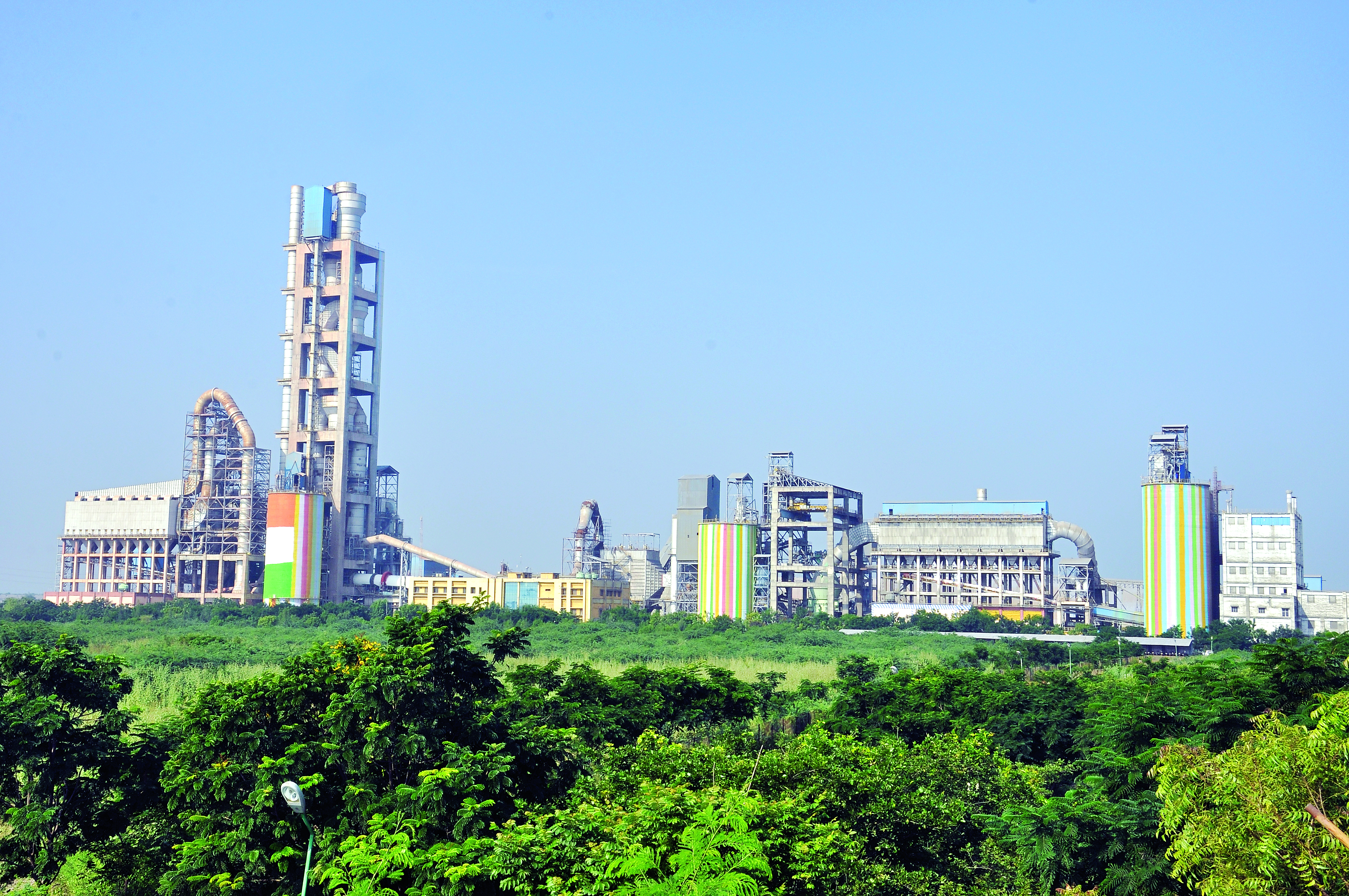
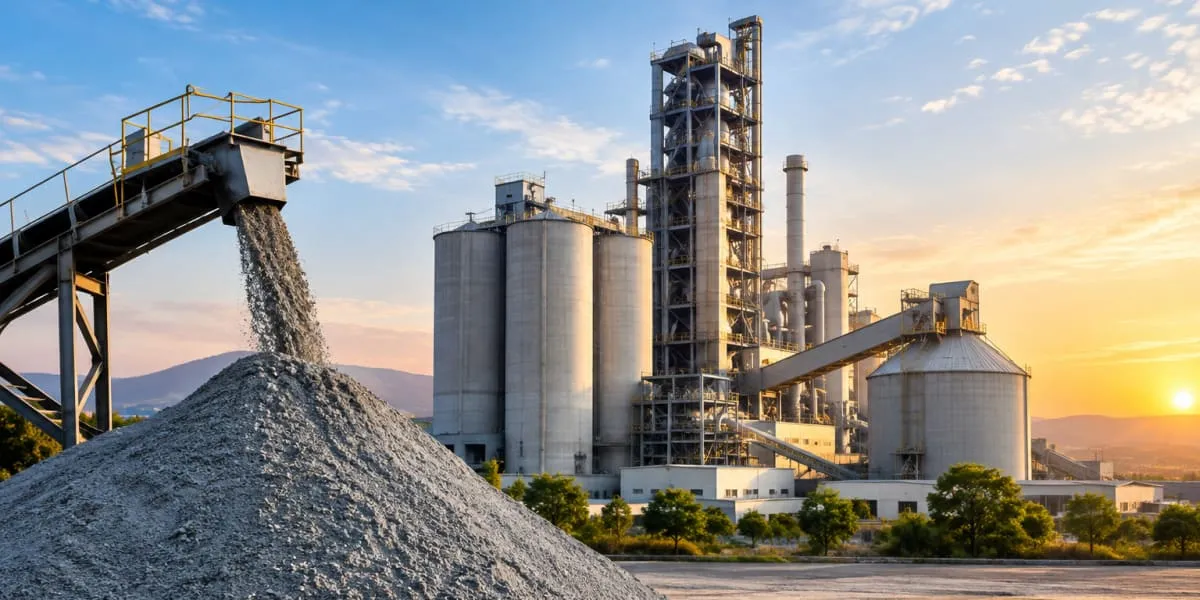
Elaborating on its sustainability initiatives, Ashwani Pahuja, Chief Sustainability Officer and Executive Director, Dalmia Cement (Bharat) Limited, India reveals that In the last five years, the company has trimmed 17.6 million tonnes of carbon dioxide emissions from its operations.

Sustainability, as a concept, has picked up well within the cement manufacturers. Elaborate on initiatives adopted by Dalmia Cement.
Our target is to become carbon negative by 2040. The first step is RE 100 by 2030 and fossil fuel replacement by 2035. Since the last decade, there are major initiatives on sustainability starting with material circularity, increased utilisation of industrial waste including fly-ash and and slag. In 2013, we were consuming nearly 1 million tonnes of industrial waste, which has increased to 6 million tonnes. That is a six fold increase in our material circularity or circular economy.
Multiple energy efficiency optimization programmes have also been implemented at the plant including retrofitting of energy efficient equipment. Today, the average energy consumption within our group is 71 kWh/tonne, which is nearly 20% lower than the global average. These two measures coupled with certain initiatives in renewables (installed 8 MW solar PV + 9MW of waste recovery project) has made Dalmia one of the lowest carbon footprint companies globally. The CDP (Carbon Disclosure Project) has ranked Dalmia as the number one group globally in the business readiness for low carbon in their global sector report published in 2018.
In the last four years, we have also become five times water positive. The aim is to be 25 times water positive by 2030. In the last five years, we have avoided 17.6 million tonnes of carbon dioxide emissions from our operations.
What are the other measures under implementation?
To further reduce our dependency on fossil fuels, we are installing waste heat recovery in plants wherever it is technically feasible. From the current 9.2 MW, it will increase to 56.2 MW in next 4-5 years. And in carbon neutral fuels (biomass) currently at 4% will be enhanced to 25% in the next five years. More solar installation (77MW) is in the offing as part of RE100 target set for 2030. By then, all electricity consumption for plants will be from renewables.
Can you quantify the percentage of increase in fund allocations for sustainability initiatives annually?
There are certain constraints in the solar initiative for private players, particularly, in transmissions segment policies. We hope that this would be sorted by the government with enabling policies. Financing for sustainable technologies and carbon technologies is not an issue as global financing companies are ready to fund provided you reduce carbon footprint.
In line with Paris Climate Agreement, there may be a push from the government. In European countries, the polluter pays for industrial wastes as well as for various alternate fuels including landfill activities. We may expect such policies in the near future in our country. We are looking at bamboo plants in waste land, which in turn, can be a fuel for the cement industry as well as for the power industry.
As a standalone, it is very difficult to switch over to carbon neutral technologies unless there are very attractive carbon markets. In the near future, these carbon markets are likely to become active. There are Green Climate Funds to the tune of $100 million every year to the developing nations for carbon-neutral technologies.
Could you elaborate on the cost advantage after adopting newer technologies?
Cost benefits are not immediate but over the medium- to long-term, the benefits are good. Initially, solar was at Rs 16/ unit. However, technological advancements and economies of scale brought the prices down. In the long term, these technologies will have to become viable through economies of scale technologies and also by enabling policies including incentives and the carbon markets. So, it?? a mix of low interest green finance, liberal policies as well as economics of scale.
Does India have a compliance structure for companies that are internationally accepted when it comes to green funds?
IFC and ADB are ready to fund projects provided the organisations come forward with various carbon neutral initiatives. For Dalmia, which is arguably one of the lowest carbon footprint companies in the world, it is not that difficult.
Renjini Liza Varghese





Concrete
Nuvoco Marks 10 Years, Targets 35 MMTPA Capacity by FY28
Nuvoco celebrates a decade of growth, targeting 35 MMTPA cement capacity by FY28.
Concrete
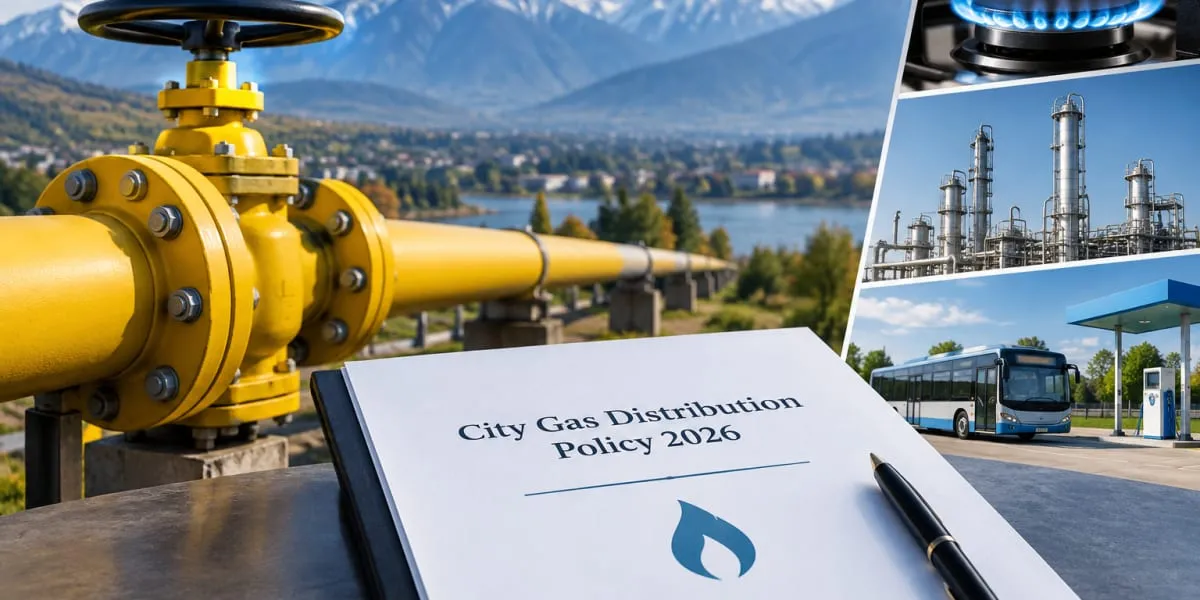
J&K Government Notifies City Gas Distribution Policy
Policy targets PNG and CNG expansion across all 20 districts
Concrete
JSW Cement Commissions 1 MTPA Grinding Unit at Nagaur
Nagaur unit lifts JSW Cement’s grinding capacity to 25.10 MTPA


Nuvoco Marks 10 Years, Targets 35 MMTPA Capacity by FY28

J&K Government Notifies City Gas Distribution Policy

JSW Cement Commissions 1 MTPA Grinding Unit at Nagaur

JSW Cement Commissions 1 MTPA Unit in Rajasthan

Wonder Cement appoints Mahesh Singh as VP Corporate Brand Communication
Nuvoco Marks 10 Years, Targets 35 MMTPA Capacity by FY28
J&K Government Notifies City Gas Distribution Policy
JSW Cement Commissions 1 MTPA Grinding Unit at Nagaur
JSW Cement Commissions 1 MTPA Unit in Rajasthan
Wonder Cement appoints Mahesh Singh as VP Corporate Brand Communication
-

 Concrete4 weeks ago
Telangana to Supply Subsidised Cement for Indiramma Houses
-

 Concrete2 weeks ago
Andhra Pradesh Clears Rs. 30 bn My Home Cement Plant
-

 Concrete2 weeks ago
JSW Cement Receives Rs. 2.3 bn GST Demand Notice
-
 Concrete4 weeks ago
Centre Defers Clearance for Limestone Mine Near Bustard Habitat