Economy & Market
Precast tech has a lot of potential in India
Published
6 years agoon
By
admin
– Rajesh S Pandit, Head – QMD (Urban Infrastructure), TATA Projects
What are the basic grounds on which one should prefer precast technology for the infra projects and specifically projects like Mumbai metro?
Precast structures/elements are cast off-site under factory conditions in a large area with all relevant infrastructure in place. The facility is generally called as casting yard. These precast elements are typical in size and are produced continuously like factory production in specific sets of moulds. Many times, being in congested public place, space availability to perform construction activities is very less. Therefore, projects like metro, prefer precast elements, which can be cast at place away from site. It can be brought in at right time/stage and place in position during night times when there is minimum interference to construction or movement of heavy equipment.
Volume and repetition are the key parameters in choosing precast option as these determines the benefit of precast over in-situ if any. For the projects, TATA Projects is executing elevated metro, we are casting girders/segments of girders at casting yard. For underground metro, tunnel ring segments are cast as precast elements in casting yard.
Being produced in controlled conditions and with minimal manual interventions (unlike cast in-situ), it turns out to be of a flawless and superior quality concrete structure with utmost safety. It also creates a scope for speed augmentation as these elements can be produced independent of site activities/constraints and runs as a parallel activity.
Please brief us on where precast technology is used and where cast in situ is used in the present Metro jobs?
Metro projects can be broadly classified into two categories – elevated (above around) and underground. In elevated metro projects, TATA Projects is designing and casting superstructure (above Pier) elements like pier cap, girders or girder segments as precast elements. In case of underground metro, TATA Projects produces tunnel lining ring segments as precast element.
In terms of cost and speed if one uses conventional method of construction over precast, what will be the shortcomings? What are the advantages of using precast?
Precast technology enables to produce parts of structure offsite independently. These activities run simultaneously and does not have to follow sequential progress at site. The structures or elements of the structure can be shifted to site at right time and just to be mounted/erected at required place. As mentioned in previous sections, these elements are cast in factory precision conditions with almost all activities are performed mechanically with minimal human interventions. The safety and quality standards achieved are very high as compared in-situ works. The area for casting yard is big enough to accommodate/stack large number of such elements ahead of time. The process of casting, stacking and despatch of these element is meticulously planned and expedited as well.
Do you use any software package for QC? Are quality audits carried out at what frequency? What is the software used for managing the project?
At TATA Projects, we use in-house developed IT platform for monitoring quality functions for documentation, analysis and MIS purpose. An interactive dashboard and analysis of data serves as an input for decision making for improvement. Quality audits are integral part of quality management process implemented at site. Generally, building projects undergo audits once in six months and metro projects undergo quality audits every three months.
In short what tests are conducted on piles before taking up the job of placing pile cap? What has been overall feedback on pile testing?
Test pile undergoes initial load test. Once this test is completed and results are positive, routine tests are conducted at different frequency on working piles. Routine tests are:
Pile integrity test by sonic logging
Pile Integrity by low strain using ultrasonic pulse velocity
High strain pile dynamic test
Please provide us the details of concrete used in precast and in situ. Grade and minimum cement content? How do you ensure QC parameters?
The concrete grades vary for each structure. If you consider a typical elevated metro project, in-situ structures are pile, pile cap and piers. Pier cap can be in-situ or precast. Girders or girder segments generally fall in precast category. A typical example of precast or cast in-situ structural element details are shared herewith. The minimum cement mentioned in referred table is picked up from contract technical specifications:
Raw material (cement, aggregate, Pozzolanic material and admixture) are carefully selected, which comply with applicable specifications. The concrete is designed in such a way that it not only comply with performance requirement as per technical specifications but also is extremely user-friendly.
It is produced from state-of-the-art fully automatic batching plant. It is regularly inspected and calibrated to ensure it is performing accurately. A well defined quality inspection and test plan is implemented to cover different tests on raw material before it’s use, tests on concrete during and just after production.
A team of an experienced quality control engineer and skilled technicians is deployed round a clock to monitor quality control process. A full-fledged quality control laboratory is established (near batching plant) and is equipped with calibrated equipment, which caters to all testing and monitoring needs.
Statistical analysis tools are adopted to continuously monitor performance Indices of concrete and necessary course corrections are made to keep it optimum. It also helps to predict trend and take proactive actions to avoid surprises.
How about the placement of seismic arrestors in the structure? Seismic arrestors are installed above pier cap and there is a groove where the shear key fits in our elevated metro projects currently in execution phase in Mumbai. How many shapes of Girders used in the super structure?
Generally, in metro projects (elevated), "U" shape, "C" Shape and "I" shape of girders are prevalent. Whereas, infrastructure projects (major bridges) are also designed with trapezoidal box (hollow from inside) girders (or segments) commonly.
It is learnt that for using precast technology of construction, one needs trained and highly skilled man power. What is the situation in our country with specific reference to your project?
The use of precast technology is evolving in India and is predicted as future of construction tomorrow by industry pundits. Factors like ever increasing paucity for skilled manpower, need for speed, quality and safety, etc. necessitated mechanisation of construction activities as much as possible.
The employment of skilled people who can handle formwork, casting with required quality/safety, transport of precast elements and safe heavy lifting operations at site for placement are very critical to successful management of precast construction. However, still Indian industry has a long way to go. We, in TATA projects, invest considerably in resources to induct/train continuously our skilled workers, front line supervisors and engineers in different activities before commencement of the critical activity for ensuring "first time right" and "Zero Rework" approach. Specialised vendors and industry experts are also roped in to train our workers for specific activities. The company has also rolled out technical handbooks covering almost all aspects of construction and home grown good practices in all streams (civil/mechanical/ electrical, etc).
Good practices are also shared through daily "quality triggers" across the organisation. Quality parks are established and utilised for training the workforce with mock-ups, models and samples for easy understanding. Daily quality toolbox talks are organised by field quality engineers to the workforce before start of any activity at site.
Kindly brief our readers on the use of technology as it is practised at your projects. How does it compare with that being used in other parts of world?
Automation in cutting and bending steel, usage of system form work, 3D and 4D, BIM, drone monitoring, HeliCranes in transmission and distribution projects, tunnel boring machines in tunnels for underground metro.
Can 3D printing technology become applicable to precast technology? Is it used in any part of the world?
Generally speaking, 3D printing is an in-situ casting without any mould/formwork with a machine whereas precast technology produces concrete elements by pouring concrete in a mould in a factory environment. Both may be complimentary for a total solution.
What do you think is the future of pre cast technology in India?
India is also going through rapid urbanisation and this has created a huge demand for adequate infrastructure and affordable housing segment which cannot be met through conventional construction and hence modernisation of construction industry must take place. It is not the infrastructure segment but also the building segment is showing immense interest in Precast technology.
Big developers and contractors like Amrapali, Purvankara, Brigade and BG Shirke are constructing millions of square feet in a year by precast technology and a lot of others are taking steps to implement precast technology. However, for the technology to truly take off, the Indian government has to provide favourable tax benefits to developers to implement modern technologies. There is definitely a lot of potential in India to become a major global market for precast technology. A few good examples will set the pace right and there won’t be any looking back then.
In the US, AASHTO has developed standard beam design for various load and geometrical condition and standard concrete beams are available for various spans and load conditions for ready usage. Unfortunately, this is not the situation India because there are no standard size available in India codes – even for road over bridges crossing railway where a good amount of standardisation can be done. There are a few technical challenges like filling the gaps between panel joints, waterproofing, thermal expansion/contraction, etc. Structural joints in seismic zones are difficult to achieve.
Moulds for the precast segments of underground metro.
Stacking of finished segments in casting yard
Precast girder segments for infra project (bridge)
We explore how material handling systems are becoming strategic assets in cement plants, enabling efficient movement of raw materials, clinker and finished cement. Advanced conveying, automation and digital technologies are improving plant productivity while supporting energy efficiency and sustainability goals.
Material handling systems form the operational backbone of cement plants, enabling the efficient movement of raw materials, clinker and finished cement across complex production networks. With India’s cement industry producing over 391 million tonnes of cement in FY2024 and possessing an installed capacity of around 668 mtpa, according to the CRISIL Research Industry Report, 2025, efficient material logistics have become critical to maintaining plant productivity and cost competitiveness. At the same time, cement production is highly energy intensive and contributes around 7 per cent to
8 per cent of global CO2 emissions, making efficient material flow and logistics optimisation essential for reducing operational inefficiencies and emissions states the International Energy Agency Cement Technology Roadmap, 2023. As plants scale capacity and integrate digital technologies, modern material handling systems, ranging from automated conveyors to intelligent stockyards, are increasingly recognised as strategic assets that influence plant stability, energy efficiency and environmental performance.
Strategic role of material handling
Material handling is no longer viewed as a secondary utility within cement plants; it is now recognised as a strategic system that directly influences production efficiency and process stability.
Cement manufacturing involves the continuous movement of large volumes of limestone, clay, additives, clinker and finished cement across multiple production stages. Even minor disruptions in conveying systems or storage infrastructure can lead to kiln feed fluctuations, production delays and significant financial losses. According to Indian Cement Industry Operational Benchmarking Study, 2024, unplanned downtime in large integrated cement plants can cost between Rs.15–20 lakh per hour, highlighting the economic importance of reliable material handling systems.
Modern cement plants are therefore investing in advanced mechanical handling systems designed for high throughput and operational reliability. Large integrated plants can process over 10,000 tonnes per day of clinker, requiring highly efficient conveying systems and automated stockyards to maintain continuous material flow, suggests the International Cement Review Industry Analysis, 2024. Efficient material handling also reduces spillage, minimises dust emissions and improves workplace safety. As cement plants become larger and more technologically advanced, the role of material handling is evolving from simple transport infrastructure to a critical operational system that supports both productivity and sustainability.
From quarry to plant
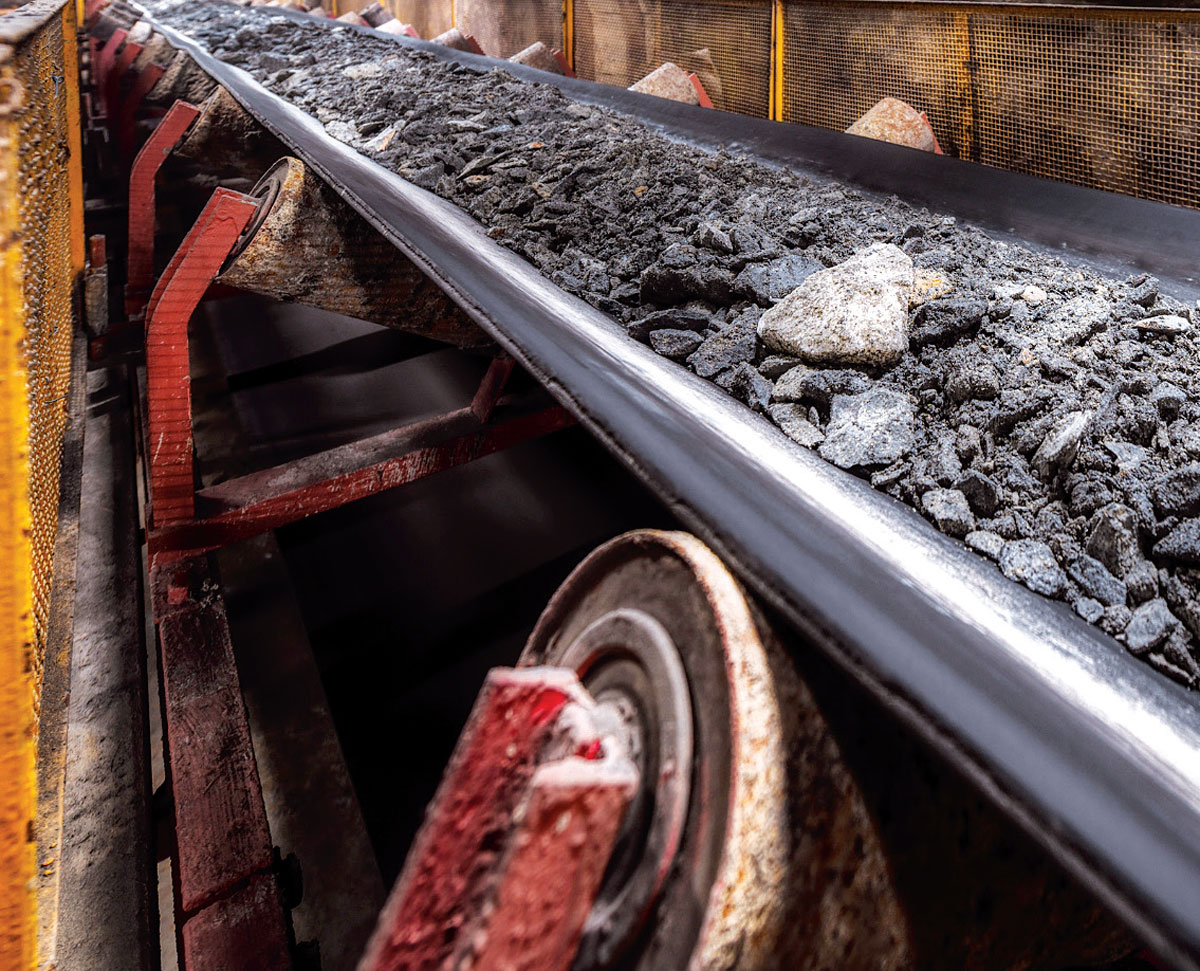
The transport of raw materials from quarry to processing plant represents one of the most energy-intensive stages of cement production. Traditionally, limestone and other raw materials were transported using diesel-powered trucks, which resulted in high fuel consumption, dust generation and increased operational costs. However, modern plants are increasingly adopting long-distance belt conveyors and pipe conveyors as a more efficient alternative. These systems allow continuous material transport over distances of 10–15 kilometres, significantly reducing fuel consumption and operating costs while improving environmental performance, states the FLSmidth Cement Industry Technology Report, 2024.
Milind Khangan, Marketing Manager, Vertex Market Research & Consulting, says, “Efficient and enclosed handling of fine materials such as cement, fly ash and slag requires modern pneumatic conveying systems. By optimising the air-to-material ratio, these systems can reduce energy consumption by 10 per cent to 15 per cent while ensuring smooth material flow. Closed-loop conveying further minimises dust loading and improves the performance of bag filters, supporting cleaner plant operations. In addition, flow-regulated conveying lines help prevent clogging and maintain reliable dispatch performance. Overall, automation in pneumatic conveying delivers immediate operational benefits, including improved equipment uptime, lower energy use, reduced material spillage and more stable kiln and mill performance.”
Pipe conveyor systems are particularly gaining traction because they provide a completely enclosed transport system that prevents material spillage and dust emissions. According to global cement engineering studies, conveyor-based transport can reduce energy consumption by up to 30 per cent compared to truck haulage, while also improving operational reliability. Several cement plants in India have already implemented such systems to stabilise quarry-to-plant logistics while reducing carbon emissions associated with diesel transport.
Stockyard management and homogenisation
Stockyards play a critical role in maintaining raw material consistency and stabilising kiln feed quality. Modern cement plants use advanced stacker and reclaimer systems to ensure efficient storage and blending of raw materials before they enter the grinding and pyroprocessing stages. Automated stacking methods such as chevron or windrow stacking enable uniform distribution of materials, while bridge-type or portal reclaimers ensure consistent extraction during kiln feed preparation. These systems are essential for maintaining stable chemical composition of raw meal, which directly influences kiln efficiency and clinker quality. The Cement Plant Operations Handbook, 2024 indicates that advanced homogenisation systems can reduce raw mix variability by up to 50 per cent, significantly improving kiln stability and energy efficiency. Integrated stockyard management systems also incorporate sensors for monitoring bulk density, moisture levels and stockpile volumes, enabling real-time control over material blending processes.
Clinker and cement conveying technologies
Once clinker is produced in the kiln, it must be efficiently transported to storage silos and subsequently to grinding and packing units. Modern cement plants rely on high-capacity belt conveyors, bucket elevators and pneumatic conveying systems to manage this stage of material flow. Steel-cord belt bucket elevators are now capable of lifting materials to heights exceeding 120 metres with capacities reaching 1,500 tonnes per hour, making them suitable for large-scale clinker production lines, states the European Cement Engineering Association Technical Paper, 2023.
For fine materials such as cement, fly ash and slag, pneumatic conveying systems provide a reliable and dust-free solution. These systems transport powdered materials using controlled airflow, ensuring enclosed and contamination-free movement between grinding units, silos and packing stations. Optimised pneumatic systems can reduce energy consumption by 10 per cent to 15 per cent compared to older conveying technologies, while also improving plant cleanliness and environmental compliance, according to the Global Cement Technology Review, 2024.
Automation and digitalisation
Digitalisation is transforming material handling systems by introducing real-time monitoring, predictive maintenance and automated control. Advanced sensors and Industrial Internet of Things (IIoT) platforms enable plant operators to track conveyor health, stockpile levels and equipment performance in real time. Predictive maintenance systems analyse vibration patterns, temperature fluctuations and equipment load data to detect potential failures before they occur. According to McKinsey’s Industry 4.0 Manufacturing Report, 2023, for heavy industries, digital monitoring and predictive maintenance technologies can reduce equipment downtime by up to 30 per cent and increase productivity by 10 per cent to 15 per cent. Digital control centres also integrate data from conveyors, stacker reclaimers and dispatch systems, enabling centralised management of material flows from quarry to dispatch.
Handling of AFR
The growing adoption of Alternative Fuels and Raw Materials (AFR) has introduced new challenges and opportunities for material handling systems in cement plants. AFR materials such as refuse-derived fuel (RDF), biomass and industrial waste often have irregular particle sizes, variable moisture content and lower bulk density compared to conventional fuels. As a result, specialised storage, dosing and feeding systems are required to ensure consistent kiln combustion. According to the Cement Sector Decarbonisation Roadmap published by NITI Aayog in 2026, increasing the use of AFR could enable India’s cement sector to achieve thermal substitution rates of around 20 per cent in the coming decades. To support this transition, plants are investing in automated receiving stations, shredding units, drying systems and precision dosing equipment to stabilise AFR supply and combustion performance.
Energy efficiency and dust control
Material handling systems also play a crucial role in improving plant energy efficiency and environmental performance. Modern conveyor systems equipped with variable speed drives and energy-efficient motors can significantly reduce electricity consumption. Permanent magnet motors used in conveyor drives can deliver 8 per cent to 12 per cent energy savings compared to conventional induction motors, improving overall plant energy efficiency according to the IEA Industrial Energy Efficiency Study, 2023. Dust control is another major concern in cement plants, particularly during material transfer and storage operations. Enclosed conveyors, dust extraction systems and advanced bag filters are widely used to minimise particulate emissions and improve workplace safety.
Future trends in material handling
The future of material handling in cement plants will be shaped by automation, digitalisation and sustainability considerations. Emerging technologies such as AI-driven logistics optimisation, autonomous mobile equipment and digital twins are expected to further improve plant efficiency and operational visibility. Digital twin models allow engineers to simulate material flow patterns, optimise stockyard operations and predict equipment performance under different operating conditions. According to the International Energy Agency Digitalisation and Energy Report, 2024, the adoption of advanced digital technologies could improve industrial energy efficiency by up to 20 per cent in heavy industries such as cement manufacturing. As cement plants expand capacity and adopt low-carbon technologies, intelligent material handling systems will play a critical role in maintaining productivity and reducing environmental impact.
Conclusion
Material handling systems have evolved from basic transport infrastructure into strategic operational systems that directly influence plant efficiency, reliability and sustainability. From quarry transport and automated stockyards to digital dispatch platforms and advanced conveying technologies, modern material handling solutions enable cement plants to manage large production volumes while maintaining process stability.
As India’s cement industry continues to expand to meet infrastructure and urban development demands, investments in advanced material handling technologies will become increasingly important. By integrating automation, digital monitoring and energy-efficient systems, cement manufacturers can improve operational performance while supporting the industry’s long-term sustainability and decarbonisation goals.
- Kanika Mathur
Cement plant modernisation is reshaping the industry through upgrades in
kilns, energy systems, digitalisation, AFR integration and advanced material
handling. We explore these technologies that improve efficiency, reduce
emissions, strengthen competitiveness, while preparing the industry for India’s
next phase of infrastructure growth.
India’s cement industry, the world’s second-largest, is undergoing a rapid transformation driven by infrastructure demand, decarbonisation targets and technological advancement. The sector’s installed capacity stood at approximately 668 million tonnes per annum (mtpa) in FY2025 and is projected to reach 915–925 mtap by 2030, supported by large-scale capacity expansions and infrastructure investment cycles, suggests CRISIL Intelligence Industry Report, 2025. At the same time, cement production remains highly energy intensive and contributes about 6 per cent to 7 per cent of India’s total greenhouse gas emissions, making efficiency improvements and modernisation critical for long-term sustainability as stated in CareEdge ESG Research, 2025. As a result, cement manufacturers are investing in advanced kiln technologies, digital monitoring systems, waste heat recovery, alternative fuels, and modern material handling infrastructure to enhance productivity while aligning with global decarbonisation pathways.
Need for modernisation
The need for plant modernisation is closely linked to the sector’s rapid capacity expansion and rising operational complexity. India’s installed cement capacity has grown significantly in the last decade and is expected to exceed 900 mtpa by 2030, driven by demand from housing, infrastructure and urban development projects, as per the CRISIL Intelligence Industry Report, 2025. However, increasing scale also places pressure on energy efficiency, logistics, and production stability. The report also suggests that the cement plants must upgrade equipment and processes to operate at higher utilisation rates, which are projected to reach 75 per cent to 77 per cent by the end of the decade, compared to around 72 per cent to 74 per cent in FY2026.
Environmental imperatives are another major driver of modernisation. Cement manufacturing is responsible for a significant share of industrial emissions because clinker production requires high-temperature processes that depend heavily on fossil fuels. According to CareEdge ESG research, the cement sector contributes 6–7 per cent of India’s total greenhouse gas emissions, with approximately 97 per cent of emissions arising from direct fuel combustion and process emissions in kilns. Consequently, plant modernisation initiatives now focus not only on productivity improvements but also on reducing emissions intensity, energy consumption, and reliance on conventional fuels.
“One of the most impactful upgrades implemented at Shree Cement in the last five years has been the adoption of advanced data management platforms that provide real-time visibility across major process areas. This digital advancement has strengthened plant automation by enabling faster and more accurate responses to process variations while improving the reliability of control loops. Real-time dashboards, integrated analytics and automated alerts now support quicker, data-driven decision-making, helping optimise kiln and mill performance, improve energy control and detect deviations early. By consolidating data from multiple systems into a unified digital environment, the company has enhanced operational consistency, reduced downtime and improved both productivity and compliance. This shift towards intelligent automation and real-time data management has become a key driver of operational excellence and future-ready plant management,” says Satish Maheshwari, Chief Manufacturing Officer, Shree Cement.
Kiln and pyroprocessing upgradation
The kiln remains the technological heart of cement manufacturing, and modernisation efforts often begin with upgrades to pyroprocessing systems. Many older plants in India operate with four- or five-stage preheaters, while modern plants increasingly adopt six-stage preheater and pre-calciner systems that significantly improve heat efficiency and clinker output. These systems enhance heat transfer, reduce fuel consumption, and stabilise kiln operations under high throughput conditions.
Professor Procyon Mukherjee suggests, “Cement manufacturing is, at its core, a thermal process. The rotary kiln and calciner together account for energy consumption and emissions. The theoretical thermal requirement for clinker production is around 1700–1800 MJ per tonne, yet real-world plants often operate far above this benchmark due to inefficiencies in combustion, heat recovery and material flow. Modernisation, therefore, must begin with the
kiln system, and not peripheral automation or
isolated upgrades. The shift from wet to dry process kilns, combined with multi-stage preheaters and precalciners, has already delivered step-change improvements, making dry kilns nearly 50 per cent more energy efficient.”
Recent investment programmes across the industry have included kiln cooler upgrades, advanced burners, and improved refractory materials designed to increase operational reliability and reduce specific heat consumption. Such upgrades are essential because cement production remains highly energy intensive, and continuous efficiency improvements are required to meet global decarbonisation targets. According to the International Energy Agency (IEA) Cement Tracking Report, 2023, the cement sector must achieve annual emissions intensity reductions of around 4 per cent through 2030 to align with global net-zero scenarios.
Energy efficiency and WHRS
Energy efficiency remains one of the most important areas of modernisation in cement manufacturing, given the sector’s heavy reliance on thermal and electrical energy. Modern plants deploy advanced process controls, efficient grinding systems, and improved combustion technologies to reduce specific energy consumption. The adoption of energy-efficient technologies is particularly important in India, where energy costs account for a large share of production expenses. As demand grows and plants expand capacity, improving energy performance becomes essential to maintain competitiveness.
Waste Heat Recovery Systems (WHRS) have emerged as a key solution for improving plant energy efficiency. During cement production, large volumes of high-temperature gases are released from kilns and coolers. WHRS technology captures this waste heat and converts it into electricity, thereby reducing reliance on external power sources. According to energy benchmarking studies for the Indian cement industry, installed waste heat recovery capacity in the sector has reached approximately 840 MW, with an additional potential of around 500 MW states the Green Business Centre, Energy Benchmarking Report, 2023. Several leading producers have already implemented large WHRS installations; for example, UltraTech Cement has deployed systems with around 121 MW of waste heat recovery capacity, reducing carbon emissions by nearly 0.5 million tonnes annually according to the Energy Alternatives India Case Study, 2024.
Integration of AFR
The integration of Alternative Fuels and Raw Materials (AFR) is another critical dimension of cement plant modernisation. AFR refers to the use of industrial waste, biomass, refuse-derived fuel (RDF), and other non-fossil materials as substitutes for conventional fuels such as coal and petcoke. Increasing the use of AFR helps reduce fossil fuel consumption while simultaneously addressing waste management challenges. According to the NITI Aayog Decarbonisation Roadmap, 2026, scaling the use of RDF and other alternative fuels could enable the sector to achieve thermal substitution rates of around 20 per cent in the coming decades.
However, integrating AFR requires significant plant modifications and operational adjustments. Waste-derived fuels often have inconsistent calorific values, higher moisture content, and heterogeneous physical properties compared to traditional fuels. As a result, modern plants invest in advanced fuel preparation systems, dedicated feeding equipment, and automated dosing technologies to ensure stable kiln operation. These upgrades allow plants to maintain consistent clinker quality while increasing the share of alternative fuels in their energy mix.
Digitalisation and smart plant operations
Digitalisation is rapidly transforming cement plant operations by enabling data-driven decision-making and predictive maintenance. Industry 4.0 technologies such as IoT sensors, artificial intelligence (AI), and advanced analytics are now used to monitor equipment performance, optimise process parameters, and anticipate maintenance requirements. These digital tools enable plant operators to detect early signs of equipment failure, minimise unplanned downtime, and improve operational efficiency. Predictive maintenance systems, for example, analyse vibration, temperature, and acoustic signals from rotating equipment to identify potential faults
before they escalate into major breakdowns. Digital twins and integrated control systems further allow operators to simulate plant performance under different scenarios and optimise production strategies. Such technologies are becoming increasingly important as cement plants operate at larger scales and higher levels of process complexity.
Maheshwari also adds, “Plant modernisation is also increasingly central to the global competitiveness of Indian cement manufacturers. As cost pressures rise across energy, logistics and regulatory compliance, modern plants offer the structural efficiency required to operate reliably and competitively over the long term. Technologies such as AI-driven Advanced Process Control (APC) integrated with real-time data systems are emerging as essential investments for the future. These platforms use predictive algorithms, machine learning and live process inputs to optimise kiln, mill and utility operations with greater precision than traditional control systems. By continuously analysing variations in feed chemistry, temperature profiles, energy demand and equipment behaviour, APC enables stable operations, lower specific energy consumption, reduced emissions and improved product consistency. As regulatory expectations tighten and plants pursue higher efficiency with lower carbon intensity, AI-enabled APC will play a crucial role in strengthening automation, enhancing decision-making and ensuring long-term operational resilience.”
Modern material handling and logistics
Material handling systems play a critical role in ensuring smooth plant operations and efficient logistics. Modern cement plants rely on advanced conveying systems, automated stockyards, and digital dispatch platforms to manage the movement of raw materials, clinker, and finished cement. Long-distance belt conveyors and pipe conveyors are increasingly replacing truck-based transport between quarries and plants, reducing fuel consumption, dust emissions, and operational costs. Automated stacker-reclaimers ensure consistent blending of raw materials,
which improves kiln stability and clinker quality. Meanwhile, advanced packing and dispatch systems equipped with high-speed rotary packers and robotic palletisers enhance throughput and reduce manual labour. These technologies allow cement plants to optimise logistics efficiency while supporting higher production capacities.
Emission control and environmental compliance
Environmental compliance has become a central focus of cement plant modernisation as regulators and investors place greater emphasis on sustainability performance. Modern plants deploy advanced emission control technologies such as high-efficiency bag filters, electrostatic precipitators, and selective non-catalytic reduction systems to reduce particulate matter and nitrogen oxide emissions.
Sine Bogh Skaarup, Vice President, Head of Green Innovation and R&D, Fuller Technologies says, “One of our key focus areas is decarbonisation. We help cement producers reduce CO2 and overall carbon emissions. We offer alternative fuel solutions and calcined clay technologies to enable the production of LC3 cement, which play a significant role in decarbonising the cement industry. By combining alternative fuels and calcined clay solutions, CO2 emissions can be reduced by up to 50 per cent, making this a highly impactful approach for sustainable cement production.”
Continuous emission monitoring systems are increasingly used to track environmental performance in real time and ensure compliance with regulatory standards. In addition to air pollution control, cement companies are also investing in water recycling systems, renewable energy integration, and carbon reduction initiatives. These measures are essential for aligning the sector with national climate goals and improving the environmental footprint of
cement manufacturing.
Economic benefits and future outlook
Beyond environmental and operational advantages, cement plant modernisation also delivers significant economic benefits. Energy efficiency improvements, digital process optimisation, and advanced material handling systems reduce operating costs and improve asset utilisation. Waste heat recovery and alternative fuels help lower fuel expenditure and reduce exposure to volatile fossil fuel markets. As the industry expands capacity to meet growing demand, modernised plants are better positioned to achieve higher productivity and maintain profitability. The long-term outlook for the sector remains positive, with India expected to continue large-scale infrastructure investments in roads, housing, railways, and urban development.
Milan R Trivedi, Vice President – Projects, Prod & QC, MR, Shree Digvijay Cement, says, “The main focus in case of modernisation projects drives through the investment decision, which is mainly based on IRR and impact on overall efficiency improvement, cost optimisation and improvement in reliability. However, there are certain modernisation, which has high impact on environmental impact, statutory requirements, etc. has higher priority irrespective of ROI or payback period.”
“The energy efficiency and reliability investment projects generally provide fast return on investment whereas strategic, digitalisation and environmental investment projects provide long term and compounded benefits. Typical modernisation investment projects are decided with IRR of about > 20 per cent, payback period of typically 2-3 years for fast-track projects,” he adds.
In this context, modernisation will remain a key strategic priority for cement manufacturers seeking to maintain competitiveness in an increasingly sustainability-focused market.
Conclusion
The modernisation of cement plants is no longer a purely technical upgrade but a strategic transformation that reshapes how the industry operates. As India’s cement sector expands capacity toward the next growth cycle, improvements in energy efficiency, digitalisation, alternative fuels and advanced logistics will determine the competitiveness of individual plants. Modern technologies allow producers to operate at higher productivity levels while simultaneously reducing energy consumption and emissions intensity.
Looking ahead, the pace of technological adoption will play a decisive role in shaping the future of
the cement industry. Companies that successfully integrate modern equipment, digital systems, and sustainable production practices will be better positioned to meet rising infrastructure demand while aligning with global climate commitments. In this evolving landscape, plant modernisation stands as the cornerstone of both operational excellence and environmental responsibility.
- Kanika Mathur
Fuller Technologies (erstwhile FLSmidth Cement) presents a case study of Shree Cement’s Nawalgarh Plant.
Shree Cement achieved a new milestone and broke a world record in December 2023 when it started its new Nawalgarh plant in Rajasthan. The plant boasts both India’s largest OK® Mill and the world’s largest pyro line, which is rated at 11,500 tpd but achieving at more than 13 500 tpd. It put Shree Cement on track to exceed their target of 80 million tpa cement capacity in India by 2028. Shree Cement chose to partner with Fuller Technologies (then FLSmidth Cement) for the project, since the two groups share such similar values and Fuller offers a portfolio of solutions geared towards reducing the cement industry’s environmental impact.
Cement plays a vital role in India’s development, supporting the country’s ambitions for long-term economic growth. As urbanisation accelerates, infrastructure projects like Smart Cities, Bharat Mala, and metro rail developments are driving steady demand for cement. With per capita consumption increasing however historically lower than global averages, India’s evolving urban landscape and infrastructure needs are expected to significantly boost cement demand in the years ahead.
Shree Cement is well positioned to support India’s growth and is playing a pivotal role in the country’s expansive infrastructure development. The Nawalgarh plant will supply the wider region of north India with cement and clinker, feeding 3/4 grinding plants in the area.
The new Nawalgarh plant
With easy access to a rich supply of raw materials, Nawalgarh was an obvious choice for Shree Cement’s newest cement plant. With abundant reserves of limestone, the region also boasts strategic access to cement markets in northern India.
Though water scarcity is an issue in the region, the plant was committed to using modern, water-efficient technologies, ensuring minimal water consumption and waste. For example, the OK Mill™ can be operated without water, making it an optimal solution in regions where conserving water is particularly important.
Satish Maheshwari, Chief Manufacturing Officer, Shree Cement, says, “We have significantly invested in alternative fuels – including hazardous waste, municipal solid waste (RDF) and biomass – to reduce fossil fuel reliance. Our new state-of-the-art solid waste feeding system for MSW is operational at one site and is being replicated at others, enhancing alternative fuel use and improving thermal substitution in kilns.” The plant also follows Shree Cement’s principal of reducing clinker content in blended cements, which aims to reduce the carbon footprint of Shree Cement products.
The world’s biggest pyro line
The project kicked off with the issuance of the Letter of Intent (LOI) on 15th September 2021 for the Raw Mill. As per the LOI, equipment was expected to be delivered within 8-13 months from the contract’s effective date. The first lot of the raw mill arrived on-site in May 2022, with the major consignment – the Grinding Table – delivered in February 2023. Civil work for the Raw Mill and its building began in May 2022 and was completed by January 2023. Fabrication was wrapped up by June 2023 and erection commenced in January 2023, concluding by September 2023. The final commissioning was successfully completed on 14th December 2023, marking the operational start of the mill.
The world’s largest clinker cooler
The Cross-Bar® Cooler at Nawalgarh is the largest in the world, with a grate area of 325 m2 and a throughput guaranteed at 11 500 tpd, though it has been running at around 13 500 tpd since commissioning. Offering both high throughput and highly stable operation, the cooler also contributes to Shree Cement’s sustainability goals thanks to its hot air recirculation, which generates about 8 MW through the waste heat recovery system.
“With a Cross-Bar Cooler, the bigger you go, the greater your efficiency gains,” says Gowrishankar Ramachandran, Senior Product Specialist, Fuller Technologies. “We were not concerned about the size of the project – we knew we could achieve the performance guarantees with ease. Start-up was paced to get the full pyro system up and running smoothly, starting at 5000 tpd and quickly ramping up to full capacity and then beyond. The combination of features ensures smooth operation whatever’s going on in the kiln and preheater, meaning the cooler is unphased by the introduction of new alternative fuels or variations in throughput.”
Featuring patented ABC Inlet technology, which ensures no build-up in the cooler, Shree Cement also benefit from the cooler’s Heavy Duty Roller Breaker (HRB) and Mechanical Flow Regulators (MFRs) to improve reliability and uptime.
• The ABC™ Inlet uses a patented in-grate design that pushes compressed air up through the grates, blasting agglomerations. Pressure sensors detect when build-up is starting to occur and the automated blast control system reacts accordingly, increasing blast frequency to disperse the clinker and prevent further buildup.
• The HRB can handle clinker boulders up to 1.5 m without blockages. It features a series of transport and crushing rollers that allow right-sized materials to pass through and crush larger materials down to a pre-set size. Its low speed contributes to a long wear life of 3-5 years, while the rollout design enables easy maintenance.
• MFRs control airflow across the whole clinker bed – irrespective of clinker bed height, particle size, distribution or temperature. This optimises heat recuperation and air distribution, reducing both fuel costs and the number of cooling
fans required.
This cooler is a ventless system, with hot air being recirculated back into the cooler instead of bringing in ambient air. This improves the WHR temperature and boosts the power generated through the system. With waste heat recovery from the preheater in addition to the cooler, the total power generated is around 15-18 MW.
Though the operation has the potential for high dust pickup, the cooler casings were enlarged so that dust pickup is less than 4 m/s. This reduces dust to the tertiary air duct and helps reduce the environmental impact of the cooler operation, as well as the wear and safety issues that come with dust settling on equipment and on the local environment.
The cooler is part of the world’s largest pyro system, with a guaranteed capacity of 11 500 tpd (with an achieved production of 13 695 tpd),
that includes:
• Four string pre-heater:
o Cyclone stage I: 7784 mm, Top (HR+)
o Cyclone stage II: 7984 mm
o Cyclone stage III-VI: 8180 mm with Low Nox Calciner
• Dia 6.0m x 88m long & 3 support kiln with forged tyres
• JETFLEX® 2.0 kiln burner (type standard
and plus)
• 2 x 750 tph PFISTER® FRW Rotor Weighfeeder 5.22/13 for Kiln feed and 6 x PFISTER® Smart Linear Feeder
The Fuller® Low NOx Calciner prevents the build-up of raw meal on the calciner walls and maintains a hot core for excellent combustion and NOx reduction. With a design based on extensive research, field tests and CFD modelling, the Low NOx calciner is capable of burning almost any fuel type, giving Shree Cement full flexibility to switch between coal, petcoke and alternative fuels. The calciner has the added advantage of reducing NOx while also minimising the need for ammonia injection, creating a cleaner, greener, more cost-effective process.
The JETFLEX burner was chosen for its high degree of fuel flexibility, further aiding Shree’s green ambitions. The burner can burn a mix of coal, petcoke, oil, natural gas and alternative fuels while maintaining an optimal flame shape. The flame formation is controlled by separate systems for axial and swirl air, ensuring fast ignition and stable flame formation with a shorter and more intense flame. That reduces volatility in the kiln and gives the Nawalgarh plant greater efficiency throughout the pyroprocess.
India’s biggest OK Mill
The OK Mill 66.6 selected as the raw mill for this plant is the largest OK raw mill in the country with a guaranteed capacity of 1070 tph, though it has been running at 1080 tph since commissioning. The OK Mill was selected for its proven history of efficiency, low water usage and ease of maintenance. The rollers can be swung out for repair or hard-facing so that operation can continue with the remaining rollers, enabling continuous productivity. The OK-R-66-6 VRM for this plant includes a RARM-1300 separator, known for the simplicity of its design, which reduces wear and maintenance, lowers differential pressure and reduces mill fan power (and thus operational costs) while still providing efficient separation.
This is not the only OK Mill at the Nawalgarh plant. An OK 66-6 finish mill with ROKSH-1100 classifier is employed for cement grinding at 360 tph. In addition, the plant has an ATOX® 32.5 coal mill with RAKM-32.5 classifier for coal grinding, guaranteed at 46 tph but running at 56 tph.
Energy efficiency and saving
“Energy conservation remains a top priority for us, driving innovations from shop-floor experiments to major capital investments,” explains Maheshwari. “These efforts have reduced carbon emissions and production costs. Over 55 per cent of our energy needs across the company are met through green energy sources, including solar and wind power alongside our Waste Heat Recovery Systems. Combined, these systems produce in excess of 520 MW. We consistently exceed PAT Cycle targets and have been honoured as ‘Best Performer’ for the highest number of energy-saving certificates in both PAT Cycle I and II by the Bureau of Energy Efficiency.”
A digital native
Shree Cement is an advocate of the benefits and necessity of digitalisation to improve cement plant performance and efficiency. A few years ago, the company rolled out ECS/PlantDataManagement across 16 plants and 24 lines in a huge digital upgrade to drive efficiency and increase productivity. The new Nawalgarh plant won’t require a digital transformation, however, because it has been built as a digital native.
It is equipped with ECS/PlantDataManagement, which delivers all plant and process data in accessible and practical forms to plant managers and operators, maintenance teams, analysts, and decision-makers, giving them the insights necessary to optimise production lines, minimise equipment downtime, improve productivity and reduce environmental impact. ECS/PlantDataManagement includes important tools like UptimeGo, the downtime analysis solution, and SiteConnect, the mobile app that allows plant operators and managers to view real-time plant data anytime, anywhere from a mobile device.
The plant is also utilising advanced automation solutions across the plant, including in the laboratory where Fuller is enabling clinker substitution while ensuring optimal cement quality. QCX/RoboLab® is a high-tech robotics solution for automated sample preparation, analysis, and automated quality assurance (QA) and quality control (QC) procedures. This advanced automation system ensures fast, accurate, and safe analysis with as few operators as possible. It receives and co-ordinates samples from the QCX®/AutoSampling system and can take on challenging laboratory tasks to ensure optimal quality control in the face of variations in alternative fuels and changes to the cement mix. Again, this was a choice Shree Cement made to ensure the plant has the flexibility to deliver lower carbon cements without compromising on final product quality.
Conclusion
In December 2024, Shree Cement celebrated the first anniversary of the Nawalgarh plant. The plant’s rapid rise as a leading player in cement production aligns with the global position of this impressive company, whose strategic initiatives in alternative fuels, emissions reduction and water management have earned industry-wide recognition, including the acclaimed position of ‘industry mover’ in the construction materials category of the S&P Global Sustainability Yearbook 2025.
Shree Cement’s focus on blended cement production successfully lowered natural resource consumption and CO2 emissions by 7.2 million tonnes in FY23-24, with 73.52 per cent of total production comprising blended cement with an average clinker-to-cement ratio of 64.66 per cent.
“Partnering with a solutions provider like Fuller enables us to turn our sustainability ambitions into reality,” says Maheshwari. “Together we are shaping the future of our industry and our region, and we are very proud of the contributions we are making towards a more sustainable cement industry and greater economic prosperity.”