Economy & Market
The Strategic Link!

Published
7 years agoon
By
admin
The cement industry is at a turning point. As the cement industry is changing, companies are generating value by concentrating on their micromarkets.
India is now the world’s second-largest market for cement after China, both in terms of production and distribution. This has made India an attractive location for investment by incumbents as well as entry by new players. As a result of this investment activity, the sector has seen substantial gains in manufacturing technology, improved product quality, and falling production costs.
Going forward, the Indian cement industry is primed for further growth due to the country’s low cement intensity and strong demand drivers. India’s per capita consumption of cement (at 225 kg) is still far below the global average of over 580kg. It is also significantly lower than other large developing economies like China.This leaves substantial headroom for industry growth in the coming years.
Over the last few years, the cement industry has already pocketed most of the potential benefits from implementing operational best practices at their respective plants. Therefore, the clear challenge for Indian cement companies today is to identify new source of margin improvement. Based on our limited interaction with the industry players, INDIAN CEMENT REVIEW identified three key areas of performance excellence-sales and marketing, next-gen supply chain management and going digital-that can deliver sustained margins for cement players in shifting industry scenario.
The first area of focus for cement players is to achieve excellence in sales and marketing. By taking action on this front, companies can both stimulate demand and improve price realisation to drive margin improvement. A recent report by Kanvic identifies four key elements of sales and marketing where companies currently lag and which can be provide a winning advantage. These elements are improving visibility beyond factory gate, engaging micro-marketing, discounting, and bringing key account management to non-trade customers.
Improving visibility
Often companies are unaware of the actual price at which their products is sold by the trade, or the price at which their competitor sells. As a result of this limited visibility, cement companies bargain power with their channel partners is weakened and they (cement manufacturers) protect their prices. Given the already slim margins in this commodity segment, these blind spots can have a major impact on profitability. Meanwhile, for the individual home buyers, according to Nilesh Narwekar, CEO, JSW Cement, ‘it becomes critical for a cement manufacturer to reach primary and secondary layer as it has a direct logistics bearing, a cost per tonne.’That said, he further added: ‘it is also necessary how a cement manufacturer attracts enough primary and secondary layers to be a part of wanting to sell a particular brand.’
In order to improve visibility, cement companies need to implement an effective system for gathering information from the market on a continuous basis and apply it in a decision making. For example, one of the leading cement manufacturers has created a dedicated team whose sole purpose is to gather pricing information on the company and competitor products.
Since the point of sale is the moment of truth, where the products and solutions meet their customers and end-users, for LafargeHolcim, being a business partner to all players in the distribution chain is the key. According to an official, who did not wish to be quoted, ‘We make our products and solutions available at all times, generating additional business for customers as distributors, retailers, and DIY stores.’ He added, ‘We also offer in-store animations, product knowledge, digital platforms, mobile apps, and financing schemes for customers and end-users, including individuals and professionals.’
Incentivising dealers
The dealer networks are extremely important for companies, contributing 70-80 per cent of their sales. So, borrowing a trick or two from credit card loyalty programmes, many companies now have personalised rewards and recognition schemes for their dealers, affiliates and key influencers. These days, companies are wooing dealers with gold, offering scholarship to kids like never before – with some help from data and algorithms. Cement firm Nuvoco (formerly Lafarge India) conducts a national-level singing competition for the family members of its dealers. A high-engagement activity, it gets participation from nearly 42 per cent of its membership base. Nuvoco, besides organising singing competitions, also has accident and health insurance for dealers and their family members. Another, large cement major awards its dealers’ children who have obtained high marks. This is a big hit in the southern and eastern regions, especially.
Discounting factor
With improved price information, cement companies are better placed to bring greater discipline in discounting. Today, as per the report by Kanvic, cement companies lack strategic approach to discounting, often succumbing to the pressure from their channel partners to increase discount to stimulated demand. To counter these profit-eroding practices, companies need to implement the policies and processes that target discount at where they generate the most value for the business.
For example, by shifting from a uniform discounting policy to one that rewards loyalty and achievement of sales goals, cement companies can differentiate between their most profitable channel partners. The implementation of discount policies should also be accompanied by effective checks and balances that prevent abuse of discount.
Micro-marketing
To maximise the effect of their micro marketing and achieve optimal demand fulfillment, cement companies need to move to a micro marketing approach. This involves getting a picture of demand that is much more granular than the regional or state-level focus that prevails today. Instead, Kanvic believes that Indian cement companies need to zoom in to the district level to measure an area’s sales potential and allocate the necessary resource accordingly.
To this, Narwekar suggests a limited geography for cement players to focus on. He adds, ‘With limited geography, cement players can move its product from source with the best and cheapest route along with efficient transport management.’ This will entail cement players selling X million tonnes in pan-India, instead to a designated geography. From sales perspective, it will be difficult but, if a cement company has a strong network with assured demand from the region, its market share and volumes will increase in the region. ‘However, it’s a double-edged sword,’ cautioned Narwekar.
Today, new digital tools can make this quicker and dynamic. For example, last year Kanvic was assigned with a building material company. Kanvic helped its client to implement a tool where is sales force could record construction activity at the ward level in a major city to indicate where upcoming demand would come from. Through this process, the company was able to uncover untapped areas of demand to focus on.
Hence, by building a granular picture of demand in this way, cement companies can deploy their sales force, allocate marketing spend and plan fulfillment most effectively. Furthermore, with a clear understanding of an area’s sales potential, they can set more accurate targets for their sales team and more closely monitor changes in the market share.
Connecting the dots
Although representing a smaller share of sales today, non-trade cement customers will account for an increasing share of business in the years ahead considering a shift in the market towards non-trade. These larger customers will place very different demands on cement companies’ sales volume and marketing due to their more exacting expectations on price, quality and customer service. In order to profitably serve this growing segment, cement companies will need to implement effective system of key account management.
For Rajnish Kapur, Business Head-Grey Cement, JK Cement, the non-trade cement consumers contributes a significant amount to the company’s coffer. He adds: ‘Cement companies needs to ensure that large customers receive a level of service that is in line with the value they bring to the business.’
However, Kanvic believes that the largest customer base are not always the profitable. Key account practices, which only focus on the size of the customer, will often result in leakage of margins. Instead, cement companies need to make the effort to estimate their customer’s lifetime values to predict the profit their account could generate. On this basis, they can segment their key accounts and provide a level of service that is justified by their profitability.
Strategic approach
The second area where cement players can improve profitability is their supply chain management. Traditionally, Indian cement companies have focused on achieving efficiency in manufacturing, however, they have realised significant success by making good progress on key performance indicators (KPIs), relating to plant and people productivity, and cost reduction.
Yet, when it comes to supply chain, which on an average accounts for 20-25 per cent of a cement company’s costs, there has not been the same level of focus. Whenever Indian cement companies have looked at their supply chain, they’ve tended to take a more operational view that focuses on improving dispatch or route planning. However, to make supply chain a driver of profit improvement, cement companies need to take an end-to-end view that connects supply chain with their business strategy.
On the other hand, the faster growing non-trade segment, which comprises of large customers who buy direct, has different needs. Their expectations are for on-time delivery to meet critical project timeline along with lower price per tonne due to their high volume requirements. These expectations demand an efficient supply chain that delivers cement at the lowest cost. But shifting from an asset utilisation mindset to focussing on improving responsiveness or efficiency, cement companies can design a supply chain that improves the business’ bottom-line. Once the design of the supply chain has been aligned with the customer segments, achieving improvements in responsiveness and efficiency will require actions on three fronts: re-evaluating the geographic footprint, implementing data-driven decision making, and bringing supply chain partners on-board.
Geographic footprint
In India’s rapidly-developing market, the demand patterns for cement are constantly shifting. With infrastructure projects and housing developments springing up in new areas, there is a need to regularly re-evaluate the geographic footprint of cement manufacturers’ supply chains to ensure they can fulfil emerging demand responsively and efficiently. This re-evaluation should include mapping the location of warehouses and godowns against demand hotspots. Furthermore, following the implementation of GST, there is further scope to rationalise the supply chain based on actual market needs rather than the earlier focus on State-wise operations.
To this, Rajnish Kapur puts it in a right way. He opines, ‘If a cement manufacturer is able to supply its cement product at the right place at the right time and in the right cost to the customer, then you have an edge over your competitor.’
Data-driven decision making
Achieving substantial gains in supply chain responsiveness and efficiency require cement players to move to data-driven decisionmaking. Only by measuring performance at each and every step it is possible to identify and act on the incremental opportunities for improvement that contribute to supply chain excellence. The first step towards data-driven decision making is to create better visibility of inventory, vehicles and product movement across the supply chain. Some cement weighing trucks at the loading bay installs GPS to track their movements, but a few have taken the integrated approach that is necessary to realise its substantial gains. Instead, there is a need to identify all the points where valuable data can be collected and install sensor technology. Once installed, these sensors need to be interconnected which is now possible at low-cost, thanks to the falling prices and rise of cloud computing. With the data flowing from all sections of the supply chain, one is required to intelligently interpret this information to make correct decisions.
This requires the applications of advanced analytics and machine learning algorithms as well as training people to utilise the generated insights they generate in their day-to-day decisions. As supply chain is a cross-functional aspect of the business, there is a need to integrate personnel from different departments in the decision-making process.
‘By taking this instrumented, interconnected and intelligent approach, cement companies can bring more consistency and a higher level of predictability to their supply chain operations,’ believes Kapur.
Bringing partners on board
Achieving supply chain excellence in the cement industry cannot be done alone. Companies will need to collaborate closely with supply chain partners to realise the potential benefits. This includes working closely with logistics partners to implement technology in their fleet to ensure continuous visibility of product and vehicle movements. Even more importantly, there is a need to establish a joint review and problem-solving mechanism that can quickly flag up and resolve issues and develop creative new solutions to drive further gains. This partnership model requires a mindset shift from the traditionally adversarial relationship, focused on constant price negotiation, to a collaborative approach that rewards performance improvement. Not only with logistics partners, cement companies will also need to work closely with technology providers and analytics experts to design and implement new systems and train people in their use. Companies should bear in mind that technology in this space is evolving rapidly so flexibility and adaptability are the key.
Go digital!
The third area that can contribute to long-term profit improvement in the Indian cement industry is the application of digital at scale. Today, companies are adopting new hardware and software solutions on a piecemeal basis to address specific problems, but a few players are viewing digital as a driver of overall business performance and all are struggling to adopt a truly digital culture.
To realise the potential of digital for their bottom-line, cement companies should make four major changes. Firstly, they need to make digital a priority for the C-suite. Secondly, they need to replace the technology lens with a business outlook. And thirdly, they must invest in digital talent.
Breaking the silo mindset
Finally, to realise the full benefits of digital, there is a need to take an integrated approach across the business. This requires cement companies to break-down the traditional silo mindset that separates functions like production, marketing, and sales. Successful digital transformation ensures all departments have a common understanding of digital and its importance to their function.
C-suite
ICR’s conversation with cement companies has revealed that digital is not yet a priority for C-level executives. In most cases, digital initiatives are usually left to lower levels of the organisation or the IT department, who are tasked with implementing new solutions like CRM. As a consequence, digital fails to become a strategic priority for the business.
To drive digital in a concerted way across the organisation leaders need to place it firmly on the C-suite agenda by discussing it alongside other strategic decisions. Furthermore, it is essential that a digital champion is appointed at a senior level who has the authority to lead the process across functions and with direct accountability to the board. They also have the responsibility of creating firm-level awareness of digital and its importance to the organisation’s future.
To kick-start this process, one large manufacturing organisation conducted a C-level workshop facilitated by external experts who brought an outside perspective on the opportunities and threats digital presented to their business. This helped foster a sense of urgency around digital and successfully brought it onto the board’s agenda.
Thinking beyond technologies
Even in cement companies that have adopted progressive digital initiatives, there is a tendency to see them through the technology lens which limits the field of vision to specific solutions, rather than looking at all encompassing impact of digital across business spectrum.
With digital technologies advancing at a fast pace and customers, even in more conservative B2B organisations – rapidly adopting new buying behaviour, a narrow view of digital will leave cement players exposed to the threat of digital disruption. For example, one leading company successfully deployed drone technology to achieve lower pricing from Indian Railways by ensuring wagons were not overloaded, and thus avoided heavy fines. In another case, the same company implemented an automated fuel management system at its mines through RFID tagging, which ensured fuel was only dispensed to authorised vehicles. However, the real long-term benefits from digital will come when individual initiatives such as these are taken in line with a strategic roadmap to digitalise the business. This approach will help prioritise the areas to digitalise first for maximum business impact and provide a common infrastructure to realise synergies across the business.
Invest in talent
In order to digitalise their business, cement companies will need to attract and retain a different a very different talent profile. Today’s digital talent typically prefer to go to analytics and Internet firms where they can learn and apply cutting-edge techniques. In order to attract this critical talent, cement companies will need to create a compelling value proposition for digital professionals to consider the industry and redefine their role and responsibilities beyond the traditional remit of information technology.
Shifting gears
The Indian cement industry is gradually shifting away from the traditionally dominant trade channel that retails cement bags to large numbers of small customers, and towards non-trade customers like large construction and ready-made concrete (RMC) companies. This trend will accelerate further as sectors like infrastructure and low-cost housing increase their share of cement demand. For example, infrastructure share of demand is projected to rise from around 20 per cent to 25 per cent by 2020. These segments will put greater pressure on price realisation through their desire to keep costs low and the high level of bargaining power that comes with a large scale of projects.
Here both Narwekar from JSW Cement and Kapur from JK Lakshmi believe that the demand for RMC as a channel will grow only if there is a economy of scale. RMC would be more useful for programmes like Bharatmala, and Sagarmala.
– RAHUL KAMAT

You may like








Economy & Market
SEW-EURODRIVE India Opens Drive Technology Centre in Chennai
Published
2 weeks agoon
March 25, 2026By
admin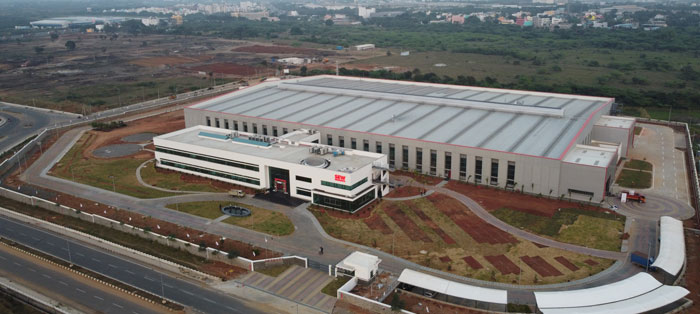
The new facility strengthens SEW-EURODRIVE India’s manufacturing, assembly and service capabilities
SEW-EURODRIVE India has inaugurated a new Drive Technology Centre (DTC) in Chennai, marking a significant expansion of its manufacturing and service infrastructure in South India. The facility is positioned to enhance the company’s responsiveness and long-term support capabilities for customers across southern and eastern regions of the country.
Built across 12.27 acres, the facility includes a 21,350-square-metre assembly and service setup designed to support future industrial growth, evolving application requirements and capacity expansion. The centre reflects the company’s long-term strategy in India, combining global engineering practices with local manufacturing and service capabilities.
The new facility has been developed in line with green building standards and incorporates sustainable features such as natural daylight utilisation, solar power generation and rainwater harvesting systems. The company has also implemented energy-efficient construction and advanced climate control systems that help reduce shopfloor temperatures by up to 3°C, improving production stability, product quality and working conditions.
A key highlight of the centre is the 15,000-square-metre assembly shop, which features digitisation-ready assembly cells based on a single-piece flow manufacturing concept. The facility also houses SEW-EURODRIVE India’s first semi-automated painting booth, aimed at ensuring uniform surface finish and improving production throughput.
With the commissioning of the Chennai Drive Technology Centre, SEW-EURODRIVE India continues to strengthen its manufacturing footprint and reinforces its long-term commitment to supporting industrial growth and automation development in India.
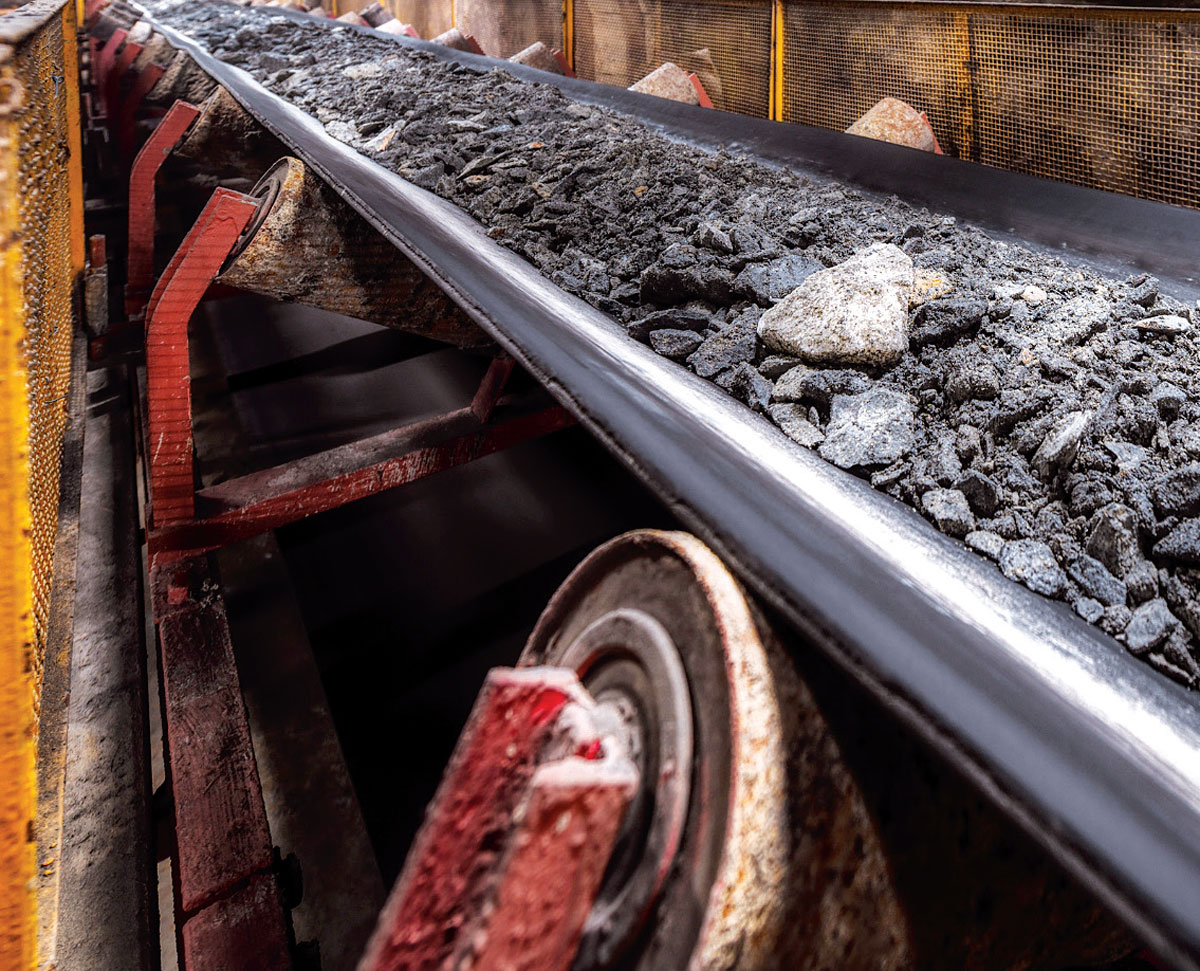
We explore how material handling systems are becoming strategic assets in cement plants, enabling efficient movement of raw materials, clinker and finished cement. Advanced conveying, automation and digital technologies are improving plant productivity while supporting energy efficiency and sustainability goals.
Material handling systems form the operational backbone of cement plants, enabling the efficient movement of raw materials, clinker and finished cement across complex production networks. With India’s cement industry producing over 391 million tonnes of cement in FY2024 and possessing an installed capacity of around 668 mtpa, according to the CRISIL Research Industry Report, 2025, efficient material logistics have become critical to maintaining plant productivity and cost competitiveness. At the same time, cement production is highly energy intensive and contributes around 7 per cent to
8 per cent of global CO2 emissions, making efficient material flow and logistics optimisation essential for reducing operational inefficiencies and emissions states the International Energy Agency Cement Technology Roadmap, 2023. As plants scale capacity and integrate digital technologies, modern material handling systems, ranging from automated conveyors to intelligent stockyards, are increasingly recognised as strategic assets that influence plant stability, energy efficiency and environmental performance.
Strategic role of material handling
Material handling is no longer viewed as a secondary utility within cement plants; it is now recognised as a strategic system that directly influences production efficiency and process stability.
Cement manufacturing involves the continuous movement of large volumes of limestone, clay, additives, clinker and finished cement across multiple production stages. Even minor disruptions in conveying systems or storage infrastructure can lead to kiln feed fluctuations, production delays and significant financial losses. According to Indian Cement Industry Operational Benchmarking Study, 2024, unplanned downtime in large integrated cement plants can cost between Rs.15–20 lakh per hour, highlighting the economic importance of reliable material handling systems.
Modern cement plants are therefore investing in advanced mechanical handling systems designed for high throughput and operational reliability. Large integrated plants can process over 10,000 tonnes per day of clinker, requiring highly efficient conveying systems and automated stockyards to maintain continuous material flow, suggests the International Cement Review Industry Analysis, 2024. Efficient material handling also reduces spillage, minimises dust emissions and improves workplace safety. As cement plants become larger and more technologically advanced, the role of material handling is evolving from simple transport infrastructure to a critical operational system that supports both productivity and sustainability.
From quarry to plant
The transport of raw materials from quarry to processing plant represents one of the most energy-intensive stages of cement production. Traditionally, limestone and other raw materials were transported using diesel-powered trucks, which resulted in high fuel consumption, dust generation and increased operational costs. However, modern plants are increasingly adopting long-distance belt conveyors and pipe conveyors as a more efficient alternative. These systems allow continuous material transport over distances of 10–15 kilometres, significantly reducing fuel consumption and operating costs while improving environmental performance, states the FLSmidth Cement Industry Technology Report, 2024.
Milind Khangan, Marketing Manager, Vertex Market Research & Consulting, says, “Efficient and enclosed handling of fine materials such as cement, fly ash and slag requires modern pneumatic conveying systems. By optimising the air-to-material ratio, these systems can reduce energy consumption by 10 per cent to 15 per cent while ensuring smooth material flow. Closed-loop conveying further minimises dust loading and improves the performance of bag filters, supporting cleaner plant operations. In addition, flow-regulated conveying lines help prevent clogging and maintain reliable dispatch performance. Overall, automation in pneumatic conveying delivers immediate operational benefits, including improved equipment uptime, lower energy use, reduced material spillage and more stable kiln and mill performance.”
Pipe conveyor systems are particularly gaining traction because they provide a completely enclosed transport system that prevents material spillage and dust emissions. According to global cement engineering studies, conveyor-based transport can reduce energy consumption by up to 30 per cent compared to truck haulage, while also improving operational reliability. Several cement plants in India have already implemented such systems to stabilise quarry-to-plant logistics while reducing carbon emissions associated with diesel transport.
Stockyard management and homogenisation
Stockyards play a critical role in maintaining raw material consistency and stabilising kiln feed quality. Modern cement plants use advanced stacker and reclaimer systems to ensure efficient storage and blending of raw materials before they enter the grinding and pyroprocessing stages. Automated stacking methods such as chevron or windrow stacking enable uniform distribution of materials, while bridge-type or portal reclaimers ensure consistent extraction during kiln feed preparation. These systems are essential for maintaining stable chemical composition of raw meal, which directly influences kiln efficiency and clinker quality. The Cement Plant Operations Handbook, 2024 indicates that advanced homogenisation systems can reduce raw mix variability by up to 50 per cent, significantly improving kiln stability and energy efficiency. Integrated stockyard management systems also incorporate sensors for monitoring bulk density, moisture levels and stockpile volumes, enabling real-time control over material blending processes.
Clinker and cement conveying technologies
Once clinker is produced in the kiln, it must be efficiently transported to storage silos and subsequently to grinding and packing units. Modern cement plants rely on high-capacity belt conveyors, bucket elevators and pneumatic conveying systems to manage this stage of material flow. Steel-cord belt bucket elevators are now capable of lifting materials to heights exceeding 120 metres with capacities reaching 1,500 tonnes per hour, making them suitable for large-scale clinker production lines, states the European Cement Engineering Association Technical Paper, 2023.
For fine materials such as cement, fly ash and slag, pneumatic conveying systems provide a reliable and dust-free solution. These systems transport powdered materials using controlled airflow, ensuring enclosed and contamination-free movement between grinding units, silos and packing stations. Optimised pneumatic systems can reduce energy consumption by 10 per cent to 15 per cent compared to older conveying technologies, while also improving plant cleanliness and environmental compliance, according to the Global Cement Technology Review, 2024.
Automation and digitalisation
Digitalisation is transforming material handling systems by introducing real-time monitoring, predictive maintenance and automated control. Advanced sensors and Industrial Internet of Things (IIoT) platforms enable plant operators to track conveyor health, stockpile levels and equipment performance in real time. Predictive maintenance systems analyse vibration patterns, temperature fluctuations and equipment load data to detect potential failures before they occur. According to McKinsey’s Industry 4.0 Manufacturing Report, 2023, for heavy industries, digital monitoring and predictive maintenance technologies can reduce equipment downtime by up to 30 per cent and increase productivity by 10 per cent to 15 per cent. Digital control centres also integrate data from conveyors, stacker reclaimers and dispatch systems, enabling centralised management of material flows from quarry to dispatch.
Handling of AFR
The growing adoption of Alternative Fuels and Raw Materials (AFR) has introduced new challenges and opportunities for material handling systems in cement plants. AFR materials such as refuse-derived fuel (RDF), biomass and industrial waste often have irregular particle sizes, variable moisture content and lower bulk density compared to conventional fuels. As a result, specialised storage, dosing and feeding systems are required to ensure consistent kiln combustion. According to the Cement Sector Decarbonisation Roadmap published by NITI Aayog in 2026, increasing the use of AFR could enable India’s cement sector to achieve thermal substitution rates of around 20 per cent in the coming decades. To support this transition, plants are investing in automated receiving stations, shredding units, drying systems and precision dosing equipment to stabilise AFR supply and combustion performance.
Energy efficiency and dust control
Material handling systems also play a crucial role in improving plant energy efficiency and environmental performance. Modern conveyor systems equipped with variable speed drives and energy-efficient motors can significantly reduce electricity consumption. Permanent magnet motors used in conveyor drives can deliver 8 per cent to 12 per cent energy savings compared to conventional induction motors, improving overall plant energy efficiency according to the IEA Industrial Energy Efficiency Study, 2023. Dust control is another major concern in cement plants, particularly during material transfer and storage operations. Enclosed conveyors, dust extraction systems and advanced bag filters are widely used to minimise particulate emissions and improve workplace safety.
Future trends in material handling
The future of material handling in cement plants will be shaped by automation, digitalisation and sustainability considerations. Emerging technologies such as AI-driven logistics optimisation, autonomous mobile equipment and digital twins are expected to further improve plant efficiency and operational visibility. Digital twin models allow engineers to simulate material flow patterns, optimise stockyard operations and predict equipment performance under different operating conditions. According to the International Energy Agency Digitalisation and Energy Report, 2024, the adoption of advanced digital technologies could improve industrial energy efficiency by up to 20 per cent in heavy industries such as cement manufacturing. As cement plants expand capacity and adopt low-carbon technologies, intelligent material handling systems will play a critical role in maintaining productivity and reducing environmental impact.
Conclusion
Material handling systems have evolved from basic transport infrastructure into strategic operational systems that directly influence plant efficiency, reliability and sustainability. From quarry transport and automated stockyards to digital dispatch platforms and advanced conveying technologies, modern material handling solutions enable cement plants to manage large production volumes while maintaining process stability.
As India’s cement industry continues to expand to meet infrastructure and urban development demands, investments in advanced material handling technologies will become increasingly important. By integrating automation, digital monitoring and energy-efficient systems, cement manufacturers can improve operational performance while supporting the industry’s long-term sustainability and decarbonisation goals.
- Kanika Mathur
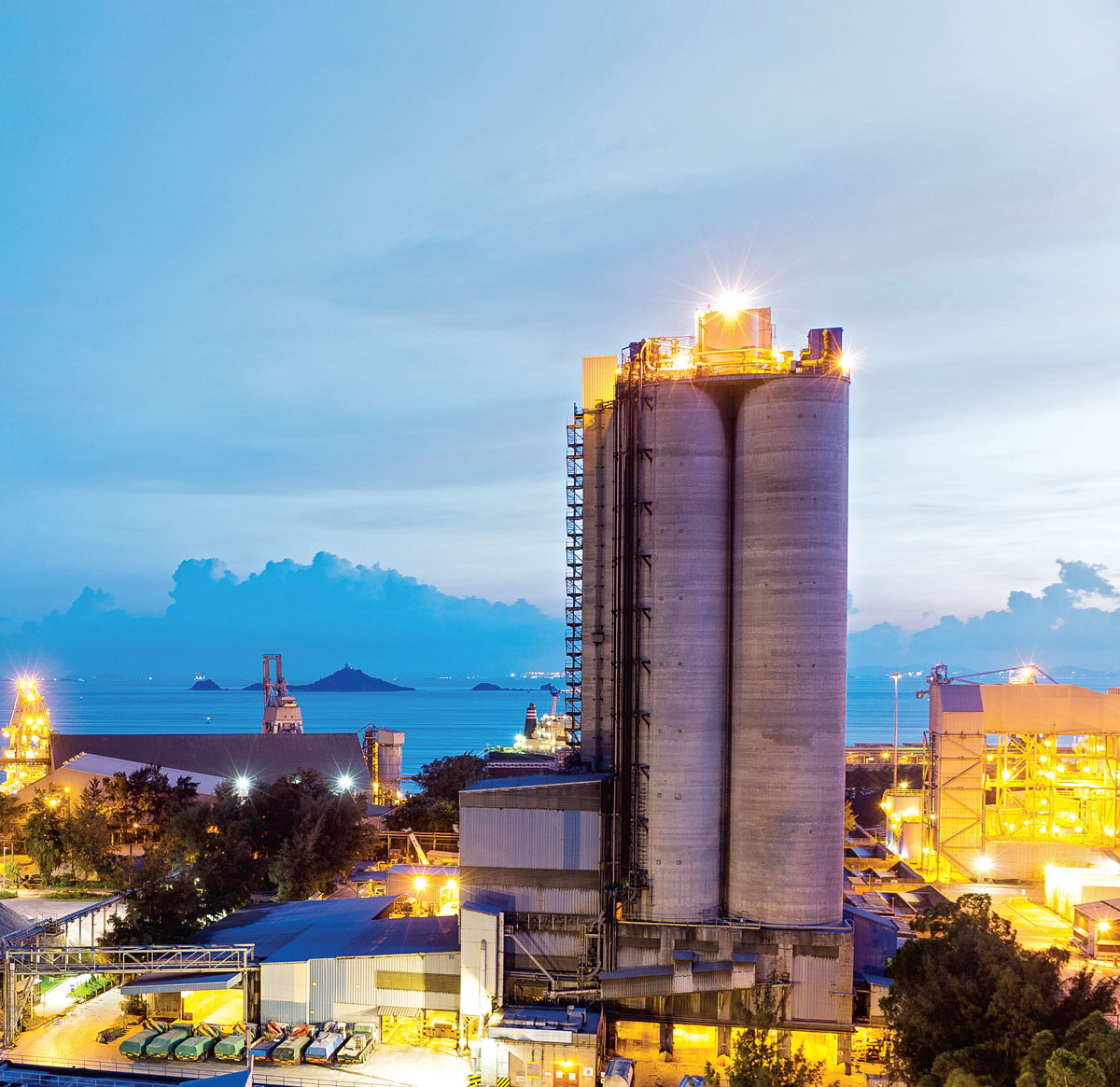
Cement plant modernisation is reshaping the industry through upgrades in
kilns, energy systems, digitalisation, AFR integration and advanced material
handling. We explore these technologies that improve efficiency, reduce
emissions, strengthen competitiveness, while preparing the industry for India’s
next phase of infrastructure growth.
India’s cement industry, the world’s second-largest, is undergoing a rapid transformation driven by infrastructure demand, decarbonisation targets and technological advancement. The sector’s installed capacity stood at approximately 668 million tonnes per annum (mtpa) in FY2025 and is projected to reach 915–925 mtap by 2030, supported by large-scale capacity expansions and infrastructure investment cycles, suggests CRISIL Intelligence Industry Report, 2025. At the same time, cement production remains highly energy intensive and contributes about 6 per cent to 7 per cent of India’s total greenhouse gas emissions, making efficiency improvements and modernisation critical for long-term sustainability as stated in CareEdge ESG Research, 2025. As a result, cement manufacturers are investing in advanced kiln technologies, digital monitoring systems, waste heat recovery, alternative fuels, and modern material handling infrastructure to enhance productivity while aligning with global decarbonisation pathways.
Need for modernisation
The need for plant modernisation is closely linked to the sector’s rapid capacity expansion and rising operational complexity. India’s installed cement capacity has grown significantly in the last decade and is expected to exceed 900 mtpa by 2030, driven by demand from housing, infrastructure and urban development projects, as per the CRISIL Intelligence Industry Report, 2025. However, increasing scale also places pressure on energy efficiency, logistics, and production stability. The report also suggests that the cement plants must upgrade equipment and processes to operate at higher utilisation rates, which are projected to reach 75 per cent to 77 per cent by the end of the decade, compared to around 72 per cent to 74 per cent in FY2026.
Environmental imperatives are another major driver of modernisation. Cement manufacturing is responsible for a significant share of industrial emissions because clinker production requires high-temperature processes that depend heavily on fossil fuels. According to CareEdge ESG research, the cement sector contributes 6–7 per cent of India’s total greenhouse gas emissions, with approximately 97 per cent of emissions arising from direct fuel combustion and process emissions in kilns. Consequently, plant modernisation initiatives now focus not only on productivity improvements but also on reducing emissions intensity, energy consumption, and reliance on conventional fuels.
“One of the most impactful upgrades implemented at Shree Cement in the last five years has been the adoption of advanced data management platforms that provide real-time visibility across major process areas. This digital advancement has strengthened plant automation by enabling faster and more accurate responses to process variations while improving the reliability of control loops. Real-time dashboards, integrated analytics and automated alerts now support quicker, data-driven decision-making, helping optimise kiln and mill performance, improve energy control and detect deviations early. By consolidating data from multiple systems into a unified digital environment, the company has enhanced operational consistency, reduced downtime and improved both productivity and compliance. This shift towards intelligent automation and real-time data management has become a key driver of operational excellence and future-ready plant management,” says Satish Maheshwari, Chief Manufacturing Officer, Shree Cement.
Kiln and pyroprocessing upgradation
The kiln remains the technological heart of cement manufacturing, and modernisation efforts often begin with upgrades to pyroprocessing systems. Many older plants in India operate with four- or five-stage preheaters, while modern plants increasingly adopt six-stage preheater and pre-calciner systems that significantly improve heat efficiency and clinker output. These systems enhance heat transfer, reduce fuel consumption, and stabilise kiln operations under high throughput conditions.
Professor Procyon Mukherjee suggests, “Cement manufacturing is, at its core, a thermal process. The rotary kiln and calciner together account for energy consumption and emissions. The theoretical thermal requirement for clinker production is around 1700–1800 MJ per tonne, yet real-world plants often operate far above this benchmark due to inefficiencies in combustion, heat recovery and material flow. Modernisation, therefore, must begin with the
kiln system, and not peripheral automation or
isolated upgrades. The shift from wet to dry process kilns, combined with multi-stage preheaters and precalciners, has already delivered step-change improvements, making dry kilns nearly 50 per cent more energy efficient.”
Recent investment programmes across the industry have included kiln cooler upgrades, advanced burners, and improved refractory materials designed to increase operational reliability and reduce specific heat consumption. Such upgrades are essential because cement production remains highly energy intensive, and continuous efficiency improvements are required to meet global decarbonisation targets. According to the International Energy Agency (IEA) Cement Tracking Report, 2023, the cement sector must achieve annual emissions intensity reductions of around 4 per cent through 2030 to align with global net-zero scenarios.
Energy efficiency and WHRS
Energy efficiency remains one of the most important areas of modernisation in cement manufacturing, given the sector’s heavy reliance on thermal and electrical energy. Modern plants deploy advanced process controls, efficient grinding systems, and improved combustion technologies to reduce specific energy consumption. The adoption of energy-efficient technologies is particularly important in India, where energy costs account for a large share of production expenses. As demand grows and plants expand capacity, improving energy performance becomes essential to maintain competitiveness.
Waste Heat Recovery Systems (WHRS) have emerged as a key solution for improving plant energy efficiency. During cement production, large volumes of high-temperature gases are released from kilns and coolers. WHRS technology captures this waste heat and converts it into electricity, thereby reducing reliance on external power sources. According to energy benchmarking studies for the Indian cement industry, installed waste heat recovery capacity in the sector has reached approximately 840 MW, with an additional potential of around 500 MW states the Green Business Centre, Energy Benchmarking Report, 2023. Several leading producers have already implemented large WHRS installations; for example, UltraTech Cement has deployed systems with around 121 MW of waste heat recovery capacity, reducing carbon emissions by nearly 0.5 million tonnes annually according to the Energy Alternatives India Case Study, 2024.
Integration of AFR
The integration of Alternative Fuels and Raw Materials (AFR) is another critical dimension of cement plant modernisation. AFR refers to the use of industrial waste, biomass, refuse-derived fuel (RDF), and other non-fossil materials as substitutes for conventional fuels such as coal and petcoke. Increasing the use of AFR helps reduce fossil fuel consumption while simultaneously addressing waste management challenges. According to the NITI Aayog Decarbonisation Roadmap, 2026, scaling the use of RDF and other alternative fuels could enable the sector to achieve thermal substitution rates of around 20 per cent in the coming decades.
However, integrating AFR requires significant plant modifications and operational adjustments. Waste-derived fuels often have inconsistent calorific values, higher moisture content, and heterogeneous physical properties compared to traditional fuels. As a result, modern plants invest in advanced fuel preparation systems, dedicated feeding equipment, and automated dosing technologies to ensure stable kiln operation. These upgrades allow plants to maintain consistent clinker quality while increasing the share of alternative fuels in their energy mix.
Digitalisation and smart plant operations
Digitalisation is rapidly transforming cement plant operations by enabling data-driven decision-making and predictive maintenance. Industry 4.0 technologies such as IoT sensors, artificial intelligence (AI), and advanced analytics are now used to monitor equipment performance, optimise process parameters, and anticipate maintenance requirements. These digital tools enable plant operators to detect early signs of equipment failure, minimise unplanned downtime, and improve operational efficiency. Predictive maintenance systems, for example, analyse vibration, temperature, and acoustic signals from rotating equipment to identify potential faults
before they escalate into major breakdowns. Digital twins and integrated control systems further allow operators to simulate plant performance under different scenarios and optimise production strategies. Such technologies are becoming increasingly important as cement plants operate at larger scales and higher levels of process complexity.
Maheshwari also adds, “Plant modernisation is also increasingly central to the global competitiveness of Indian cement manufacturers. As cost pressures rise across energy, logistics and regulatory compliance, modern plants offer the structural efficiency required to operate reliably and competitively over the long term. Technologies such as AI-driven Advanced Process Control (APC) integrated with real-time data systems are emerging as essential investments for the future. These platforms use predictive algorithms, machine learning and live process inputs to optimise kiln, mill and utility operations with greater precision than traditional control systems. By continuously analysing variations in feed chemistry, temperature profiles, energy demand and equipment behaviour, APC enables stable operations, lower specific energy consumption, reduced emissions and improved product consistency. As regulatory expectations tighten and plants pursue higher efficiency with lower carbon intensity, AI-enabled APC will play a crucial role in strengthening automation, enhancing decision-making and ensuring long-term operational resilience.”
Modern material handling and logistics
Material handling systems play a critical role in ensuring smooth plant operations and efficient logistics. Modern cement plants rely on advanced conveying systems, automated stockyards, and digital dispatch platforms to manage the movement of raw materials, clinker, and finished cement. Long-distance belt conveyors and pipe conveyors are increasingly replacing truck-based transport between quarries and plants, reducing fuel consumption, dust emissions, and operational costs. Automated stacker-reclaimers ensure consistent blending of raw materials,
which improves kiln stability and clinker quality. Meanwhile, advanced packing and dispatch systems equipped with high-speed rotary packers and robotic palletisers enhance throughput and reduce manual labour. These technologies allow cement plants to optimise logistics efficiency while supporting higher production capacities.
Emission control and environmental compliance
Environmental compliance has become a central focus of cement plant modernisation as regulators and investors place greater emphasis on sustainability performance. Modern plants deploy advanced emission control technologies such as high-efficiency bag filters, electrostatic precipitators, and selective non-catalytic reduction systems to reduce particulate matter and nitrogen oxide emissions.
Sine Bogh Skaarup, Vice President, Head of Green Innovation and R&D, Fuller Technologies says, “One of our key focus areas is decarbonisation. We help cement producers reduce CO2 and overall carbon emissions. We offer alternative fuel solutions and calcined clay technologies to enable the production of LC3 cement, which play a significant role in decarbonising the cement industry. By combining alternative fuels and calcined clay solutions, CO2 emissions can be reduced by up to 50 per cent, making this a highly impactful approach for sustainable cement production.”
Continuous emission monitoring systems are increasingly used to track environmental performance in real time and ensure compliance with regulatory standards. In addition to air pollution control, cement companies are also investing in water recycling systems, renewable energy integration, and carbon reduction initiatives. These measures are essential for aligning the sector with national climate goals and improving the environmental footprint of
cement manufacturing.
Economic benefits and future outlook
Beyond environmental and operational advantages, cement plant modernisation also delivers significant economic benefits. Energy efficiency improvements, digital process optimisation, and advanced material handling systems reduce operating costs and improve asset utilisation. Waste heat recovery and alternative fuels help lower fuel expenditure and reduce exposure to volatile fossil fuel markets. As the industry expands capacity to meet growing demand, modernised plants are better positioned to achieve higher productivity and maintain profitability. The long-term outlook for the sector remains positive, with India expected to continue large-scale infrastructure investments in roads, housing, railways, and urban development.
Milan R Trivedi, Vice President – Projects, Prod & QC, MR, Shree Digvijay Cement, says, “The main focus in case of modernisation projects drives through the investment decision, which is mainly based on IRR and impact on overall efficiency improvement, cost optimisation and improvement in reliability. However, there are certain modernisation, which has high impact on environmental impact, statutory requirements, etc. has higher priority irrespective of ROI or payback period.”
“The energy efficiency and reliability investment projects generally provide fast return on investment whereas strategic, digitalisation and environmental investment projects provide long term and compounded benefits. Typical modernisation investment projects are decided with IRR of about > 20 per cent, payback period of typically 2-3 years for fast-track projects,” he adds.
In this context, modernisation will remain a key strategic priority for cement manufacturers seeking to maintain competitiveness in an increasingly sustainability-focused market.
Conclusion
The modernisation of cement plants is no longer a purely technical upgrade but a strategic transformation that reshapes how the industry operates. As India’s cement sector expands capacity toward the next growth cycle, improvements in energy efficiency, digitalisation, alternative fuels and advanced logistics will determine the competitiveness of individual plants. Modern technologies allow producers to operate at higher productivity levels while simultaneously reducing energy consumption and emissions intensity.
Looking ahead, the pace of technological adoption will play a decisive role in shaping the future of
the cement industry. Companies that successfully integrate modern equipment, digital systems, and sustainable production practices will be better positioned to meet rising infrastructure demand while aligning with global climate commitments. In this evolving landscape, plant modernisation stands as the cornerstone of both operational excellence and environmental responsibility.
- Kanika Mathur


Ultra Concrete Age

NCB Signs MoU With Cement Manufacturer To Boost Construction Skills

JSW Cement Commissions Nagaur Plant, Enters North India

Cement Prices Likely To Rise As Petcoke Costs Increase

IIT Guwahati Develops Radiation-Resistant Cement Mortar
Ultra Concrete Age
NCB Signs MoU With Cement Manufacturer To Boost Construction Skills
JSW Cement Commissions Nagaur Plant, Enters North India
Cement Prices Likely To Rise As Petcoke Costs Increase