Connect with us

Concrete

GST 2.0: Strengthening the Cement Sector

Published

on

Shares

The reduction of GST on cement from 28 per cent to 18 per cent marks a landmark correction in India’s tax regime. This reform promises lower construction costs, greater housing affordability and stronger momentum for infrastructure development.

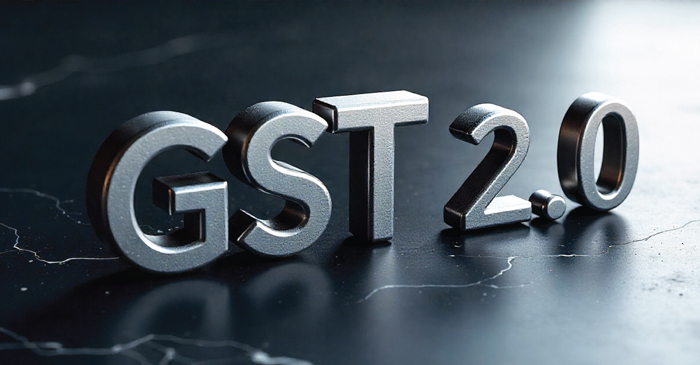
In a major structural reform, the GST Council has slashed the tax rate on cement from 28 per cent to 18 per cent, aligning it with other core construction materials. This long-overdue move corrects a tax anomaly, as cement had been taxed significantly higher than steel, bricks, and other inputs. The tax reform is part of India’s broader ‘GST 2.0’ framework, simplifying the slab structure to just two tiers—5 per cent for essentials and 18 per cent for most goods and services.
According to analysts at Yes Securities, the industry will likely pass on most of the savings to end-users, moderating any immediate spike in profit margins.
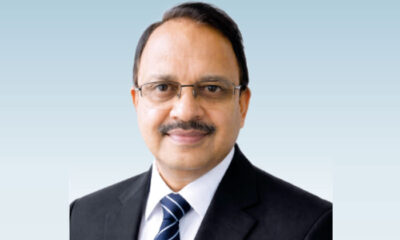
Dharmender Tuteja, CFO, Dalmia Bharat, says, “The reduction of GST rates for goods and services of mass consumption and particularly on cement from 28 per cent to 18 per cent is a very positive step, both for consumers and industry. It will set in motion a virtuous cycle of creating higher purchasing power in the hands of wider cross section of population leading to higher consumption of goods and services and GDP growth in the economy leading to higher demand for cement also. Reduced prices of cement and higher purchasing power specially increase the affordability of housing for middle and lower-income groups spurring the demand for cement. Reduced prices also improve affordability of premium categories of cement leading to likely shift of demand towards these categories. Dalmia Bharat welcomes this move and will meet the expected rise and shift in cement demand responsibly and sustainably.”
The reduction translates to meaningful savings of around Rs.25–Rs.30 per 50 kg bag of cement—equating to lower construction costs for developers and faster affordability for homebuyers. According to the Economic Times, this input cost drop is expected to translate to overall construction cost reductions of approximately 3 per cent to 5 per cent, which could bring down affordable housing prices by 2 per cent to 4 per cent. As a result, developers in this segment may reinvigorate projects and boost demand.
While long-term gains are apparent, cement manufacturers may experience short-term margin pressures. A news report noted that companies are expected to aggressively pass on the GST cut benefits, limiting immediate pricing flexibility. Concurrently, stock prices of major cement players surged—Ambuja Cements and ACC saw gains up to 4 per cent, reflecting positive investor sentiment toward this development.
Vivek Bhatia, Managing Director and CEO, TKIL Industries, says, “The 56th GST Council reforms are a forward-looking step towards Viksit Bharat! We welcome the initiative to place more purchasing power in the hands of consumers which will certainly accelerate broad-based economic growth! At a time of global uncertainty, the reforms provide a welcome boost to clean energy and industrial transition. The cut in GST on cement from 28 per cent to 18 per cent will speed up infrastructure development and make adding capacity more appealing. Cutting GST on renewable devices and fuel-cell vehicles aligns India with its decarbonisation strategy. It gives manufacturers a better case for boosting sustainable solutions. From the perspective of TKIL Industries, these reforms will go far beyond just the tax reduction that will be immediate, but will provide a big positive push, reinforcing our position as the fastest growing leading economy, fast track our growth to becoming the third largest economy, accelerate Make in Bharat, promoting cleaner technology, positioning Bharat as a global leader in the energy transition. Our congratulations and appreciation to Central and State Government leaders for taking this bold and welcome step!”
Lower cement prices are poised to create demand ripples across related sectors such as paints, fittings, and interiors. Another news report highlighted that reduced building costs may increase disposable income, encouraging homeowners to invest in premium finishes and accessories. This, in turn, could bolster sales in downstream industries and help stimulate broader construction-related economic activity.
“India’s historic GST reform is poised to drive stronger execution momentum across the infrastructure sector. The reduction in GST on cement is expected to unlock working capital, improve cash flow efficiency and accelerate project delivery timelines. In parallel, lower GST rates on various consumer-facing categories are likely to boost consumption, creating a more favourable environment for sustained economic activity. This, coupled with the ongoing infrastructure push, is expected to catalyse private sector capex, adding further depth to the investment cycle. A timely and progressive reform that aligns with KEC’s focus on faster execution, operational excellence, and balance sheet strengthening—reinforcing India’s infrastructure growth story,” says Vimal Kejriwal, Managing Director and CEO, KEC International.
Despite enhanced affordability and potential demand revival, near-term demand may remain inelastic due to seasonal factors and supply-side bottlenecks, such as labour shortages and sand mining constraints. Yes Securities has projected that meaningful demand pickup may materialise post-festive season, likely in the December quarter. Therefore, while the GST cut offers a significant structural lever for growth, sustained industry recovery may depend on complementary policies and market conditions.


Concrete

World Cement Association Annual Conference 2026 in Bangkok

Global leaders to focus on decarbonisation and digitisation

Published

on

By

Shares

The World Cement Association (WCA) will host its 2026 Annual Conference from 19–21 April 2026 at The Athenee Hotel in Bangkok, Thailand. The two-day programme will convene global cement industry leaders, policymakers, technology providers and stakeholders to examine strategic, operational and sustainability challenges shaping the sector’s next phase of transformation. The conference theme of shaping a sustainable future through digitisation, innovation and performance will frame sessions and networking opportunities across the event.\n\nThe programme will open with a comprehensive assessment of the global economic environment and its impact on cement markets, alongside regional outlooks across Asia and Europe. Speakers will address regulatory developments including carbon border adjustment mechanisms (CBAM) in Europe, progress in China’s carbon trading system and market dynamics in Thailand and South East Asia, and will outline practical decarbonisation pathways such as alternative fuels, next-generation supplementary cementitious materials (SCMs) and calcined clay developments. Sessions will also examine AI-enabled kiln optimisation and other digital approaches to improve plant performance.\n\nDay two will focus on overcapacity challenges and industry restructuring, using case studies and regional perspectives to provide delegates with practical insights into unlocking performance while accelerating decarbonisation. Discussions will explore digital maturity and AI-driven plant operations, manufacturing optimisation, sustainable building solutions and circular concrete models, together with evolving customer requirements across the construction value chain. The event will include the WCA Awards Ceremony at the Awards Gala Dinner on 20 April to recognise excellence in sustainability, innovation, safety and leadership.\n\nPhilippe Richart, chief executive officer of the WCA, said the sector was navigating a period of profound transformation, from managing overcapacity and market volatility to deploying AI and delivering measurable decarbonisation, and that the Annual Conference would bring global leaders together to exchange practical solutions and strengthen collaboration. Registration is open and tickets include admission to the two-day event, all sessions, refreshments and lunch, exhibition access and the Awards Gala Dinner. Further information on the programme is available via the WCA Annual Conference 2026 event page and queries on sponsorship or exhibition may be directed to events@worldcementassociation.org.

Continue Reading

Concrete

Assam Chief Minister Opens Star Cement Plant In Cachar

New plant aims to boost local industry and supply chains

Published

on

By

Shares

Chief Minister Himanta Biswa Sarma inaugurated the Star Cement plant in Cachar on 28 February 2026, marking the opening of a manufacturing facility designed to serve the region. The event was attended by state officials and company representatives, and it was reported with inputs from ANI. The plant is positioned as a strategic addition to the industrial landscape of southern Assam and is expected to improve the availability of construction materials for local projects.

The establishment is expected to generate employment opportunities and to stimulate ancillary businesses in the supply chain, including transport and local vendors. State officials indicated that the plant will enhance logistical efficiency by reducing the need to transport cement over long distances, which may lower construction costs for public and private projects. Observers said the presence of a regional cement facility can support housing and infrastructure initiatives that are underway or planned.

Government representatives reiterated that the state seeks to attract responsible investment that complements regional priorities and that the administration will continue to facilitate infrastructure and connectivity to support industrial operations. The inauguration was presented as consistent with broader efforts to diversify the industrial base in the northeast and to create an enabling environment for small and medium enterprises that supply goods and services to larger manufacturers.

Company sources and the state leadership underlined the importance of maintaining environmental safeguards while pursuing industrial growth, and they signalled that compliance with applicable norms will be a priority at the new facility. The announcement was framed as a step towards balanced development that links job creation, regional supply chains and local economic resilience. The report was prepared by the TNM Bureau with inputs from ANI.

Continue Reading

Concrete

Adani Cement, NAREDCO Form Strategic Alliance

 Partnership to advance skills and sustainable construction

Published

on

By

Shares
Adani Cement has entered into a strategic partnership with the National Real Estate Development Council (NAREDCO) to support India’s expanding housing and infrastructure requirements aligned with the vision of Viksit Bharat 2047.
The collaboration brings together Adani Cement’s building materials portfolio, research capabilities and technical expertise with NAREDCO’s network of over 15,000 member organisations. The partnership will focus on skill development, knowledge exchange, technology adoption and sustainable construction practices across the real estate ecosystem.
Joint initiatives will include certification programmes for masons and contractors, along with training modules for site supervisors from NAREDCO member organisations to strengthen execution standards and quality control. The partners will also promote modern construction technologies, green materials and integrated building solutions, including ready-mix concrete, while exploring support for affordable housing.
Vinod Bahety, CEO – Cement Business, Adani Group, said, “This partnership reflects a shared commitment to nation-building and to creating an ecosystem where quality, innovation, and sustainability are integral to every project. By working closely with NAREDCO, we aim to equip developers with advanced materials, deeper technical support, and structured knowledge platforms that can improve performance across the entire project lifecycle.”
Dr. Niranjan Hiranandani, Chairman, NAREDCO, stated that the association aims to encourage responsible construction practices and promote adoption of green building norms across expanding urban centres.

Continue Reading

Trending News

SUBSCRIBE TO THE NEWSLETTER


Don't miss out on valuable insights and opportunities to connect with like minded professionals.


    This will close in 0 seconds