Sustainable mining is no longer optional but a business imperative. Ramesh Kumar Ajmera, Founder and Director, Balaji PrimeSteel, discusses the innovation, collaboration and accountability that is shaping a low-carbon, circular future.
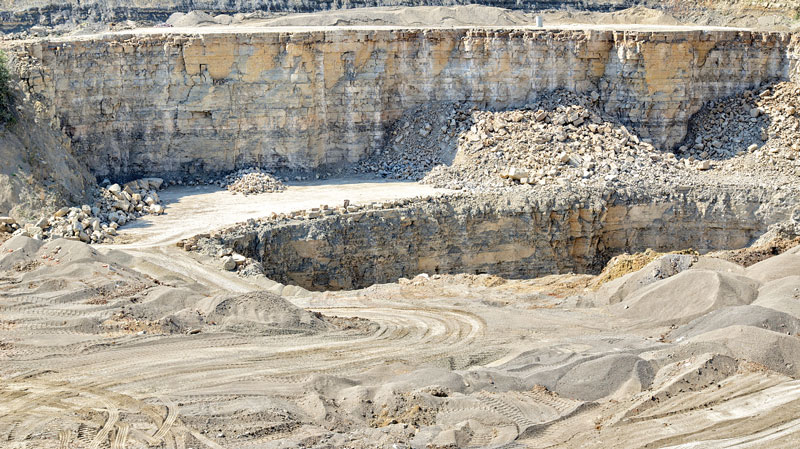
The mining sector stands at a crossroads, facing unprecedented pressure to balance economic growth with environmental stewardship and social responsibility. Rising regulatory oversight, climate commitments, and demand for ethically sourced minerals are compelling companies to rethink traditional practices. At the same time, technological innovations, cross-industry collaboration and circular economy strategies are unlocking opportunities to reduce waste, lower emissions, and enhance resource efficiency. From smarter exploration to renewable-powered operations and post-mining land rehabilitation, the industry is beginning to chart a path toward sustainability.
Good mining practices
Regulatory pressure and public scrutiny: Governments are tightening environmental regulations (water, air, land), mine-closure obligations, ecosystem/forest protection. At the same time, civil society, Indigenous rights groups, and consumers demand more accountability over environmental, social, and governance (ESG) factors.
Climate change and decarbonisation goals: Many countries and companies have net-zero or equivalent targets. Mining is energy-intensive, so reducing emissions (Scope 1, 2, and even 3) is a big motivator for using cleaner energy, more efficient machines, better logistics.
Cost pressures and efficiency: Rising fuel, energy, water costs make inefficiencies expensive. Better resource utilisation, less waste, more automation, etc., often pay off financially.
Demand for ethical / traceable supply chains: Consumers, downstream manufacturers want metals and minerals that are responsibly mined (minimal environmental damage, fair labour practices). Certifications, traceability, and even premiums for greener metals are emerging.
Technological advances: Making sustainable options more feasible innovations in mining tech, data analytics, remote sensing etc.
If things go well, sustainable mining would have many of these features:
Full lifecycle planning from exploration , extraction , processing , closure and reclamation, with financial provisions and community/ ecosystem involvement built in from the start.
Minimal disturbance of ecosystems, protection of biodiversity and water resources. Wherever possible, reduced land footprint, or phased disturbance + restoration.
Energy for mining operations largely from renewable / low-carbon sources; fully electric fleets;
low emissions in all stages including transport and processing.
Zero or minimal water withdrawal from fresh sources; high reuse and recycling; careful treatment of wastewater.
Waste (tailings, overburden etc.) managed safely; turned into useful by-products where possible; stable tailings storage; minimal leakage / runoff.
Transparent operations, good traceability for materials; strong community engagement and fair compensation / benefit sharing; compliance with ESG / social standards.
Innovation in circularity: reuse / recycle secondary materials; use of bio- and phytomining potentially; extracting critical minerals from waste streams.
Challenges for resource-efficient mining
Making mining both resource-efficient and eco-friendly is hindered by interconnected technical, economic, environmental, social and systemic challenges. Technically, declining ore grades require processing larger volumes, which raises energy, water and waste demands. Mining processes remain highly energy-intensive, water scarcity is common in mineral-rich but drought-prone regions, and safe waste disposal through tailings dams is costly and risky. Smaller operators often lack access to automation, artificial intelligence (AI) or waste-recovery technologies, resulting in inefficiency and pollution.
Financially, high capital costs for green technologies, slow ROI, and mineral price volatility make sustainability difficult. Limited subsidies or tax breaks mean eco-friendly methods are more expensive than traditional practices, while compliance with ESG standards and permits adds to costs, discouraging smaller players.
Environmentally, mining causes biodiversity loss, habitat destruction and pollution from dust, effluents, and acid mine drainage. Socially, land acquisition, displacement, indigenous rights and weak governance often spark conflict, while illegal mining and skill shortages hamper progress.
Systemic barriers include poor supply chain traceability, surging demand for critical minerals, and government pressure to prioritise GDP growth over ecological protection. Above all, short-term profit goals outweigh long-term sustainability, slowing transformation across the industry.
Steel and cement collaboration
The steel and cement industries, bound together by raw material needs, energy consumption and waste generation, have immense potential to collaborate on sustainable mining practices and build a circular economy. Both sectors face shared challenges high demand for iron ore, limestone and coal that disturbs land, water-intensive processes that strain local resources, and vast waste streams like slag, fly ash and kiln dust. Instead of operating in silos, they can co-develop integrated mining corridors where iron ore and limestone are extracted side by side, sharing haul roads, beneficiation plants and logistics to minimise environmental footprint and costs.
Waste from one industry can become a valuable resource for the other: blast furnace slag and steel slag feed into cement production, while kiln dust, limestone fines and fly ash can be reused in steelmaking. Joint water treatment and recycling systems, including zero-liquid discharge plants, can cut freshwater withdrawals, while shared renewable energy farms and green logistics like slurry pipelines or electric fleets can drastically lower carbon emissions. Beyond operations, the two industries can pool resources for unified mine rehabilitation, biodiversity restoration and livelihood creation in post-mining zones. With government incentives, industry associations and research support, such collaboration not only
reduces costs and emissions but also enhances community goodwill and accelerates the shift toward responsible growth.
Technology and environmental footprint
Technology has become the backbone of sustainable mining, reshaping how resources are discovered, extracted, processed, and rehabilitated, while drastically reducing the industry s environmental footprint. Smarter exploration tools like satellite imaging, drones and geochemical sensors allow companies to pinpoint rich deposits without disturbing vast tracts of land. Once operations begin, automation and digital mining through autonomous trucks, AI fleet management, and IoT monitoring boost efficiency, cut fuel use and improve compliance with environmental norms. The transition to clean energy is also accelerating, with solar and wind microgrids powering remote mines, while electric and hydrogen-powered fleets phase out diesel.
Water, one of mining s most critical resources, is being conserved through closed-loop recycling, advanced filtration and dry tailings processing, minimising both consumption and pollution. Meanwhile, waste is no longer just a liability: tailings can be dry stacked and reused in construction, steel slag and fly ash are fed into cement production, and bioleaching extracts residual metals from mine waste. Real-time monitoring with IoT sensors, geographic information system (GIS) and blockchain ensures transparency, ethical sourcing, and early detection of violations. Even post-closure, drones, bioremediation and digital land planning support ecological restoration. While high costs and skill gaps slow adoption, technology ultimately acts as both shield and sword reducing harm while driving efficiency and profitability in mining s low-carbon future.
Conclusion
A truly responsible mining ecosystem over the next decade will be one where the extraction of raw materials coexists with ecological restoration, community empowerment, and alignment with global climate goals. By 2035, mining could look radically different driven by renewable-powered operations, circular resource use and digital transparency. Mines would run on solar, wind, and green hydrogen, with electric and hydrogen haul fleets replacing diesel and zero-liquid discharge systems recycling every drop of water. Waste would no longer pile up as a liability; tailings could be repurposed into construction material, slag redirected into cement, and e-waste mined for critical minerals, ensuring that less than five per cent of outputs remain unrecoverable.
Technology would anchor this transformation: AI and digital twins guiding mine design, drones and automation improving precision, and blockchain ensuring full traceability of minerals from pit to product. Communities, once displaced or sidelined, would become co-owners sharing revenues, participating in land restoration and gaining jobs in forestry, renewables and green-tech hubs. Post-mining lands could be reborn as solar parks, aquaculture sites or eco-tourism destinations. With strong ESG regulations, global trade standards and cross-industry collaboration, mining could shift from being seen as destructive to regenerative. In this vision, mining doesn t just extract it gives back, creating net-positive outcomes for people, planet and industry alike.
About the author:
Ramesh Kumaar Ajmera, Founder and Director, Balaji Prime Steels, is a seasoned metallurgical engineer and MBA with global leadership experience at JSW Steel, JSPL, and Ispat-Mittal.




















 Concrete4 weeks ago
 Concrete3 weeks ago
 Concrete2 weeks ago
 Concrete4 weeks ago