Connect with us

Economy & Market

We have invested in renewable energy projects

Published

on

Shares

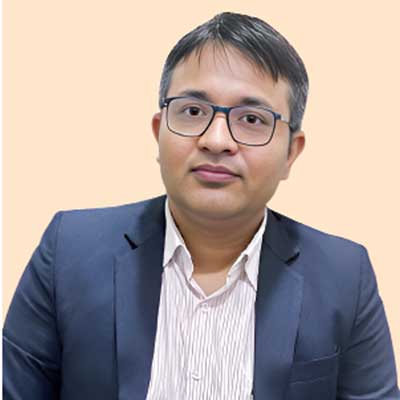
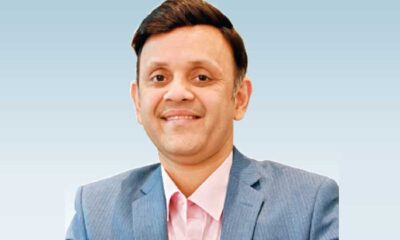
Rajesh Kumar Nayma, Associate General Manager – Environment and Sustainability, Wonder Cement, in conversation with Kanika Mathur about CCUS technology.

Wonder Cement Limited (WCL), a leading player in the cement industry, is committed to sustainable practices and innovation in its operations. Rajesh Kumar Nayma, Associate General Manager – Environment and Sustainability at WCL, shares insights into the company’s efforts to integrate Carbon Capture, Utilisation, and Storage (CCUS) technology to combat climate change. Through advanced processes and renewable energy initiatives, WCL is paving the way for a greener cement industry.

How is your company incorporating CCUS technology into its operations to promote sustainability?
To combat climate change and achieve Net Zero emissions by 2060, Carbon Capture, Utilisation, and Storage (CCUS) technology will play a pivotal role. Wonder Cement Limited (WCL) is actively collaborating with various technology providers to support this journey. Efforts include segregating greenhouse gas (GHG) emissions from stacks, implementing oxy-fuel technology, electrifying kilns, utilising 100 per cent solar energy within plants, and eliminating fossil fuel consumption.
WCL has conducted a comprehensive GHG inventory aligned with India’s COP26 commitments, aiming to achieve net-zero emissions. Technological innovations such as the installation of a 45 MW Waste Heat Recovery System (WHRS) and an additional 15 MW WHRB have been key milestones. These systems capture excess heat from production processes, converting it into energy and reducing carbon footprints. The company has also introduced advanced burner technology to lower NOx emissions and optimise energy consumption. Currently, WCL achieves less than 47 KWh/tonne of clinker and an SEC of less than 685 Kcal/kg of clinker—benchmarks among the best in the cement industry. These achievements reflect the company’s dedication to lowering environmental footprints through technological enhancements.

What challenges do you face in implementing CCUS in the cement manufacturing process, and how do you address them sustainably?
For India, CCUS is still an emerging concept. While some European companies have successfully implemented CCUS, the associated costs in the Indian context are currently prohibitive, approximately 2.5 to 3 times the cost of a cement plant. This makes large-scale implementation challenging. Some of the key challenges are:

  • High project costs: The cost of implementing CCUS is 2-3 times higher than the cost of a cement plant.
  • Energy-intensive operations: Operating CCUS facilities can double energy consumption, increasing operational expenses.
  • Space requirements: CCUS infrastructure demands substantial space.
  • Storage accessibility: Many Indian plants are located inland, far from oceans, complicating carbon storage options.

WCL is advocating for further research to optimise the utilisation of captured carbon, which could lower project and operational costs over time. The company is committed to exploring CCUS feasibility for its future projects and collaborating with technology providers to address these challenges sustainably.

How do you see CCUS contributing to achieving net-zero emissions?
CCUS is indispensable for achieving Net Zero emissions in the cement industry. Even with 100 per cent electrification of kilns and renewable energy utilisation, CO2 emissions from limestone calcination—a key raw material—remain unavoidable. The cement industry is a major contributor to GHG emissions, making CCUS critical for sustainability.
Integrating CCUS into plant operations ensures significant reductions in carbon emissions, supporting the industry’s Net Zero goals. This transformative technology will also play a vital role in combating climate change and aligning with global sustainability standards.

Any specific investments or partnerships made in CCUS research or deployment to support sustainable practices?
WCL has implemented several innovative technologies and process optimisations to minimise GHG emissions. Key initiatives include:

  • Installation of WHRS and maximising renewable energy usage.
  • Exploring the production of lower clinker cements such as LC3 and PLC, alongside increasing the share of blended cement like PPC.
  • Engaging with consultants and technology providers to develop a comprehensive Net Zero and ESG roadmap.

Any success stories or pilot projects involving CCUS that have significantly impacted your sustainability goals?
We have invested in renewable energy projects to significantly reduce its carbon footprint. Key examples include:

  • Solar power installations at Nimbahera Integrated Plant and Jhajjar Grinding Unit.
  • 15 MW windmills at Pratapgarh.
  • Renewable Power Purchase Agreements for grinding units in Aligarh, Uttar Pradesh, and Dhule, Maharashtra, replacing 50 to 60 per cent of energy demand from the grid and reducing GHG emissions.

The company is actively exploring CCUS installation for upcoming projects, assessing its viability in the Indian context.

Beyond CCUS, what other sustainable practices or innovations is your company implementing to reduce its environmental footprint?
WCL’s sustainability initiatives include:

Energy efficiency: Installing Variable Frequency Drives (VFDs), optimising differential pressures across bag filters, and enhancing kiln operations.

  • 3R principles: Emphasising reduce, reuse and recycle to optimise resource utilisation and waste management.
    Waste co-processing: Utilising over 50,000 tonnes of RDF/plastic waste and ensuring proper disposal of hazardous waste like used oil and lead-acid batteries.
  • Alternative raw materials: Substituting natural resources with industrial by-products like red mud, chemical gypsum and ETP sludge.
  • Plastic waste management: Increasing recycled content in PP bags and achieving Extended Producer Responsibility (EPR) targets.
  • Carbon sequestration: Planting over 250,000 trees, sequestering 5,000-10,000 tonnes of CO2 annually.
  • Water conservation: Operating as a water-positive organisation, with a focus on rainwater harvesting and groundwater recharge.

How do you balance the cost challenges of CCUS with your commitment to sustainable development?
WCL prioritises environmental stewardship alongside financial sustainability. While CCUS implementation involves high costs, WCL sees opportunities in mechanisms such as Carbon Border Adjustment Mechanism (CBAM), carbon trading, and Renewable Energy Certificate (REC) trading. These avenues provide financial incentives to offset the initial investment in green technologies.


Concrete

Wonder Cement appoints Mahesh Singh as VP Corporate Brand Communication 

Published

on

By

Shares

Singh brings 20+ years of brand and marketing experience, and will lead integrated corporate brand communication initiatives at Wonder Cement 

New Delhi

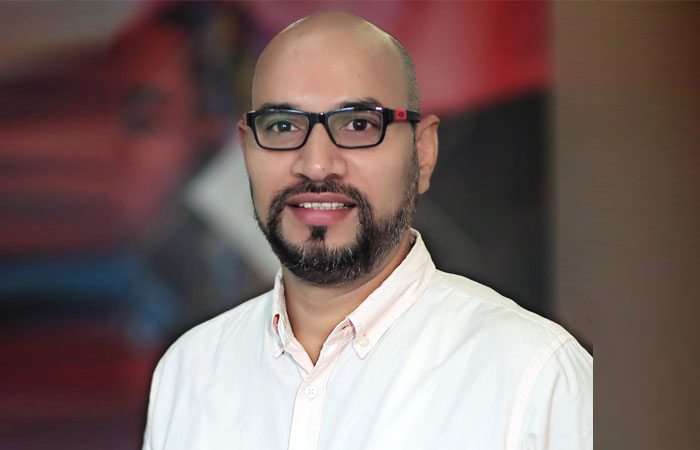
Wonder Cement, a leading cement manufacturer, has appointed Mahesh Singh as Vice President – Corporate Brand Communication. In his new role, he will oversee corporate brand strategy and communication, including digital and performance marketing, public relations, trade, events, exhibitions, sports and experiential marketing. 

Singh brings over two decades of experience across marketing and communications, with roles spanning the automotive industry, agencies and entrepreneurship. He spent more than a decade with Honda Motorcycle & Scooter India, working across integrated communication, media, digital, retail and consumer engagement. His stint also included helping build the company’s digital marketing capabilities. 

He moved to dentsu X India as Vice President – Strategy & Planning, working across categories such as automotive, auto components, electric vehicles, FMCG, consumer electronics, BFSI, apparel and brand consulting. His responsibilities included media and marketing strategy, product launches, content, performance marketing and consumer activations. 

Singh subsequently took an entrepreneurial route with Radiant Brands before joining Shriram Ltd (SPR Autotech) as Head – Marketing & Communications. There, his remit included brand and corporate strategy, communications, PR and ORM, retail identity, loyalty programmes and events. 

At Wonder Cement, Singh will be responsible for bringing together the company’s corporate brand communication initiatives across digital, performance marketing, PR, trade, sports and experiential platforms. The role will focus on creating an integrated approach to communication across consumers, trade partners and other key stakeholders. 

The appointment brings to Wonder Cement a marketer whose career has spanned the brand, agency and entrepreneurial sides of the communications ecosystem. 

Wonder Cement, part of the RK Group, is a cement manufacturer with roots in Rajasthan and a focus on quality, trust and transparency. The company has grown to six manufacturing plants, and a cement capacity of 21.5 MTPA. With more than 2,000 employees and a network of over 5,000 dealers, its operations span manufacturing, distribution and customer engagement, with a focus on consistent product quality and efficient execution. 

Continue Reading

Concrete

JSW Cement commissions additional 1 MTPA grinding unit at Nagaur

Published

on

By

Shares

With this commissioning, JSW Cement’s total cement grinding capacity has increased to 25.10 MTPA, 
Mumbai

JSW Cement, one of India’s leading green cement producers and part of the diversified JSW Group, today announced the successful commissioning of an additional 1.00 MTPA cement grinding unit at Nagaur, Rajasthan. The commissioning marks another significant milestone in the Company’s growth strategy.

With this commissioning, JSW Cement’s total cement grinding capacity has increased to 25.10 MTPA, while its total clinker manufacturing capacity, including clinker capacity at its joint venture, JSW Cement FZC, stands at 9.74 MTPA.

JSW Cement had commenced operations in North India in March 2026 with the Nagaur Integrated Plant, comprising a 3.30 MTPA clinkerisation unit and 2.50 MTPA cement grinding unit. With the commissioning of the additional 1.00 MTPA cement grinding unit, the plant’s total cement grinding capacity has increased to 3.50 MTPA, enhancing the company’s ability to cater to the growing cement demand across Rajasthan, Haryana, Punjab and the National Capital Region (NCR). The expansion has been funded through a strategic mix of equity and long-term debt.

During the quarter ended 30th September 2026, JSW Cement has also commissioned the Alternate Fuel Handling System and the Waste Heat Recovery system (WHRS) at the Nagaur Integrated Plant.

Nilesh Narwekar, CEO, JSW Cement, said: “The commissioning of additional 1.00 MTPA grinding capacity at Nagaur is a key strategic priority for us and will accelerate JSW Cement’s expansion into North India. We look forward to servicing the growing needs of the region and contributing to the economic growth of Rajasthan, Haryana, Punjab and the NCR area. I am delighted to share that the company has commissioned this grinding unit within the expected timeline, showcasing our project execution capabilities. Further, the Alternate Fuel Handling System and the Waste Heat Recovery system (WHRS) are expected to substantially reduce our production costs going forward.”

Continue Reading

Concrete

UltraTech becomes first Indian cement firm to cross 2 GW green energy

Published

on

By

Shares

UltraTech Cement has crossed 2 GW of captive green energy capacity, with renewables and waste heat recovery meeting 48 per cent of its power needs.

Mumbai

UltraTech Cement Limited has surpassed 2 GW of installed green energy capacity for captive use, becoming the first cement company in India to achieve the milestone. The Aditya Birla Group company commissioned 116.55 MW of wind capacity at its Inter-State Transmission System-connected wind-solar hybrid project in Barmer, Rajasthan, along with 10 MW of Waste Heat Recovery System capacity at Sarlanagar Cement Works in Karnataka.

With these additions, UltraTech’s cumulative installed green energy capacity has reached 2,024 MW. This includes 1,580 MW of renewable energy capacity and 444 MW of waste heat recovery capacity, together meeting around 48 per cent of the company’s current power requirements.

The company said the milestone reflects the progress of its long-term energy transition strategy. In FY27 so far, nearly one-third of UltraTech’s 76 manufacturing units in India have maintained green energy utilisation above 50 per cent of their electricity requirements, while five units have crossed 95 per cent.

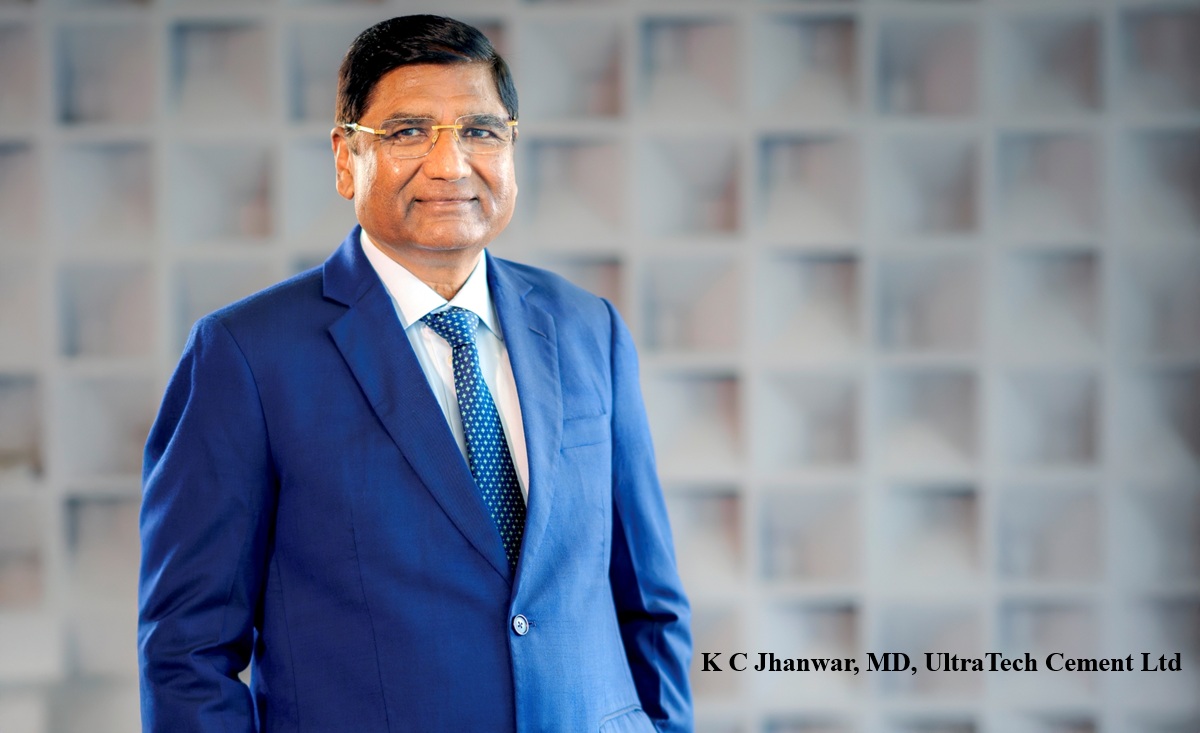
K C Jhanwar, Managing Director, UltraTech Cement Limited, said, “Crossing the 2 GW green energy milestone is the result of a strategy we have pursued consistently over the past decade. Cement is an energy-intensive, hard-to-abate sector, and showing that reliability and growth can go hand in hand with a rapid shift to green energy sets a benchmark for the industry. With nearly half of our power needs now met through green energy, we are significantly less exposed to fossil fuel supply constraints and power price volatility. As we scale up renewables, waste heat recovery and battery storage across our operations, we are building an energy foundation for stable, long-term growth.”

UltraTech commissioned 430 MW of green energy capacity in FY26 and continues to expand its renewable energy and waste heat recovery portfolio.

The company is also progressively integrating Battery Energy Storage Systems across its operations to improve renewable energy utilisation and supply reliability.

In 2025, UltraTech operationalised what it described as India’s first on-site hybrid round-the-clock renewable energy project at Sewagram Cement Works in Gujarat. The project combines solar, wind and battery storage.

As part of its decarbonisation strategy, UltraTech said it has not invested in new captive thermal power capacity for either greenfield projects or brownfield expansions at its integrated units for more than a decade.

The company said its expanding green energy portfolio is helping reduce dependence on conventional grid electricity and fossil fuel-based power, while lowering exposure to fluctuations in coal and electricity prices.

UltraTech aims to increase green energy’s share in its total power mix to 85 per cent by 2030. As a member of RE100, it has also committed to meeting 100 per cent of its electricity requirement through renewable sources by 2050.

UltraTech Cement, the cement flagship of the Aditya Birla Group, has a total grey cement capacity of 210.1 MTPA and white cement and putty capacity of 3.5 MTPA. The company is also a signatory to the GCCA Climate Ambition 2050 and has committed to the GCCA Net Zero Concrete roadmap.

Continue Reading

Video Thumbnail
▶

    SIGN-UP FOR OUR GENERAL NEWSLETTER

    Trending News