Rakesh Valeja, Country Head and Director (India Operations), Thames Side Sensors, ighlights their commitment to quality, durability, and sustainability.
Thames Side Sensors has established itself as a global leader in the design and manufacture of high-quality load cells and innovative mounting assemblies. We get them to uncover the impact of precise and reliable weighing on long term cost savings and efficiency.
Tell us about Thames Side Sensors and what your company does?
Thames Side Sensors is a well-established company based in the United Kingdom, specialising in the manufacturing of high-quality load cells and weighing accessories. Our load cells are designed for a wide range of weighing applications across various industries, including cement, steel, fertiliser, and packaging. Essentially, any industry that requires precise and reliable weighing systems can benefit from our products.
We began our journey in India about a decade ago, and over the years, Thames Side has become a significant player in the Indian market. We have built a strong reputation for quality and reliability, leading to a substantial installation base. The cement industry is a particularly critical market for us. In the last four to five years, our products have become the top-selling load cells in this sector, used by leading companies such as UltraTech, Wonder Cement, and others.
We operate primarily through Original Equipment Manufacturers (OEMs) and system integrators. These partners incorporate our load cells into their weighing machines, which are then supplied to end customers. This approach has allowed us to maintain high standards while ensuring our products reach a broad audience within the cement industry and beyond.
How do your products help cement companies achieve efficiency and accuracy in their operations?
Our products are meticulously manufactured in our state-of-the-art facility in Barcelona, adhering to the highest quality standards. One of the key strengths of our load cells is their remarkably low failure rates, which translates into minimal downtime for our customers. This is crucial for industries like cement, where operational efficiency is paramount.
We strictly adhere to OIML (International Organisation of Legal Metrology) standards, which set benchmarks for accuracy in weighing systems. Our products typically feature accuracy levels ranging from C3 to C6, with C3 being the minimum acceptable standard. Higher accuracy levels, such as C4 and C6, provide even more precise measurements, which is critical for maintaining consistency in the cement production process.
The high accuracy and reliability of our load cells ensure that cement companies can maintain optimal performance with minimal errors. This precision reduces spillage, ensures consistent bag weight, and enhances the overall efficiency of their operations. Additionally, we are confident in the durability of our products, offering a five-year warranty. Many of our load cells have been in operation for over a decade without any failures, which speaks volumes about their quality and reliability. This longevity not only reduces maintenance costs but also ensures uninterrupted operations.
Your products operate in high-impact, high-heat, and high-dust environments. How do you ensure their durability?
Ensuring the durability of our products in harsh environments is a top priority for us. Our load cells are constructed from high-grade stainless steel, which provides excellent resistance to corrosion—a common issue in industrial settings like cement plants, where moisture, dust, and humidity are prevalent.
For environments with even higher levels of corrosive elements, we apply a special paraffin coating to the load cells. This additional layer of protection ensures that our products can withstand the most challenging conditions. Our load cells are rated IP68 and IP69K, which are industry-leading standards for water and dust resistance. IP68 means the product can be submerged in water for extended periods—up to 100 hours—without suffering damage. IP69K provides resistance to high-pressure, high-temperature water jets, making our load cells suitable for the most demanding industrial environments.
Furthermore, our load cells are designed to operate reliably across a wide temperature range, from -40°C to +70°C. This versatility ensures that our products perform consistently, regardless of the environmental conditions, whether it’s extreme heat, cold, or humidity. This robust design is crucial for maintaining continuous operations in industries where downtime can lead to significant financial losses.
What challenges do you face when interacting with the industry, and how do you overcome them?
One of the primary challenges we face in the industry is pricing. There is a constant push from customers to lower prices, while at the same time, our production costs are steadily increasing. This creates a significant challenge, especially when customers compare our products to cheaper alternatives, such as those from Chinese manufacturers.
While these alternatives might offer lower upfront costs, they often lack the reliability and precision of our products. This can lead to inconsistent performance, higher maintenance costs, and ultimately, a higher total cost of ownership. We emphasise the importance of considering the ‘cost of ownership’ rather than just the ‘cost of buying.’ Our products, though more expensive initially, save customers money in the long run due to their durability and reliability.
Consistent performance without frequent replacements or failures is crucial in industries like cement, where even short downtimes can result in substantial financial losses. By focusing on quality and long-term value, we help our customers achieve better efficiency and reduced operational risks.
Which areas in cement production utilise your products?
Our products are integral to various stages of the cement production process. From the initial mining and raw material handling to the final stages of packaging and dispatch, our load cells are used in multiple applications.
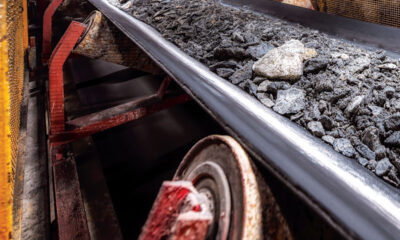
Key areas include weighbridges, which measure the weight of trucks carrying raw materials; belt weighers and weight feeders, which ensure accurate measurement and feeding of materials during production; and bin level measurement systems, which monitor the levels of materials in storage bins.
Additionally, our load cells are critical in rotary packers used for packaging cement, ensuring precise bagging. We offer a comprehensive range of load cells, capable of handling everything from small loads of 300 grams to large capacities of 1000 tonnes. This versatility allows us to meet the diverse needs of the cement industry, ensuring accurate and reliable weighing at every stage of production.
How does Thameside contribute to sustainability in the cement industry?
Sustainability is a key focus for us, both in our operations and in the solutions, we provide to our customers. One of the ways we contribute to sustainability in the cement industry is through the reliability and longevity of our products.
Our load cells are designed to last for many years without failure, which reduces the need for replacements and minimises waste. In a running plant, if a product fails, it can result in the loss of an entire batch of cement, wasting all the energy and resources used in its production. By ensuring consistent performance and reliability, our products help cement companies avoid such losses, thereby conserving resources
and energy.
Additionally, our high-precision weighing solutions contribute to more efficient operations, reducing waste and improving overall resource management. By helping our customers achieve better efficiency and sustainability, we play a part in promoting a more environmentally responsible approach within the cement industry.