Dr SB Hegde, Professor, Jain College of Engineering and Technology, Hubli, and Visiting Professor, Pennsylvania State University, USA, helps us understand the red river formation in cement kiln operations, its causes, impacts and mitigation strategies.
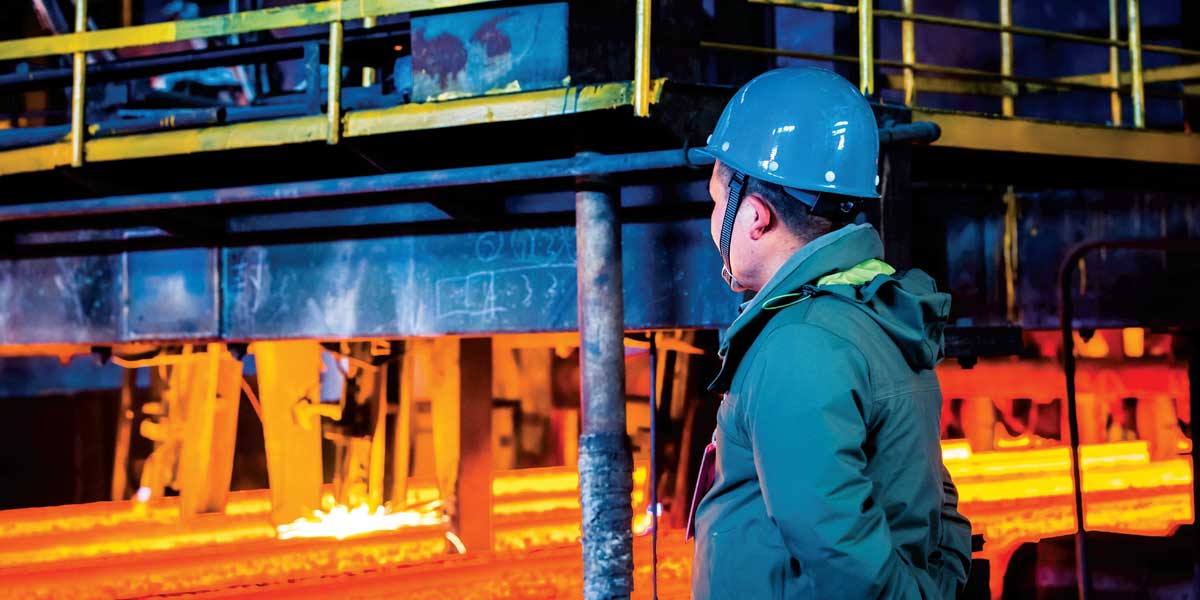
Red river formation in cement kilns, where molten clinker flows uncontrollably in the cooler, is a costly problem for cement plants. The phenomenon not only affects clinker quality but also leads to significant operational disruptions, increased energy consumption and accelerated wear on kiln refractory bricks. Understanding the factors that cause red river formation and implementing strategies to prevent it are critical to maintaining operational efficiency and clinker quality.
This paper explores the causes of red river formation, the operational impacts it has on kiln performance, and the various mitigation strategies that cement plants can adopt. Additionally, safety considerations associated with the prevention and handling of red river formation are discussed, with practical insights from case studies of successful plant interventions in India and globally.
Causes of red river formation
Red river formation is primarily caused by improper kiln operations, including fluctuating kiln temperatures, oxygen levels, and cooler inefficiency. The following parameters are essential contributors:
Kiln temperature: Inconsistent temperature control in the kiln’s burning zone, often exceeding 1500°C, creates an imbalance between the solid and molten clinker phases, leading to red river formation. Maintaining temperatures within a more stable range of 1470-1490°C ensures that the clinker remains solid as it moves into the cooler.
Oxygen levels and CO concentrations: Oxygen levels above 2.5 per cent increase the risk of over-combustion, while elevated CO levels above 0.3 per cent indicate incomplete combustion, both contributing to excessive clinker melting. Optimising oxygen levels to 1.8-2.0 per cent minimises the risk.
Raw mix composition: The raw mix plays a vital role in clinker formation. A high liquid phase due to improper ratios of silica, alumina, and iron oxide can lead to excessive melting. Controlling the silica modulus (SM: 2.3-2.7) and alumina modulus (AM: 1.3-1.8) ensures a more stable clinker and reduces the risk of red river formation. If the raw mix is improperly proportioned, red river formation becomes more likely due to high fluxing compounds that melt at lower temperatures.
Kiln speed and torque: Kiln speeds that fluctuate below 3.4 rpm can cause material buildup, while kiln torque exceeding 50-60 per cent indicates stress that can lead to clinker instability.
Cooler efficiency: Inefficiencies in the clinker cooler, with efficiency levels below 78 per cent, can exacerbate red river formation. Clinker that is not cooled properly will remain molten for longer, allowing it to flow uncontrollably. Coolers should maintain exit temperatures between 180-200°C to prevent red river incidents.
Impact on clinker quality and kiln performance
The occurrence of red river has numerous negative impacts on both clinker quality and kiln performance:
Clinker quality: Red river formation results in poor clinker grindability, higher variability in free lime content and inconsistent cement properties. Poor clinker reactivity reduces both early and late strength development in the final cement product.
Increased heat consumption: Red river typically increases specific heat consumption by 3-5 per cent, resulting in higher fuel usage. These inefficiencies can significantly affect the plant’s cost structure, driving up operational expenses.
Refractory damage: The molten clinker accelerates the wear of refractory bricks in the kiln, especially in the burning zone and cooler transition areas. Brick life can decrease by 25-30 per cent, leading to more frequent replacements and higher maintenance costs.
Equipment and instrumentation damage: The uncontrolled molten flow of clinker during red river incidents can damage cooler plates, kiln discharge systems, and even temperature sensors and thermocouples, leading to costly repairs and prolonged downtime.
Mitigation strategies
Mitigating red river formation requires a multi-faceted approach combining operational optimisation, automation and staff training:
Kiln temperature control: Maintaining stable burning zone temperatures in the 1470-1490°C range is key to preventing excessive melting of clinker. Advanced temperature monitoring systems can help regulate temperature fluctuations.
Cooler efficiency optimisation: To ensure proper cooling, cooler efficiency must be maintained at 78-80 per cent, with clinker exit temperatures not exceeding 200°C. Real-time airflow adjustments in grate coolers improve cooling performance, solidifying the clinker at the appropriate stage.
Automation and data analytics: Advanced Process Control (APC) systems using data analytics can monitor critical kiln parameters—such as temperature, oxygen levels, and torque—in real-time, allowing for predictive maintenance and early intervention when red river signs appear. This technology has been implemented successfully in leading plants globally to prevent red river formation.
Indian case studies
Case Study 1: Cement Plant in South India – Optimisation of Kiln Parameters
A cement plant in South India faced recurrent red river issues due to high kiln temperatures and low cooler efficiency. After comprehensive process audits, the plant optimised its kiln temperature to 1480°C, reduced oxygen levels to 1.9 per cent, and upgraded its cooler to an efficiency of 80 per cent. These changes reduced red river incidents by 85 per cent, saving the plant Rs 10 million in energy costs annually and improving clinker quality by
15 per cent.
Case Study 2: Cement Plant in North India – Cooler Upgrade and Automation
A northern India plant increased cooler efficiency from 70 per cent to 78 per cent by installing an advanced grate cooler. This reduced clinker exit temperatures to 190°C, preventing red river formation. Automation systems provided real-time adjustments, decreasing the frequency of incidents by 75 per cent and saving `12 million annually.
Global Case Studies
Case Study 1: European Plant – Automation Success
A German cement plant, experiencing red river issues due to fluctuating oxygen levels, installed an advanced data-driven automation system. The system stabilised oxygen at 1.9 per cent and maintained kiln temperature at 1,475-1,485°C, reducing red river by 90 per cent. Clinker quality improved by 10 per cent, with a reduction in specific heat consumption by 4 per cent.
Case study 2: US Plant – Operator Training and Process Optimisation
A US cement plant reduced red river occurrences by 70 per cent through kiln speed optimisation (3.8 rpm) and comprehensive operator training. Improved monitoring of kiln torque and cooler exit temperatures led to higher cooler efficiency (75 per cent) and an annual savings of $2 million.
Safety Aspects
Safety is a paramount concern in red river incidents. When molten clinker flows uncontrollably, it poses a significant risk to personnel working near the kiln and cooler areas.
To mitigate these risks:
- Clearance zones: Kiln and cooler areas should have strict clearance zones for personnel when red river incidents are detected.
- Protective gear and training: Personnel should be equipped with proper protective equipment (PPEs) and trained to handle emergencies involving molten clinker. Emergency shutdown procedures should be well-documented and rehearsed.
- Automation and early warning systems: Automation can provide early warning systems that alert operators to potential red river formation before it becomes critical, ensuring safe intervention.
Conclusion
Red river formation remains a major operational challenge for cement plants, but it can be effectively mitigated through proper kiln temperature control, cooler efficiency optimisation and the use of advanced automation systems.
The case studies highlight the importance of process improvements and staff training in reducing red river occurrences, improving clinker quality, and lowering operational costs. Additionally, safety
measures must be prioritised to protect personnel from the risks posed by molten clinker. By incorporating these strategies, cement plants can ensure consistent kiln performance and enhanced operational efficiency.
References
1. Duda, W. H. (1985). Cement Data Book. International Process Engineering in the Cement Industry. Bauverlag GmbH.
2. Javed, I., & Sobolev, K. (2020). “Use of Automation in Modern Cement Plants.” Cement and Concrete Research, 130, 105967.
3. Tamilselvan, P., & Kumar, R. (2023). “Optimisation of Kiln and Cooler Systems in Indian Cement Plants.” Indian Cement Review, 34(7), 42-48.
4. Martin, L. (2019). “Case Studies of Red River Mitigation in European Cement Plants.” International Journal of Cement Production, 12(2), 63-78.
5. Schorr, H. (2021). “Advanced Process Control in Cement Manufacturing.” Cement International, 19(3), 30-37.
6. Singh, V. K., & Gupta, A. (2022). “Impact of Raw Mix on Clinker Formation and Kiln Operations.” Global Cement Magazine, 14(4), 22-29.
About the author: Dr SB Hegde brings over thirty years of leadership experience in the cement industry in India and internationally. He has published over 198 research papers and holds six patents, with four more filed in the USA in 2023. His advisory roles extend to multinational cement companies globally and a governmental Think Tank, contributing to research and policy. Recognised for his contributions, he received the ‘Global Visionary Award’ in 2020 from the Gujarat Chambers of Commerce and Industry.