Sustainable mining is shaping the cement industry’s path to environmental responsibility and paving the way for a greener future. However, it is an uphill task – one that requires technology, on-ground support and forward-thinking leadership. ICR looks at how companies are seeking to balance production demands with environmental responsibility.
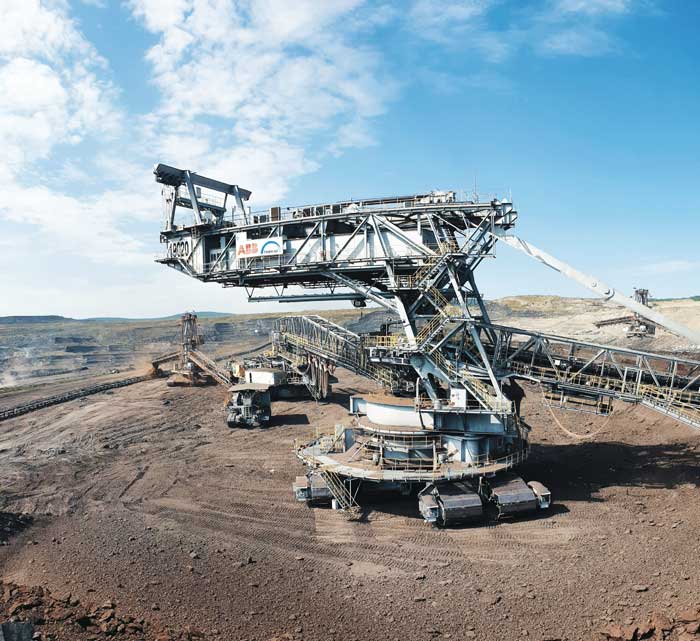
Cement production relies heavily on the extraction of raw materials like limestone, clay, and gypsum, making the mining process a key component of the supply chain. However, traditional mining methods often result in significant environmental degradation, including habitat destruction, deforestation, and water contamination.
To address these issues, the cement industry is adopting sustainable mining practices that minimise environmental impact while ensuring resource efficiency. Techniques such as precision mining, water conservation, land reclamation, and the use of renewable energy in operations are being widely implemented. These practices not only help reduce the carbon footprint but also support biodiversity and ecosystem restoration in mining areas.
Pukhraj Sethiya, India Managing Director, and Jyotirmoy Saha, Senior Consultant, ReVal Consulting, say, “Mine planning is a complex job and requires extensive critical thinking along with technical competency. With a core focus on sustainability and resource recovery maximisation, our mine plans are built in ways that ensure long term gains for our esteemed clients. We deploy first principle thinking and create numerous design iterations which helps us in curating a comparative picture of the different ways of operating a particular mine. This involves defining the mine pit boundary first which is of prime importance to ensure optimum land requirement and utilisation.”
Sustainable mining is vital for the cement industry as it ensures the long-term availability of raw materials while aligning with global environmental goals. By embracing these practices, cement manufacturers can reduce waste, conserve natural resources, and contribute to a more sustainable production cycle, ultimately leading to enhanced cost efficiency and regulatory compliance in an increasingly eco-conscious market.
Impact of traditional mining
Traditional mining practices, often employed in the extraction of raw materials for cement production, pose significant environmental challenges. Conventional mining methods, such as open-pit mining, can lead to large-scale habitat destruction, deforestation, and soil erosion. The removal of vegetation and the disruption of natural landscapes often result in the loss of biodiversity and long-term ecological degradation.
One of the primary concerns is the pollution of water bodies due to the release of harmful chemicals and sediments, which can affect aquatic ecosystems and local communities relying on these resources. Air pollution, caused by dust emissions and the release of greenhouse gases from mining operations, contributes to climate change and affects the health of nearby populations. Land degradation and the generation of large quantities of waste materials also present significant environmental challenges.
Rajendra Bora, AVP – Mines, Wonder Cement, says, “Balancing raw material extraction with ecosystem preservation is one of our core priorities at Wonder Cement Ltd. We adopt a holistic approach to mining, integrating stringent environmental impact assessments before beginning operations. This allows us to plan our extraction activities in ways that minimise disruption to local ecosystems. For example, we have implemented controlled blasting techniques and utilised buffer zones to protect wildlife and vegetation. We have also restored abandoned quarries into eco-friendly landscapes that support local biodiversity. Use of Surface Miner helps in preserving the natural ecosystem during raw material extraction.”
“Wonder Cement is committed to reducing its reliance on natural resources through the use of alternative raw materials. We have adopted the use of industrial by-products such as fly ash, slag, and other recycled materials to supplement raw material requirements in cement production. These alternative materials not only reduce the need for mining but also contribute to the circular economy by diverting waste from landfills. This approach underscores our commitment to resource efficiency and sustainability” he adds.
Key challenges in addressing these issues include the need for sustainable resource management, the high costs of implementing environmentally friendly technologies, and balancing economic pressures with ecological preservation. Additionally, restoring ecosystems post-mining can be complex and time-consuming, requiring extensive rehabilitation efforts.
The cement industry must navigate these challenges by adopting more sustainable mining techniques and implementing stricter environmental regulations to mitigate the ecological impact of mining activities while ensuring the long-term viability of raw material extraction.
Emerging technologies in eco-friendly mining
The mining industry is witnessing a transformative shift towards eco-friendly practices through the adoption of emerging technologies like artificial intelligence (AI), automation, and data analytics. These innovations are revolutionising resource extraction, helping reduce the environmental footprint while enhancing efficiency in cement production.
AI-powered systems can predict equipment failures, optimise mining routes, and improve energy efficiency by analysing vast amounts of operational data. Automation, such as autonomous vehicles and robotic drills, minimises human intervention in hazardous environments and reduces energy consumption. These technologies also contribute to precision mining, where resource extraction is optimised to avoid wastage, lowering emissions and reducing land degradation.
Dr Ing. Metodi Zlatev, Head of the Sales and Project Department, Haver & Boecker Niagara, says, “Industry 4.0 and innovative technologies are revolutionising cement mining operations by making them more sustainable and efficient. Our Quatro 4.0 system allows operations to manage their system in an optimal way. It automatically, effortlessly and securely provides data that can signal potential maintenance issues while enabling deep insights into machine productivity, scrap rates and more. This proactive approach allows operations to reduce downtime and costs, optimise their processes and contribute to the environment.”
“Furthermore, our Pulse condition monitoring system, equipped with advanced sensors installed on critical machinery, provides 24/7 monitoring capabilities. This continuous surveillance ensures that any deviations or potential issues are detected early, allowing for timely interventions. The accompanying mobile app provides instant access to this data, facilitating quick decision-making and further reducing unexpected downtime. By integrating such advanced systems, cement companies can achieve their goals of operational excellence and environmental stewardship,” he adds.
Data analytics plays a crucial role in monitoring environmental impact, helping mining companies track emissions, water usage, and biodiversity changes in real-time. This data-driven approach enables better decision-making and supports compliance with environmental regulations.
By integrating AI, automation, and data analytics, eco-friendly mining technologies are improving resource efficiency, reducing operational costs, and minimising the ecological impact of mining operations. For the cement industry, these innovations offer a pathway towards more sustainable raw material sourcing, aligning with global decarbonisation goals.
Role of explosives in mining
Explosives play a critical role in mining operations, particularly in extracting raw materials for industries like cement production. Traditional explosives, such as ammonium nitrate fuel oil (ANFO), are widely used to break rock formations and access valuable minerals. While effective, the use of such explosives raises concerns about environmental impacts, including air pollution, ground vibrations and habitat disruption.
In the context of sustainable mining, there is a growing focus on using eco-friendly explosives and blasting techniques that minimise environmental harm. Emulsion-based explosives, for example, offer a safer, more efficient alternative with lower toxicity levels and reduced emissions. Innovations in precision blasting, supported by data analytics and real-time monitoring, also contribute to more controlled and targeted explosions, reducing waste and energy consumption.
Shubham Choudhari, Chief Technology Officer, SBL Energy, says, “At SBL Energy, we leverage advanced technology to improve resource recovery during blasting. Our precision blasting techniques ensure optimal rock fragmentation, minimising the need for re-blasting and ensuring that a higher proportion of extracted material is of high quality and ready for processing.”
Sustainable explosives practices align with broader goals of reducing carbon emissions and preserving ecosystems around mining areas. By incorporating these advancements, the cement industry can continue to meet its raw material demands while maintaining a commitment to environmental stewardship.
Reducing carbon footprint
Reducing the carbon footprint of mining operations has become a priority as the cement industry aims to align with global sustainability goals. A significant shift towards the adoption of renewable energy sources for powering mining equipment is helping to achieve this. Traditionally, mining operations have relied heavily on fossil fuels, leading to high carbon emissions. However, by integrating solar, wind, and other renewable energy solutions, mining companies can reduce their dependence on carbon-intensive power sources. Solar-powered mining equipment, wind farms, and hybrid energy systems are increasingly being deployed to lower emissions and enhance energy efficiency.
Furthermore, electrification of heavy machinery, such as electric trucks and loaders, is contributing to a decrease in the use of diesel, significantly cutting operational emissions. These renewable-powered technologies not only reduce greenhouse gas emissions but also bring long-term cost savings by lowering fuel expenses and enhancing operational resilience against energy price fluctuations.
For the cement industry, adopting renewable energy in mining operations is crucial in minimising environmental impact, supporting the industry’s decarbonisation journey, and contributing to global efforts to combat climate change.
Sustainable water management and biodiversity preservation
Sustainable water management has become a critical focus in mining, especially within the cement industry, where efficient resource utilisation is essential. Mining operations can be water-intensive, but advanced techniques like water recycling, rainwater harvesting, and the treatment of wastewater are helping to mitigate water scarcity issues. Closed-loop water systems, which minimise water withdrawal from local sources, ensure that mining operations remain eco-friendly and sustainable.
Restoration of mining sites post-extraction is another key aspect of responsible mining. Leading practices include land reclamation, afforestation and soil stabilisation efforts that rehabilitate the environment after mining activities cease. These measures ensure that ecosystems are restored, enabling the land to support plant life and wildlife once again.
Efforts to preserve biodiversity around mining areas are equally important. Companies are increasingly conducting biodiversity assessments before starting extraction and implementing strategies to protect local flora and fauna. Creating wildlife corridors, reducing habitat fragmentation, and ensuring minimal disruption to natural ecosystems are becoming standard practices in sustainable mining, reflecting the industry’s commitment to environmental stewardship. These initiatives not only help in reducing the environmental footprint of mining operations but also support long-term ecological balance, aligning with global sustainability goals.
Alternative fuels in mining
The shift towards incorporating alternative fuels in mining machinery is gaining traction as industries, including the cement sector, strive to reduce their carbon footprints and environmental impact. Utilising alternative fuels like biodiesel, hydrogen, and compressed natural gas (CNG) in mining equipment helps reduce the reliance on traditional fossil fuels, which are major contributors to greenhouse gas emissions.
One of the primary benefits of this shift is a significant reduction in CO2 emissions, aligning with global sustainability goals and the industry’s efforts to achieve net-zero targets. Additionally, alternative fuels often offer enhanced energy efficiency and lower operational costs over time, making mining operations more economically sustainable.
Furthermore, using cleaner fuel sources improves air quality in and around mining sites, promoting healthier working environments for employees and minimising the environmental degradation caused by mining activities. As cement production continues to grow, adopting alternative fuels in mining machinery becomes a key strategy for fostering greener, more sustainable mining practices.
Ethical supply chains from mine to cement plant
The cement industry faces increasing scrutiny regarding the ethical implications of its supply chains, particularly in sourcing raw materials from mining operations. Establishing transparent and ethical supply chains is essential not only for compliance with regulatory standards but also for fostering trust among stakeholders, including consumers, investors and local communities.
To achieve this, companies must prioritise traceability at every stage of the supply chain, ensuring that materials are sourced responsibly and sustainably. This includes conducting thorough due diligence on suppliers to verify their environmental and labour practices. Embracing technologies like blockchain can enhance transparency, allowing for real-time tracking of materials from extraction through to processing and delivery at cement plants.
Additionally, engaging with local communities and stakeholders is crucial for addressing social and environmental concerns associated with mining activities. By investing in community development and ensuring fair labour practices, companies can build stronger relationships and support sustainable practices that benefit all parties involved.
Ultimately, creating ethical supply chains not only mitigates risks but also enhances brand reputation and contributes to the overall sustainability of the cement industry. By committing to transparency and ethical sourcing, companies can help pave the way for a more responsible and sustainable future in cement production.
Challenges in cement mining
Cement mining, a critical component of the cement production process, faces numerous challenges that can impact efficiency, sustainability and overall operational success. Understanding these challenges is essential for industry stakeholders aiming to optimise mining operations while adhering to environmental and social standards.
- Regulatory compliance: The cement industry is subject to stringent environmental regulations and mining laws. Ensuring compliance with these regulations can be challenging, requiring substantial investment in environmental management systems and processes.
- Environmental impact: Traditional mining practices can lead to significant ecological disruptions, including habitat destruction, soil erosion and water contamination. Balancing the need for raw materials with environmental protection is a complex challenge that requires innovative practices and technologies.
- Resource depletion: As easily accessible reserves are depleted, mining operations must dig deeper or explore less accessible locations, which can increase costs and operational risks. Sustainable resource management and efficient extraction techniques are critical to mitigating this issue.
- Community relations: Cement mining often occurs in close proximity to local communities, which can lead to conflicts over land use, environmental concerns and social impacts. Building and maintaining positive relationships with local stakeholders is essential for the long-term success of mining operations.
- Technological advancements: Keeping pace with rapidly evolving technologies in the mining sector is a challenge. Adopting new technologies, such as automation and data analytics, can enhance efficiency but may require significant investment and training.
- Economic fluctuations: Volatility in the global cement market can affect demand for raw materials and, consequently, mining operations. Companies must develop strategies to adapt to market changes while maintaining operational efficiency.
Addressing these challenges requires a multifaceted approach that integrates sustainable practices, community engagement and technological innovation. By proactively tackling these issues, the cement industry can enhance the resilience and sustainability of its mining operations, ultimately contributing to a more responsible cement production process.
Innovations on the horizon for sustainable mining
As the cement industry increasingly prioritises sustainability, innovative practices and technologies are emerging to transform mining operations. The integration of advanced automation, robotics and AI is optimising resource extraction, reducing operational costs and minimising environmental impact. These technologies enhance decision-making and operational efficiency, allowing companies to improve resource allocation and predict equipment failures, thereby minimising waste.
Moreover, innovations in eco-friendly explosives and the shift towards electric and hybrid mining equipment are significantly reducing the environmental footprint of mining operations. Sustainable explosives minimise vibrations and dust emissions, improving safety and reducing ecological disruption. The adoption of IoT-enabled remote monitoring systems further enhances operational efficiency and safety by allowing real-time tracking and management of mining processes.
The long-term integration of these innovations will not only support the cement industry’s growth trajectory but also help align it with environmental regulations and climate goals. By optimising resource efficiency and reducing waste, the cement industry can meet the increasing global demand for its products while fostering better relationships with local communities and attracting investment in green technologies. Embracing these advancements positions the industry as a leader in sustainable development, paving the way for a more resilient and eco-friendly future.
Conclusion
The future of sustainable mining in the cement industry is bright, driven by innovative technologies and practices that prioritise environmental responsibility. The integration of advanced automation, eco-friendly explosives, and IoT solutions is reshaping mining operations, enhancing efficiency and significantly reducing ecological impacts. As the industry embraces these advancements, it not only meets the growing global demand for cement but also aligns with sustainability goals and environmental regulations. By fostering a commitment to sustainable mining, the cement industry can ensure its long-term growth while contributing to a healthier planet and building stronger relationships with communities, ultimately paving the way for a more resilient and sustainable future.

















 Concrete4 weeks ago
 Concrete1 month ago
 Concrete4 weeks ago
 Concrete4 weeks ago