Concrete
TRA Research announces India’s trusted cement brands
Published
2 years agoon
By
admin
TRA research in its brand trust report found ACC as No 1 and Ambuja Cement as No 2 in the most trusted brands category. Ambuja cement has featured on this list for three consecutive years while ACC has held the top spot for the last two years. Through their focus on innovation, sustainability and customer centric solutions, the brands have exceeded customer expectations and cemented their reputation as trusted brands, based on a study of 2,553 consumer influencers in 16 cities.
You may like
-
Cement Additives for Improved Grinding Efficiency
-
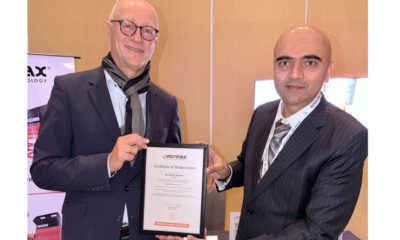
FORNNAX Appoints Dieter Jerschl as Sales Partner for Central Europe
-
Cement Additives for Improved Grinding Efficiency
-
Cement Makers Positive on H2 Demand Outlook
-
Om Birla: World Sees India as a Key Investment Destination
-
Centre Proposes Clearance Exemption For Cement Grinding Units
Concrete
A Deep Dive into Power Build’s Core Gear Series Products – M, C, F, K
Published
30 seconds agoon
April 13, 2026By
Roshna
At the heart of every high-performance industrial system lies the need for robust, reliable, and efficient power transmission. Power Build answers this need with its flagship geared motor series: M, C, F, and K. Each series is meticulously engineered to serve specific operational demands while maintaining the universal promise of durability, efficiency, and performance.
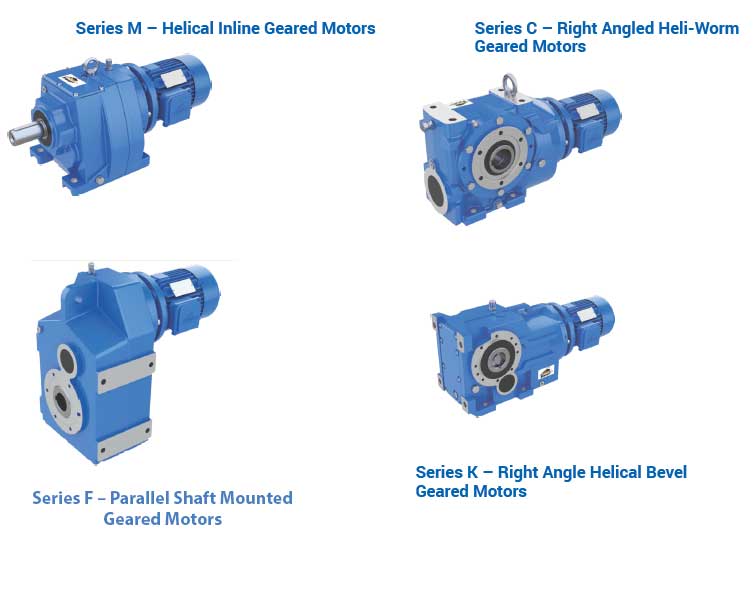
Series M – Helical Inline Geared Motors
Compact and powerful, the Series M delivers exceptional drive solutions for a broad range of applications. With power handling up to 160kW and torque capacity reaching 20,000 Nm, it is the trusted solution for industries requiring quiet operation, high efficiency, and space-saving design. Series M is available with multiple mounting and motor options, making it a versatile choice for manufacturers and OEMs globally.
Series C – Right Angled Heli-Worm Geared Motors
Combining the benefits of helical and worm gearing, the Series C is designed for right-angled power transmission. With gear ratios of up to 16,000:1 and torque capacities of up to 10,000 Nm, this series is optimal for applications demanding precision in compact spaces. Industries looking for a smooth, low-noise operation with maximum torque efficiency rely on Series C for dependable performance.
Series F – Parallel Shaft Mounted Geared Motors
Built for endurance in the most demanding environments, Series F is widely adopted in steel plants, hoists, cranes, and heavy-duty conveyors. Offering torque up to 10,000 Nm and high gear ratios up to 20,000:1, this product features an integral torque arm and diverse output configurations to meet industry-specific challenges head-on.
Series K – Right Angle Helical Bevel Geared Motors
For industries seeking high efficiency and torque-heavy performance, Series K is the answer. This right-angled geared motor series delivers torque up to 50,000 Nm, making it a preferred choice in core infrastructure sectors such as cement, power, mining, and material handling. Its flexibility in mounting and broad motor options offer engineers freedom in design and reliability in execution. Together, these four series reflect Power Build’s commitment to excellence in mechanical power transmission. From compact inline designs to robust right-angle drives, each geared motor is a result of decades of engineering innovation, customer-focused design, and field-tested reliability. Whether the requirement is speed control, torque multiplication, or space efficiency, Radicon’s Series M, C, F, and K stand as trusted powerhouses for global industries.
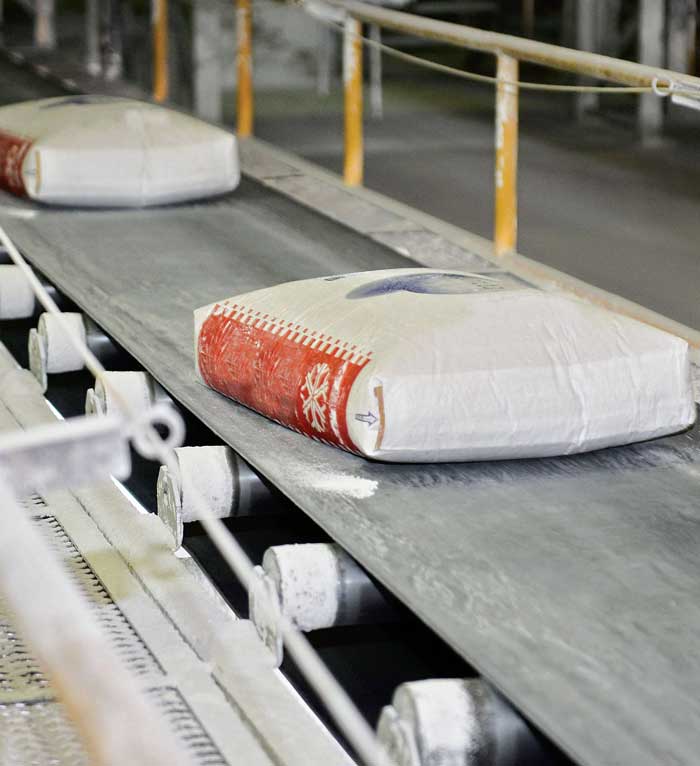
As a cement bag leaves a plant, it transcends from being a product to being a carrier of quality and brand reputation. No longer a despatch activity, today, cement packaging is a strategic link between production, logistics and the market. Together with automation and traceability, packaging is what holds product integrity and brand credibility together. ICR explores the growing importance of digital traceability, improved bag materials and automated packing systems.
In today’s cement industry, the journey of a bag from plant to project site is as critical as the product itself. As supply chains stretch across multiple touchpoints, from dispatch yards and transport networks to dealer warehouses and retail outlets, packaging has moved beyond its traditional role to become a key enabler of product integrity, operational efficiency and brand trust. With logistics accounting for nearly 20 per cent to 25 per cent of total cement costs and packaging contributing another 5 per cent to 7 per cent (CMA India, 2023; McKinsey, 2022), even minor inefficiencies can significantly impact margins. Additionally, industry estimates suggest that 1 per cent to 3 per cent of cement losses occur due to handling, pilferage and packaging issues, while global usage exceeds 30 billion cement bags annually (World Cement Association, 2023). As demand for reliability grows and supply chains become more complex, the focus is shifting towards smarter packaging systems backed by automation and traceability—turning every bag into a data point that enhances visibility, control and competitiveness.
Role of packaging in cement distribution
Cement packaging has traditionally been viewed as a functional necessity, designed primarily to protect the product from moisture and contamination during transit. However, with increasing distribution complexities and longer supply chains, packaging is now expected to ensure durability across diverse climatic conditions, particularly in markets like India where temperature and humidity variations are significant. According to a report by the Cement Manufacturers’ Association (CMA), nearly 2–3 per cent of cement losses occur due to handling and packaging inefficiencies, highlighting the need for more robust and reliable packaging systems (CMA India, 2023).
Marta Bortolotti, Division Manager Consumables, Haver & Boecker, says, “A bag serves as a powerful branding tool and a visual business card for each company. While some companies work with multiple providers for packaging, partnering with a single OEM expert, who understands the product, equipment, and production goals, provides unbeatable efficiency and peace of mind. With an integrated approach, every bag becomes a powerful asset for the brand and business.”
“When it comes to product packaging, every element, from design and materials to compatibility with machinery, product and closure type, plays a vital role in achieving both efficient function and a positive brand image. To maintain a competitive edge, producers must carefully evaluate their packaging choices” she adds.
In addition, packaging is increasingly being recognised as a key touchpoint for branding and differentiation. High-quality printed bags, especially BOPP laminated and block-bottom bags, not only improve shelf appeal but also enhance stacking efficiency and storage optimisation. A study by Smithers (2022) highlights that advanced packaging formats can improve pallet stability and reduce transportation losses by up to 15 per cent, thereby directly impacting logistics efficiency. This shift reflects a broader industry trend where packaging is becoming integral to both operational performance and market positioning.
From protection to performance
The choice of packaging materials in the cement industry has evolved significantly over the years, moving from paper-based sacks to polypropylene (PP) woven bags and now to advanced laminated structures. PP woven bags dominate the market today due to their strength, moisture resistance, and cost-effectiveness, accounting for over 70 per cent of cement packaging in emerging economies (MarketsandMarkets, 2023). These materials offer improved durability, reducing breakage and spillage during transportation.
The focus is now shifting towards performance-driven packaging that balances strength, sustainability and cost. Innovations such as BOPP laminated bags and block-bottom valve bags provide superior sealing, better print quality, and improved stacking efficiency.
Ana Juraga, Content Writer, Cortec Corporation says, “By adopting VpCI® films and papers, a facility eliminates the need for petroleum-based rust preventatives and the subsequent hazardous solvents required for their removal. This directly reduces the plant’s (VOC emissions and prevents the generation of solvent-contaminated runoff. In many jurisdictions, the reduction of hazardous waste at the point of origin is a key metric for industrial environmental compliance. Moving from a ‘wet’ preservation cycle to a ‘dry’ molecular cycle allows cement producers to streamline their environmental reporting while improving worker safety by removing hazardous chemicals from the workshop.”
According to Allied Market Research (2023), the global industrial packaging market is expected to grow at a CAGR of 4.5 per cent, driven by demand for high-performance and sustainable materials. At the same time, the environmental impact of plastic-based packaging is pushing manufacturers to explore biodegradable and recyclable alternatives, although cost remains a major constraint in large-scale adoption.
Understanding bag traceability
As cement distribution networks become more complex, the need for end-to-end visibility has become critical. Bag traceability enables manufacturers to track each unit from the plant to the dealer and end user, ensuring accountability and transparency across the supply chain. According to Deloitte (2022), companies implementing supply chain traceability systems have seen a 20–30 per cent improvement in operational efficiency and a significant reduction in losses due to pilferage and mismanagement. In the cement industry, where high volumes and low margins dominate, even marginal improvements can lead to substantial cost savings.
Traceability also plays a crucial role in combating counterfeit products, which remain a persistent challenge in developing markets. The OECD (2021) estimates that counterfeit goods account for 3.3 per cent of global trade, and the construction materials sector is not immune to this issue. By integrating traceability features such as unique identification codes and digital tracking systems, manufacturers can ensure product authenticity and build greater trust among dealers and customers. Moreover, traceability data can be leveraged for demand forecasting, inventory optimisation, and improved decision-making, making it a strategic asset rather than just a compliance requirement.
Technologies enabling traceability
A range of technologies is enabling effective bag traceability in the cement industry, each offering varying levels of sophistication and cost implications. Barcodes and QR codes are widely adopted due to their low cost and ease of implementation, allowing basic tracking and authentication.
Dr SB Hegde, Global Cement Industry Leader says, “The global cement packaging sector is expanding steadily, supported by growing infrastructure demand and increased emphasis on reliable and moisture-resistant packaging solutions. The cement packaging market is projected to grow steadily in the coming decade as companies adopt automation, smart packaging technologies and integrated logistics systems to improve despatch efficiency and supply chain transparency. In this context, benchmarking against global indicators helps cement plants identify performance gaps and adopt best practices such as automated bagging systems, QR-based traceability, ERP-linked despatch monitoring, and predictive maintenance of packing equipment.”
Meanwhile, RFID technology provides real-time tracking and enhanced data capture, although higher costs have limited its widespread adoption. According to McKinsey (2023), digital supply chain technologies, including IoT and RFID, can reduce logistics costs by up to 15 per cent and improve service levels by 20 per cent, making a strong case for their integration into cement packaging systems.
Combating leakage, pilferage and counterfeiting
Leakage and pilferage remain major challenges in cement logistics, particularly in markets with fragmented distribution networks. Industry estimates suggest that losses due to pilferage and handling inefficiencies can account for up to 1–2 per cent of total sales volume, directly impacting profitability (CMA India, 2023). Traceability systems help address these challenges by providing real-time visibility into product movement, enabling faster detection of anomalies and accountability at every stage of the supply chain.
Additionally, digital authentication mechanisms embedded in packaging can significantly reduce the circulation of counterfeit products, protecting both brand reputation and customer trust. A report by PwC (2022) highlights that companies implementing advanced tracking systems have seen a 30–50 per cent reduction in shrinkage, underscoring the tangible benefits of traceability.
Digital supply chains and erp systems
The integration of packaging systems with digital supply chains and ERP platforms is transforming how cement companies manage their operations. By linking packaging data with enterprise systems, manufacturers can achieve real-time visibility into production, inventory and distribution. This integration enables seamless coordination between different functions, from manufacturing to logistics and sales. According to SAP (2023), companies with integrated digital supply chains can improve forecast accuracy by up to 25 per cent and reduce inventory holding costs by 20 per cent, leading to more efficient operations.
Furthermore, digital integration facilitates data-driven decision-making, allowing companies to optimise routes, manage inventory levels, and improve customer service. Advanced analytics and AI-driven insights can help identify inefficiencies, predict demand patterns, and enhance overall supply chain resilience. As cement companies continue to invest in digital transformation, the convergence of packaging and digital systems will play a pivotal role in achieving end-to-end supply chain optimisation.
Balancing strength, cost and environmental impact
Sustainability is becoming a key focus area in cement packaging, driven by regulatory pressures and growing environmental awareness. The use
of plastic-based packaging materials has raised concerns due to their long degradation periods and environmental impact. According to the World Economic Forum (2023), only 9 per cent of global plastic waste is recycled, highlighting the urgent need for sustainable alternatives.
Cement manufacturers are increasingly exploring recyclable, biodegradable, and reusable
packaging solutions, although cost and performance trade-offs remain significant challenges. Achieving the right balance between strength, cost, and environmental impact will be critical for the future of cement packaging.
The future of cement packaging lies in the convergence of smart technologies and digital supply chains. Smart packaging solutions, embedded with sensors and IoT capabilities, can provide real-time data on product condition, location, and handling, enabling greater transparency and control. According to Gartner (2023), by 2027, over 50 per cent of supply chains will invest in real-time visibility technologies, reflecting the growing importance of digitalisation in logistics.
In addition, advancements in AI, blockchain and cloud computing are expected to further enhance traceability and data security. Blockchain-based systems, for instance, can provide tamper-proof records of product movement, ensuring authenticity and trust across the supply chain. As the cement industry continues to evolve, the adoption of smart packaging and digital technologies will be essential for improving efficiency, reducing costs, and meeting sustainability goals.
Conclusion
Cement packaging is undergoing a significant transformation, evolving from a basic protective function to a strategic enabler of efficiency, traceability and sustainability. As the industry grapples with rising costs, complex supply chains and increasing environmental concerns, packaging and traceability systems are emerging as critical components of operational excellence. The integration of advanced materials, digital technologies, and data-driven insights is reshaping how cement is packaged, transported and delivered.
Looking ahead, companies that invest in smart packaging and robust traceability systems will be better positioned to navigate industry challenges and capitalise on emerging opportunities. By embracing innovation and sustainability, the cement industry can build more resilient and efficient supply chains, ensuring long-term growth and competitiveness.
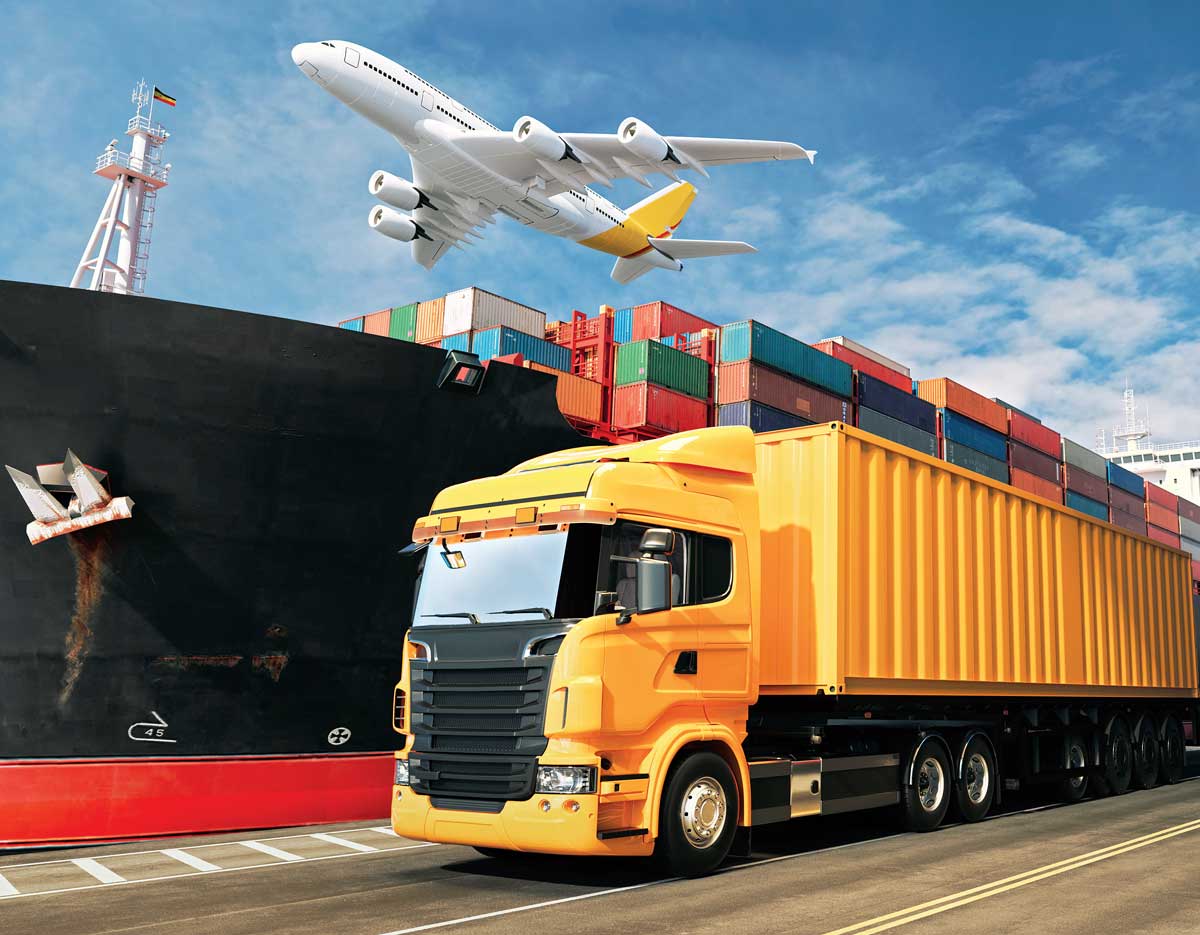
Logistics, from the factory exit point to the last mile connectivity, is a key driver of efficiency and cost optimisation in the cement industry. With digitalisation, multi-modal integration and sustainability, logistics is the differentiator that will give the manufacturer a competitive advantage. Let us explore how logistics has today become a deciding factor that players cannot afford to ignore.
India, the second-largest cement producer globally, has an installed capacity exceeding 600 million tonnes per annum, with demand driven by infrastructure, housing, and urbanisation (IBEF, 2024). However, logistics remains one of the most significant cost components, accounting for nearly 20 to 30 per cent of the total cement cost, primarily due to the bulk nature and low value-to-weight ratio of the product (Cement Manufacturers’ Association, 2023; McKinsey, 2022).
With over 70 per cent of cement transported via road, inefficiencies in logistics directly impact profitability, delivery timelines, and customer satisfaction (NITI Aayog, 2021). As supply chains grow more complex, end-to-end logistics is emerging as a critical lever for cost optimisation, operational efficiency, and competitive advantage.
Logistics: The game changer
Logistics plays a central role in the cement industry, where timely delivery and cost efficiency are key determinants of market competitiveness. Unlike many other industries, cement has a low shelf value relative to its transportation cost, making logistics optimisation critical. According to McKinsey (2022), logistics costs in cement can reach up to 30 per cent of total production costs, significantly higher than global manufacturing averages. This underscores the importance of efficient distribution networks in maintaining margins and ensuring consistent supply.
Moreover, logistics directly influences market reach and dealer satisfaction. Cement companies with optimised logistics networks can ensure faster delivery cycles, improved availability, and better service levels. A report by Deloitte (2023) highlights that companies focusing on logistics optimisation have seen improvements of up to 15 per cent to 20 per cent in delivery efficiency, reinforcing the role of logistics as a strategic differentiator rather than just an operational function.
Mapping the cement supply chain
The cement supply chain is complex and involves multiple stages, including raw material transportation, clinker movement, cement production, warehousing, and final distribution to dealers and project sites. Each stage requires careful coordination to minimise delays and costs. According to World Cement Association (2023), inefficiencies in supply chain coordination can lead to 5 per cent to 8 per cent losses in overall operational efficiency, highlighting the need for integrated logistics planning.
From plant despatch to last-mile delivery, the movement of cement involves various stakeholders such as transporters, distributors, and retailers. In India, the fragmented nature of the logistics ecosystem further complicates coordination. A study by PriceWater Cooper (PwC 2022) indicates that lack of integration across supply chain nodes can increase transit times by 10 per cent to 15 per cent, affecting project timelines and customer satisfaction.
Key challenges in end-to-end logistics
One of the biggest challenges in cement logistics is infrastructure limitation, particularly in rural and semi-urban areas where demand is rapidly growing. Despite improvements, India’s logistics infrastructure still faces bottlenecks such as poor road conditions, congestion, and limited rail connectivity. According to NITI Aayog (2021), logistics inefficiencies contribute to India’s overall logistics costs being around 13 per cent to 14 per cent of GDP, significantly higher than the global benchmark of 8 per cent to 9 per cent. For the cement industry, this translates into higher transportation costs and reduced competitiveness.
Professor Procyon Mukherjee says, “For decades, cement companies designed their networks around limestone availability. Plants were built near quarries, and finished cement was transported long distances to markets. This model, while logical from a production standpoint, created massive outbound logistics costs. Indian cement companies have begun to challenge this logic. The shift: decoupling clinker production from cement grinding.”
He adds, “Clinker plants remain near limestone reserves, but grinding units are increasingly located close to consumption centres. In many markets, logistics accounts for up to 30 per cent of total cost. The implication is stark: companies that redesign their end-to-end logistics, from inbound flows to last-mile delivery, can fundamentally alter their competitive position.”
Another critical challenge is demanding variability and lack of real-time visibility across the supply chain. Cement demand is highly seasonal and project-driven, making demand forecasting complex. Additionally, limited adoption of digital tools leads to poor tracking and coordination. According to McKinsey (2023), companies lacking digital logistics systems experience up to 20 per cent higher inefficiencies in fleet utilisation and delivery planning. These challenges highlight the need for greater integration, digitalisation, and infrastructure development to achieve efficient end-to-end logistics.
Multi-modal logistics
The integration of multiple transportation modes—road, rail, and coastal shipping—is becoming increasingly important for optimising cement logistics. While road transport dominates with over 70 per cent share, rail and coastal shipping offer cost-effective and environmentally sustainable alternatives for long-distance movement (NITI Aayog, 2021).
According to the Ministry of Ports, Shipping and Waterways (2023), coastal shipping can reduce logistics costs by up to 20 per cent to 25 per cent compared to road transport, while also lowering carbon emissions. The adoption of multi-modal logistics can help cement companies achieve better cost efficiency, reduce transit times, and improve supply chain resilience.
Anuradha Parakala, Co-founder, Chief Strategy and Product Officer, Fleetronix Systems, says, “Real-time visibility in logistics is no longer a competitive advantage. It has become a baseline requirement. The cost of not knowing what’s happening across the supply chain has simply become too high. Customers expect consistent and reliable deliveries, finance teams demand tighter cost control, and regulators require greater compliance and transparency. None of these expectations can be met without real-time insight into fleet movement and operations. What was once considered a differentiator is now essential, and companies that still operate without visibility are already falling behind in an increasingly performance-driven environment.
“At the same time, data-driven logistics is redefining how cement supply chains operate, shifting them from reactive systems to predictive, planning-led ecosystems. Fuel remains the single biggest cost lever in fleet logistics, and within that, driver behaviour offers the fastest and most impactful gains. It often delivers 12 per cent to 18 per cent fuel savings through better driving practices such as smoother acceleration, controlled speeds, and reduced idling. Beyond cost savings, data enables companies to move from guesswork to precision—anticipating disruptions, optimising routes, and planning with real numbers instead of buffers. The result is not just improved efficiency, but a stronger foundation of trust with customers, giving early adopters a clear and lasting competitive edge,” she adds.
Digitalisation of cement logistics
Digitalisation is transforming cement logistics by enabling real-time visibility, improved coordination, and data-driven decision-making. Technologies such as GPS tracking, IoT sensors, and advanced analytics allow companies to monitor shipments, optimise routes, and reduce delays. According to Gartner (2023), organisations that implement digital supply chain solutions can achieve up to 50 per cent improvement in supply chain visibility and 20 per cent reduction in operational costs. In the cement industry, where timely delivery is critical, such improvements can significantly enhance efficiency and customer satisfaction.
Dijam Panigrahi, Co-Founder and COO, GridRaster, says, the cement supply chain is uniquely complex. A single integrated plant may manage limestone quarrying, kiln operations, grinding, packing, and dispatch simultaneously, with finished product flowing through rail, road, and waterway networks to reach hundreds of regional depots and distribution points. Coordinating this network using spreadsheets, siloed ERP data, and phone calls is not merely inefficient; it is a structural liability in a competitive market where delivery reliability is a key differentiator. Digital twin technology offers a way out. A cement logistics digital twin is a continuously updated, three-dimensional virtual replica of the entire supply chain, from the truck loading bays at the plant to the inventory levels at district depots.”
Optimising fleet efficiency and last-mile delivery
Fleet efficiency is a critical factor in cement logistics, given the heavy reliance on road transport. Optimising fleet utilisation, reducing idle time, and improving route planning can lead to substantial cost savings. According to McKinsey (2022), optimised fleet management can reduce transportation costs by 10 per cent to 15 per cent, while improving delivery timelines. Technologies such as telematics, fuel monitoring systems, and driver behaviour analytics are increasingly being adopted to enhance fleet performance.
Pushpank Kaushik, CEO, Jassper Shipping, says, “Handling cement both in bulk and bagged form presents several operational challenges across the logistics chain. These include inadequate road infrastructure, port congestion during peak demand periods, and weather-related disruptions. At ports, limited mechanisation during high-volume periods can slow down cargo movement, increasing the risk of moisture exposure and product degradation. Jassper mitigates these challenges through its extensive operational expertise and global network. Managing a significant volume of vessel movements annually and working closely with experienced mariners and operators, we ensure precise coordination, efficient cargo handling, and smooth transitions across all logistics stages.”
Last-mile delivery, however, remains one of the most challenging aspects of cement logistics. Delivering cement to construction sites often involves navigating congested urban areas or remote rural locations, leading to delays and increased costs. A report by Deloitte (2023) highlights that last-mile logistics can account for up to 40 per cent of total delivery costs in certain scenarios. Addressing these challenges requires better route planning, localised distribution hubs, and increased use of technology to ensure timely and efficient delivery.
Sustainability in cement logistics
Sustainability is becoming a key focus area in cement logistics, driven by environmental regulations and corporate sustainability goals. Transportation is a major contributor to carbon emissions in the cement value chain. According to the International Energy Agency (IEA, 2023), logistics-related emissions account for a significant portion of the industry’s overall carbon footprint. Shifting towards rail and coastal shipping, improving fuel efficiency, and adopting alternative fuels can help reduce emissions. Additionally, optimising logistics operations not only lowers environmental impact but also reduces costs, creating a win-win scenario for the industry.
The future of cement logistics
The future lies in the adoption of automation, advanced analytics, and smart supply chain technologies. Autonomous vehicles, AI-driven planning systems, and blockchain-based tracking solutions are expected to redefine logistics operations. According to McKinsey (2023), companies that adopt advanced supply chain technologies can achieve up to 30 per cent improvement in efficiency and significant cost reductions. As the cement industry continues to evolve, the integration of these technologies will be crucial for building resilient, efficient, and future-ready logistics networks.
Conclusion
End-to-end logistics is no longer just an operational necessity but a strategic imperative for the cement industry. With rising costs, increasing demand, and evolving customer expectations, companies must focus on optimising their logistics networks to remain competitive. From multi-modal integration to digitalisation and sustainability, the future of cement logistics will be defined by innovation and efficiency.
- – Kanika Mathur