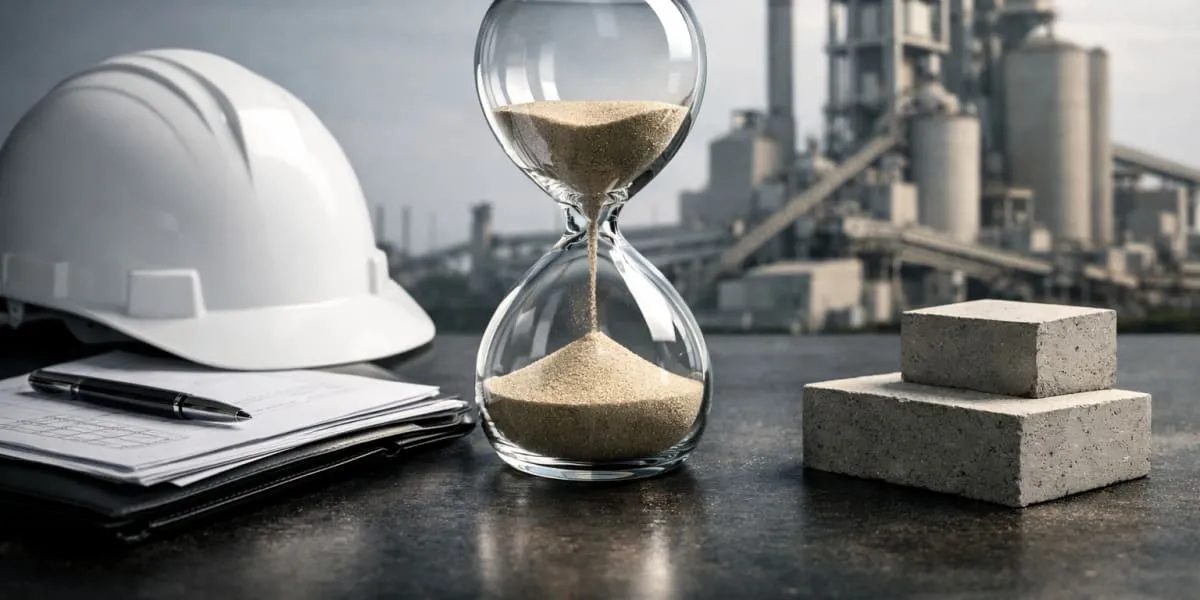
Concrete is the cornerstone of modern construction as it offers both utility and creativity. In the evolving landscape of urbanisation and infrastructure, precast concrete is playing an increasingly important role. From awe-inspiring skyscrapers to intricate facades and artistic installations, the potential of concrete and precast concrete knows no bounds. In this feature, ICR explores how the future of construction is shaping up.
Precast concrete shapes are custom-made concrete components that are produced in a controlled factory environment and then transported to the construction site for installation. These specialised concrete shapes are designed to meet specific dimensions and project requirements, offering several advantages such as enhanced quality control, reduced construction time and improved durability.
In the Indian cement and construction industry, precast concrete shapes play a vital role in expediting construction processes and ensuring quality outcomes. Various types of precast concrete shapes are widely employed to meet the diverse needs of construction projects in the country.
These include precast concrete panels, which are used extensively for building facades and walls, offering both durability and aesthetic appeal. Precast beams and columns are commonly used in structural elements, providing robust support and speeding up construction timelines.
Speaking about quality control, Rais Khan, CEO, Dynamic Precast, said, “We have a Quality Manual Plan in our system. Presently, a testing laboratory is active in our manufacturing premise. Regular tests for raw materials and concrete and quality checks are done here using tools, equipment and calibrated testing machines.”
“Quality checks in our factory starts from system update, raw materials, measurements and weighing process, compaction and ultimately in finished goods,” he added.
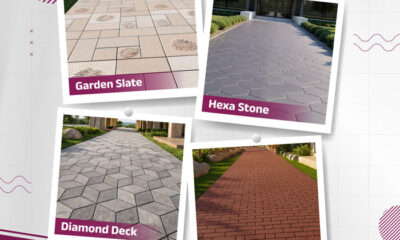
Additionally, precast modular units, such as interlocking blocks and paving stones, are utilised for landscaping, pavements and retaining walls, offering convenience in installation and durability. In the Indian context, precast concrete shapes are particularly valuable for addressing the growing demand for rapid and cost-effective construction solutions while maintaining high-quality standards. They also contribute to the versatility and sustainability of construction practices in a rapidly developing nation like India.
Narayan Saboo, Chairman, Bigbloc Construction, said, “AAC blocks are eco-friendly and sustainable, these are green building materials, light weight, and less transport cost. This material warms the room during the winter and cools it during the summer, reducing air-conditioning system usage by at least 25 per cent.”
“Non-toxic and pest repellent, they prevent soil erosion and consume less water. When red bricks are used, it results in an upper layer of soil erosion, which makes the land barren or infertile in the long run,” he added.
Speaking about the challenges faced by precast manufacturers, Vijay Shah, Managing Partner, India Precast, “A major challenge in the precast industry is the requirement of high volumes, repeatedly. The initial investment for the same is high. It becomes more suitable for the B and C types of city transports and handling at sites.”
He further elaborated, “One of the most significant challenges in precast detailing is the design and engineering complexities of creating precast components. Precast components must be designed and engineered to meet specific load and structural requirements, which can be complicated and time-consuming. Additionally, precast elements must be prepared to fit together seamlessly during installation, which requires precise measurements and accurate detailing.”
GLOBAL PRECAST PERSPECTIVE
According to a research report by Market and Market, the global precast concrete market size is projected to grow from US$144.6 billion in 2022 to US$198.9 billion by 2027, at a CAGR of 6.6 per cent from 2022 to 2027. The precast concrete market is expected to witness significant growth in the future as concrete is a natural building material which is 100 per cent recyclable and in combination with steel, it is a safe, sustainable and earthquake-resistant material with little wear and tear.
Most of the precast concrete market worldwide in 2022 was being used for commercial buildings. According to Extrapolate’s global precast concrete market research report, that material was valued at US$42 billion in its use for housing construction, and at US$29 billion for industrial buildings.
The market size in the Asia Pacific region stood at US$46.43 billion in 2020. It is anticipated to be the fastest growing region during the forecast period. Rising investments by countries such as China, India, and Japan to develop infrastructure will increase the demand for the product. Additionally, the growing residential sector in these countries will increase demand for precast concrete due to its cost efficiency, thereby adding impetus to the market.
MANUFACTURING OF PRECAST
The manufacturing of precast concrete shapes involves several techniques and processes to ensure precise dimensions, structural integrity and durability. The specific techniques used can vary depending on the type of precast product being produced, but some common methods include:
Formwork: Formwork is used to create moulds into which concrete is poured and allowed to set. These moulds can be made of various materials, including steel, wood or reusable plastic. The choice of formwork depends on factors such as the complexity of the shape and the number of repetitions required.
Reinforcement: Many precast concrete products, especially structural elements like beams, columns, and slabs, incorporate steel reinforcement (rebar) to enhance their strength and load-bearing capacity. Proper placement of rebar within the formwork is critical.
Concrete mixing: Precise control over the concrete mix is essential to ensure consistency and strength. The concrete mix design may vary depending on the specific requirements of the precast product. Advanced techniques like self-consolidating concrete (SCC) are sometimes used to eliminate the need for vibration during casting.
Casting and pouring: Once the formwork is prepared and reinforcement is in place, the concrete is poured into the molds. Special care is taken to eliminate air voids and ensure uniform distribution of concrete within the formwork.
Curing: Proper curing is crucial to achieving the desired strength and durability of precast concrete. Various curing methods are employed, including steam curing, water curing, and the use of curing compounds. Curing time and temperature are carefully controlled.
Demoulding: After the concrete has sufficiently cured, the precast shape is removed from the mould. This step requires care to avoid damaging the newly cast concrete product.
Surface finishing: Depending on the product’s intended use and appearance, additional finishing techniques may be applied. These can include sandblasting, acid etching or the application of coatings or paints.
Quality control and testing: Stringent quality control measures are implemented throughout the manufacturing process. This includes regular testing of the concrete mix, inspection of formwork and quality checks on the finished precast shapes to ensure they meet design specifications and structural standards.
Transportation and installation: Precast shapes are transported to the construction site and installed according to project requirements. Care is taken to ensure safe handling and transportation to prevent damage.
Joining and sealing: In cases where multiple precast elements need to be assembled on-site, techniques like welding, grouting, or adhesive bonding may be used to join them together securely. Proper seals are applied to prevent water infiltration and ensure structural integrity.
Post-installation finishing: Some precast elements, especially architectural features, may undergo additional finishing or detailing after installation to achieve the desired aesthetic appearance.
These techniques, when executed with precision and attention to detail, result in high-quality precast concrete shapes that offer numerous advantages in construction, including time savings, consistency, and structural reliability. Additionally, advancements in technology and automation have further improved the efficiency and quality of precast concrete manufacturing processes.
COMPOSITION AND QUALITY OF PRECAST SHAPES
The composition of materials employed in the creation of precast shapes is a pivotal factor, tailored to meet specific construction needs and applications. Fundamental to this composition is Portland cement, serving as the binding agent that brings the components together. Aggregates, encompassing both fine materials like sand and coarser substances like crushed stone or gravel, provide bulk and strength to the concrete mixture. The precise selection of aggregates can influence the texture and overall properties of the precast product. Water, meanwhile, plays a crucial role in the hydration process of cement, facilitating the concrete’s setting. Its quality, cleanliness and chemical characteristics can significantly impact the final product’s durability and strength.
Chemical admixtures, including plasticisers, accelerators, retarders, air-entraining agents and superplasticisers, introduce versatility to concrete properties, enhancing workability, curing speed, and resistance to external factors like freeze-thaw cycles. For structural integrity, precast elements like beams and columns often incorporate steel reinforcement, in the form of rebar or mesh, to bolster tensile strength. For aesthetic considerations, pigments or colorants can be integrated into the mix, allowing for the achievement of specific colours or decorative effects in architectural precast elements. Additionally, specialised applications may necessitate the incorporation of fibres or chemical adhesives and sealants to enhance strength, control cracking or bond joints effectively. Form release agents are used to prevent adherence to moulds during curing, ensuring easy removal of the precast shape, while for specialised environments, custom concrete mixes and additives are employed to tailor the product’s properties to withstand specific challenges, such as high temperatures, acid exposure, or aggressive chemicals. Precise mix designs are meticulously crafted by engineers and concrete specialists to align with project requirements, assuring the quality, strength and durability of the resulting precast shapes.
Precast concrete has cement as the key raw material. The kind of cement used to make the concrete is what defines its properties and quality. Cement should comply with the requirements of IS 456;2000, for gaining satisfactory performance in a structure. The Ordinary Portland Cements (OPC) 43 grade (IS:8112) and 53 (IS:12269) are normally used in precast concrete construction for general purpose. Portland Pozzolana Cement (IS 1481) and Portland Slag Cement (IS 455) are preferred in making precast concrete for structures in polluted environments. High silica cement is advised to be avoided as it suffers reversion and loses a large portion of its strength in warm and humid conditions.
Supplementary cementitious materials (SCM) like fly ash, ground granulated blast- furnace slag, metakaolin and silica fume enhance the results of ordinary portland cement (OPC) hydration reactions in concrete and are either incorporated into concrete mixes as a partial replacement for portland cement or blended into the cement during manufacturing. They should comply with the requirements of the appropriate parts of IS;3812 for fly ash, IS;12089 for GGBS and IS;15388 for silica fumes. The benefits of supplementary cementitious materials include reduced cost, improved workability, lower heat of hydration, improved durability and chemical resistance.
TYPES OF PRECAST
In the Indian construction industry, a wide variety of precast concrete products are manufactured to meet the demands of diverse projects. These precast elements include panels, beams, and columns, which serve as essential structural components, providing both strength and speed in construction.
Precast slabs are commonly used for flooring and roofing applications, offering efficient solutions for horizontal surfaces. Precast staircases and boundary walls are also widely produced, ensuring durability and quick installation. Furthermore, precast drainage elements, such as manholes and stormwater drains, help manage water and sewage systems effectively.
Interlocking pavers, blocks, and decorative elements enhance landscaping and pavement options, while precast septic tanks cater to sewage treatment needs. Additionally, precast boundary markers, kerbstones, retaining walls and modular housing units address various infrastructure and housing requirements. These precast solutions not only save time but also contribute to sustainable construction practices in India’s rapidly developing urban and rural areas.
Precast concrete shapes play a multifaceted role in the construction industry, serving a diverse array of purposes. These shapes are deployed in various applications, including building facades and cladding, where precast panels and architectural elements not only enhance aesthetics but also provide weather-resistant exteriors. Precast concrete beams, columns and slabs serve as robust structural components, expediting construction and delivering dependable support for commercial buildings, bridges, and parking structures. Moreover, precast slabs find their niche in flooring and roofing applications, offering superior load-bearing capabilities and thermal insulation.
Aayush Patel, Director, Atul Projects India, explained, “The use of precast shapes for multi-story elevations provides precise and diverse solutions for a variety of design objectives. However, it comes with obstacles such as extensive design and technical needs, communication barriers among multiple teams, assuring quality control, managing complex scheduling and sequencing, and dealing with limited on-site space and transportation restrictions. Overcoming these issues is critical for fully utilising the benefits of recast detailing in multi-story projects.”
Architectural details like precast concrete staircases, balustrades, and handrails ensure both safety and visual appeal in access points within buildings and public spaces. Boundary walls constructed from precast concrete provide security and privacy while seamlessly blending with the surroundings. In infrastructure projects, precast concrete comes to the fore with elements such as manholes, stormwater drains, and culverts, adeptly managing water and sewage systems.
For landscaping and pavements, interlocking precast concrete pavers and blocks offer an easy-to-install, aesthetically pleasing solution for walkways, driveways, and outdoor spaces. Additionally, precast concrete septic tanks meet sanitation standards in residential and rural settings. Precast concrete’s versatility extends to decorative architectural features like pillars, statues, and ornamental facades, elevating the visual appeal of structures and public areas.
In civil engineering, precast concrete retaining walls stabilise slopes, prevent erosion and create terraced landscapes efficiently. Moreover, precast modular housing units are emerging as a rapid, cost-effective response to housing shortages, manufactured with embedded infrastructure systems for swift on-site assembly. These versatile precast concrete components are also widely used in infrastructure projects, encompassing utility vaults, sound barriers, bridge components and highway barriers. The myriad applications of precast concrete shapes contribute significantly to construction efficiency, quality and architectural diversity, making them an asset in the construction industry.
PRECAST AND SUSTAINABILITY
Precast concrete shapes are integral to promoting sustainability in the construction industry. These components contribute to resource efficiency by minimising material waste and often incorporating locally sourced or recycled content. Energy-efficient manufacturing processes and facilities reduce energy consumption during production, while the reduced need for on-site construction and transportation lowers greenhouse gas emissions. The durability of precast concrete structures translates to fewer replacements and repairs, reducing the environmental footprint over their lifecycle. Moreover, the precast industry supports local economies through job creation and fosters design flexibility, allowing for energy-efficient building designs.
The low-maintenance nature of precast products, coupled with their recyclability, further underscores their sustainability. Precast concrete shapes align with green building certification systems, such as LEED, and enhance site management by creating cleaner and more organised construction sites. All these factors make precast concrete a sustainable choice that contributes to environmentally responsible and efficient construction practices.
CONCLUSION
In the ever-evolving world of construction, precast concrete shapes have emerged as champions of sustainability and efficiency. These versatile components optimise resource usage, reduce energy consumption and boast remarkable durability, aligning seamlessly with the principles of green building and environmental responsibility.
By fostering resource efficiency, precast shapes minimise waste generation and make efficient use of locally sourced or recycled materials. The energy-efficient manufacturing processes employed in precast facilities help lower energy consumption, while the reduced reliance on on-site construction cuts down greenhouse gas emissions. This longevity, combined with the low maintenance requirements and recyclability of precast products, emphasises their sustainability.
As the construction industry continues to embrace environmentally conscious practices, the precast concrete sector is poised for growth, promising innovations that will further revolutionise sustainable building solutions. The future undoubtedly holds exciting prospects for an industry that is shaping the green, efficient and resilient construction landscape of tomorrow.
-Kanika Mathur