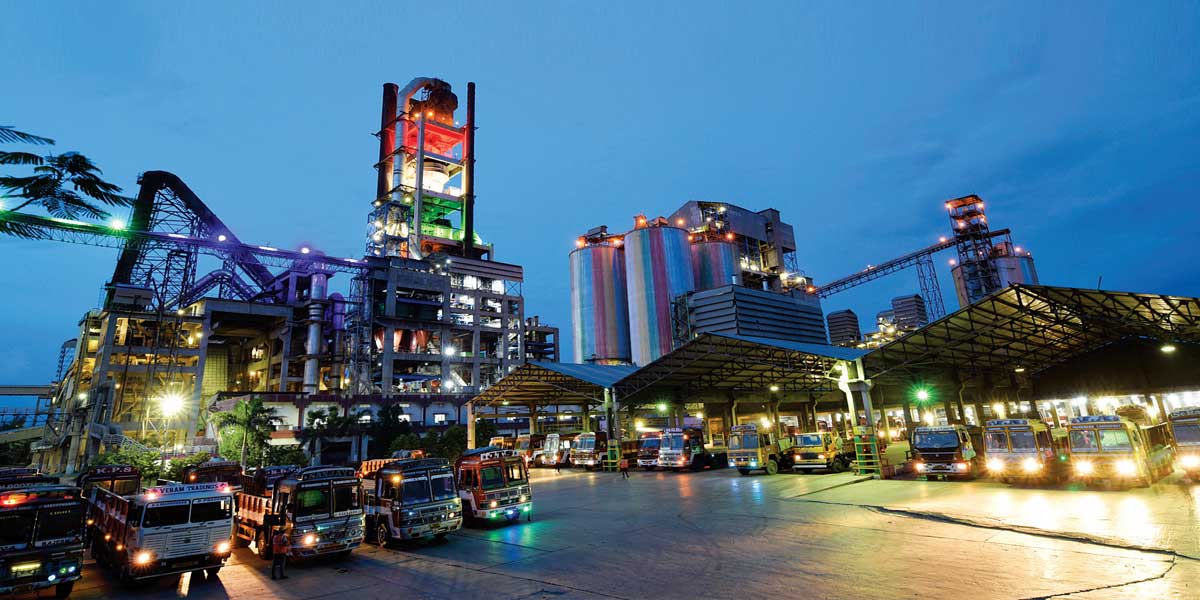
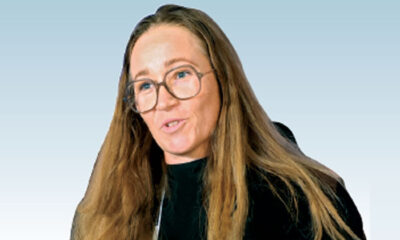
Ganesh W Jirkuntwar, Senior Executive Director and National Manufacturing Head, Dalmia Cement (Bharat) talks about technology and alternative fuels, which are important tools in the cement industry’s march towards reduction of carbon footprint.
Dalmia Cement Bharat has evolved to create a distinct identity for itself that is synonymous with sustainability and growth. The philosophy of ‘Clean and Green is Profitable and Sustainable’ has helped the company deliver on the expectations of its stakeholders. As a champion of blended cement, it is rapidly gaining popularity as a ‘green’ alternative to the traditional Ordinary Portland Cement in the construction sector. Three levers are being used to decarbonise the cement. Uses of supplementary cementitious materials like fly ash and slag have reduced clinker consumption and hence reduced carbon footprint in cement. Alternative fuels (green fuel) like industrial wastes, renewable biomass, municipal wastes etc., have reduced consumption of fossil fuel facilitating in achieving carbon neutrality. Increased dependence on renewable power sources like solar, waste heat recovery systems, wind power etc., is also helping the company achieve its goal of becoming the second green cement manufacturer.
Alternative fuels to the tune of 20 per cent by heat substitution are being used, putting it far ahead of any other Indian cement manufacture in uses of alternative fuel. Dalmia Cement Bharat wants to lead and drive the industry’s shift towards a sustainable use of alternative fuel in cement production by investing in requisite technology and machineries, and setting an ambitious target of achieving 35 per cent TSR by FY25. It uses industrial wastes, municipal wastes, agricultural wastes etc., as alternative fuel, which otherwise goes either into a water source or landfill and creates environmental issues. The use of these industrial wastes is a great example of a circular economy ecosystem.
Reducing the Carbon Footprint
Uses of alternative fuels and raw materials is helping the company fast-track its journey of achieving carbon negative. Dalmia carbon footprint at 467 kg CO2/tonne of cement (specific net CO2) is one of the lowest in the cement sector globally. Since the announcement of the carbon negative ambition in 2018, the specific carbon footprint has reduced by more than 9 per cent in the Scope 1 category and it is currently at 12.55 million tCO2/year. By reducing the scope 1 GHG emissions to 32 per cent per ton of cementitious material by FY ’34, they have also reduced overall scope 2 emissions by 30 per cent and are targeting to reduce scope 2 GHG emissions to 61.9 per cent per tonne of cementitious material by FY’34. Both these are on FY ’19 as base year and within the same timeframe validated by SBTi.
Role of Technology
Technology plays a pivotal role in determining the quantum of alternative raw materials and fuels to be used without compromising properties of cement. Online sampling, online particle size analyser, robotic lab etc., are great enablers for determining composition of alternative raw materials and fuels to be used. Nowadays digital technology is also facilitating in generating lots of insights from process data, which is helping in taking real-time basis decisions on desired composition of alternative raw materials and alternative fuels for achieving targeted quality of clinker and cement.
Cement making process has not undergone major overhaul since inception of dry cement making process, therefore basic chemistry and machinery are pretty much standardised across the industry. Cement composition is decided based on end uses and does not depend on plant machinery per say. Plant machineries are upgraded for switching to newer and efficient designed machines, replacing the old and obsolete machines etc. Plant machinery upgradation is a situational call in Dalmia and is decided based on group guidelines for reliability, technology adoption, ROA etc.
Alternative Fuels and Profitability
Cement producers worldwide are striving to lower their production costs. One effective method of achieving this end is the use of alternative fuels. Use of low-grade alternative fuels such as sewage sludge, biomass fuels such as wood products, agricultural wastes, etc. in precalciners is a viable option because combustion in a precalciner vessel takes place at a lower temperature.
Alternative fuel uses have been quite beneficial for us not only in terms of improving bottom-line but also helping gain tall recognition at the international stage. During peak fossil fuel prices, its uses helped reduce the spend on fuel to great extent and optimise variable cost of cement. Despite having a handicap of regional presence, Dalmia Cement Bharat could beat pan India cement players on cost front as result of substantial uses of alternative fuels.
Usages of alternative fuels lead to marginal increase in overall heat consumption. In case preheater fans and other equipment are being used at its full capacity, usage of alternative fuels may result in marginal reduction of clinker throughput.
Similarly, uses of alternative raw materials may impact cement quality, if not proportioned carefully.
Alternative fuel uses in Indian cement kilns is at the cusp of transformational change. Almost all cement players are adopting traditional technology and installing necessary infra for using alternative fuels in kilns. Uses of alternative fuel in kilns are limited by its chloride and ash contents. These issues are being taken care of by industry wide research and piloting of technologies, which has potential to reduce chloride and ash contents from alternative fuels. Various technologies for preprocessing of alternative fuels like pyrolysis, pyrorotor etc. are being piloted in India.
Government bodies, academia, industry bodies etc. are also doing extensive research on uses
of alternative raw materials for decarbonising cement.
ABOUT THE AUTHOR:
Ganesh W Jirkuntwar, National Manufacturing Head (Sr Executive Director) and EXCOM Member – Dalmia Group, comes with 27 years of experience in cement plant and manufacturing, operations and management, logistics, planning, quality and team management. He is also well-versed with lean management, TPM, Six Sigma and ISO 9000, 14000 and 18000. standards.