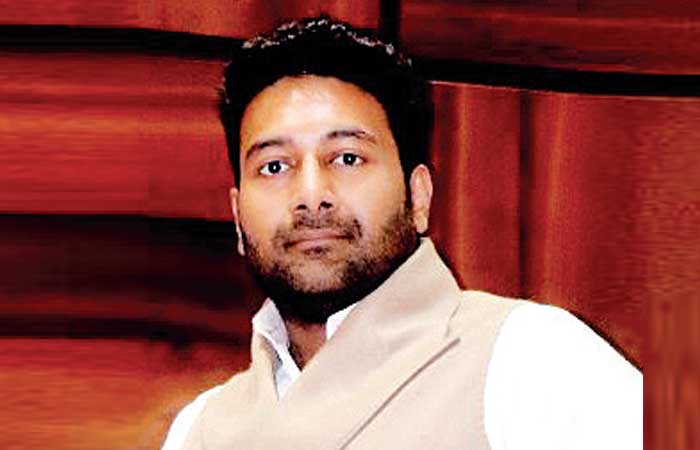
Anurag Bagaria, Director – Sales & Mining Head, KK Bagaria Group and Anurag Bagaria Group, discusses the restrictions on mining, the efforts his company is taking in reducing environmental impact and the collaborations that are on cards with cement companies to achieve net zero goals.
Tell us about the key materials that are mined for the cement industry?
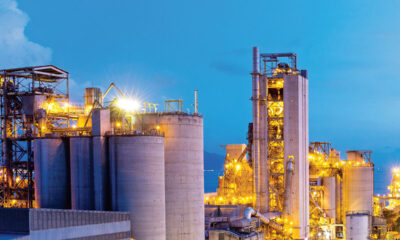
There are a lot of minerals mined and manufactured by us for the cement industry. We majorly mine high calcium limestone which helps give their product quality and strength. We are located in central India at Katni, Madhya Pradesh which is a hub for cement manufacturing. All major cement plants have their manufacturing units here and we have witnessed the growth and commissioning of a couple of plants every year like ACC Cement, four units of Birla Cement etc.
For the cement industry, we also mine the laterite stone, which is rich in Al2O3. They use it to derive a certain grade of bauxite for their manufacturing process. We also mine hydrated lime or quicklime, as a raw material for the cement industry.
For the energy needs of the cement industry, they burn coal in their furnaces. Coal mining is 95 per cent under the Government of India. Our role as miners is to procure the required grade of coal from the government and supply the same to cement plants.
We are also the manufacturer of high alumina fire bricks which are used in furnaces, ramming mass and castables in the cement plants.
Usually, the mining volumes are in lakhs of tonnes. However, it depends on the permissions from the government agencies like the Mining Ministry of India and the environment department.
Tell us about the state-of-the-art machinery and equipment used.
We use the best machinery and equipment for our work at the mines. JCB’s, poclain excavators, levelers, diesel excavators with bucket, wheel loaders, backhoe loaders, bulldozers, dump trucks, tippers, graders, rock breakers, vibratory compactors, cranes, fork lifts, dozers, off-highway dumpers (20T to 60T), drills, scrapers, motor graders etc., are the various machinery that we for our end-to-end mining process.
What is the role of automation and technology in your mining process?
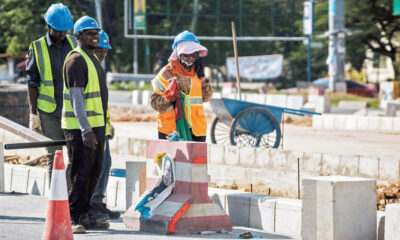
Yes, automation plays an important role in the mining process. Our mining, over the past 65 years, has been significantly labour intensive. However, now we have moved over to the use of machinery and equipment in the work process.
We have retained our labour forces as they have contributed greatly to the mining work and we believe in giving employment to them. It is a strong belief that if one hires the right person for the job then they make the functionality of technology, machinery and equipment better, making them more productive and efficient.
How do you incorporate sustainability in your mining process?
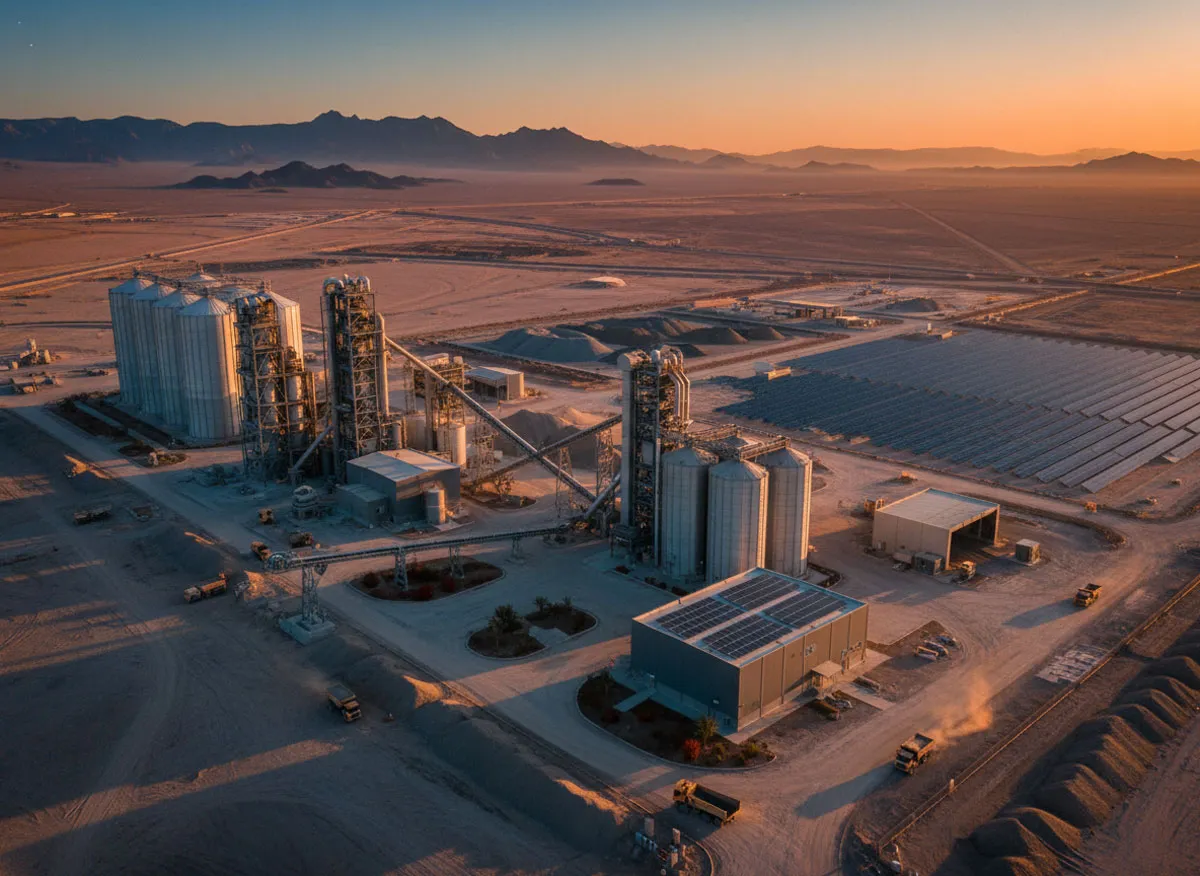
We incorporate sustainability into our mining process by using renewable energy sources, such as solar and wind power, to power our operations. We also use water recycling systems to reduce water consumption and minimise our environmental impact. Additionally, we use advanced technologies to reduce our carbon footprint and minimise our waste output. Finally, we strive to ensure that our operations are conducted in a responsible manner that respects the local environment and communities. Sustainable mining is an essential element.
What are the challenges in protecting the environment and running the business?
We cannot say that protecting the environment is a challenge because according to government rules and norms, mining has a lot of restrictions in the forest areas. The government only sanctions 250 metres of forest land for mining.
Also, to ensure that there is no loss of green in the forest, we have a plantation drive. In our time as miners, we have planted around thousands of trees over a period of time. We maintain around 6000 cows, which not only is good for the environment, but they also provide for the vermi compost that helps better grow the trees.
We strongly believe in a green planet and are aware of the rising carbon situation. As an organisation, our endeavour is to plant as many trees as we can and bring that amount of oxygen to the environment, thus contributing to the protection of our planet.
How do you think depleting reserves impact the supply of these minerals?
The lowering of mineral reserves shall surely impact the industries and it has been a topic of conversation and concern amongst those who use minerals as their primary source of products. It is for these reasons that sustainable mining has gained popularity and is a means to maintain these reserves.
As the reserves of limestones and other minerals are depleting, it can have a significant impact on the supply of these minerals to cement players. This could lead to an increase in the cost of production, as they may have to source these minerals from more expensive sources. It could also lead to a decrease in the availability of these minerals, which could lead to a shortage of supply and an increase in prices. This could have a negative impact on the cement industry, as it could lead and with time and due to new technology materials, which are treated as low grade limestone are also being used with plants by installing washers and other machines which help in increasing their grade.
For example, earlier high silica limestone is not used in the manufacturing process now we wash the material due to which the silica percentage decreaseds, so it could be used for cement manufacturing.
How do you envision your collaboration with the cement industry in the coming years?
I envision our collaboration with the cement industry to focus on developing innovative solutions to reduce the environmental impact of cement production. This could include exploring new technologies and materials to reduce emissions, developing more efficient production processes, and finding ways to reuse and recycle materials. Additionally, I believe that our collaboration should focus on educating the public about the importance of sustainable cement production and the benefits of using sustainable materials.
-Kanika Mathur