Dr Hitesh Sukhwal, Deputy General Manager – Environment, Udaipur Cement Works, discusses how the highly energy-intensive nature of cement production can be changed with the use of automation and optimising processes.
What is the energy consumption in one cycle of cement manufacturing process? Which process is the most energy intensive?
Cement manufacturing is a highly energy intensive process. It requires a large number of resources for making availability from raw material to finished goods. The cement manufacturing process can be divided into three major processes viz. raw material processing, clinkerisation and finish grinding processing (cement production – finished goods). Based on the water content in raw materials, the cement manufacturing process further can be divided into four categories like dry, semi-dry, semi-wet and wet process. Since cement production requires complete evaporation from the raw material, a higher percentage of water content will require a more energy intensive process.
In general, energy consumption in the cement industry is fulfilled from electrical energy and thermal energy from different kinds of fuels. Over 90 per cent of the energy consumed from fuels in the production of clinker. On the other hand, electrical energy is used for processing the raw material, burning the clinker, grinding of finished product, packaging etc. Maximum utilisation of electrical energy in cement manufacturing process is in grinding.
Based on the manufacturing process whether dry, semi dry, wet process, energy consumed accordingly. Today with few exceptions, almost all cement industries have adopted the dry manufacturing process, which is a more efficient process for energy consumption in comparison to wet processes.
What are the sources of energy used for cement manufacturing in your organisation?
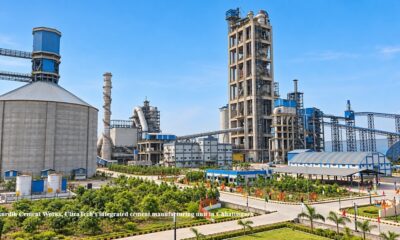
Udaipur Cement Works Limited (UCWL) has an integrated cement plant with an installed production capacity of 2.2 million tonnes per annum (MTPA).
Our company is committed towards sustainable business growth by adopting the latest state-of-theart technology based and resource efficient equipment in its manufacturing process. The company has ISO certification for Environment (14001), Occupational Health and Safety (45001), Energy (50001) and Quality Management System (9001). Company has also inventoried its carbon and water footprint as per ISO 14064 and ISO 14046.
With in-house innovations, our company has done various energy saving projects and reduced energy consumption. UCWL has a 6.0 MW waste heat recovery-based power plant as a green power source.
During fiscal 2021-22, UCWL increased its solar power generation capacity by 4.35 MW, in addition to the existing 10.1 MW. Further, our unit is going to install 10 MW WHRS with the ongoing Line 2 project. Today, the company sourced about 45 per cent of its energy from green power sources in the total power mix i.e., Solar and WHRS. We are also utilising alternative fuel as a source of thermal energy.
How does automation and technology help in optimising the use of energy in cement plants?
Cement industry is highly energy intensive. We are living in a new era of digitalisation. Nowadays, everything we want on our one hand about operational reports, monitoring, checking data and verification and of course the health of machines in day-to-day operation. It is only possible by adopting technology innovations and automation by the industry. Every cement industry is improving productivity to make up for the upcoming demand in consideration with cost viability. An improvement in a production technology is the best way for reduction in energy consumption. The latest digital technology is a key element for the continuous improvement for operational excellence. Advanced HMI/SCADA empowers optimal supervision and control of all operational sections in cement plants. These control devices can be linked up with equipment and enabled to get trends of machine, alarms etc., which can further be used as a reporting tool for desktop meeting and decision making. To become energy efficient is a need of the hour for the cement industry. There are technology solutions with which the industry can reduce and optimise the use of energy in cement plant such as by installation of sensors in various operational units, automated real time weighing system, smart metering for accurate measurement and monitoring, real time data acquisition system, online process sensors for getting operational report, advanced process control system, remote access for online monitoring etc. For example, Variable Frequency Drive (VFD) is the best example in the cement industry to cut down energy consumption in various operations.
What are the major challenges your organisation faces in managing the energy needs of the cement manufacturing process? As I said, our unit is meeting out more than 45 per cent of its total electrical energy requirement from the green renewable sources viz. solar and WHRS. Remaining electrical energy requirements are being fulfilled from the grid. Sometimes fluctuation in power supply from the grid disturbs the main operation in cement plants. We are working upon improving and getting rid of this issue for the plant.
Regarding thermal energy concern, dynamic fuel prices affected the input production cost in cement manufacturing. Tell us about the compliance and standards followed by you to maintain energy use and efficiency in the organisation? Our manufacturing unit is covered under the Perform, Achieve and Trade (PAT) scheme under Bureau of Energy Efficiency (BEE) by the Ministry of Power, Government of India for reducing its specific energy consumption year on year.
The company is also certified with ISO 50001 for Energy Management.
How often are audits done to ensure optimum use of energy? What is the suggested duration for the same?
As I stated earlier, our company is covered under the PAT scheme. We are an ISO 50001 certified company under energy management. We have a dedicated resource under the designation of ‘energy manager,’ who is qualified to keep a check on the energy consumption of the plant and continuously optimise the same.
A periodic energy audit (once in three years) as per EC Act is done. Half yearly internal audits and external audits once a year are performed under energy management. Moreover, power monitoring reports are discussed on an everyday basis during the desktop production meeting.
How does energy conservation impact the profitability of the organisation? What impact does it have on the productivity of the process?
The cost of cement production is governed by so many factors like availability of raw material, quality of raw material and off course fuel for thermal energy and electrical energy. As we know, the cement industry is highly energy intensive. The cost of energy as a part of the total production in the cement industry is significant. To improve the bottom line, the cement industry needs to focus on energy conservation and effective management. A huge amount of thermal energy is consumed in clinkerisation whereas high electrical energy is consumed in the grinding section.
The cost of energy per unit directly impacts the profitability of the organisation. The dynamic price of fuel and cost of electrical energy production played an important role in the cement making cost.
What are your efforts towards carbon emission reduction?
In view of climate change and the COP 26 commitments by the nation, today the UCWL meets more than 45 per cent of its total electricity requirement from the green renewable sources like solar and WHRS. The company has increased its capacity by installation of 4.5 MW solar power generation in addition to the 10.1 MW existing solar power capacity.
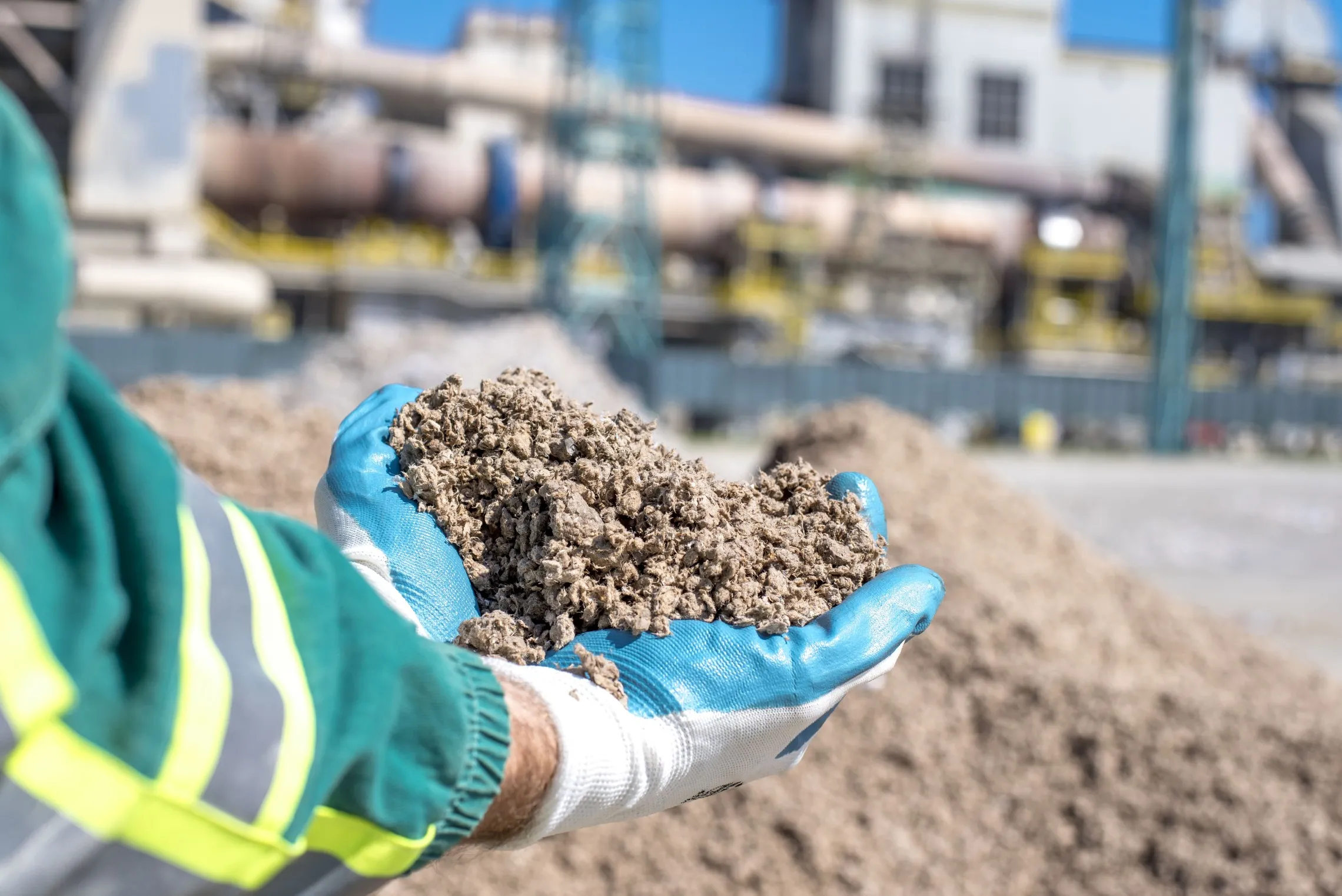
In addition to the existing 6 MW WHRS, we are going to increase WHRS capacity by installation of an additional 10 MW WHRS. By using green renewable power sources, we will be able to reduce a significant amount of carbon emission from our operation. We are also utilising alternative fuel or industrial waste derived fuel in our cement manufacturing process, which is also an impact on carbon emission reduction.
In what areas can cement manufacturers drastically reduce their energy consumption and how?
The cement industry is giving major thrust on energy saving projects. With the help of process optimisation, adoption of technological innovation, digitalisation of process control system, manufacturing of blended cement, AFR, retrofitting of old machineries/ motors, replacement of ball mills with vertical raw mill, efficient pollution control equipment etc. cement manufacturers can reduce energy consumption, cost of production and reduction in carbon emission.
Vertical roller mill is more energy efficient and requires less space as compared to a ball mill. By installing a roller press (for size reduction) before the mill can improve grinding quality. The significant changes in technology in the grinding section will reduce electrical energy requirement (specific energy consumption). Increase in blended percentage in cement making decreases specific energy consumption.
What kind of innovations in the area of energy consumption do you wish to see in the cement industry?
In the near future, sustainability and digitisation will be two key areas for cement business development.
Every technology innovation in terms of automation and digitisation will lead the cement industry in the area of energy consumption, carbon emission reduction and profitability.
Artificial intelligence and Industry 5.0 can provide new innovations in energy reduction. Innovation in plant machinery, robotics and manufacturing of eco green cement will make sense for cement sustainability.