

Concrete
Mining in India: Moving Towards a Sustainable Future

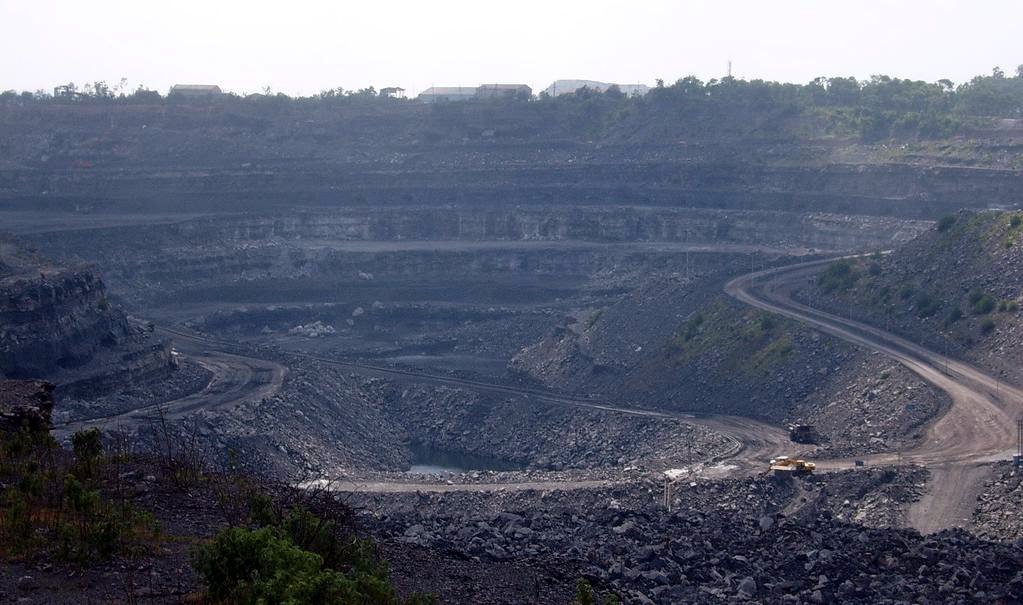
The mining industry in India has to ramp up its efforts in order to be more energy efficient and sustainable. Since the process of mining plays an important role in cement manufacturing, we take a closer look at the impact of mining on the environment, human health and biodiversity, and the sustainable processes that are the need of the hour.
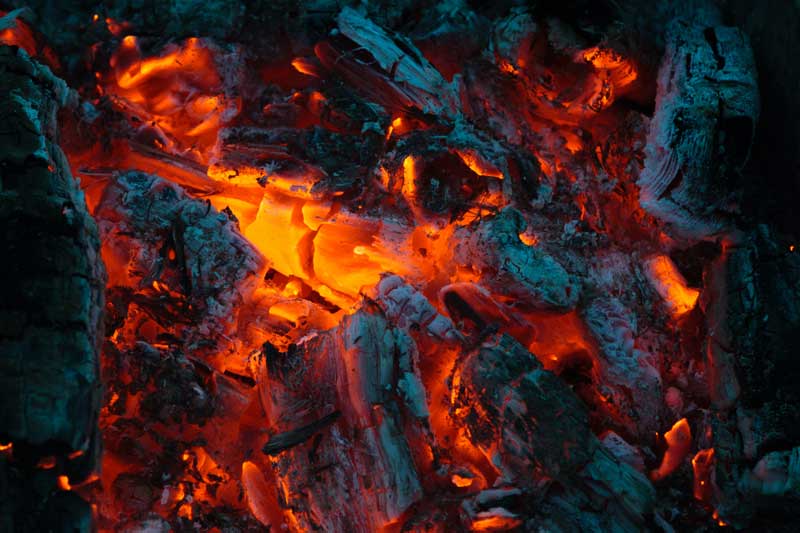
The mining industry in India contributes significantly to the economy, amounting to around 10 to 11 per cent to the industrial sector. This industry took a modern turn post the economic reforms of 1991, and the 1993 Mining Policy further helped its growth. India has a rich reserve of mineral and non-mineral ores distributed in five mineral belts across the length and breadth of the country. The geographical distribution of mineral belts are the North Eastern Peninsular Belt, Central Belt, Southern Belt, South Western Belt and North Western Belt. The index of mineral production of the mining and quarrying sector for November 2021 stood at 111.9, which was 5 per cent higher than the level in November 2020.
Mining in India falls under the legal and constitutional framework. Mining operations are regulated under the Mines and Minerals (Development and Regulation) [MMDR] Act of 1957. The State Governments, as owners of minerals, grant mineral concessions and collect royalty, dead rent and fees as per the provisions of MMDR Act. These revenues are held in the Consolidated Fund of State Government until the state legislature approves their use through budgetary processes. The MMDR Act was enacted to provide for the regulation of mines and development of minerals under the control of the Union. The Act has been amended in 1972, 1986, 1994 and 1999 in keeping with changes in the policy on mineral development.
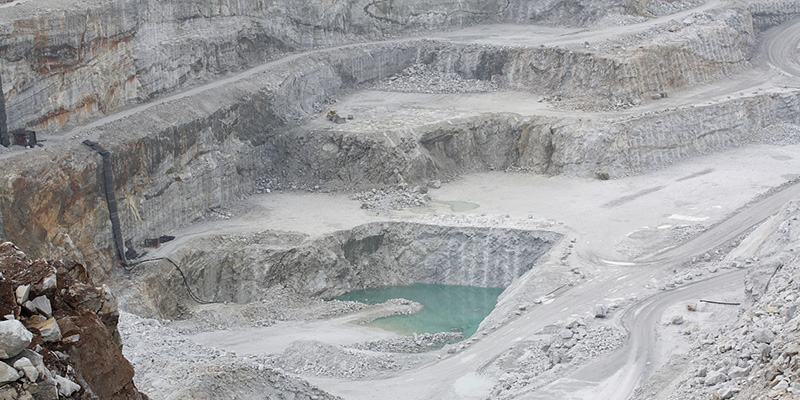
In 2015, the act was amended with the intention of removing discretion and introducing more transparency in the grant of mineral concessions. The amendments now made to the MMDR Act, 1957 provide that mineral concessions will be granted only on the basis of bidding at an auction, for the prospecting stage or mining stage on a case to case basis.
The metals and mining sector in India is expected to witness a major reform in the next few years, owing to reforms such as Make in India Campaign, Smart Cities, Rural Electrification, and a focus on building renewable energy projects under the National Electricity Policy as well as the rise in infrastructure development.
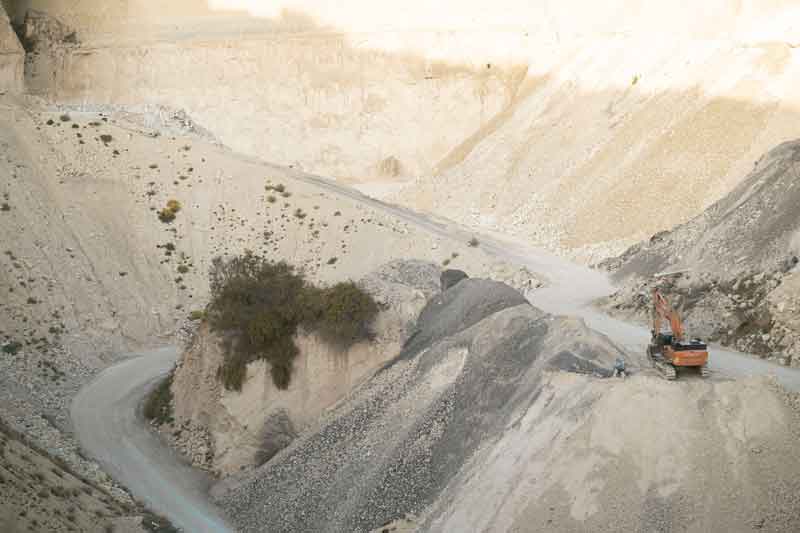
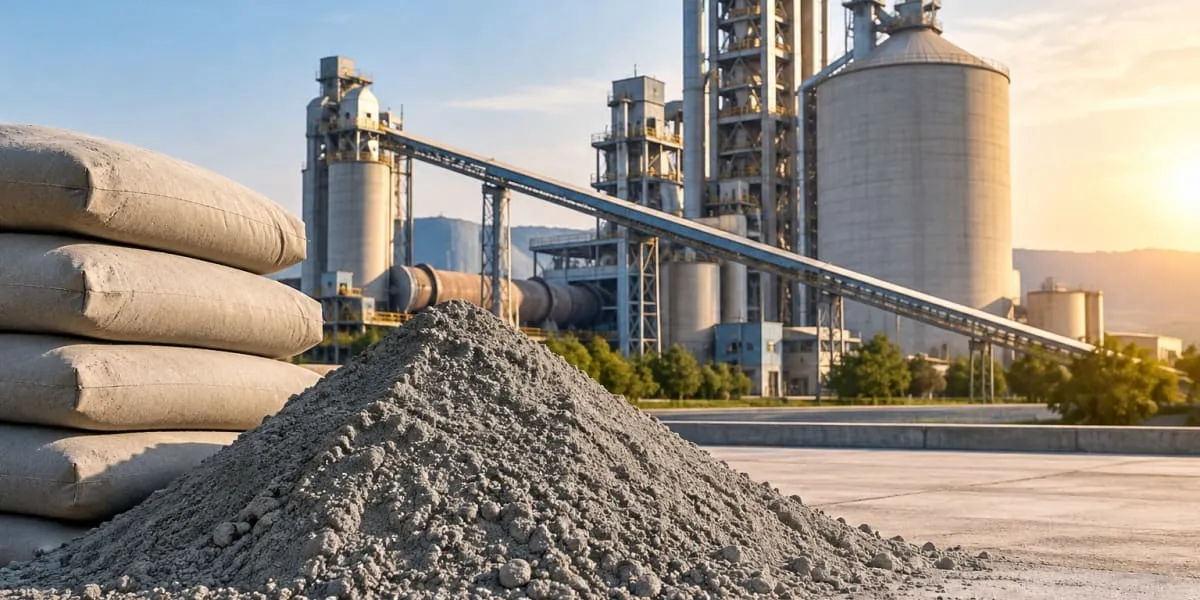
The cement industry largely consumes two minerals – limestone and coal – in the cement making process, which are extracted by the mining from the reserves across the country. Limestone is the primary raw material used for making cement, while coal is extensively used to generate energy for the cement kilns.
The production level of limestone stood at 303 lakh tonnes as of November 2021. According to Invest India, National Investment Promotion and Facilitation Agency, India is home to 1,303 coal mines in 2019-2020, making it the second largest coal producer in the world, producing 716.084 MT coal.
Impact of mining on the environment
Mining of raw materials from quarries may result in enhanced production of the end product, but has an adverse impact on the environment. The effects can result in erosion, sinkholes, loss of biodiversity, or the contamination of soil, groundwater, and surface water by the chemicals emitted from the mining processes. These processes also affect the atmosphere from the emissions of carbon, which have an effect on the quality of human health and biodiversity.
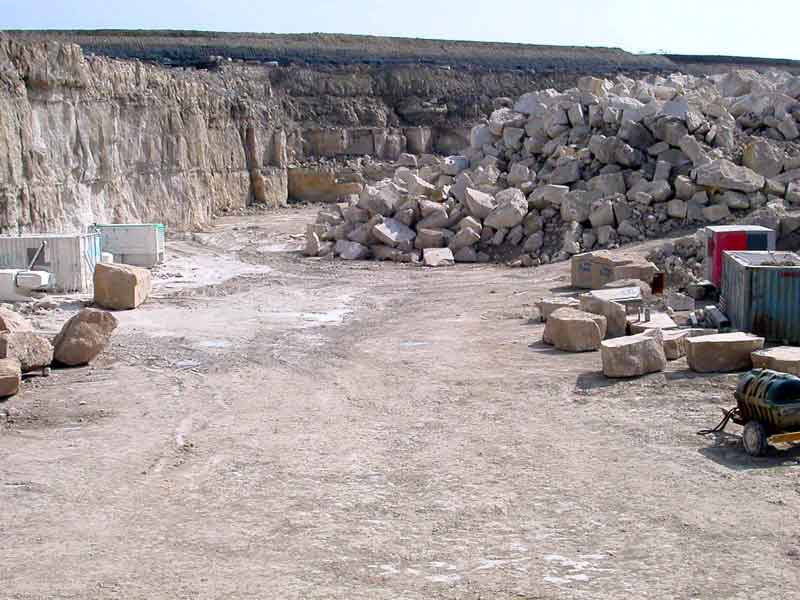
The air around the mines is greatly impacted by the release of unrefined particles. Wind or vehicular movements make these fine particles airborne affecting people living close to the mines and causing health issues. Similarly, mining can also lead to the pollution of water bodies surrounding the mines, which could occur due to mineral or sediment deposits, acid mine drainage or waste disposal. This could hamper the quality of water surrounding the mines, leading to water pollution and health problems to those who may consume this water in some form. Land and biodiversity close to the mines are also impacted; it may lead to soil erosion and landslides while disrupting the life of living creatures in the area.
Mining and the cement industry
Mining is an integral part of the cement making process. It is the first step in obtaining the key raw material – limestone – from quarries to make the final product. Limestone is obtained from the deposits or rock by blasting or mechanical excavation depending on the hardness of the rock. It is then crushed into smaller chunks. After crushing the stone is sorted into different fractions by screening, after which it is processed further. In the grinding process, the limestone is ground to a fine powder.
Most of the limestone is obtained from open quarries. The extraction is carried out by open cast method on both small and large scales. The small-scale extraction of limestone is done manually by individuals using minimal machinery. The limestone beds are drilled for blast holes using drilling machines, after which the rocks undergo blasting. The limestone rocks undergo manual sizing, in order to obtain rock pieces of suitable sizes for easy transportation and processing.
For cement, limestone mining takes place on a large scale by the underground mining method. The basic operations in underground mining are drilling, blasting, loading and hauling, scaling and roof bolting. Drilling equipment includes horizontal drills and down hole track drills. This equipment results in much smaller blast holes and a lower volume of rock produced with each blast. Other equipment required in the underground mine includes powder loaders, which are used to blow ammonium nitrate–fuel oil mixtures into the blast holes. Scaling rigs, which are used to remove loose rocks from the ribs and roof of the mine, and roof-bolting equipment may also be required in an underground mine.
“Mining is undertaken as per the approved mine plan. All environmental parameters as per the norms of the Ministry of Environment, Forests and Climate Change (MoEFCC) are taken into consideration while preparing the mine plan. Since mining is localised to a few hectares of area only, hence its impact is negligible. The areas of concern are air, water and noise pollution, which are monitored regularly while dust suppression is a regular process as per the guideline of DGMS as well as IBM. Impact on the lease area is minimal,” says Hitesh Sukhwal, Senior Manager (Head Environment), JK Lakshmi Cement Ltd.
“The mining area is selectively identified, and parameters such as reducing diesel consumption, less lead distance, fuel efficient equipment, separate dumps for rejects, dust suppression with less quantity of water (like fogging system), optimum utilisation of resources, working and calibration of cross belt analyser are some considerations, which are taken into account while carrying out mining. Monitoring of all the mentioned parameters helps in identifying areas of concern and thereby leads to optimisation of the mining operations,” he adds.
Cement making is an energy intensive process and coal provides for 90 per cent of the energy consumed by cement plants around the world. India is one of the largest producers and consumers of coal, with the cement sector dominating its consumption. The Coal India Limited (CIL) is the state-owned miner for the country and accounts for over 80 per cent of domestic coal production. CIL coal production target for India is set to 1 billion tonnes by FY2020. However, the cement industry gets about 5 per cent of coal from within the country, and the rest of its coal demand is met through imports. The combustion process results in the emission of carbon dioxide, which is a prominent reason for air pollution.
There are four types of coal available in India, namely, peat, lignite, bituminous coal and anthracite coal. The most consumed amongst these are lignite and bituminous. The cement industry mainly uses non-coking bituminous coal and lignite in small quantities in plants in Tamil Nadu and Rajasthan. Specifically, the coal used by the cement companies is of grade G4, G5, G6, G7, G8 and G9.
The industry is constantly looking for alternative solutions to replace coal and reduce the carbon emission by substituting it with other energy giving materials. This is a conscious effort taken by all large players in the cement industry.
This leads to the cement industry being one of the largest consumers of coal and buyers of the mined mineral. Coal mining has its own set of impacts on the environment. “Coal mining activities change the land use pattern and thus, impact the flora, fauna, water table and vegetation in the mining area and surrounding to an extent. However, by deploying sustainable practices, which are part of mine planning and implementation, this impact can be reduced to a great extent,” says Pukhraj Sethiya, Associate Vice President – Mining & Integrated Coal Management, Adani Enterprises.
“We have been deploying sustainable mining practices in our mines, which has mitigated the impact of mining activities on the environment to a great extent while at the same time generating a large number of employment opportunities. The sustainable practices that we have adopted include transplantation of trees rather than simply cutting them, soil storage, water treatment and reutilisation and coal transportation through mechanised and covered means,” he adds.
Mining waste – a resource or hazard?
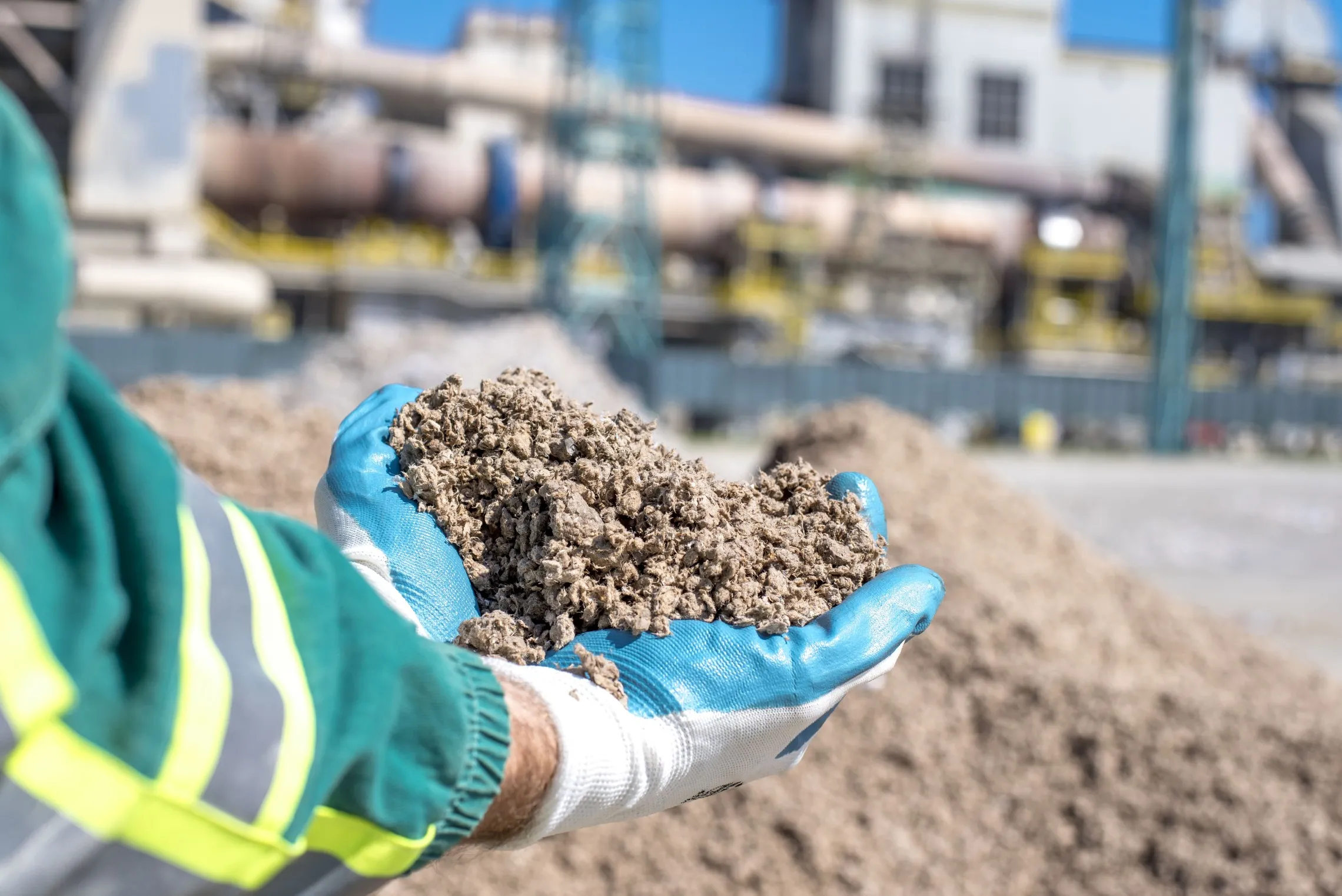
According to the Indian Bureau of Mines, it is estimated that well over 170 million tonnes of solid wastes related to mining are generated in India every year. This is expected to rise substantially to 300 million tonnes with the increase in production of various minerals. Due to shortages of some minerals in the natural reserves and depletion of high-grade ores, leaner grade ores are being mined which generate a large amount of waste. Adding to this, the preferred method of mining for industries is the open cast method for its high productivity, economic viability and safety aspects, which leads to large volumes of waste generation.
This rock waste generated cannot be immediately back filled due to geological constraints and has to be planned and phased out. This results in stacking of this waste externally creating a mining waste dump.
“We practice zero waste mining as part of our sustainable process. The waste generated during the mining (while removing the soil or hard rocks) we use the waste for the back filling. When we move the limestone that is exposed through drilling and mining, a pit is formed and we use the waste material from the mining process to fill back the pit,” says SK Tiwar, Director Technical, Heidelberg Cement (India).
Besides occupying a large area of land, these dumps impact the landscape forestry and vegetation of the location. Wash-offs from these dumps pose siltation of nearby water bodies and agricultural fields. They are also prone to wind erosion.
While this waste is an unavoidable damage to the land, there are many ways of rehabilitating the area where the waste is dumped. The design of the waste should accommodate progressive rehabilitation to ensure a minimum area is disturbed at any given time. This waste can also be used in alternative jobs, like construction or landfills, to put it to good use and reduce the stacking and dumping of the same.
It must be ensured that a proper drainage channel is created from the waste dump in case heavy rainfall is expected in the area. This shall prevent the nearby land from getting contaminated with the waste residues. Proper rehabilitation of tailings must be planned in order to avoid contamination of water sources around the dump area.
Rehabilitation of the mining waste dump areas should aim to establish a vegetative cover and increase rainfall infiltration. Dumps with higher salt content must be screened with overburden of the lowest salt content.
In all the above methods, the mining waste dump must be attended to and should be put to use or rehabilitated to avoid damage to the environment, water and people around the area.
Neeraj Akhoury, CEO India, Holcim Group and Managing Director & CEO, Ambuja Cements Ltd for World Cement, said, “Building a sustainable green construction sector will be the outcome of an active participation of not only cement and other building materials manufacturers but also end consumers and governments. The level of awareness among all stakeholders is much better than what it used to be even a decade or so ago. We can draw a lot of confidence and optimism about the future of a sustainable construction sector from similar achievements like the growth in clean mobility (electric vehicles) and also the impressive strides made in India’s renewable energy sector. A very green construction sector is not very far behind.”
The cement industry consumes mined materials for their varied processes, and its volume has the potential to change the game for the environment. Shifting practices towards sustainable means can lead to a greener country with cleaner air. With advanced technology and better planning, this is an achievable feat. Influential players in the cement industry are making efforts to help heal the environment and create mining processes that do more good than harm.
Kanika Mathur









JSW Cement Commissions 1 MTPA Unit in Rajasthan

Wonder Cement appoints Mahesh Singh as VP Corporate Brand Communication

JSW Cement commissions additional 1 MTPA grinding unit in Rajasthan

JSW Cement Boards Approve Proposed Shiva Cement Merger

JSW Cement commissions additional 1 MTPA grinding unit at Nagaur
JSW Cement Commissions 1 MTPA Unit in Rajasthan
Wonder Cement appoints Mahesh Singh as VP Corporate Brand Communication
JSW Cement commissions additional 1 MTPA grinding unit in Rajasthan
JSW Cement Boards Approve Proposed Shiva Cement Merger







