Concrete
Revealing the numbers behind calcined clay


Clay is a naturally occurring material found almost everywhere around the world with the potential to replace 30 per cent of the energy intensive clinker. But how does the calculations look in terms of fuel- and power consumption. We did the math.
One of the great benefits of calcined clay is that it activates at a much lower temperature than that required to make clinker. With temperatures of 750 to 850˚C instead of 1,400 to 1,500˚C and much lower costs for grinding and handling, you gain significant fuel and power savings – 30 per cent and 40 per cent, respectively – when comparing the operating cost to make 1 tonne of clay versus 1 tonne of clinker. While this is obviously a great result for the environment, it also makes for much lower operating costs, enabling you to achieve a reduced cost per tonne of cement.
Table 1 shows typical values for a direct comparison between traditional OPC (95 per cent clinker and 5 per cent gypsum) and LC3, a cement made of 50 per cent clinker, 15 per cent limestone, 30 per cent activated clay and 5 per cent gypsum. The impact is clear: 40 per cent lower CO2 emissions per tonne of cement. That is without considering the further reductions you could gain if you also switched to more environmentally friendly fuels.
Table 1
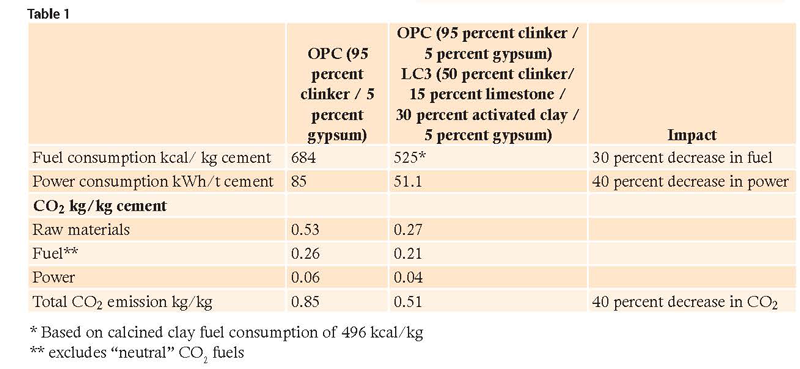
You’ll note that Table 1 also references the fact that by halving clinker content, you could double cement production. This would certainly be a driver for cement manufacturers seeking to increase productivity. However, even where extra capacity is not required, the benefits are incredibly valuable. A more efficient, more environmentally friendly process – working smarter, not harder.
Managing the risks of a new investment
With any new technology, there will always be some hesitation. Being an early adopter carries risks as well as benefits. But having dedicated ourselves to MissionZero – equipping the cement industry with the means to achieve net zero emissions by 2030 – we want to give cement manufacturers the confidence that they are investing in solutions that will work for them. That’s why we set up a pilot plant in our test facility in Denmark, specifically dedicated to calcined clay.
Here, we can carry out full chemistry and mineralogical testing of your clay source, as well as a clay reactivity analysis. We can also put your clay through our pilot test system, including crushing/drying, calcining, colour control, strength testing, etc. to show that the clay will meet the strength and colour requirements of a blended cement for ultimate peace of mind before making an investment.
This facility was instrumental in the decision by French cement manufacturer Ciment Vicat to invest in a 525 tpd clay calcination plant, which will be built in France. Citing increasing demand for sustainable cements as one of their main drivers, Ciment Vicat approached us with the project knowing we had the ability to confirm the suitability of their locally available clay source. We tested 5 tonnes of clay and were able to give them the reassurance they needed to proceed with the investment.
“With the results from the pilot studies at FLSmidth’s test facilities, we are confident that this technology will provide a truly environmentally-friendly alternative, enabling us to reduce CO2 emissions by 16 per cent compared to our existing cement products as soon as the site is commissioned in 2023, and perhaps even more than that in the future,” says Renaud Claie, Project Director at Vicat Group. Leadership like this is so important to moving the industry forward. Where one global leader moves, others will follow. We congratulate Ciment Vicat on their initiative and commitment to their sustainability goals.
One decade to make a difference
Calcined clay is a stable, widely available resource that slots in easily to the existing cement manufacturing process. It requires new but familiar technologies. It produces a different but equally high-quality cement product, at a lower cost, using less energy and less fuel. It has the potential to dramatically reduce the cement industry’s environmental impact.
What are we waiting for? FLSmidth is ready to assist with your clay calcination plans and to help answer any questions or concerns you might have. This is our decade to make a difference. We can reduce the pressure on our industry and on our planet by moving the cement industry over to a more environmentally friendly cement product as standard.

Concrete
Ultra Concrete Age
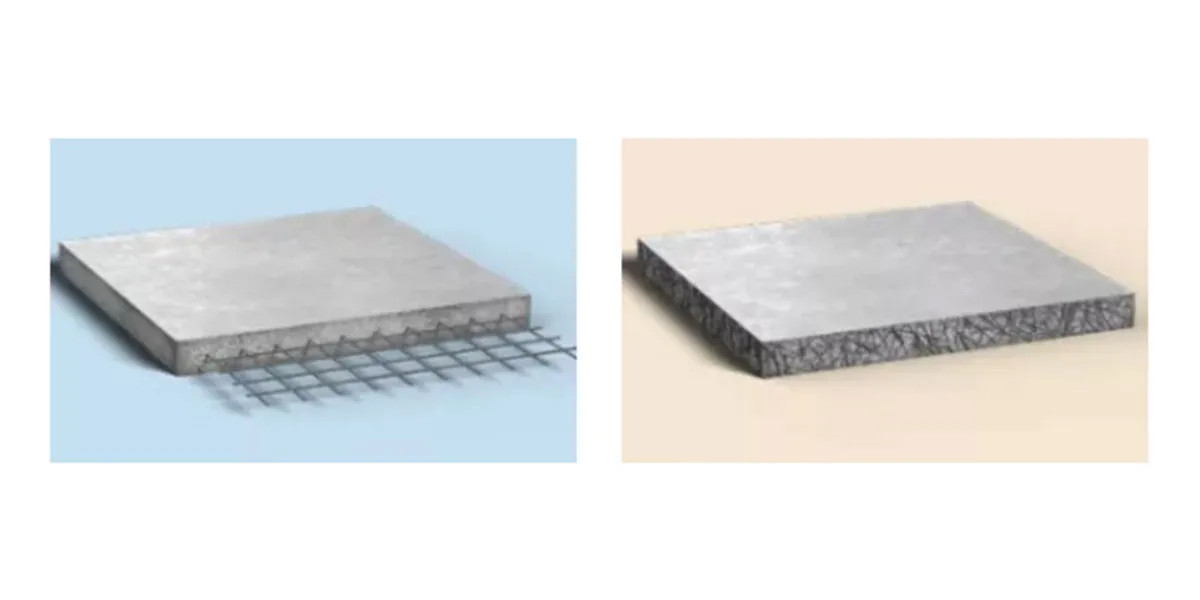
Prof. A. S. Khanna (Retd., IIT Bombay) on how Ultra-high performance concrete (UHPC) improves strength, durability and lifecycle performance.
Concrete
NCB Signs MoU With Cement Manufacturer To Boost Construction Skills
Partnership to deliver nationwide training and certification
Concrete
JSW Cement Commissions Nagaur Plant, Enters North India
New Rajasthan unit boosts capacity to 24.1 MTPA and expands reach


Ultra Concrete Age

NCB Signs MoU With Cement Manufacturer To Boost Construction Skills

JSW Cement Commissions Nagaur Plant, Enters North India

Cement Prices Likely To Rise As Petcoke Costs Increase

IIT Guwahati Develops Radiation-Resistant Cement Mortar
Ultra Concrete Age
NCB Signs MoU With Cement Manufacturer To Boost Construction Skills
JSW Cement Commissions Nagaur Plant, Enters North India
Cement Prices Likely To Rise As Petcoke Costs Increase