Connect with us

Concrete

Forecast: Black, Green or Blah Blah Blah…?

Published

on

Shares

The entire world was looking at the 26th edition of Conference of Parties (COP26) with high expectations.

The entire world was looking at the 26th edition of Conference of Parties (COP26) with high expectations. With almost 200 countries weighing in with their outlook on carbon emissions, COP26 achieved in voicing opinions but lacked in concrete decisions. The outcome of the summit received mixed reactions – from Swedish climate activist Greta Thunberg summarising it as ‘blah blah blah’ to 151 countries submitting their new climate plans to slash their emissions by 2030. However, at the end of it all, it was concluded that climate action is imminent, and we cannot delay it any further.

Intrinsically cement is an energy intensive material and moreover its production uses large amounts of non-renewable materials. The manufacturing of cement generates between 5 to 10 per cent of the harmful anthropogenic gases that impact the climate negatively. With the world production of cement estimated to reach 5 billion tonnes by 2030, there seems to be an alarming situation in the future. Therefore, cement industriesand buildings professionals are advocating for the use of industrial by-products and environment friendly materials that could mitigate the negative impacts threatening sustainable development.

A report by McKinsey states that the cement industry alone is responsible for about a quarter of all industry CO2 emissions, and it also generates the most CO2 emissions per dollar of revenue. This puts cement production at the centre of the eye of the storm. The UK, India, Germany, Canada and UAE have committed to support new markets for low carbon steel, cement and concrete at COP26.

Ian Riley, CEO, World Cement Association, while speaking at the Sustainable Innovation Forum (SIF), called upon governments to encourage faster adoption of low-carbon technologies. This has paved the way for more innovations in the field and I am positive that India will be at the forefront of it with cement manufacturers and technology start-ups pitching in with their respective expertise.

Closer home, there has been a spike in cement prices, which will have a domino effect on the construction industry. According to CRISIL, rising input costs have pushed the cement prices through the roof. All commodities, for various reasons, are on a spiral. Now only demand dynamics can bring stability.

Who would have believed in March 2020 that even in January 2022 we would be seeking succour from the pandemic? Yet by some twist of fate, sustainability and climate change have received larger acceptance during this period.

At Indian Cement Review, we bring you a comprehensive take on decarbonising the cement industry with both Indian and global perspectives in this annual issue. The industry has fared well through the trying times of 2020 and 2021, and while we are poised for a successful and sustainable year 2022, we have a responsibility to fulfil.

Pratap Padode, Founder & Editor in Chief

Continue Reading
Click to comment

Leave a Reply

Your email address will not be published. Required fields are marked *

Concrete

Ultra Concrete Age

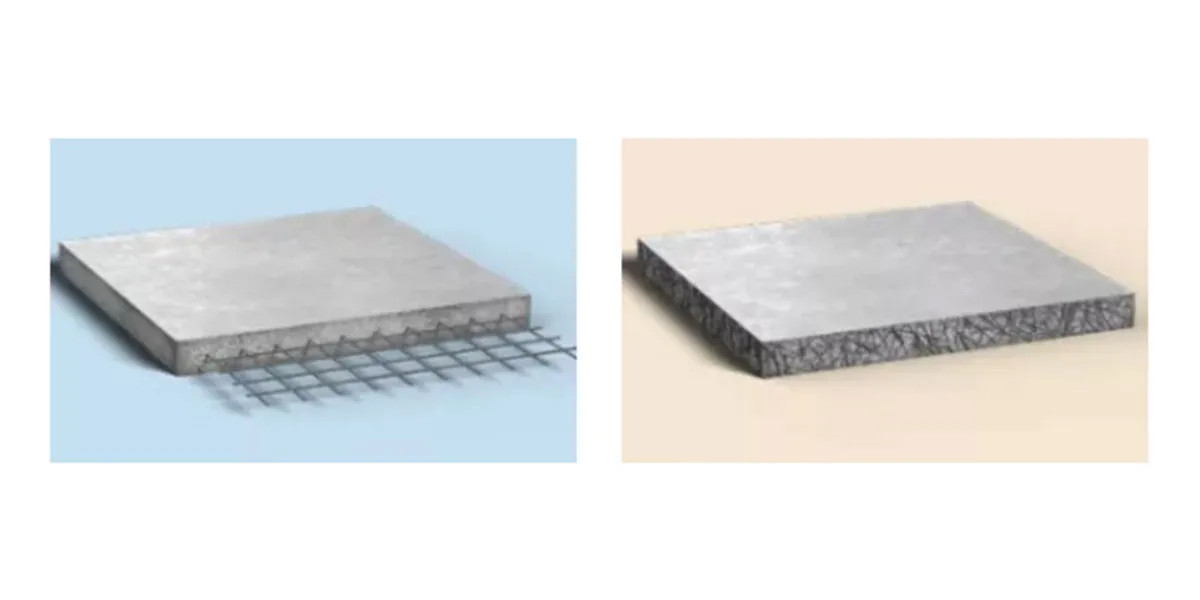
Prof. A. S. Khanna (Retd., IIT Bombay) on how Ultra-high performance concrete (UHPC) improves strength, durability and lifecycle performance.
Published

on

By

Shares


The need of present time is stronger buildings, industrial or common utility buildings, such as Malls, Railway stations, hospitals, offices, bridges etc. For this, there is need of long durable, tough and stable concrete, which could stand under normal and seismic conditions. Tough railway bridges are required for bullet trains to pass without any damage. Railway tunnels, sea-links, coastal roads, bridges and multistorey buildings, are the need of the hour. The question comes, is the normal cement called OPC is sufficient to take care of such requirements or better combination of cements and sand mixtures is required?
Introduction
A good stable building structure can be made with a good quality of cement+sand+water system. Its quality can be enhanced by keeping the density of admixture higher (varies from 30 in normal buildings to bridges etc to 80). Further enhancement in the properties of various cements admixtures is made by adding several additives which give additional strength, waterproofing, flexibility etc. These are called construction chemicals…

Continue Reading

Concrete

NCB Signs MoU With Cement Manufacturer To Boost Construction Skills

Partnership to deliver nationwide training and certification
Published

on

By

Shares


The National Council for Cement and Building Materials (NCB) has signed a memorandum of understanding with a leading cement manufacturer to strengthen skill development and capacity building in the construction sector. The agreement was formalised at NCB premises in Ballabgarh and was signed by the Director General of NCB, Dr L. P. Singh, and the head of technical services at UltraTech Cement Limited, Er Rahul Goel. The collaboration seeks to bring institutional resources and industry expertise into a structured national training effort.

The partnership will deliver structured training and certification programmes across the country aimed at enhancing the capabilities of civil engineers, ready?mix concrete (RMC) professionals, contractors, construction workers and masons. Programme curricula will cover material quality testing, concrete mix proportioning, durability assessment and sustainable construction practices to support improved construction outcomes. Emphasis is to be placed on standardised assessment and certification to raise practice levels across diverse construction roles.

Practical learning elements will include workshops, site demonstrations, technical seminars and exposure visits to plants and RMC facilities to strengthen applied skills and on?site decision making. The Director General indicated confidence that a large number of professionals and workers would be trained over the next three to five years under the initiative. The partnership is designed to complement flagship government schemes such as the Skill India Mission and to align training outputs with national infrastructure priorities.

By combining the council’s technical mandate with industry experience, the initiative aims to develop a more skilled and quality?conscious workforce capable of meeting rising demand in infrastructure and housing. NCB will continue to coordinate programme delivery and quality assurance while industry partners provide practical exposure and technical inputs. The collaboration is expected to support long?term capacity building and more sustainable construction practices nationwide.

Continue Reading

Concrete

JSW Cement Commissions Nagaur Plant, Enters North India

New Rajasthan unit boosts capacity to 24.1 MTPA and expands reach
Published

on

By

Shares


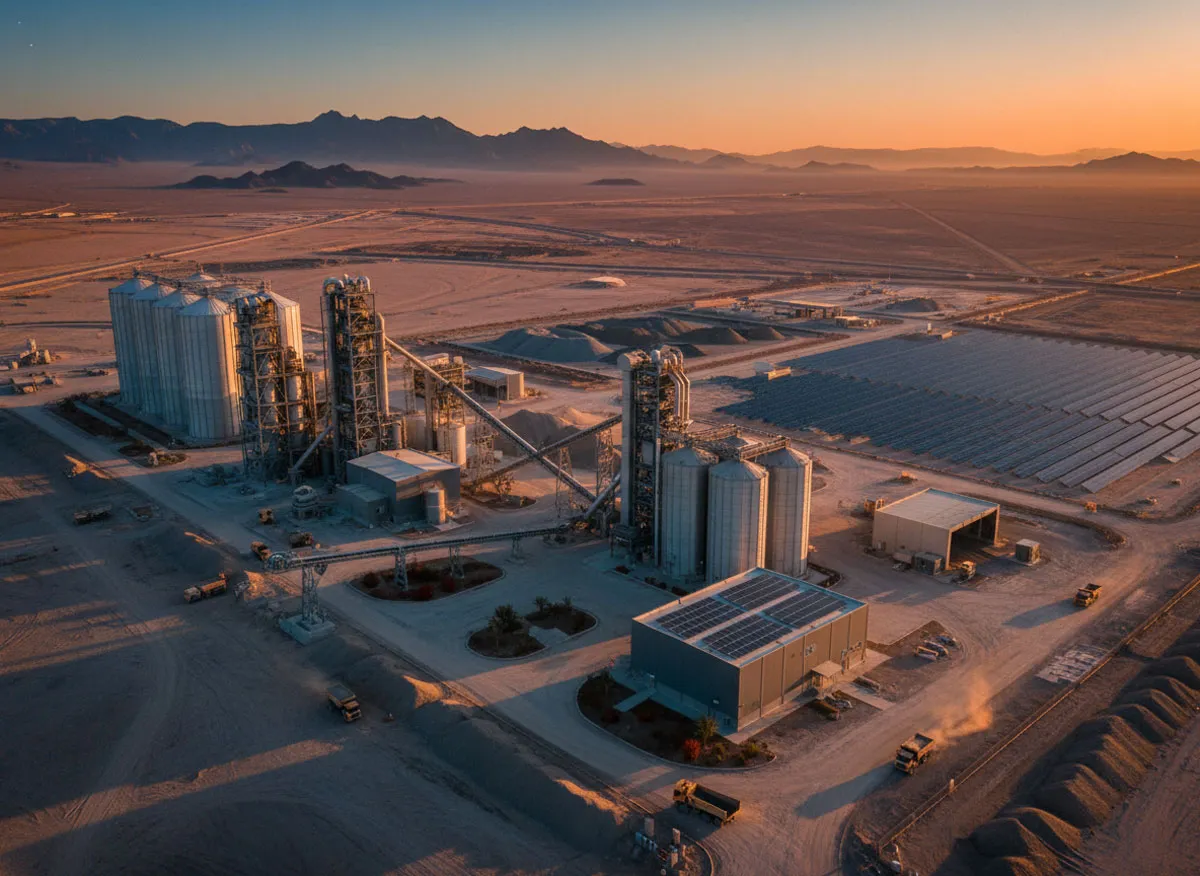
JSW Cement has strengthened its national presence by commencing production at its greenfield integrated cement plant in Nagaur, Rajasthan, marking its entry into the north Indian market.
With this commissioning, the company’s installed grinding capacity has increased to 24.1 MTPA, while total clinker capacity, including its joint venture operations, stands at 9.74 MTPA.
The Nagaur facility comprises a 3.30 MTPA clinkerisation unit and a 2.50 MTPA cement grinding unit, with an additional 1.00 MTPA grinding capacity currently under development. Strategically located, the plant is positioned to serve high-growth markets across Rajasthan, Haryana, Punjab and the NCR.
The project has been funded through a mix of equity and long-term debt, with Rs 800 crore allocated from IPO proceeds towards part-financing the unit.
Parth Jindal, Managing Director, JSW Cement, stated that the commissioning marks a key milestone in the company’s ambition to become a pan-India player. He added that the project was completed within 21 months and positions the company to achieve its targeted capacity of 41.85 MTPA by FY29.
Nilesh Narwekar, CEO, JSW Cement, highlighted that the expansion aligns with the company’s strategy to tap into rapidly growing northern markets driven by infrastructure development. He noted that the company remains focused on delivering high-quality, eco-friendly cement solutions while progressing towards its long-term capacity goal of 60 MTPA.
The Nagaur plant has been designed with sustainability features, including co-processing of alternative fuels and a 7 km overland belt conveyor for limestone transport to reduce road emissions. The facility will also incorporate a 16 MW Waste Heat Recovery System to improve energy efficiency and lower its carbon footprint.
JSW Cement, part of the JSW Group, operates across the building materials value chain and currently has eight plants across India, along with a clinker unit in the UAE through its joint venture.

Continue Reading

Video Thumbnail
â–

    SIGN-UP FOR OUR GENERAL NEWSLETTER


    Trending News

    SUBSCRIBE TO THE NEWSLETTER


    Don't miss out on valuable insights and opportunities to connect with like minded professionals.


      This will close in 0 seconds