Economy & Market
Holcim-Lafarge merger will not affect ACCs brand identity
Published
5 years agoon
By
admin
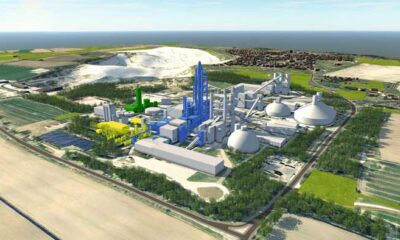
In the latest development, Swiss-based Holcim will be merging with French cement and concrete giant Lafarge. This amalgamation will make the Holcim-Lafarge entity the largest cement manufacturer in India and also in the world. The so-formed $60 billion company will surpass UltraTech in terms of capacity to become the largest cement manufacturer in India. Earlier, UltraTech-with Jaypee Cement´s acquisition of 4.8 mt plant-was the largest cement manufacturer – with a total capacity of 59 mt. The merger will add 8 mt capacity of Lafarge to the 57 mt capacity of Holcim, making it a 65 mt capacity company. Holcim also has plans to boost its capacity to 73 mt by the end of next year. Holcim-Lafarge merger will account for around 19 per cent of installed capacity in India. Whereas, UltraTech accounts for 16 per cent of installed capacity in India.
Holcim has significant stakes in Ambuja Cements and 50 per cent stake in ACC. While speaking with shareholders at Ambuja Cements´ 78th annual general meeting, NS Sekhsaria, Co-Founder and Chairman, clarified that the brand ACC will remain intact and there is no question of ACC brand name changing to Lafarge. ´It-´s a merger of equals and the process will take about 16-18 months to complete,´ he added.
Speaking about the company´s performance, Sekhsaria said that bottomline was affected by sluggish economic environment last year. However, he expects the worse is now behind and the company will be back on growth path this year.
Concrete
Kiln systems should be stabilised at low TSR
Published
2 minutes agoon
May 14, 2026By
admin
Girish Kumar, Plant Director, Riyadh Cement, outlines a disciplined, phased roadmap for cement plants looking to scale thermal substitution rates without sacrificing kiln performance or clinker quality.
As the cement industry accelerates its shift toward alternative fuels and raw materials (AFR), the gap between ambition and execution remains wide for many plant operators. Girish Kumar, Plant Director, Riyadh Cement, reveals why unstable baseline operations are the primary reason AFR programmes fail, and why scaling thermal substitution rates demands a cultural change as well as an investment in engineering.
How does process stability influence the success of AFR integration in cement plant operations?
As per my experience, process stability is the foundation of successful AFR integration to the clinker manufacturing, the most AFR failure are not because of fuel quality, the real issue is unstable baseline operation. AFR utilisation is only effective when the kiln and preheater systems are already operating in a stable condition. Unstable AFR operation often increases overall cost despite cheaper fuel. Within the process stability, the feasibility of AFR also depends on consistency in chemical and physical properties. Variations in calorific value, moisture, ash, volatile matter, alkalis, sulphur and chlorides directly impact pyro-process stability.
Stable operation enables the plant to absorb these variations through proper control of combustion, heat balance and gas flow. It also requires close alignment with raw mix design, as AFR ash influences key quality parameters such as quality moduli, PSD raw meal and burnability often requiring corrective raw materials. Additionally, improper control of volatile elements (chlorides, sulphur, alkalis) can lead to operational issues such as ring formation, coating instability, build-ups and cyclone blockages.
A stable kiln operation with controlled temperatures, draft, oxygen balance, and consistent feed chemistry creates the operating window required to absorb AFR variability. Without stable baseline operations, AFR becomes a disruption rather than an opportunity, increasing the risk of process disturbances, negatively impacting clinker quality, emissions and overall
plant KPIs.
What are the key operational disciplines required to scale AFR usage without compromising kiln performance and output quality?
As per my experience, scaling AFR usage is less about technology and more about discipline
on the shop floor with strict control of key operational parameters:
a. The AFR introduce in the system calorific value deviation should be less than 200 Kcal/kg of clinker.
b. Maintain higher oxygen levels at the preheater/calciner outlet (in some cases up to ~4 per cent) to ensure complete combustion of alternative fuels.
c. Control the temperature difference (?T) between gas and material in the preheater (typically <5°C) to ensure efficient heat exchange.
d. Optimise gas velocities in the riser duct and cyclones to ensure proper mixing, combustion, and heat transfer from minor to moderate level.
e. Maintain higher momentum at the main burner to stabilise the flame and accommodate variable AFR characteristics and in addition burner position is important to balance the alkalis sulphur cycle.
f. Ensure proper sulfur cycle balance by controlling firing sulfur input and effectively utilising kiln bypass (where available) to prevent build-ups and coating formation.
g. Ensure AFR quality control—particularly TDF/RDF utilisation then TDF size, moisture, and blending with biomass streams—which is critical for achieving higher substitution rates (up to ~50 per cent in calciner systems).
h. Apply proven co-processing strategies such as blending poultry waste and carbon black with coal (e.g., ~10 per cent to 15 per cent each), enabling stable feeding through the coal mill as practiced in regional markets.
i. Calibrated weigh feeders and dosing systems stable and the deviation in SHC < 180-200 Kcal/Kg and Temperature profile of the PH must have deviation of < 5*C.
j. If consider a new project scale, new PC designs with venturi’s are required for maximum heat transfer by venturi and more retention time by more PC height and volume.
These disciplines collectively sustain thermal efficiency, stabilise kiln operation, manage volatile cycles and protect clinker quality despite the inherent variability of AFR.
How can plants transition from opportunistic AFR usage to a structured, high-TSR operating model?
Transitioning from opportunistic AFR use to a structured, high Thermal Substitution Rate (TSR) model requires moving from ad-hoc fuel acceptance to a fully engineered and controlled system. This starts with defining a clear AFR strategy, including long-term fuel sourcing agreements, defined quality specifications, and a stable fuel basket instead of irregular inputs. Plants must then invest in dedicated pre-processing and feeding infrastructure to ensure consistent fuel size, moisture, and calorific value.
On the operational side, kiln systems should be stabilised at low TSR and then gradually ramped up through a controlled, stepwise approach. This must be supported by strict process control, particularly in oxygen management, volatile balance, and burner stability, to avoid operational upsets. Equally important is the development of skilled AFR-focused teams supported by process optimisation and R&D functions, ensuring continuous learning and plant-specific adaptation. Finally, digitalisation and AI-based optimisation tools should be deployed to enable real-time monitoring and decision-making, allowing the plant to manage variability while steadily pushing TSR to higher, stable levels.
What are the most common failure points when implementing AFR, and how can they be mitigated?
Failure point 1: Improper AFR selection and processing Inappropriate selection of AFR or poorly designed pre-processing systems (e.g., inconsistent particle size, high moisture, variable calorific value).
Mitigation:
• Conduct detailed feasibility studies (NCV, moistures, ash, chlorine, sulfur etc).
• Ensure proper pre-processing (remove toxic waste, shredding, drying, homogenisation).
• Prefer engineered solutions from experienced vendors or develop robust in-house systems with clear specifications.
Failure point 2: Lack of skilled operational expertise
Insufficiently trained kiln operators and absence of dedicated AFR/process optimisation teams.
Mitigation:
• Develop specialised AFR-trained operational teams
• Implement continuous training programmes
• Deploy advanced process control (APC) and real-time optimisation tools
Failure point 3: High variability in AFR quality
Significant fluctuations in AFR composition especially, in municipal solid waste (MSW), where high calorific fractions are often removed (as seen in regions like India), leading to low and inconsistent fuel quality.
Mitigation:
• Establish strict quality control protocols and
supplier agreements.
• Install online monitoring systems (e.g., CV analyser’s, moisture sensors).
• Blend multiple AFR streams to stabilise fuel characteristics.
Failure point 4: Process instability in kiln operation
In most plants, AFR failures are not due to one factor, but a combination of technical and organisational gaps. AFR introduction leading to unstable kiln conditions, including coating formation at kiln inlet, thick coating in upper transition zone, volatile cycles (Cl, S, alkalis), boulder formation and snowman formation at cooler.
Mitigation:
• Maintain stable thermal profile and oxygen levels
• Perform detailed volatile balance and adjust raw mix accordingly.
• Optimise burner settings and airflow distribution.
• Control AFR feed rate and feeding location (calciner vs kiln).
• Ensure proper kiln draft and gas velocities.
How do you align people, processes and technology to ensure consistent and reliable AFR utilisation on the ground?
Achieving consistent and reliable AFR utilisation requires strong alignment between people, processes, and technology, supported by a phased and disciplined implementation strategy.
For new plants or greenfield projects, alignment is relatively straightforward. Systems can be designed from the outset for high AFR substitution (50 to 100 per cent) by:
• Selecting suitable AFR streams based on long-term availability and quality.
• Installing properly engineered pre-processing and feeding systems.
• Integrating advanced AI-based process control and optimisation tools.
• Training operators specifically for AFR-based kiln operation.
For existing plants (brownfield transition), the challenge is significantly higher and requires a cautious, stepwise approach:
A) People alignment: Develop skilled, AFR-focused operational teams supported by dedicated process optimisation and R&D functions to ensure continuous improvement, stable operations, and efficient AFR utilisation. Provide continuous training on AFR handling, combustion behaviour and kiln impacts. Build a culture of confidence and accountability, as AFR transition often requires operational ‘courage’ and experience.
B) Process alignment
• Start with low AFR substitution rates and gradually increase to the optimum level.
• Establish strict quality control at the AFR source (moisture, CV, particle size, contaminants).
• Define standard operating procedures (SOPs) for feeding rates, kiln conditions and upset handling
• Continuously monitor and stabilise key parameters (O2, CO, temperatures, draft, volatile cycles).
C) Technology alignment
• Retrofit appropriate feeding and dosing systems for different AFR types.
• Ensure proper pre-processing (shredding, drying, homogenisation).
• Implement advanced control systems (APC/AI) for real-time optimisation.
• Use online analysers and monitoring tools to reduce variability impact.
Therefore, in brownfield plants, the biggest challenge is not technology, it is changing operator confidence and mindset.
What role does digitalisation and data-driven decision-making play in optimising AFR performance in real time?
Digitalisation and data-driven decision-making enable real-time decision-making through AI-based optimisation systems that continuously analyse process data and instantly adjust operating parameters. This helps maintain process stability, optimise combustion, and maximise AFR utilisation despite fuel variability. As a result, plants achieve higher substitution rates, fewer process disturbances, and consistent clinker quality through fast, predictive, and real-time control. Digital systems also help detect early signs of instability, allowing corrective action before it impacts kiln performance.
What would a future-ready cement plant look like with AFR fully embedded into its operational DNA?
The future plant will not adapt to AFR – it will be designed around it.
A future-ready cement plant will be designed to handle a wide spectrum of AFR, including low-calorific fuels (1500–2000 kcal/kg), through advanced pre-processing and flexible feeding systems. It will also integrate emerging fuels such as hydrogen as a supplementary or primary energy source for decarbonisation. An innovative method developed by Korean experts focuses on stabilising RDF quality and reducing calorific value (CV) variability by converting mixed waste streams into engineered fuel beads.
In this approach, materials such as poultry waste, sawdust, carbon black, biomass and sugar molasses are blended and processed into small, uniform beads (typically 4–6 mm). These engineered fuels offer a more consistent net calorific value (NCV) in the range of ~4500–5000 kcal/kg.
This pelletised/bead form improves:
• Fuel homogeneity and handling.
• Long-term storage stability.
• Controlled feeding and dosing.
• More stable combustion in the calciner.
As a result, such engineered AFR significantly reduces process fluctuations and enables higher, more reliable substitution rates compared to conventional RDF. The plant will feature high-efficiency, multi-fuel burners capable of stable combustion of diverse fuels, supported by optimised kiln design. AI-based control systems will enable real-time decision-making and process optimisation, while advanced chemical additives will help manage build-ups and coating formation.
Overall, it will be a highly digitalised, flexible and low-carbon operation capable of maximising AFR and alternative energy utilisation, without compromising performance or product quality.
- Kanika Mathur
Concrete
“Waste is heterogeneous and highly unpredictable.”
Published
9 minutes agoon
May 14, 2026By
admin
Rushi Gajjar, Founder and Director, Arcler Projects, draws on deep technical expertise to examine the challenges in using AFR in India.
India’s waste is not a uniform resource. It is a seasonal, city-specific, moisture-laden variable that defies industrial standardisation. Rushi Gajjar, Founder and Director of Arcler Projects, has spent years navigating this reality on the ground. In this conversation, he looks at the technical gaps in RDF processing, the policy frameworks needed to unlock full potential of alternative fuel and raw materials (AFR), and why automation is no longer optional for a viable waste-to-fuel future.
How do you see the evolution of waste—from a disposal challenge to a reliable alternative fuel and raw material (AFR)—for the cement industry?
Currently, India generates 65 MTPA municipal solid waste annually, which is growing with the increase of population. The current per capita solid waste generation is 190 gm per day is growing with change of lifestyle. Indian government is prioritising systematic collection, segregation, transportation and scientific disposal by enacting Solid Waste Management Rule 2026 and Plastic Waste Management Rule 2026. The efficient segregation, resource recovery and recycling is the focus area.
The cement industry is best suited for non-recyclable combustible fraction as the cement kilns are ideal for high temperature disposal of waste derived fuels and destruction of organic pollutants. The alkaline atmosphere within the kiln is excellent for neutralising acidic gases produced during combustion of some alternative fuels, reducing the need for costly external emission controls. The ash produced from alternative fuels does not need to be landfilled, instead it becomes a chemically integrated valuable raw materials substituting the natural raw materials in the clinker matrix. The alkaline environment and clinker ash integration make it a sustainable process that lower the cost, fossil fuel dependency and minimise harmful emissions.
This unique feature of cement kiln makes it more advantages compared to the specially constructed Waste to Energy Power Plant for waste disposal whereas WtE power plants required specially designed costly boiler, SNCR, Flue gas cleaning system. The bottom ash and fly ash disposal is still a challenge with WtE power plants. So, it is great value proposition for cement industry to contribute towards decarbonisation commitment by utilising alternative fuels.
What are the biggest technical and operational gaps in converting heterogeneous waste into consistent, kiln-ready AFR?
The Indian waste composition, contamination, quality varies from city to city, season to season.
The waste is not consistent. It majorly consists of paper, plastic, textile, rubber, leather, diapers, napkins, organic waste, sand, stone, metal and inert contamination with moisture ranges from 30 per cent to 60 per cent. The quality of waste deteriorates further during monsoon season.
The biggest technical gap is selection of correct process flow and deployment of reliable technology based on input waste composition and output quality requirement. The waste recycling machineries must be robust in design and construction to process this heterogeneous highly contaminated waste. There is multiple shredding, screening, sorting, drying technology options available to choose based on quantitative and qualitative objectives. The biggest operational gap is availability of trained and qualified manpower who are ready to work in this challenging environment. The plant operators are facing the challenge to recruit, motivate and retain the qualified manpower.
How can cement companies improve confidence in AFR quality and
reliability when sourcing from fragmented waste streams?
The confidence and reliability of quantitative and qualitative AFR supply can be ensured by deep cooperation and collaboration between cement companies and waste management contractors / AFR suppliers. This starts from conscious selection of suppliers, enabling them, educate them, train them, help them in selection of technology and process, support them in building right infrastructure. The continuous nurturing and hand holding is essence of success.
From your experience, what are the key bottlenecks in scaling RDF and AFR adoption across India?
The first is consistent and reliable supply chain infrastructure. This needs to be developed through the implementation of strict policies and guidelines, in collaboration with key stakeholders such as CPCB, state pollution control boards, ULBs, municipal corporations, waste management contractors, RDF plant operators, and logistics partners.
The second is the quality of RDF / AFR. Companies can achieve desired quality of RDF / AFR through deployment of right process and technology but one must be ready to pay for quality.
The third is the speed of implementation of robust and reliable AFR pre-processing and co-processing infrastructure, chlorine bypass system and other necessary changes within plant across the cement industry. The few cement companies are showing great commitment towards higher thermal substitution rate and implementing necessary plant and machineries as part of their decarbonisation commitment. But some cement companies are showing reluctance to use AFR due to techno-economic infeasibility.
The fourth is economic nonviability compared to fossil fuel. This point needs to be evaluated holistically considering various points like environmental impact of non-disposal of waste, CO2 emissions from cement companies, rule of polluter pays principles and organisation own’s decarbonisation sustainability commitment etc.
How important is pre-processing infrastructure in achieving higher thermal substitution rates (TSR) in cement plants?
The inconsistent, highly contaminated RDF with higher moisture content causes significant operational disruptions and detrimental effects on kiln performance, fluctuating thermal values, changing combustion characteristics and volatile chemical compositions. This results in lower TSR and lower annual availability. The uniform and consistent AFR quality helps in achieving higher TSR. And this can be achieved through removal of inert contamination, uniform size reduction and moisture removal drying infrastructure using waste heat from clinker cooler. The consistent RDF having size < 25mm and moisture <10 per cent can be utilised for main burner application which will help to improve the overall TSR further.
What role do policy, segregation at source, and municipal systems play in unlocking the full potential of AFR?
The Solid Waste Management Rule 2026 and Plastic Waste Management Rule 2026 has already been rolled out. The various government departments, including the Ministry of Housing and Urban Affairs (MoHUA), Ministry of Environment, Forest and Climate Change (MoEFandCC), Swachh Bharat Mission (Urban), CPCB, ULBs, and other industry stakeholders, must ensure strict implementation of the enacted policies to unlock the full potential of AFR.
How will technology and automation redefine waste-to-fuel ecosystems for cement manufacturing?
The waste is heterogeneous and highly unpredictable. It has challenging operational environment due to odour, leachate, insects, inert etc. And hence the manual feeding, manual sorting, manual operation must be avoided looking at the hygiene and safety concern. The fully automatic completely integrated IoT enabled with feedback feedforward-controlled shredding, screening, sorting, drying, storage and retrieval infrastructure can deliver unmatched productivity with higher efficiency and safety.
- Kanika Mathur
Raju Ramchandran, SVP & Head Manufacturing – Eastern Region, Safety and Sustainability, Nuvoco Vistas, outlines how the company is systematically embedding alternative fuels and raw materials into its manufacturing process.
For Nuvoco Vistas, the shift toward alternative fuels and raw materials (AFR) is woven into the fabric of how the company operates, innovates, and plans for the long term. Nuvoco is approaching AFR as both an environmental imperative and a business advantage. In this interview, Raju Ramchandran, SVP & Head Manufacturing – Eastern Region, Safety and Sustainability, Nuvoco Vistas, discusses the operational complexities of scaling AFR, the evolving role of policy in enabling adoption, and how digitalisation is shifting kiln management from reactive to predictive.
How does AFR fit into your company’s long-term decarbonisation and cost optimisation strategy?
AFR has been a key focus area as we work towards reducing emissions while improving cost efficiency. At Nuvoco, sustainability is embedded in the company’s vision, with a strong focus on advancing circular economy principles across our operations. Over the years, we have steadily adopted practices around reuse, recycling and resource optimisation across our value chain — from raw materials and energy to water, waste and packaging. This has helped us reduce dependence on virgin resources while improving overall operational efficiency.
From a fuel perspective, we are optimising our power and fuel mix by replacing conventional fossil fuels with alternative fuels. Our kilns are designed to safely utilise a wide range of waste streams, including biomass, RDF from municipal solid waste, industrial solid waste and liquid solvents. We are also placing a strong emphasis on biomass and other lower-carbon fuels to further reduce our carbon footprint. Beyond sustainability, AFR also supports cost optimisation by reducing reliance on imported fossil fuels and improving fuel flexibility in our operations.
Our focus is on scaling up AFR usage in a structured and sustainable manner, supported by stronger sourcing ecosystems and process optimisation. This will not only help us lower emissions but also build more resilient and cost-efficient operations over the long term. With rising raw material cost the company is focusing on using alternate raw materials while keeping the quality of product intact. Here the R&D wing of the company CDIC is playing a crucial role in testing various alternative raw materials (ARM) in its state-of-the-art laboratory at Mumbai and bring out tailor made recipes to optimise usage of ARM.
What operational or technological challenges have you faced in scaling AFR usage across plants?
A key challenge in scaling AFR is the inherent variability of waste-based fuels. Unlike conventional fuels, AFR streams can vary in quality, composition and calorific value, which makes maintaining consistent kiln performance more complex. We have addressed this through targeted investments in pre-processing infrastructure, kiln system upgrades and stronger process controls, which help bring greater consistency to fuel quality and operations. Equally important has been building strong in-house capabilities ensuring that AFR is embedded into day-to-day operations. This has helped us move from a trial-based approach to making AFR a reliable and integral part of our manufacturing process.
How do you balance clinker quality, kiln stability, and emission norms while increasing AFR substitution rates?
At Nuvoco, higher AFR usage is never pursued at the cost of product quality or environmental compliance. Every alternative fuel goes through a rigorous pre-qualification and testing process before it is introduced into the system. Once in operation, we rely on real-time monitoring of critical parameters including kiln performance, emissions and clinker quality to ensure stable and consistent operations.
A lot of focus also goes into process optimisation and control systems, which allow our teams to manage variations in fuel characteristics without impacting kiln stability. This is supported by well-defined governance frameworks and trained plant teams, ensuring that AFR integration is handled in a structured and controlled manner. In our experience, when managed effectively, higher AFR substitution does not create trade-offs. Instead, it enables us to run more sustainable operations while maintaining product quality and full compliance with emission norms.
What roles do policy frameworks and regulatory support in India play in accelerating AFR adoption?
Policy frameworks have played a critical role in advancing AFR adoption in India. As highlighted in NITI Aayog’s cement sector decarbonisation roadmap, the use of alternative fuels such as RDF is a key lever for reducing emissions and improving energy efficiency in the industry. This is further reinforced by the GCCA India-TERI (2025), Decarbonisation Roadmap for the Indian Cement Sector: Net Zero CO2 by 2070, which also emphasises scaling AFR as a key pathway for decarbonisation in the cement sector. Regulatory support through CPCB’s co-processing guidelines and the Hazardous Waste Rules has enabled cement plants to safely utilise waste as an alternative fuel, creating a structured pathway for adoption.
More recently, policy direction has become even stronger. The government’s notification in January 2026 outlines a clear roadmap to increase fuel substitution rates from current levels to around 15 per cent over the next few years, along with measures to improve waste processing infrastructure. This provides both clarity and momentum for the industry to scale up AFR usage. At the same time, the opportunity lies in execution. Improving waste segregation at source, ensuring consistent availability of quality RDF, and strengthening coordination across municipalities, waste processors and industry will be critical to fully realise this potential.
How are you building supply chain ecosystems for consistent and quality AFR sourcing in a fragmented waste market?
Building a reliable AFR supply chain requires strong partnerships and a lot of on-ground coordination. Given how fragmented the waste ecosystem is, we work closely with municipalities, authorised waste processors and logistics partners to create stable, long-term sourcing networks. A big focus for us has been on bringing consistency into the system whether it is standardising fuel specifications or investing in pre-processing infrastructure to ensure the material we receive is usable and efficient for our kilns. We are moving towards more structured, long-term partnerships, which help ensure both quality and continuity of supply. Over time, this ecosystem approach gives us greater reliability at the plant level and helps scale AFR usage in a sustainable way.
Can digitalisation and process optimisation unlock higher thermal substitution rates (TSR)?
Digitalisation is becoming a big lever in improving TSR. Earlier, a lot of decisions around fuel mix and kiln optimisation were based on experience and manual adjustments. At Nuvoco, we are leveraging advanced analytics and AI to bring greater precision and consistency to kiln operations. We are working on an AI-enabled dashboard that gives us real-time visibility into kiln operations and waste heat recovery, helping teams take quicker and better decisions on the ground.
Alongside this, we are developing an AI model that recommends the most efficient fuel mix, factoring in variables like moisture, cost, and operating conditions. The real shift is from being reactive to becoming predictive anticipating what works best rather than adjusting after the fact. This not only helps improve TSR but also drives efficiency and cost optimisation.
- Kanika Mathur
Kiln systems should be stabilised at low TSR
“Waste is heterogeneous and highly unpredictable.”
We are optimising our power and fuel mix
AFR supports circular resource use
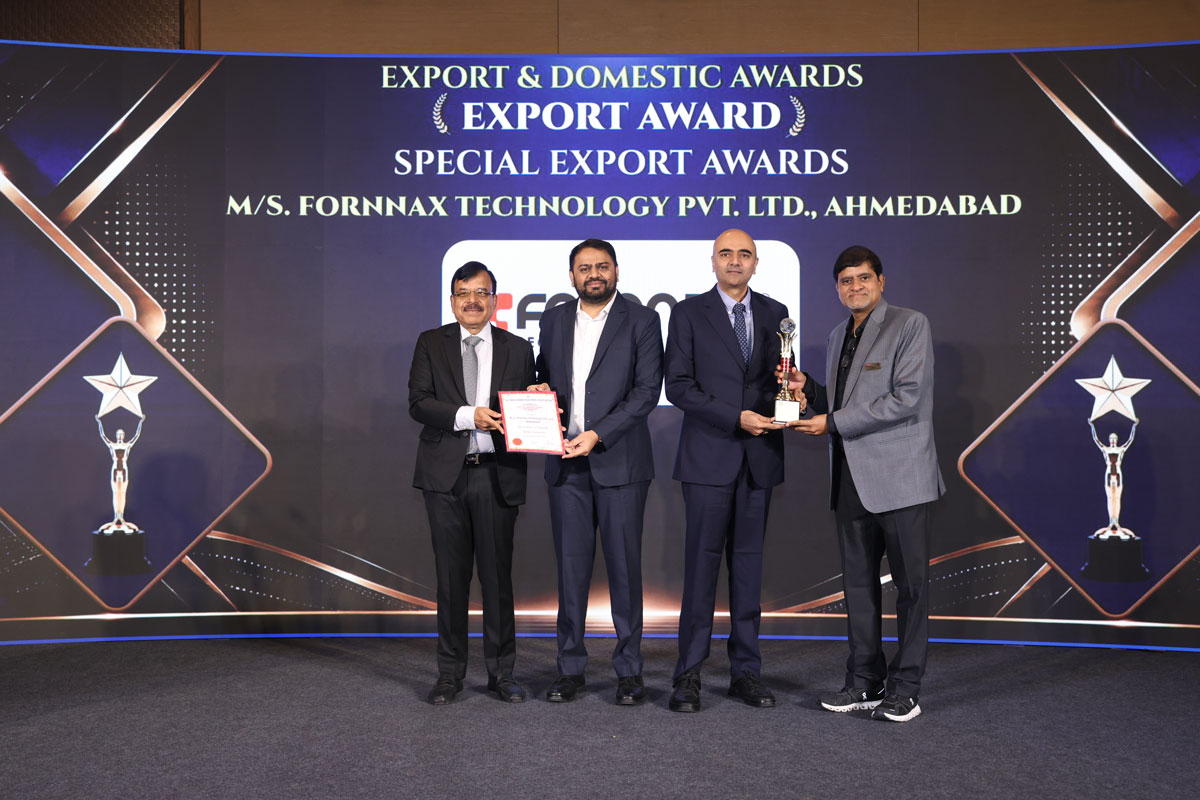
Fornnax Showcases Advanced Primary Shredder Technology
Kiln systems should be stabilised at low TSR
“Waste is heterogeneous and highly unpredictable.”
We are optimising our power and fuel mix
AFR supports circular resource use
Fornnax Showcases Advanced Primary Shredder Technology
Trending News
-
Concrete4 weeks agoNuvoco FY26 Income Rises 10% as Expansion Advances
-
Concrete4 weeks agoSiyaram Recycling Secures Rs 21.03 mn Order From Anurag Impex
-
Concrete4 weeks agoCement Margins to Erode as Energy Costs Rise: CRISIL
-
Concrete4 weeks agoHaver & Boecker Niagara to showcase solutions at Hillhead