Economy & Market
Rapid urbanisation in Asia-Pacific to benefit Portland cement market | Report
Published
9 years agoon
By
admin
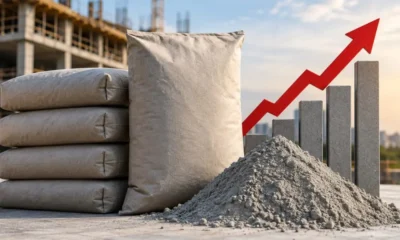
According to a recent market study published by Transparency Market Research (TMR), the demand from the global Portland cement market is slated to rise at a CAGR of 5.1 per cent between 2014 and 2020. The report states that the market, which was more than 3.6 billion tons in 2013, is expected to amount to close to 5.2 billion tons by 2020.
Portland cement plays an important role in construction applications. Worldwide, Portland cement is utilised in the construction of residential and commercial structures. In recent times, rapid urbanisation and infrastructural development in China, Brazil, India, South Africa, and Russia have significantly contributed to the global Portland cement market. Further, the FIFA World Cup in 2018 will require massive infrastructural development. This high-profile sporting event requires world-class stadiums and other ancillary amenities for hosting the spectacle.
You may like
Alternative fuels and raw materials (AFR) are emerging as a key lever for reducing costs, lowering emissions, and improving sustainability in the cement industry. Explore how rising regulatory push and technological advancements are accelerating AFR adoption, redefining energy use and competitiveness in cement manufacturing.
The cement industry stands at the centre of two converging challenges – decarbonisation and waste management. Globally, cement production accounts for nearly 7 per cent to 8 per cent of total CO2 emissions according to IEA, 2023, making it one of the most carbon-intensive industries. At the same time, countries like India generate massive volumes of waste, with 62.4 million tonnes of municipal solid waste annually, projected to reach 165 million tonnes by 2030 states CPCB; NITI Aayog, 2023. This dual challenge has created a compelling case for the adoption of Alternative Fuels and Raw Materials (AFR), enabling cement kilns to act as efficient waste-to-energy systems.
Cement kilns operate at temperatures exceeding 1,450°C, with flame temperatures reaching up to 2,000°C, making them ideal for the safe co-processing of waste without leaving harmful residues states IEA, 2023. As fuel costs rise and sustainability pressures intensify, AFR is no longer just an environmental initiative-it is becoming a strategic lever for cost optimisation, resource efficiency, and regulatory compliance. The shift towards AFR is redefining how cement companies approach both energy consumption and waste utilisation.
The growing need for alternative fuels
The traditional dependence on fossil fuels such as coal and petcoke has become increasingly unsustainable, both economically and environmentally. Fuel costs account for nearly 30 per cent to 40 per cent of cement production costs, making the industry highly sensitive to energy price fluctuations according to McKinsey, 2022. With global coal prices witnessing volatility, cement manufacturers are under pressure to diversify their fuel mix and reduce dependency on conventional sources.
Saurabh Palsania, Joint President, Shree Cement, says, “The biggest misconception about AFR in the cement industry is that it leads to inefficiencies in plant operations. In reality, when managed professionally with the right systems, controls, and process discipline, AFR enhances sustainability without compromising operational efficiency or clinker quality. The next decade of sustainable cement manufacturing in India will be defined by a strong shift towards higher renewable energy usage and TSR levels of around 30 per cent, which together will play a critical role in reducing the industry’s carbon footprint and improving long-term competitiveness.”
“If one lever had to be prioritised to scale AFR, policy intervention-particularly around source segregation-stands out as the most impactful. Effective segregation at source improves the quality of waste, reduces the need for extensive pre-processing, and enhances operational efficiency while lowering costs. This makes AFR adoption more scalable and effective across the industry, delivering far greater impact than isolated advancements in technology or supply chain alone,” he adds.
At the same time, environmental regulations and carbon reduction targets are pushing companies to lower emissions. According to the International Energy Agency, increasing the use of alternative fuels could reduce cement sector emissions by up to 15 per cent to 20 per cent in the medium term. This makes AFR not only a sustainability
solution but also a critical pathway for achieving net-zero goals.
Beyond cost and compliance, AFR adoption
is also driven by the growing availability of waste streams. Urbanisation and industrialisation are generating large volumes of non-recyclable
waste, much of which has significant calorific value. Cement plants are uniquely positioned to utilise this waste as fuel, creating a circular economy model where waste is converted into energy while reducing landfill burden.
Understanding AFR
AFR encompass a wide range of materials, including municipal solid waste (MSW), industrial waste, biomass, tyre-derived fuel (TDF), and refuse-derived fuel (RDF). These materials are processed and used as partial replacements for conventional fuels in cement kilns. According to the World Business Council for Sustainable Development (WBCSD, 2022), leading cement producers globally have achieved alternative fuel substitution rates exceeding 40 per cent to 60 per cent using such diverse fuel sources.
In addition to fuels, alternative raw materials such as fly ash, slag, and construction and demolition waste are increasingly being used to replace traditional raw inputs. This not only reduces the consumption of natural resources but also lowers the carbon footprint of cement production. The combined use of alternative fuels and raw materials enhances resource efficiency while supporting sustainable manufacturing practices.
Thermal substitution rate (TSR)
Thermal Substitution Rate (TSR) has emerged as a key metric to measure the extent to which alternative fuels replace conventional fossil fuels in cement kilns. It reflects the percentage of total thermal energy derived from alternative sources. In advanced markets such as Europe, TSR levels have reached 40 per cent to 50 per cent, demonstrating the feasibility of large-scale AFR adoption (WBCSD, 2022).
Girish Kumar, Plant Director, Riyadh Cement, says “The biggest operational mistake plants make when adopting AFR is trying to maximise TSR before stabilising process fundamentals. Using poor-quality or unsuitable AFR introduces high variability in calorific value, moisture, ash, and volatiles, leading to process instability, coating and build-up issues, reduced kiln efficiency, and compromised clinker quality. As a result, any apparent fuel cost savings are offset by production losses and higher maintenance.”
“Successful AFR integration requires consistent fuel quality, disciplined operations, and strong leadership commitment. This includes assured supply from reliable sources, strict quality control with regular analysis (CV, moisture, ash, contaminants), proper pre-processing and size control (e.g., TDF <20 mm without wires, high-combustible low-moisture RDF, clean high-calorific waste oil), stable pyro-process conditions supported by advanced digital and AI-based systems, and consistent, controlled AFR feeding in both quantity and quality,” he added.
In India, however, TSR levels remain relatively low, typically in the range of 4 per cent to 8 per cent, although efforts are underway to increase this significantly states NITI Aayog, 2023. The government has set ambitious targets to achieve 20 per cent to 25 per cent TSR by 2030, signalling a strong push towards alternative fuel adoption.
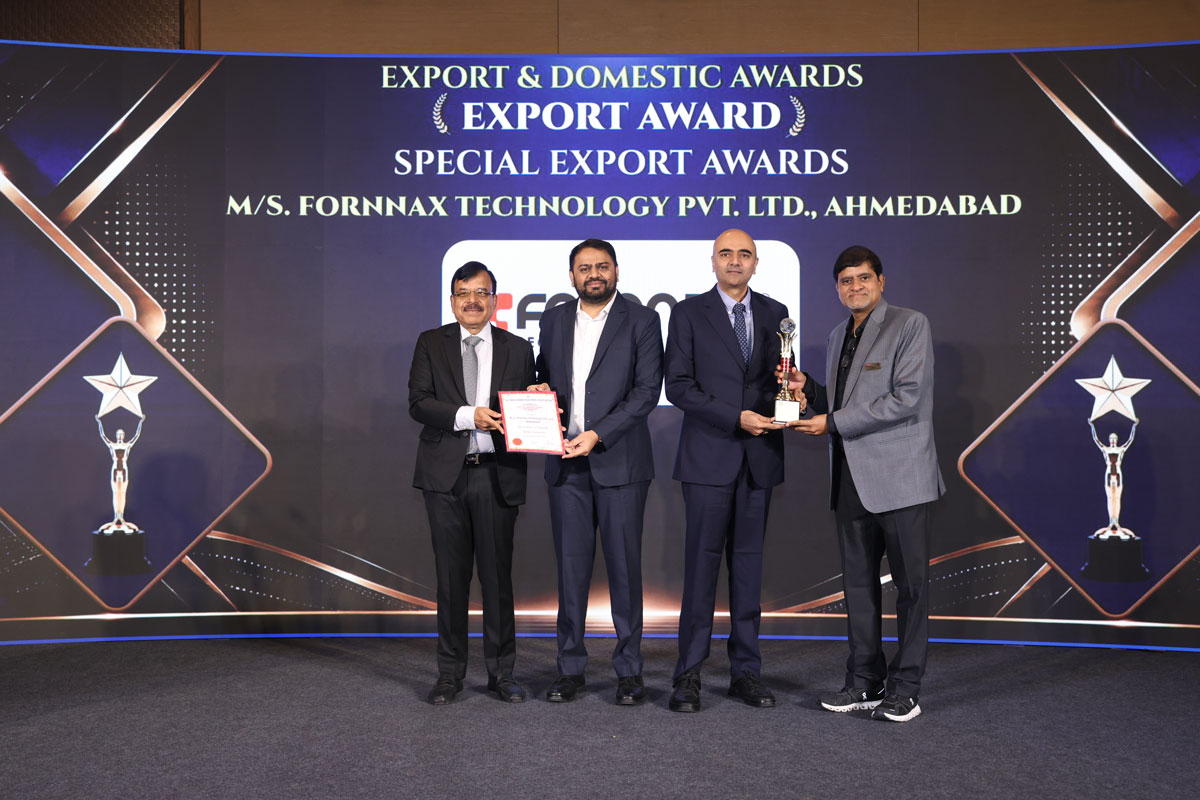
Jignesh Kundaria, Director and CEO, Fornnax Technology, states, “Indian municipal solid waste is fundamentally different from the material most imported shredding equipment is designed to handle, with moisture levels often exceeding 40 per cent to 50 per cent, especially during monsoons and high contamination from abrasive inerts like sand, glass, and stone. As a result, machines built for segregated, low-moisture waste tend to fail quickly in Indian conditions, leading to frequent disruptions and long downtimes due to dependence on imported spare parts. A common issue is improper shredder configuration: relying only on a primary shredder result in output that is too coarse for stable kiln combustion (the ‘biting teeth’ problem), while using a secondary shredder without proper pre-sizing causes severe mechanical failures (the ‘chewing teeth’ problem). Even when both stages are present, mismatched capacities can create bottlenecks, making it difficult to achieve the required throughput of 40 to 70 tonnes per hour needed for effective coal substitution—highlighting the need for a well-coordinated, two-stage shredding process tailored to Indian waste conditions.”
TSR is no longer just a sustainability metric-it is increasingly becoming a financial and operational benchmark. Higher TSR levels can lead to significant fuel cost savings, reduced carbon emissions, and improved competitiveness, making it a critical focus area for cement manufacturers.
Waste-to-energy
The concept of waste-to-energy is gaining traction as cement plants increasingly utilise municipal and industrial waste as alternative fuels. Non-recyclable waste, including plastics, textiles, and biomass, can be processed into RDF and used as a substitute for coal. According to CPCB (2023), a significant portion of India’s municipal waste is non-recyclable and suitable for energy recovery, presenting a major opportunity for the cement industry.
Girish Kumar, Plant Director, Riyadh Cement, adds “If prioritisation is required, process stability comes first, as even the best people and technology cannot compensate for an unstable kiln system. This is followed by advanced technology-robust equipment, automation, and AI-based controls-to manage AFR variability, and then people capability to ensure effective execution, monitoring, and continuous improvement. AFR can deliver both decarbonisation and cost competitiveness when treated as an engineered fuel, reducing CO2 emissions while lowering dependence on fossil fuels. Plants that succeed are those that secure long-term, consistent AFR supply, maintain strict quality control and pre-processing, and operate under stable kiln conditions with disciplined process control-making AFR a true win-win lever for sustainability, cost efficiency, and energy security.”
By co-processing waste in cement kilns, companies can reduce landfill dependency while generating energy, creating a win-win solution for both
waste management and energy efficiency. This approach not only supports environmental goals
but also provides a cost-effective alternative to traditional fuels.
Operational challenges in AFR
Despite its potential, AFR adoption comes with several operational challenges, particularly in waste pre-processing. Variability in waste composition, high moisture content, and inconsistent calorific value can affect kiln stability and performance. In India, municipal waste often contains 40 per cent to 50 per cent moisture and high levels of inert materials, making it difficult to process efficiently according to industry studies; NITI Aayog, 2023.
Raju Ramchandran, SVP & Head Manufacturing – Eastern Region, Safety and Sustainability, Nuvoco Vistas, says, “A key challenge in scaling AFR is the inherent variability of waste-based fuels. Unlike conventional fuels, AFR streams can vary in quality, composition and calorific value, which makes maintaining consistent kiln performance more complex. We have addressed this through targeted investments in pre-processing infrastructure, kiln system upgrades and stronger process controls, which help bring greater consistency to fuel quality and operations.”
“Equally important has been building strong in-house capabilities ensuring that AFR is embedded into day-to-day operations. This has helped us move from a trial-based approach to making AFR a reliable and integral part of our manufacturing process,”
he added.
Another major challenge is the lack of standardised pre-processing infrastructure. Many cement plants rely on fragmented supply chains for waste collection and processing, leading to inconsistent fuel quality. According to industry assessments, inadequate pre-processing remains one of the biggest barriers to scaling AFR adoption.
Additionally, equipment limitations and maintenance issues can hinder AFR utilisation. Imported machinery designed for different waste profiles may not perform effectively under Indian conditions, leading to downtime and operational inefficiencies. Addressing these challenges requires investment in robust, locally adapted technologies and integrated waste management systems.
Impact of AFR on kiln performance and product quality
The use of AFR can have both positive and negative impacts on kiln performance, depending on how effectively it is managed. Properly processed alternative fuels can provide stable combustion and reduce fuel costs, while poorly processed fuels can lead to operational disruptions. Maintaining consistent particle size, moisture content, and calorific value is critical for ensuring kiln stability.
Rushi Gajjar, Founder and Director, Arcler Projects, says, “The biggest misconception slowing AFR adoption in India is the belief that it is not profitable, may damage the calciner and kiln, and is dirty, smelly, and difficult to process, whereas in reality, well-managed AFR systems are efficient and safe. What will truly unlock large-scale AFR utilisation is the development of a robust, reliable, and competitive AFR supply chain infrastructure that ensures consistent quality and availability of materials. At the same time, the most critical gap in India’s waste-to-fuel ecosystem is the lack of strict policy implementation-strong enforcement with clear penalties is essential to drive accountability, improve waste management practices, and accelerate AFR adoption across the cement industry.”
Studies indicate that improper fuel quality can lead to fluctuations in kiln temperature and clinker quality, potentially affecting product performance. However, with advanced pre-processing and monitoring systems, cement plants can achieve stable operations while maximising AFR utilisation, ensuring that product quality is not compromised.
Regulatory push and policy framework
Government policies and regulations are playing a crucial role in accelerating AFR adoption. In India, the Solid Waste Management Rules (SWM), 2016 and subsequent updates mandate the utilisation of waste-derived fuels in industries such as cement. Additionally, NITI Aayog’s roadmap for cement sector decarbonisation targets 20 per cent to 25 per cent TSR by 2030, providing a clear policy direction according to NITI Aayog, 2023.
Rajat Goswami, Director, Optifuel Enviro, says “AFR adoption in India is governed by CPCB and SPCBs, presenting challenges such as lengthy approvals for hazardous waste, inter-state movement restrictions, extensive documentation, and strict emission compliance. These factors often slow down scaling efforts. To navigate this, companies should secure approvals for multiple pre-approved waste categories and promote digital manifest systems for better traceability. Implementing Continuous Emission Monitoring Systems (CEMS) ensures compliance and builds regulator confidence. Proactive engagement with authorities-focused on transparency and collaboration-can significantly accelerate
AFR adoption.”
Beyond compliance, carbon markets and sustainability incentives are further encouraging the use of AFR. The emerging Carbon Credit Trading Scheme (CCTS) in India is expected to monetise emission reductions, making AFR adoption financially attractive for cement companies.
Scaling AFR for decarbonisation and cost efficiency
The future of AFR in the cement industry lies in scaling adoption through technology, infrastructure, and policy support. Advances in waste processing technologies, digital monitoring systems, and AI-driven optimisation are expected to improve fuel quality and operational efficiency. According to International Energy Agency (IEA 2023), widespread adoption of alternative fuels could significantly reduce emissions while enhancing energy security.
As cement companies continue to invest in AFR capabilities, the focus will shift towards building integrated ecosystems that connect waste generators, processors, and end-users. This will enable consistent supply of high-quality alternative fuels, supporting both decarbonisation and cost efficiency.
Conclusion
AFR are rapidly transforming the cement industry, offering a sustainable solution to both energy consumption and waste management challenges. By reducing dependency on fossil fuels and utilising waste as a resource, AFR is enabling a shift towards more circular and efficient manufacturing practices.
As regulatory pressures increase and sustainability becomes a core business priority, the adoption of AFR will play a critical role in shaping the future of the cement industry. Companies that invest in the right technologies, infrastructure, and partnerships will be better positioned to achieve both environmental and economic success in the years ahead.
Satish Maheshwari, Chief Manufacturing Officer, Shree Cement, discusses a disciplined, phased roadmap for cement plants looking to scale thermal substitution rates without sacrificing kiln performance or clinker quality.
As decarbonisation moves from boardroom commitment to plant-floor reality, Satish Maheshwari, Chief Manufacturing Officer, Shree Cement, offers a manufacturer’s perspective on what it genuinely takes to make green cement competitive in India.
How is your organisation redefining ‘green cement’ beyond compliance to create a competitive advantage?
At Shree Cement, green cement is not a compliance exercise but a core manufacturing strategy and a clear competitive advantage. We focus on structurally reducing carbon, energy, and resource intensity across the value chain by designing highly energy-efficient plants and integrating waste heat recovery, renewable power and advanced process technologies from
the outset.
At the same time, we are accelerating the shift toward lower clinker blended cements through the optimal use of supplementary cementitious materials, ensuring lower embedded carbon without compromising strength, durability, or quality. Circularity through alternative fuels, industrial by-products and responsible water stewardship is embedded into everyday operations. Sustainability, therefore, strengthens cost efficiency, operational resilience, and asset longevity, making green cement the way we manufacture today and remain future-ready.
What mix of technologies—blended cements, clinker reduction, CCUS, or alternative binders—will drive your decarbonisation roadmap?
Our decarbonisation roadmap is driven by a pragmatic mix of mature and emerging technologies, deployed in a phased and scalable manner. In the near to medium term, blended cements and sustained clinker reduction remain the most impactful levers, supported by higher use of supplementary cementitious materials and continuous improvements in thermal and energy efficiency.
Alternative fuels and the circular use of industrial by-products are already integral to our operations, helping reduce fossil fuel dependence.
We are also actively evaluating carbon capture, utilisation and storage (CCUS) as a longer-term solution, recognising that it will be critical for deep decarbonisation beyond current limits. Alternative binders and new chemistries are also being closely tracked, with adoption depending on technical viability, scalability, and lifecycle impact.
How do you manage the trade-off between sustainability targets, cost pressures and performance expectations in green cement products?
We address this balance by ensuring sustainability and efficiency reinforce each other rather than compete. At Shree Cement, we focus on solutions such as blended cements, clinker reduction, alternative fuels, and energy efficiency, which reduce carbon intensity while also strengthening cost competitiveness.
Product performance is non-negotiable, and every green cement solution is validated for strength, durability, and application suitability before being scaled. Where newer solutions involve incremental costs, we follow a phased approach aligned with scale, learning, and long-term value creation. In
our view, the most effective green products are those where environmental gains translate into operational efficiency, economic resilience, and sustained customer confidence.
What are the biggest bottlenecks in scaling green cement adoption in India—supply chain, standards, or customer perception?
The challenge lies across all three areas. On the supply side, the consistent availability and efficient logistics of supplementary cementitious materials remain significant constraints across regions. From a standards perspective, faster acceptance and clearer recognition of newer cement formulations would support wider adoption. Customer perception also plays a crucial role, as blended and low-carbon cements are sometimes misunderstood despite their proven long-term performance. Greater awareness, stronger standardisation, and demonstrated applications across infrastructure and construction projects will help address these gaps and enable broader, sustained adoption of green cement in India.
How are evolving regulations and ESG expectations influencing your capital allocation and product innovation strategy?
Evolving regulations and ESG expectations are increasingly shaping both our capital allocation and product innovation priorities. Capital is being directed toward projects that deliver long-term efficiency, lower environmental impact, and stronger asset resilience, such as energy-efficient plants, renewable energy integration, and clinker-efficient process upgrades.
On the product side, ESG expectations are accelerating the shift toward blended and lower-carbon cement solutions that balance sustainability with consistent performance. Our focus remains on innovations that are scalable, economically viable, and aligned with long-term value creation, ensuring regulatory readiness and market competitiveness progress together.
What role do partnerships (startups, academia, waste processors) play in accelerating your green cement initiatives?
Partnerships play a critical role in accelerating green cement initiatives by expanding capability beyond traditional manufacturing boundaries. Collaboration with waste processors supports higher use of alternative fuels and stronger circular material flows. Engagements with academia and research institutions help validate new materials, processes, and performance characteristics under Indian conditions.
Startups bring agility and innovation, particularly in emerging technologies and process improvements. These partnerships enable faster learning, shared risk, and scalable implementation, allowing us to advance sustainability objectives while maintaining reliability, quality, and operational discipline.
Over the next decade, what structural shifts will determine whether green cement becomes the industry norm in India?
Green cement will become the industry norm in India, if a few structural shifts align effectively. Wider acceptance of blended and low-clinker cements as default construction materials will be a major driver. Stronger integration of circular supply chains for fuels and raw materials, along with performance-based standards that support modern cement formulations, will further accelerate progress.
Cost-efficient scale-up of low-carbon manufacturing assets and greater confidence among engineers, contractors and end users will also be critical. Ultimately, green cement will become mainstream when sustainability, performance and economics converge seamlessly across the entire construction ecosystem.
- Kanika Mathur
Professor Procyon Mukherjee follows the progress of green cement across Europe and China, as carbon capture, clinker substitution and alternative fuels are converging to redefine what it means to build sustainably at scale.
In the race to decarbonise heavy industry, cement has long been considered the immovable object. Responsible for approximately eight per cent of global CO2 emissions, the sector sits at the uncomfortable intersection of necessity and intractability-essential to infrastructure, yet fundamentally carbon-intensive by design. However, something has shifted. Across Europe and China, green cement is no longer confined to pilot projects and academic optimism. It is entering markets, commanding premiums, and reshaping competitive dynamics. The transformation is not incremental-it is structural. And companies that once competed on cost and scale are now competing on carbon.
Why cement is so hard to decarbonise
Unlike many industries, cement’s emissions are not just about energy-they are embedded in chemistry. Nearly two-thirds of emissions come from calcination, the process of heating limestone to create clinker, the binding agent in cement. These emissions are ‘process emissions,’ meaning they cannot simply be eliminated by switching to renewable energy.
This makes cement one of the most difficult sectors to decarbonise-and explains why progress has historically lagged-behind industries like power or mobility. Yet that constraint has also forced innovation along multiple fronts simultaneously.
Europe: Turning regulation into innovation
Europe has emerged as the global testbed for green cement-not by accident, but by design. Strict carbon pricing under the EU Emissions Trading System (ETS), combined with subsidies like the EU Innovation Fund, has created a powerful push toward industrial decarbonisation. The result is a wave of first-of-its-kind projects that are now moving from concept to commercialisation.
The Heidelberg breakthrough
Few companies illustrate this shift better than Heidelberg Materials. At its Brevik plant in Norway, the company has launched what is widely considered the world’s first commercial-scale carbon-captured cement, branded as evoZero. The facility captures around 400,000 tonnes of CO2 annually-roughly 50 per cent of plant emissions-and stores it beneath the North Sea.
This is not a laboratory experiment. It is already supplying real construction projects, including infrastructure in Oslo and 3D-printed housing in Germany. Even more telling, early production has effectively been pre-sold, despite higher costs. Demand is not waiting for cost parity-it is being pulled by sustainability commitments across construction and real estate.
Heidelberg is doubling down. Its ‘GeZero’ project in Germany aims to capture 700,000 tonnes of CO2 annually, supported by significant public funding and designed as a replicable blueprint for inland plants.
Productisation of green cement
What is striking in Europe’s cement transition is not just the pace of innovation, but its productisation. A sector long defined by undifferentiated bulk material is now seeing the emergence of branded, strategically distinct green offerings. Heidelberg Materials’ evoZero signals leadership in carbon capture-enabled cement, while Cementir Holding’s FUTURECEM reflects a pragmatic pathway built on clinker substitution and immediate scalability. At the other end of the spectrum, Hoffmann Green Cement Technologies is redefining the category itself with its zero-clinker formulations, challenging the very chemistry of cement.
Meanwhile, incumbents like Holcim and CEMEX are pursuing portfolio strategies through brands such as ECOPlanet and Vertua, embedding low-carbon options across their product lines. The implication is profound: carbon is no longer an invisible externality-it is becoming a core dimension of competition, with companies differentiating not just on cost and scale, but on the technological pathway they choose to decarbonise.
A portfolio approach to decarbonisation
European players are not relying on a single solution. Instead, they are combining four levers:
- Carbon Capture, Utilisation, and Storage (CCUS) to address unavoidable process emissions
- Clinker substitution to replace high-carbon clinker with materials like fly ash, slag and calcined clay
- Alternative fuels to include biomass and waste-derived fuels (often exceeding 80 per cent substitution rates)
- Circularity to recycle demolition concrete and optimising material use
No single technology solves cement’s carbon problem. But together, they create a viable pathway to near-zero emissions.
China: Scaling through systems innovation
If Europe is pioneering, China is industrialising. As the world’s largest cement producer-accounting for more than half of global output-China’s role is decisive. While regulatory pressure has historically been lower than in Europe, the country is now accelerating decarbonisation through scale, integration, and system-level innovation.
Integration as a cost advantage
Recent research highlights a uniquely Chinese approach: integrating cement production with adjacent industries such as hydrogen and chemicals. For example, coupling green hydrogen production with carbon capture in cement plants can reduce abatement costs to $41-53 per tonne, significantly lower than standalone solutions. This reflects a broader strategic pattern: rather than treating decarbonisation as a cost centre, Chinese firms are embedding it within industrial ecosystems.
Material innovation at scale
China is also aggressively pursuing clinker substitution and alternative binders, often leveraging industrial by-products such as fly ash and slag. The progress on calcined clay in Europe is also noteworthy. These approaches can reduce emissions without fundamentally altering existing infrastructure-making them easier to scale rapidly. At the same time, pilot projects are exploring breakthrough technologies, including electrochemical processes and novel cement chemistries, though these remain at earlier stages of commercialisation.
The emerging competitive divide
What is becoming clear is that green cement is not just a sustainability story-it is a competitive one.
Three shifts are reshaping the industry:
- Carbon is becoming a product attribute
Traditionally, cement was a commodity differentiated mainly by price and logistics. That is changing. Products like evoZero demonstrate that carbon intensity itself can be monetised. Early adopters-developers, governments, and corporates-are willing to pay a premium for low-carbon materials to meet ESG commitments and regulatory requirements. - First movers are building structural advantages
Projects like Brevik or GeZero are capital-intensive and technologically complex. But they create capabilities that are difficult to replicate quickly:
• Access to CO2 transport and storage infrastructure
• Expertise in CCUS integration
• Early relationships with sustainability-focused customers
This mirrors patterns seen in renewable energy and electric vehicles, where early investments created enduring competitive moats. - Policy is shaping market demand
Public procurement and regulation are becoming decisive demand drivers. Initiatives such as low-carbon building standards, carbon pricing, and coalitions like ConcreteZero are effectively creating guaranteed markets for green cement. In this environment, companies are not just responding to regulation-they are positioning themselves to benefit from it.
The economics challenge: Who pays?
Despite rapid progress, one challenge remains unresolved: Cost.
Carbon capture and advanced materials increase production costs significantly. Projects like Brevik rely heavily on government support, and long-term viability depends on closing the gap between green and conventional cement.
Three mechanisms are emerging to address this:
• Carbon pricing, which penalises high-emission cement
• Green premiums, paid by early adopters
• Subsidies and incentives, to de-risk early investments
Over time, scale and learning effects are expected to reduce costs-just as they did in solar and wind energy. But the transition period will require careful coordination between industry and policy.
What leaders should take away
For executives, whether in construction, infrastructure, or manufacturing-the implications are immediate:
• Supply chains will decarbonise unevenly.
Access to green cement will vary by region and supplier capability.
• Procurement strategies must evolve. Carbon intensity will become as important as cost and reliability.
• Partnerships will matter. Collaboration with suppliers, governments, and technology providers will be essential to secure low-carbon materials.
Most importantly, green cement is no longer a distant innovation-it is entering the mainstream of strategic decision-making.
From constraint to catalyst
For decades, cement has symbolised the limits of industrial decarbonisation-a sector where physics and chemistry seemed to resist change.
Today, it is becoming something else: a proving ground. Europe has shown that regulation can
catalyse innovation. China is demonstrating that scale and integration can drive cost reductions. Companies like Heidelberg are proving that even the hardest-to-abate industries can move from ambition to execution.
The lesson extends far beyond cement. When constraints are fundamental, transformation does not come from a single breakthrough. It comes from orchestrating multiple solutions-technology, policy, and business models-into a coherent system.
Green cement is not yet the norm. But it is no longer the exception. And in a world where infrastructure demand continues to surge, the companies that master this transition will not just reduce emissions, they will define the future of construction itself.
About the author
Professor Procyon Mukherjee, ex-CPO Lafarge-Holcim India, ex-President Hindalco, ex-VP Supply Chain Novelis Europe, has been an industry leader in logistics, procurement, operations and
supply chain management. His career
spans 38 years starting from Philips, Alcan Inc (Indian Aluminum Company), Hindalco, Novelis and Holcim. He authored the book, ‘The Search for Value in Supply Chains’. He serves now as Visiting Professor in SP Jain Global, SIOM and as the Adjunct Professor at SBUP.
Reshaping Cement Energy Mix
Product performance is non-negotiable.
Green cement is a competitive advantage
The use of Alternative Raw Materials (ARM) is expanding.
Kiln systems should be stabilised at low TSR
Reshaping Cement Energy Mix
Product performance is non-negotiable.
Green cement is a competitive advantage
The use of Alternative Raw Materials (ARM) is expanding.
Kiln systems should be stabilised at low TSR
Trending News
-
Concrete4 weeks agoNuvoco FY26 Income Rises 10% as Expansion Advances
-
Concrete4 weeks agoSiyaram Recycling Secures Rs 21.03 mn Order From Anurag Impex
-
Concrete4 weeks agoCement Margins to Erode as Energy Costs Rise: CRISIL
-
Concrete4 weeks agoHaver & Boecker Niagara to showcase solutions at Hillhead