Concrete
Core sectors output grew marginally by 0.1% in Jan 2021

In January 2021, the eight core sectors output grew marginally by 0.1 per cent compared with 0.2 per cent in December 2020 and 2.2 per cent in the corresponding month last year. The growth in the last two months has been positive albeit anaemic and to some extent this reflects weakness in the physical production. There has been a broad based decline across all sectors except fertilisers, steel and electricity. The core sector output for December 2020 has been revised upwards from -1.25 per cent to 0.2 per cent.
The cumulative index of eight core sector during April-January 2021 registered a de-growth of 8.8 per cent on account of the nation-wide lockdown imposed in March which adversely impacted the industrial production compared with positive growth of 0.8 per cent in the corresponding period last year. All sectors except fertilisers contracted during this period. Double digit contraction was registered in natural gas, refinery, steel and cement.
Key highlights
Coal production contracted by 1.8 per cent registering de-growth for the first time in the last five months, primarily on account of a high base effect.
Crude oil production fell by 4.6 per cent in January 2021. Technical mishaps due to COVID-19 implications, reservoir issues and shut in of wells and delays in field development activities have led to the fall in production. Domestic production has been falling with the ageing of existing fields and muted response from the industry to take up new projects, mainly due to lack of adequate incentives. Moreover, higher import of crude oil and limitations on domestic exploration have weighed on the crude oil production.

Natural gas production contracted by 2 per cent in January 2021 mainly due to a fall in output of a major gas producer/explorer. Though it continued to remain in the negative territory there has been a sequential improvement in output compared with -7.2 per cent growth in the previous month.
Refinery production fell by 2.6 per cent in January 2021. Refinery production continued to remain in the negative territory for the 11th consecutive month. However, refinery capacity utilisation for the month was 105 per cent and it has been improving with each passing month indicating that the economy is slowly reflating and getting back to normalcy.
Fertilisers production registered a growth of 2.7 per cent in January 2021. Increase in fertilizer production can be ascribed to build-up of stocks by companies and increase in production of Complex fertilizers and DAP. The demand for these fertilizers is usually high during the rabi season.
Steel output grew by 2.6 per cent after contracting over November-December 2020. Higher automotive sales, robust demand from rural segment on the back of good monsoon and government spending on infrastructure has led to faster ramp up in production levels.
Cement output registered a de-growth of 5.9 per cent in January 2021. Slow pick up in institutional government projects is the key reason for this fall.
Electricity production grew by 5.1 per cent registering positive growth for the 5th consecutive month as a result of recovery in business sentiment and services.
CARE Ratings??view
Going ahead the growth in the eight core sectors will be conditional upon the pace of economic recovery and high base effect. However, there continues to be uncertainty over re-imposition of Covid-19 restrictions amid rising level of infections. The IIP growth for the month can be positive (but less than 1 per cent) contingent upon support by consumer oriented industries.
Courtesy: CARE Ratings
ABOUT THE AUTHOR:
Akanksha Bhende, Associate Economist, CARE Ratings
Disclaimer: This report is prepared by CARE Ratings Limited. CARE Ratings has taken utmost care to ensure accuracy and objectivity while developing this report based on information available in public domain. However, neither the accuracy nor completeness of information contained in this report is guaranteed. CARE Ratings is not responsible for any errors or omissions in analysis/inferences/views or for results obtained from the use of information contained in this report and especially states that CARE Ratings has no financial liability whatsoever to the user of this report.




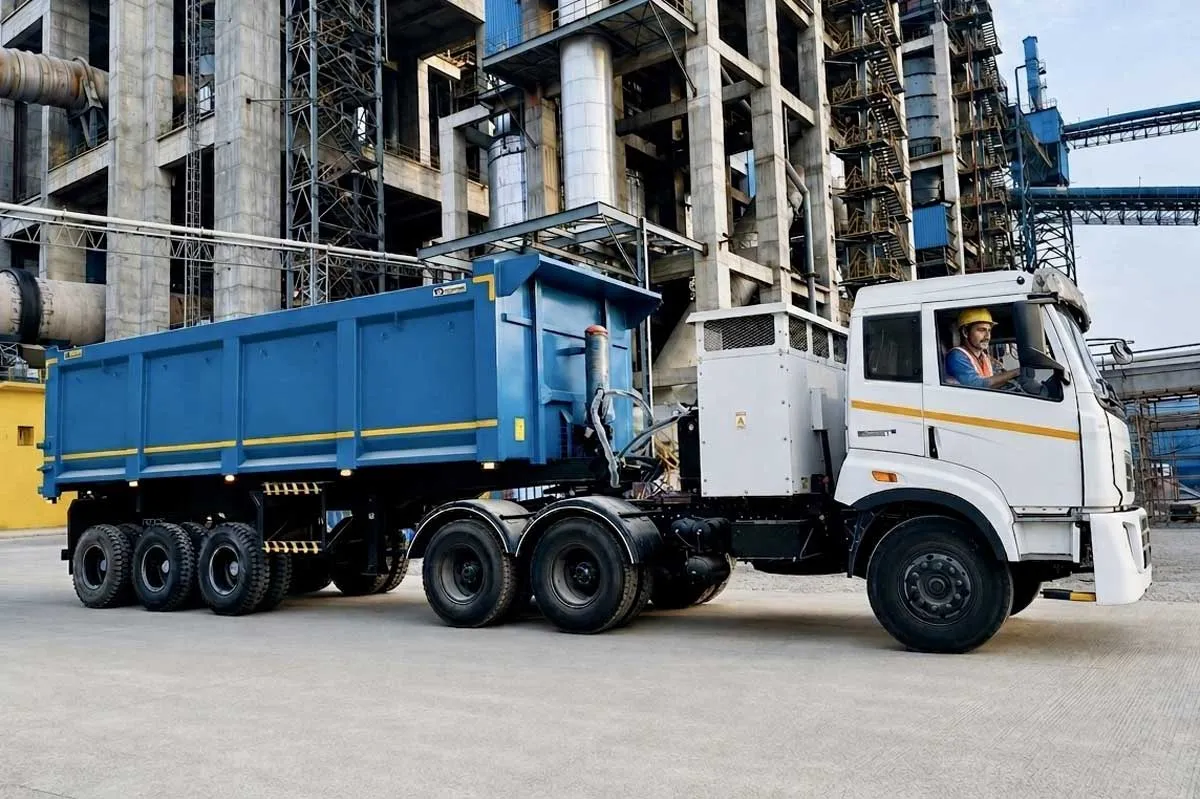
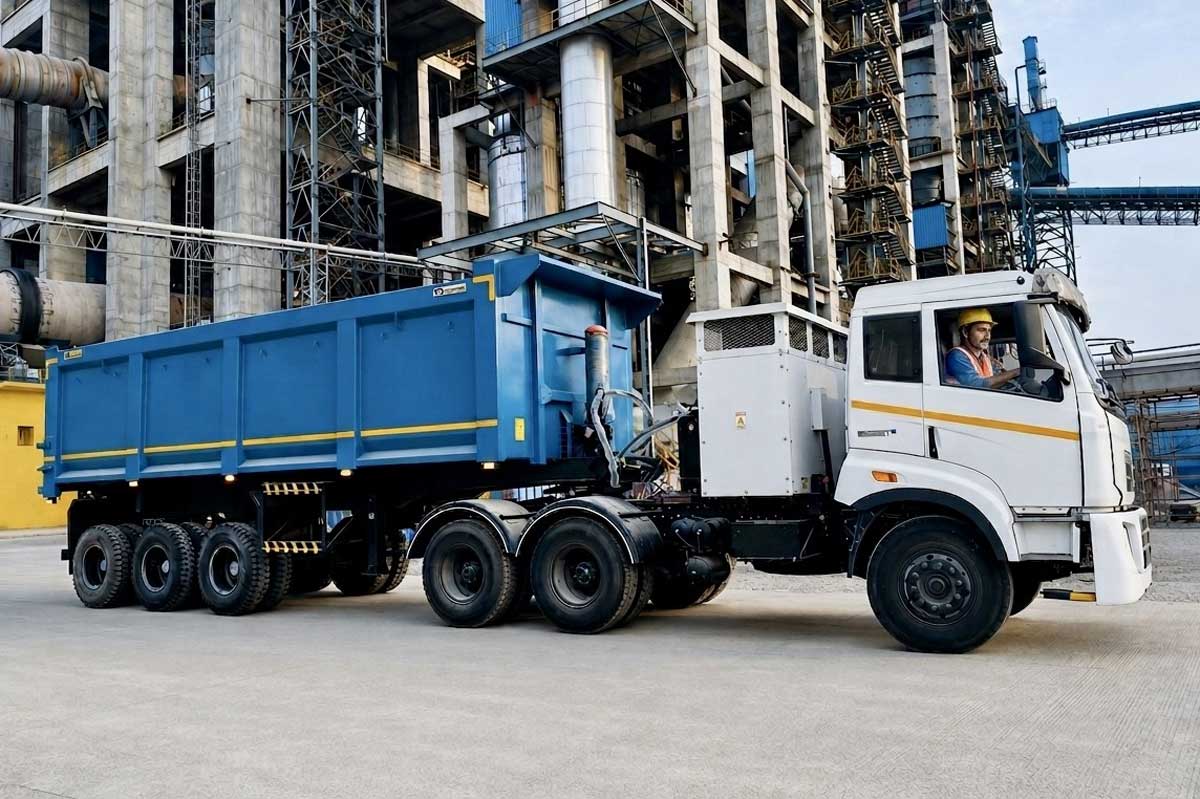


UltraTech to Deploy 600+ Electric Trucks by Dec 2026

UltraTech Cement expands green logistics with 600+ electric truck fleet

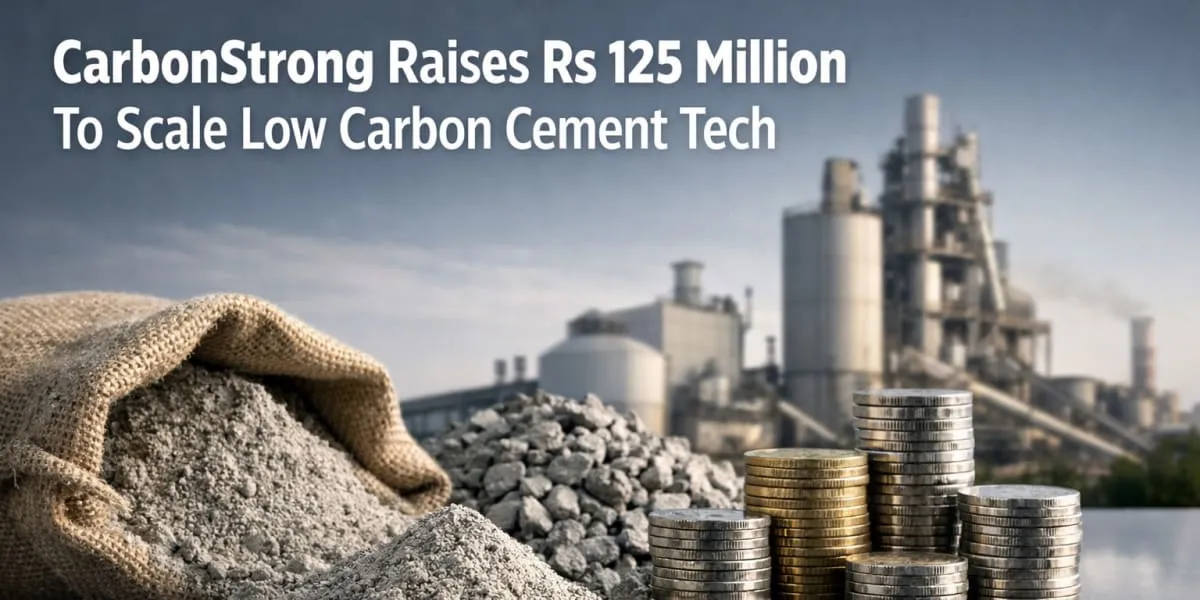
CarbonStrong Raises Rs 125 Million To Scale Low Carbon Cement Tech

Protect Your Margins

More Oversight Makes Cement Plants Less Safe
UltraTech to Deploy 600+ Electric Trucks by Dec 2026
UltraTech Cement expands green logistics with 600+ electric truck fleet
CarbonStrong Raises Rs 125 Million To Scale Low Carbon Cement Tech
Protect Your Margins