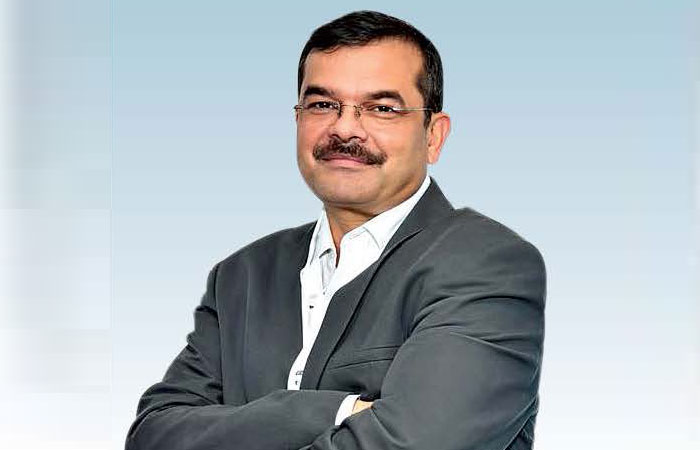
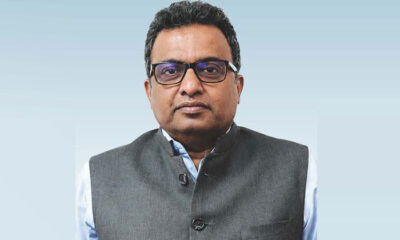
Saurabh Palsania, Joint President, Shree Cement, speaks about following a disciplined, infrastructure-first approach to AFR adoption that allows kiln operators to increase waste-derived fuel usage without trading away stability or product quality.
Bringing an operational rigour to this conversation, Saurabh Palsania, Joint President, Shree Cement, explains what it actually takes to build a dependable alternative fuel and raw materials (AFR) programme from sourcing and pre-processing to kiln feeding in order for India’s cement sector to move from incremental gains to genuine scale.
What is your current approach to increasing the use of alternative fuels and raw materials across your cement manufacturing operations?
Our approach to alternative fuels and raw materials is centred on gradually replacing conventional inputs with suitable waste-derived materials, while maintaining the consistency and quality required in cement manufacturing. We look at both the availability and suitability of materials, their impact on the manufacturing process and the infrastructure needed to use them effectively. Agricultural residue and industrial waste are being used as alternative fuels, while fly ash, slag and synthetic gypsum are among the alternative raw materials that help reduce dependence on fossil fuels and virgin natural resources.
A key part of this approach is strengthening
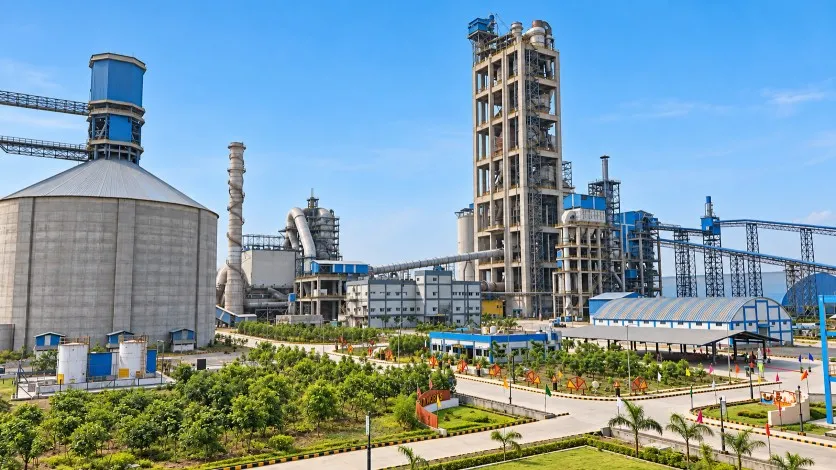
the infrastructure required to handle and process these materials. We have installed an alternative fuel feeding system at our Kodla unit, with similar systems being installed at Nawalgarh and Raipur. This will support greater and more consistent utilisation across our operations.
The progress is reflected in our AFR performance. During FY 2025-26, our thermal substitution rate (TSR) increased to 2.76 per cent, from 2.41 per cent in the previous year, while more than 295 billion kCal of fossil-fuel heat was replaced through agro-waste. Alternative raw material consumption reached 11.53 million tonnes, representing 23.84 per cent of total raw-material usage.
Which alternative fuels and raw materials offer the greatest potential for reducing dependence on conventional fossil fuels and virgin materials?
The greatest potential lies in waste streams that are available at scale and can be consistently processed for use in cement manufacturing. Agricultural residues such as mustard husk, soya husk and bagasse can substitute conventional fossil fuels, alongside liquid and solid suitable industrial and municipal waste. Majorly plastic waste, segregated refuse-derived
fuel (RDF) and high calorific value liquid forms major part of utilisation. On the raw-material
side, fly ash, ground granulated blast furnace (GGBF) slag and synthetic gypsum can reduce dependence on virgin resources and conventional inputs. Synthetic gypsum produced in-house replaces mineral gypsum, while fly ash and GGBF slag support lower clinker consumption.
Shree Cement has been progressively increasing the use of these materials as part of its circular manufacturing approach. In Q2 26-27 the TSR is expected to touch 4 per cent.
What are the key technical, economic and operational challenges limiting the large-scale adoption of AFR in cement plants?
Scaling up AFR is not only a question of availability, materials need to meet the required quality and process specifications, while factors such as moisture and ash content, Chloride and other characteristics need to be managed to maintain kiln performance and process stability. Collection, segregation, storage, pre-processing and feeding also require appropriate systems and processes.
Challenge is in using industrial waste with petcoke and coal, which requires adjusting the fluctuation in heat recovery from the use of alternate fuel and thus also impacting productivity of clinker. This all happens post the feeding of alternate material. In case if the specs of such alternate material are captured well before the material enters the kiln; it may help to further enhance the use.
We are addressing these challenges progressively by strengthening the infrastructure required for AFR adoption while we continue to increase the use of agricultural residue and suitable industrial waste. The focus is on scaling AFR use while maintaining production efficiency, cement quality and commercial viability.
How are you ensuring consistent quality, availability and preprocessing of alternative fuels and raw materials to maintain stable kiln operations?
A reliable AFR programme begins well before the material reaches the kiln. Our focus is on establishing appropriate quality checks and handling processes so that materials entering the manufacturing system meet the required specifications. This involves suitable sourcing, segregation, preprocessing and storage, along with regular monitoring to maintain consistency. Building dependable supply channels is equally important, particularly for agricultural and industrial waste, where availability can vary across locations and seasons.
The infrastructure supporting AFR utilisation is also an important part of this process such as the installed alternative fuel feeding systems at our Kodla, Nawalgarh and Raipur units. These systems will support more controlled handling and feeding as we increase the use of alternative fuels.
The objective is to build a dependable chain from sourcing and preprocessing to feeding and kiln operation. This allows us to increase AFR substitution progressively while maintaining operational stability, energy efficiency and the quality of our cement.
What role are digitalisation, process optimisation and advanced combustion technologies playing in improving AFR substitution rates?
Digitalisation is becoming increasingly important as cement plants move towards higher AFR substitution. Real-time monitoring of kiln conditions, process data and fuel feeding gives operators greater control over combustion and allows timely adjustments. Process optimisation also helps identify opportunities to increase alternative-fuel utilisation while maintaining stable operations. Advanced feeding and combustion technologies complement this by enabling different waste-derived fuels to be introduced into the system in a more controlled manner.
The larger opportunity is to make AFR utilisation more predictable and responsive. Better process data can help operators identify changes early, optimise operating parameters and maintain stable combustion as the proportion of alternative fuels increases. This can also support more consistent utilisation across different operating conditions and improve the efficiency of the overall process.
At Shree Cement, we see these technologies as an important enabler for progressively increasing AFR substitution. The objective is not simply to increase the volume of alternative fuels used, but to build greater control over the process so that higher substitution can be achieved while maintaining kiln stability, energy efficiency and cement quality.
How do you assess the overall environmental and economic benefits of AFR, including carbon reduction, waste diversion and energy savings?
The benefits of AFR extend across the manufacturing value chain. Using agricultural residues and suitable industrial and municipal waste as alternative fuels helps reduce fossil-fuel consumption while giving waste streams a productive end use. Fly ash, GGBF slag and synthetic gypsum similarly reduce dependence on virgin resources and conventional raw materials.
We track these outcomes through measure covering fuel substitution, alternative raw-material consumption, clinker utilisation and resource efficiency. These indicators help us assess the extent to which waste is diverted, natural resources are conserved and conventional inputs are reduced. Blended cement accounted for 64.4 per cent of our total cement production, reflecting the role of alternative materials in reducing clinker consumption.
Looking at AFR through these multiple measures allows us to understand its contribution across environmental and operational performance
rather than assessing it through a single metric. The objective is to increase the environmental gains from greater waste utilisation while ensuring that the resulting processes remain efficient, reliable and commercially viable.
What needs to change across policy, waste management infrastructure and industry collaboration for India to significantly scale up AFR adoption?
India has a significant opportunity to increase the use of waste as a resource, but scaling AFR will require a more organised system for collection, segregation, processing and transportation. Suitable waste streams are often dispersed and can vary in quality, making reliable sourcing difficult for industrial users. Greater investment in waste-processing infrastructure and better segregation at source can help create a more consistent supply. Policy support can further accelerate this by creating clearer frameworks and incentives for the recovery and productive use of industrial, municipal and agricultural waste.
Industry collaboration will also be important because no single company can build this ecosystem on its own. Cement manufacturers, waste-management agencies, local authorities and material suppliers need to work together on reliable supply chains and standards for preprocessing and quality.
Shree Cement’s experience, with TSR reaching 2.76 per cent and alternative raw-material consumption at 11.53 million tonnes, demonstrates the progress possible when these systems are developed. The
next step is to create similar enabling conditions across the sector so that AFR adoption can
scale while maintaining operational stability and product quality.















 Concrete4 weeks ago
 Concrete4 weeks ago
 Concrete4 weeks ago
 Concrete3 weeks ago