Connect with us

Concrete

The biggest gap arises from inconsistent leadership

Published

on

Shares

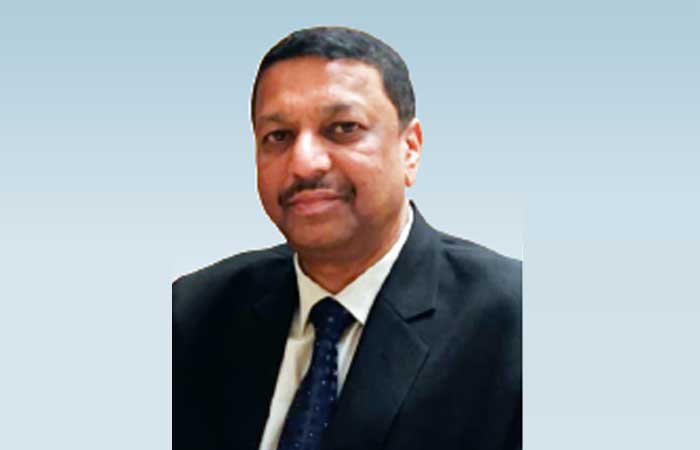
Anuj Kumar Mathur, Safety Consultant, stresses on the importance of closing the enduring gap between what safety systems say on paper and what actually happens on the plant floor.

Robust safety manuals, certified PPE and digital monitoring systems mean little if the culture on the plant floor does not enforce them. Safety Consultant Anuj Kumar Mathur has spent enough time in high-risk operations to know precisely where that gap opens and why it persists. In this exclusive interaction, he suggests feasible ways to strengthen the safety culture at a manufacturing unit.

Having led safety across high-risk fuel operations, what lessons can the cement industry adopt to strengthen its safety culture beyond regulatory compliance?
Beyond regulatory compliance, the cement industry should embed visible leadership commitment, proactive risk assessment, process safety management, strong contractor control, near-miss learning, and employee engagement to build a resilient safety culture that prioritises prevention, operational discipline and continuous improvement over mere compliance.

As cement plants become increasingly automated and digitally connected, how should organisations redefine their approach to process safety and operational risk?
As cement plants become increasingly automated, organisations should integrate process safety with digital risk management by strengthening cybersecurity, real-time monitoring, predictive maintenance, management of change and workforce competency to ensure safe, reliable and resilient operations.

What are the most common gaps between having robust safety systems on paper and achieving consistent safety performance on the ground?
The biggest gap arises from inconsistent leadership commitment on ground, weak safety culture, inadequate supervision, poor risk communication, insufficient workforce engagement specially, ineffective training and failure to translate procedures into disciplined execution, accountability and continuous monitoring at the operational level.

How can cement manufacturers better integrate contractor safety, leadership accountability and workforce behaviour to build a truly zero-harm workplace?
Manufacturers can achieve a zero-harm workplace by enforcing uniform safety standards for employees and contractors, strengthening leadership accountability, promoting proactive hazard reporting, enhancing competency through continuous training and fostering a culture where safe behaviour is recognised, expected and consistently practiced

What emerging technologies and safety practices do you believe will have the greatest impact on risk prevention in cement manufacturing over the next decade?
Artificial intelligence, IoT-enabled monitoring, predictive analytics, digital twins, wearable safety devices, drones, robotics and advanced process automation will significantly enhance hazard detection, predictive maintenance, real-time risk management, and worker protection, enabling safer and more resilient cement manufacturing.
IoT-enabled monitoring is the use of interconnected sensors and smart devices to continuously collect, transmit and analyse real-time data from equipment, processes and the work environment. This enables early detection of unsafe conditions, equipment failures, or abnormal operating parameters, allowing timely intervention before incidents occur.
In cement manufacturing, IoT-enabled monitoring can be used for:
• Monitoring kiln, crusher, and mill temperatures, pressures, and vibrations.
• Detecting overheating of bearings and motors to prevent failures.
• Monitoring dust concentration, gas leaks (CO, SO2, NOx), and oxygen levels.
• Tracking conveyor belt alignment and condition.
• Monitoring structural health of silos and
storage facilities.
• Tracking worker location and exposure to hazardous environments using wearable devices.
• Providing real-time alerts and predictive maintenance recommendations.


Benefits:
• Early hazard detection
• Reduced equipment downtime
• Improved process safety and reliability
• Lower maintenance costs
• Enhanced regulatory compliance
• Better decision-making through real-time data and analytics
In simple terms, IoT-enabled monitoring transforms periodic manual inspections into continuous, real-time surveillance of plant safety and equipment health.


Concrete

Meghalaya Cabinet Approves MCCL Closure, Writes Off Rs. 244.3 mn

Cabinet approves winding up of state-owned cement company

Published

on

By

Shares


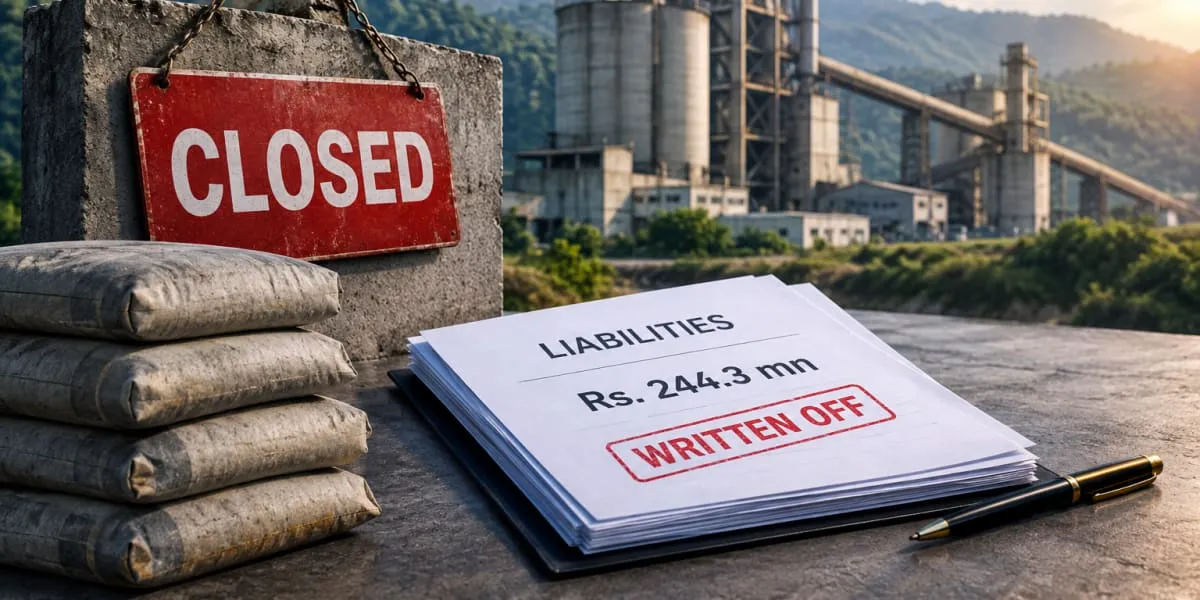
The Meghalaya Cabinet has approved the closure and winding up of Meghalaya Cherra Cement (MCCL), a state-owned cement company, with pending liabilities of approximately Rs. 244.3 mn to be written off as part of the process. The decision was announced by Chief Minister Conrad K Sangma on October 13, 2026.

The approved write-off comprises about Rs. 89 mn in sales tax dues and Rs. 155.3 mn in royalty dues. The Cabinet’s decision addresses the liabilities that remained after the company’s operations and enables the government to proceed with its formal closure.

Sangma said employee dues owed by MCCL had been settled in line with the state government’s commitment. The settlement of employee-related liabilities is a key part of the winding-up process and removes outstanding obligations to the company’s workforce.

The Chief Minister explained that MCCL is owned by the government, meaning the pending liabilities would otherwise involve transfers between the state government and its departments. Writing off the dues is intended to simplify the accounting and administrative steps required to complete the closure.

The decision is also intended to ensure that the winding-up does not create an additional financial burden for the state government. With employee payments settled and the sales tax and royalty liabilities addressed through the approved write-off, the Cabinet’s approval marks a further step towards completing the formal closure of MCCL.

The action follows the state government’s decision to discontinue the company and resolve its outstanding obligations through an orderly winding-up process. The approved measures cover the principal liabilities identified for settlement and allow the government to advance the remaining formal procedures associated with closing the state-owned enterprise.

Continue Reading

Concrete

Fornnax Wins AIRIA’s Special Export Award for Rubber Machinery in 2025-26

Published

on

By

Shares

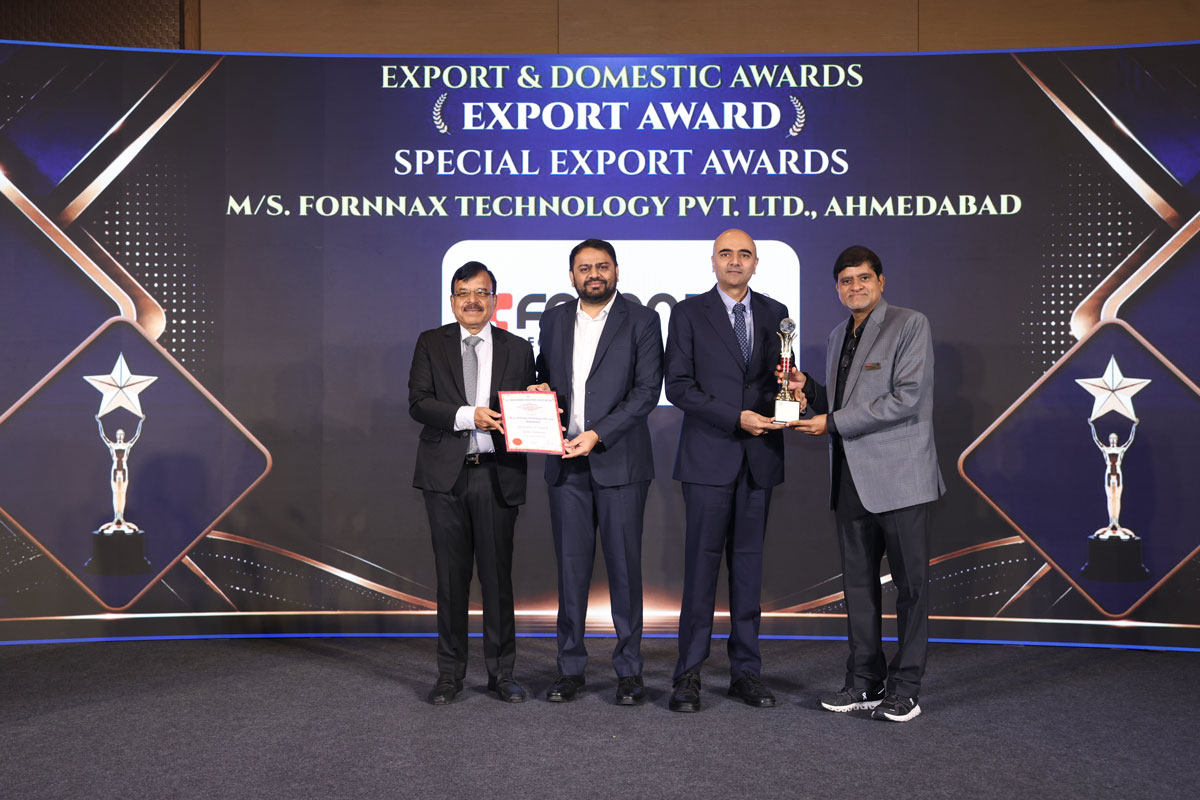
Fornnax Technology Pvt. Ltd. has been honoured with the Special Export Award – Rubber Machinery for 2025–26 by the All-India Rubber Industries Association (AIRIA), in recognition of its highest exports of tyre recycling plants to the European region.

With more than a decade of experience in India’s tyre recycling industry, Fornnax has contributed to the development of advanced recycling technologies and infrastructure. The company currently holds a 90% market share in India’s domestic tyre recycling sector, while exports account for 30% of its business, spanning markets such as Europe, Australia and the GCC.

The award marks another milestone for Fornnax, whose tyre recycling lines and advanced shredding technologies are supporting the growth of the circular economy in India and international markets.

Commenting on the recognition, Mr. Jignesh Kundaria, Founder and Director of Fornnax, said:

“This honour from AIRIA is a reflection of an incredible journey we have undertaken over the years. When we started Fornnax, there was no established recycling industry in India to follow. We chose to build for the future instead. Today, when you see India’s tyre recycling sector, it has already transformed into a dynamic, high-growth industry and we are extremely proud to have played our part in building it.”

Unlike standalone equipment suppliers, Fornnax focuses on developing complete, high-capacity recycling infrastructure. Its integrated systems combine multiple stages of shredding and size reduction to enable efficient, continuous operations. This system-level engineering approach helps recycling operators improve throughput, equipment reliability and operational consistency.

The recognition reinforces Fornnax’s commitment to developing engineering technologies that contribute to a more efficient and circular recycling ecosystem.

Looking ahead, the company aims to expand its international presence while continuing to develop advanced shredding and recycling solutions to address the growing volumes and evolving requirements of the global recycling industry.

For more information, visit: www.fornnax.com

Continue Reading

Concrete

Cement Prices Likely to Rise Rs. 10-15 per Bag from Mid-October

Input costs and steady demand may drive cement price increases

Published

on

By

Shares


Cement manufacturers in India are likely to raise prices by Rs. 10-15 per bag from mid-October, as they seek to offset persistent increases in power and fuel costs. Emkay Research said its channel checks indicated a high probability of an increase from October 12, supported by the start of the busy construction season and favourable demand-supply conditions.

The sector had implemented similar rate adjustments of Rs. 10-15 per bag during the first quarter, but the increases were insufficient to cover higher operating costs. Prices also softened during July and August because of the monsoon, widening the gap between realisations and input expenses. Delayed plant expansion programmes have pushed clinker utilisation rates towards 79 per cent by FY28, helping to balance market fundamentals.

Emkay Research said steady volume offtake was supporting cement consumption, with non-trade demand driving activity across regional markets. Industry volumes are expected to grow by 7-8 per cent year on year during the first half of FY27, while demand momentum is projected to remain firm over the following 18 months. The outlook includes the busy construction season in the second half of FY27 and infrastructure activity linked to general elections in the first half of calendar year 2029.

The brokerage expects overall cement demand to record a compound annual growth rate of about 7 per cent between FY26 and FY28. However, elevated operating expenses are likely to continue weighing on profitability. Input costs have risen by Rs. 300-400 per t over the past six to seven months, with the full impact expected to become visible in second-quarter earnings and remain persistent through the second half of FY27.

Spot prices for petcoke and imported coal are approximately 20 per cent and 16 per cent above their second-quarter averages, at USD 175 per t and USD 150 per t, respectively. Packing costs have also increased, with polypropylene granule prices rising above Rs. 135 per kg. Emkay Research estimated that second-quarter earnings could decline by Rs. 200-250 per t sequentially because of higher fuel bills and negative operating leverage, and said the sector requires sustained price increases of about Rs. 10 per bag to offset cost inflation.

Continue Reading

Video Thumbnail
▶

    SIGN-UP FOR OUR GENERAL NEWSLETTER

    Trending News

    SUBSCRIBE TO THE NEWSLETTER


    Don't miss out on valuable insights and opportunities to connect with like minded professionals.


      This will close in 0 seconds