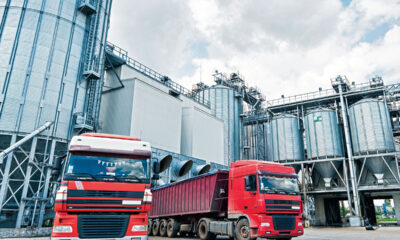
Riddhish Pandey, Associate General Manager (Packing Plant), Wonder Cement, shares with Kanika Mathur insights into the latest bagging and packaging technologies.
In this insightful interview, we get to understand the cutting-edge advancements in cement
bagging, packaging, and palletising, through the processes at Wonder Cement, as the company focusses on efficiency, sustainability and customer-driven innovations.
How do advancements in bagging and packaging technologies improve efficiency in cement distribution?
Auto truck loader operations for handling cement bags play a critical role in ensuring that cement reaches customers quickly and in optimal condition. Advancements in bagging and packaging technologies have significantly enhanced the efficiency of cement distribution by automating processes that were once manual. Automated bagging systems, for example, allow for faster and more precise filling of cement bags, reducing the need for manual labour, which not only makes operations safer but also improves the consistency of bag weights. Innovations such as high-speed packaging machines have further boosted throughput by minimising downtime, leading to an increase in overall production capacity. Moreover, efficient packaging practices reduce the risk of damage during transportation, ensuring that cement reaches customers without compromise.
A notable advancement in modern packaging systems is the integration of advanced Roto packers with in-line bag weight correction mechanisms. These systems automatically adjust bag weights within a defined range, significantly reducing the need for manual intervention. The use of check weighers plays a vital role in this process, as they ensure that bag weights remain consistent and accurate. This not only reduces downtime associated with manual corrections but also enhances the overall efficiency and reliability of the packaging process.
What innovations in packaging materials are being adopted to enhance the durability of cement bags?
The adoption of multi-layered packaging materials, such as woven polypropylene (WPP) bags, has significantly improved the durability and strength of cement packaging. WPP bags offer enhanced resistance to moisture, tearing, and wear and tear, which is crucial during handling, transportation, and storage. These bags are particularly effective in protecting the cement from environmental factors that could compromise its quality. In addition to WPP bags, some companies are exploring the use of biodegradable or recycled materials as a sustainable alternative. These materials provide a balance between durability and environmental responsibility, helping to reduce the overall environmental impact of cement packaging without sacrificing product integrity.
Moreover, adding protective coatings and lamination to packaging has further strengthened the cement bags’ ability to withstand external pressures. These additional layers help maintain the integrity of the cement by providing an extra shield against moisture, dust, and other contaminants, ensuring the product remains in optimal condition during both storage and transit. This combination of advanced materials and protective measures enhances the overall quality of cement distribution, benefiting both the environment and customers.
How does automation in bagging and palletising impact production and cost optimisation?
Automation in bagging and palletising has led to significant improvements in production speed and cost optimisation within the cement industry. Automated systems reduce reliance on manual labor, which not only lowers operational costs but also minimises the chances of human error. These systems are designed to run continuously without downtime, thus increasing production output and ensuring a more efficient workflow.
Automated palletising, in particular, plays a crucial role by ensuring the precise stacking of cement bags. This reduces the risk of product damage during handling and transportation, as the bags are organised in a manner that maximises their stability. Additionally, improved stacking helps optimise space utilisation, which leads to more efficient storage and reduces transportation costs. Moreover, the introduction of the ‘First Come, First Out’ (FIFO) system for truck loading helps minimise Turnaround Time (TAT) by ensuring that older stock is loaded and dispatched first. This further enhances operational efficiency by reducing delays and improving the logistics process, ensuring a quicker, more streamlined delivery to customers. These automation-driven improvements contribute to both faster production cycles and cost savings, making cement distribution more effective overall.
We are using the VFD system in the packer to reduce power capacity of packing plant operation to reduce per ton cost.
What measures do you take to ensure sustainable and eco-friendly packaging solutions?
Sustainable packaging solutions are becoming a key focus in the cement industry, driven by the growing need to reduce environmental impact. One of the main strategies involves adopting eco-friendly materials, such as biodegradable bags and recycled plastic products. This shift not only helps reduce the reliance on traditional plastics but also aligns with broader environmental goals.
Reducing the use of single-use plastics is another crucial step in this process. By implementing systems for reusing and recycling cement bags, companies can significantly cut down on waste, minimising their environmental footprint. A well-designed recycling programme for cement bags, where feasible, can contribute to reducing the demand for new raw materials and ensure that packaging materials are used to their full potential. Additionally, optimising packaging design to minimise material usage, without compromising on the strength or quality of the bags, can further reduce waste. Lightweight yet durable packaging helps lower environmental impact while maintaining the integrity of the product.
Exploring alternative materials like paper bags with high-strength properties is another promising direction. These paper bags are both recyclable and biodegradable, offering a more sustainable option compared to conventional plastic bags. With the right innovations and materials, cement packaging can become more environmentally friendly, helping to reduce overall waste and promote sustainability within the industry.
How do you address challenges related to the transportation and handling of cement pallets?
To effectively address challenges related to transportation and handling, we ensure that our cement pallets are stacked optimally and securely, minimising the risk of damage during transit. Our palletising process uses specialised materials and techniques to ensure that the bags remain stable and well-positioned throughout transportation. This approach reduces the likelihood of shifting or collapsing, which can lead to product damage or inefficiencies in space utilisation. Additionally, we implement comprehensive training programs for workers, focusing on the proper handling of cement bags. These training initiatives equip employees with the necessary skills to safely load and unload the bags, further minimising the risk of damage during these crucial stages. By emphasising safe and efficient handling, we improve both the quality and reliability of our cement delivery process, ensuring that customers receive their orders in optimal condition.
This combination of optimised palletising, secure stacking, and trained workforce helps streamline the entire logistics process, contributing to reduced damage rates and enhanced operational efficiency.
What role does digitalisation play in optimising bagging and palletising operations?
Digitalisation plays a pivotal role in optimising bagging and palletising operations by integrating advanced tracking and monitoring systems. These systems leverage sensors and automated technologies to gather real-time data on critical factors such as machine performance, product weight, and packaging integrity. This data-driven approach allows for immediate adjustments to the process, ensuring consistent product quality and reducing the likelihood of errors or inconsistencies.
One of the key benefits of digitalisation is the implementation of predictive maintenance. By continuously monitoring equipment conditions, digital systems can anticipate potential failures before they occur, reducing downtime and keeping production running smoothly. This proactive approach helps maximise the lifespan of machinery and ensures that operations are not interrupted by unexpected breakdowns. Additionally, digitalisation enhances inventory management by providing real-time insights into stock levels, enabling companies to optimise their production schedules. This leads to more efficient, just-in-time production and delivery, ensuring that the right amount of cement is produced and dispatched without overstocking or shortages. Overall, the integration of digital systems boosts efficiency, reduces operational costs, and improves the reliability of the bagging and palletising process.
How are customer demands influencing trends in cement packaging design and functionality?
Customer demands are playing an increasingly influential role in shaping packaging designs, with a clear focus on convenience, durability, and sustainability. Modern consumers are looking for packaging that enhances usability, such as bags with ergonomic designs that are easy to carry, and resealable options that allow for more flexibility in storage. These features cater to the growing demand for practical, user-friendly solutions, especially for residential or small-scale use.
Alongside convenience, there is a significant push towards eco-friendly packaging. Customers are now more conscious of environmental issues, leading to a preference for packaging made from sustainable materials, such as biodegradable or recyclable options. This demand reflects the broader trend toward sustainability in various industries, including cement packaging, as consumers seek ways to reduce their environmental footprint. Additionally, the trend toward smaller, more compact bags is gaining traction. Many customers now prefer to purchase cement in smaller quantities, especially for residential or projects. This change in consumer behavior requires packaging solutions that are not only convenient but also tailored to individual needs.
Finally, customers expect a high level of consistency in packaging quality. Cement packaging must not only be functional but also provide reliable protection during storage and transit. The durability of the packaging is essential to ensure that the cement reaches customers without damage, maintaining its integrity and usability.
By responding to these customer demands, companies can enhance customer satisfaction while contributing to sustainability and efficiency in the cement packaging process.
What strategies do you implement to minimise waste and improve recyclability in cement packaging?
Prioritising waste reduction through the use of recyclable packaging materials is a crucial step in making cement packaging more sustainable. By working closely with suppliers, we can ensure that the materials used for packaging are eco-friendly, recyclable, or reusable at the end of their life cycle. This collaboration helps us source packaging solutions that align with our environmental goals, reducing waste and conserving resources.
In addition to using recyclable materials, we can focus on optimising packaging sizes and material usage during production. By designing packaging that is efficient and tailored to customer needs, we can minimise excess materials, thus reducing waste and improving resource efficiency. Streamlining packaging design not only lowers costs but also supports sustainability by ensuring that materials are used as effectively as possible.
To further support a circular economy, we can actively raise awareness among customers about the importance of proper disposal and recycling of cement packaging. Providing clear instructions on how to recycle or reuse packaging materials can empower customers to contribute to the circular economy, where materials are kept in use for as long as possible, reducing the need for new resources and minimising environmental impact.
Through these combined efforts, we can help foster a more sustainable approach to cement packaging, making a positive impact on both the environment and the community.