Connect with us

Concrete

Seamless Packaging Means Elevated Branding

Published

on

Shares

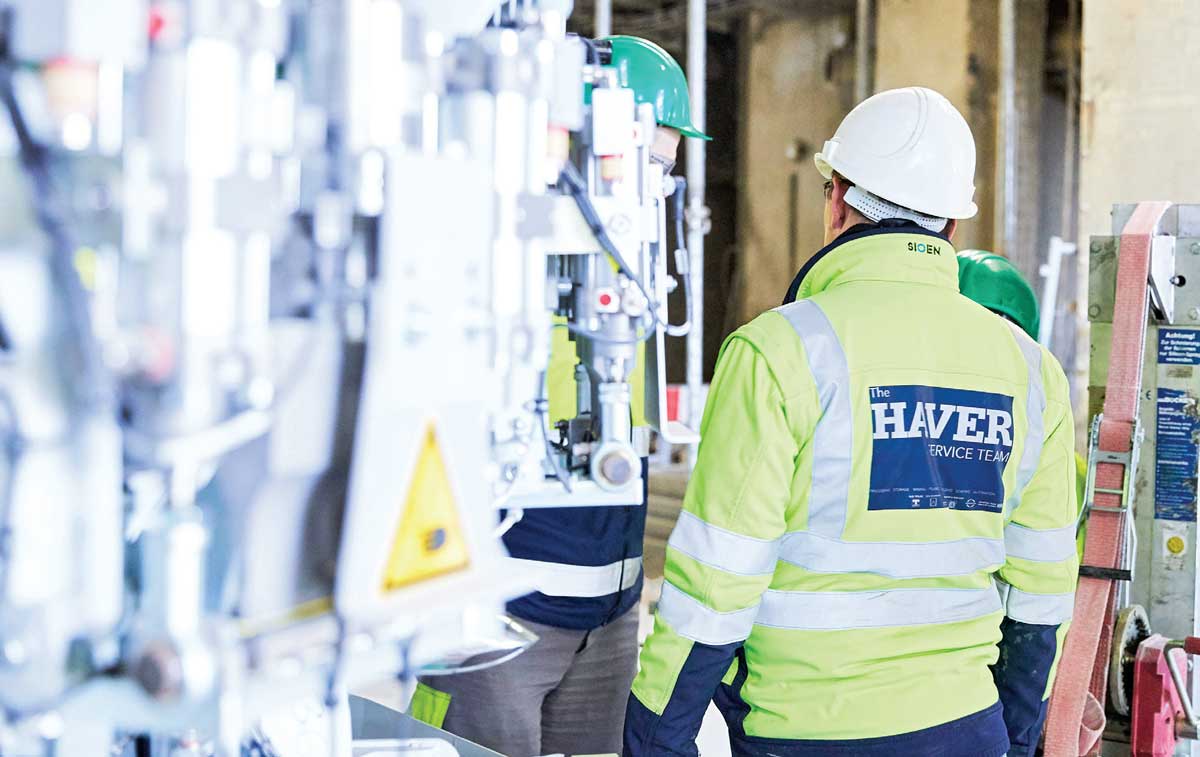
The right packaging does more than protect a product; it protects reputation, efficiency and brand value. Marta Bortolotti, Division Manager Consumables, Haver & Boecker, discusses smart packaging solutions that are becoming a strategic priority for manufacturers.

When it comes to product packaging, every element, from design and materials to compatibility with machinery, product and closure type, plays a vital role in achieving both efficient function and a positive brand image. To maintain a competitive edge, producers must carefully evaluate their packaging choices.

Partner with an expert
Unlike providers who specialise solely in packaging, full-service manufacturers can combine their expertise in packing equipment and product analysis. They can provide bag recommendations that integrate seamlessly with machinery. This approach enhances efficiency, expedites the filling process and ensures operational flow — all while saving resources, preserving product and strengthening brand perception.
A full-service approach tackles common issues like bag leaks, poor sealing or inefficiencies in bag performance. By leveraging detailed testing processes, such as bag volume checks and valve inspections, some manufacturers ensure the bag material and design are tailored to each packing line and product. This precision minimises production disruptions, optimises workflow and delivers packaging that enhances brand visibility and market impact.

Analyse your operational needs
Some manufacturers conceptualise the full-service philosophy as a practical framework that ensures bags, equipment and products work as a cohesive system. By aligning all three pillars, they can create solutions that reduce waste, save resources, improve operational efficiency and maximise output to achieve the perfect flow.
To begin, an expert will analyse the product to define the ideal machine technology and design a packaging solution that fits seamlessly into the operation’s preexisting process. This holistic approach ensures each packing facility can tackle even the most challenging requirements with precision and efficiency. Whether an operation is making a switch from open-mouth to valve-bag equipment and wants to ensure it goes smoothly or is simply looking for inefficiencies with their current packing line, analysing your bags should be a part of the equation.

Test and fine-tune your production line
The process begins with consultations and testing to gain a full understanding of the facility’s products and systems. The manufacturer’s engineers then create a custom bag report and fine-tune designs after thorough testing with the machinery. Finally, look for a manufacturer that can manage the entire supply chain, from bag testing to supply, ensuring a smooth and hassle-free experience. Some manufacturers also provide bag optimisation plans focused solely on the performance of existing bags to ensure they align with the demands of the production line. Through analysis, these manufacturers identify areas for improvement, offering specific recommendations to enhance bag materials, structure and compatibility. This method not only increases productivity and efficiency but also ensures cost-effectiveness and reliability by minimising downtime, reducing waste, optimising resource use and delivering consistent results across all operations.

A bag that reflects your brand
More than just a functional component, a bag serves as a powerful branding tool and a visual business card for each company. While some companies work with multiple providers for packaging, partnering with a single OEM expert, who understands the product, equipment, and production goals, provides unbeatable efficiency and peace of mind. With an integrated approach, every bag becomes a powerful asset for the brand and business.

About the author:
Marta Bortolotti, Division Manager , Consumables, Haver & Boeckers
a driven packaging solutions leader focused on consumables, helping businesses achieve efficient operations, consistent quality, and long-term competitiveness through continuous learning and innovation.


Concrete

TotalEnergies and Holcim Launch Floating Solar Plant in Belgium

Published

on

By

Shares

TotalEnergies and Holcim have commissioned a floating solar power plant in Obourg, Belgium, built on a rehabilitated former chalk quarry that has been converted into a lake. The project has a generation capacity of 31 MW and produces around 30 GWh of renewable electricity annually, which will be used to power Holcim’s nearby industrial operations. The project is currently the largest floating solar installation in Europe dedicated entirely to industrial self-consumption. To ensure minimal impact on the surrounding landscape, more than 700 metres of horizontal directional drilling were used to connect the solar installation to the electrical substation. The project reflects ongoing collaboration between the two companies to support industrial decarbonisation through renewable energy solutions and innovative infrastructure development.

Continue Reading

Concrete

Cortec® Corporation applauded for its strong safety performance

Published

on

By

Shares

Cortec® Corporation has been recognised for its strong safety performance, receiving its sixth Governor’s Workplace Safety Award for its outstanding performance in 2025. As a Silver Achievement recipient, the company continues to maintain safety metrics well above national industry averages, an impressive accomplishment for a chemical manufacturing organisation. This achievement reflects Cortec’s proactive approach to workplace safety, focused on early hazard detection and employee involvement. The company will be formally recognised at the Minnesota Safety and Health Conference in May, highlighting how industrial companies are effectively strengthening workplace safety standards.

Continue Reading

Concrete

Mounting Cost Pressures

Published

on

By

Shares

The Indian cement industry enters the new financial year facing a complex and evolving cost environment shaped increasingly by global geopolitical developments. Ongoing tensions in West Asia have begun to influence the industry’s input cost structure, particularly through rising prices of imported fuels, freight and packaging materials. For an industry where fuel and logistics constitute a significant share of total production cost, these developments are already beginning to reflect in margin pressures across producers.
A large portion of the Indian cement industry’s fuel requirement, which is estimated at nearly 50–60 per cent, is still met through imported petcoke, making the sector highly vulnerable to global energy price volatility. Any disruption in supply chains or shipping routes directly affects fuel costs, which remain one of the largest cost components in cement manufacturing. At the same time, international freight rates have increased, adding another layer of cost pressure for companies dependent on imported fuel and raw materials.
Another emerging concern is the sharp rise in polypropylene (PP) prices, the primary raw material used for cement packaging bags. Since polypropylene prices are closely linked to crude oil prices, fluctuations in oil markets are now directly impacting cement packaging costs. Industry reports also indicate concerns about potential shortages of polypropylene, which could further disrupt cement bag availability and increase packaging costs.
This combination of rising fuel, freight and packaging costs is placing cement manufacturers in a difficult position. While input costs are rising, the ability to pass on these increases to the market remains limited due to competitive pricing dynamics and regional demand-supply conditions.
According to recent industry estimates and credit rating agency ICRA, the Indian cement industry is expected to grow by around 7–8 per cent in FY26, driven by infrastructure spending, housing demand and government capital expenditure. However, profitability is likely to remain under pressure due to elevated input costs and continued global uncertainty.
As the industry moves into the new fiscal year, cost management, operational efficiency and supply chain optimisation will remain critical for cement companies navigating an increasingly uncertain global environment.

Continue Reading

Video Thumbnail
â–

    SIGN-UP FOR OUR GENERAL NEWSLETTER


    Trending News

    SUBSCRIBE TO THE NEWSLETTER


    Don't miss out on valuable insights and opportunities to connect with like minded professionals.


      This will close in 0 seconds