Rajesh Kumar Nayma, Associate General Manager – Environment and Sustainability, Wonder Cement, in conversation with Kanika Mathur about CCUS technology.
Wonder Cement Limited (WCL), a leading player in the cement industry, is committed to sustainable practices and innovation in its operations. Rajesh Kumar Nayma, Associate General Manager – Environment and Sustainability at WCL, shares insights into the company’s efforts to integrate Carbon Capture, Utilisation, and Storage (CCUS) technology to combat climate change. Through advanced processes and renewable energy initiatives, WCL is paving the way for a greener cement industry.
How is your company incorporating CCUS technology into its operations to promote sustainability?
To combat climate change and achieve Net Zero emissions by 2060, Carbon Capture, Utilisation, and Storage (CCUS) technology will play a pivotal role. Wonder Cement Limited (WCL) is actively collaborating with various technology providers to support this journey. Efforts include segregating greenhouse gas (GHG) emissions from stacks, implementing oxy-fuel technology, electrifying kilns, utilising 100 per cent solar energy within plants, and eliminating fossil fuel consumption.
WCL has conducted a comprehensive GHG inventory aligned with India’s COP26 commitments, aiming to achieve net-zero emissions. Technological innovations such as the installation of a 45 MW Waste Heat Recovery System (WHRS) and an additional 15 MW WHRB have been key milestones. These systems capture excess heat from production processes, converting it into energy and reducing carbon footprints. The company has also introduced advanced burner technology to lower NOx emissions and optimise energy consumption. Currently, WCL achieves less than 47 KWh/tonne of clinker and an SEC of less than 685 Kcal/kg of clinker—benchmarks among the best in the cement industry. These achievements reflect the company’s dedication to lowering environmental footprints through technological enhancements.
What challenges do you face in implementing CCUS in the cement manufacturing process, and how do you address them sustainably?
For India, CCUS is still an emerging concept. While some European companies have successfully implemented CCUS, the associated costs in the Indian context are currently prohibitive, approximately 2.5 to 3 times the cost of a cement plant. This makes large-scale implementation challenging. Some of the key challenges are:
- High project costs: The cost of implementing CCUS is 2-3 times higher than the cost of a cement plant.
- Energy-intensive operations: Operating CCUS facilities can double energy consumption, increasing operational expenses.
- Space requirements: CCUS infrastructure demands substantial space.
- Storage accessibility: Many Indian plants are located inland, far from oceans, complicating carbon storage options.
WCL is advocating for further research to optimise the utilisation of captured carbon, which could lower project and operational costs over time. The company is committed to exploring CCUS feasibility for its future projects and collaborating with technology providers to address these challenges sustainably.
How do you see CCUS contributing to achieving net-zero emissions?
CCUS is indispensable for achieving Net Zero emissions in the cement industry. Even with 100 per cent electrification of kilns and renewable energy utilisation, CO2 emissions from limestone calcination—a key raw material—remain unavoidable. The cement industry is a major contributor to GHG emissions, making CCUS critical for sustainability.
Integrating CCUS into plant operations ensures significant reductions in carbon emissions, supporting the industry’s Net Zero goals. This transformative technology will also play a vital role in combating climate change and aligning with global sustainability standards.
Any specific investments or partnerships made in CCUS research or deployment to support sustainable practices?
WCL has implemented several innovative technologies and process optimisations to minimise GHG emissions. Key initiatives include:
- Installation of WHRS and maximising renewable energy usage.
- Exploring the production of lower clinker cements such as LC3 and PLC, alongside increasing the share of blended cement like PPC.
- Engaging with consultants and technology providers to develop a comprehensive Net Zero and ESG roadmap.
Any success stories or pilot projects involving CCUS that have significantly impacted your sustainability goals?
We have invested in renewable energy projects to significantly reduce its carbon footprint. Key examples include:
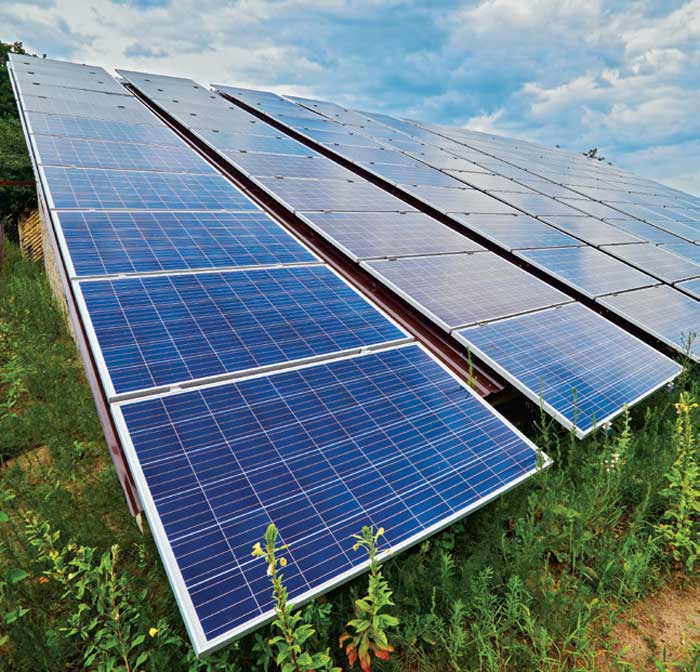
- Solar power installations at Nimbahera Integrated Plant and Jhajjar Grinding Unit.
- 15 MW windmills at Pratapgarh.
- Renewable Power Purchase Agreements for grinding units in Aligarh, Uttar Pradesh, and Dhule, Maharashtra, replacing 50 to 60 per cent of energy demand from the grid and reducing GHG emissions.
The company is actively exploring CCUS installation for upcoming projects, assessing its viability in the Indian context.
Beyond CCUS, what other sustainable practices or innovations is your company implementing to reduce its environmental footprint?
WCL’s sustainability initiatives include:
Energy efficiency: Installing Variable Frequency Drives (VFDs), optimising differential pressures across bag filters, and enhancing kiln operations.
- 3R principles: Emphasising reduce, reuse and recycle to optimise resource utilisation and waste management.
Waste co-processing: Utilising over 50,000 tonnes of RDF/plastic waste and ensuring proper disposal of hazardous waste like used oil and lead-acid batteries.
- Alternative raw materials: Substituting natural resources with industrial by-products like red mud, chemical gypsum and ETP sludge.
- Plastic waste management: Increasing recycled content in PP bags and achieving Extended Producer Responsibility (EPR) targets.
- Carbon sequestration: Planting over 250,000 trees, sequestering 5,000-10,000 tonnes of CO2 annually.
- Water conservation: Operating as a water-positive organisation, with a focus on rainwater harvesting and groundwater recharge.
How do you balance the cost challenges of CCUS with your commitment to sustainable development?
WCL prioritises environmental stewardship alongside financial sustainability. While CCUS implementation involves high costs, WCL sees opportunities in mechanisms such as Carbon Border Adjustment Mechanism (CBAM), carbon trading, and Renewable Energy Certificate (REC) trading. These avenues provide financial incentives to offset the initial investment in green technologies.