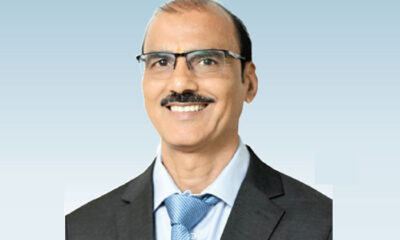
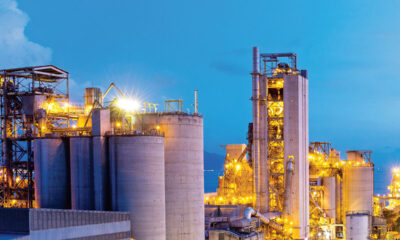
Partha Dash, Managing Director, Moglix, discusses how India’s cement industry, a key player in the country’s construction growth, is at a critical juncture as it faces the challenge of balancing expansion with sustainable practices.
According to research by construction blog Bimhow, the construction sector contributes to 23 per cent of air pollution, 50 per cent of the climatic change, 40 per cent of drinking water pollution, and 50 per cent of landfill wastes. Over the last decade cement has been one ubiquitous element in India’s construction growth story. As the world’s second-largest producer, we are seeing an impressive growth trajectory. Major players like Birla, Adani, Dalmia Bharat, JK Cement and Shree Cement are expanding fast, with plans to add 150-160 million tonnes of capacity over the next five years. This follows a substantial increase of 120 million tonnes in the past five years, pushing India’s total capacity to around 600 million tonnes. But with all this expansion, we have got a big question – How do we ensure sustainable procurement practices, in such an energy dependent industry?
Energy-intensive nature of cement production
Making cement takes a lot of energy. Process starts with limestone being mined, crushed, and grounded, using about 5-6 per cent of the total energy. The biggest energy use happens during clinker production, where around 94-95 per cent of the energy is used. Here is where limestone is heated to very high temperatures in a kiln, which needs a lot of energy from fossil fuels like coal and pet coke. Electricity is also used to run equipment like fans and kiln drives.
Once the clinker is made, it’s ground into cement. This grinding process uses another 5-6 per cent of the energy and usually happens at facilities close to where the cement is needed. Facilities that handle both clinker production and grinding in one place are generally more energy-efficient. Many of these places use coal-powered plants to supply the heat needed for the kilns, keeping production steady.
Transitioning to bulk cement
Making cement use more efficient is key to reducing the industry’s carbon footprint. In India, as per research by World Economic Forum around 75-80 per cent of cement is sold in 50kg bags to small-scale builders and individuals. But there’s often little insight into how this bagged cement is used. Research from the World Economic Forum also shows that about 40 per cent of this cement is mixed by hand. Builders sometimes use more cement than needed, thinking it will make the structure stronger, which increases emissions.
It’s crucial to educate these small-scale users about using cement efficiently. Builders need accurate information on mixing ratios and should be encouraged to adopt design techniques that use less cement. One idea suggested in the report is to put embodied carbon labels on cement bags to provide this information, helping to promote more sustainable practices at the grassroots level.
On the flip side, bulk cement, which now makes up 20-25 per cent of India’s cement use, has its own set of challenges and opportunities. Bulk cement is often used for large-scale projects that need high-strength concrete, which tends to be more carbon-intensive. However, it also makes it easier to mix in supplementary cementitious materials (SCM), which can reduce the carbon intensity of the cement. As bulk cement use grows, especially in big infrastructure projects, balancing structural needs with lower-carbon solutions will be crucial.
Challenges in sustainable procurement
The cement industry finds it hard to adopt sustainable procurement because many companies aren’t fully on board with it. Sometimes, sustainability isn’t a big focus for the company, which means top management doesn’t fully support it. This lack of support slows down collaboration with environmental experts and limits the adoption of green practices. Additionally, many clients still prefer traditional materials, which means there’s less demand for sustainable options.
In terms of knowledge and innovation, there’s a gap in understanding how to incorporate green procurement into existing practices. Many companies aren’t fully aware of the benefits of adopting green strategies or getting environmental certifications. This lack of knowledge also affects the public sector, where innovation in sustainable practices is often held back due to a shortage of technical support and experts.
There’s also a common belief that green procurement is more expensive, which can be a significant barrier, especially when resources for sustainable products are limited. Awareness and readiness for green practices are still low. Many people don’t fully understand the importance of sustainable procurement in construction, and there’s a lack of information about the market for green materials. Without adequate training and a clear structure for green purchasing, it’s difficult for companies to fully commit to sustainability. Moreover, existing policies and regulations aren’t strong enough to drive real change and without enforcement and incentives, the availability of green materials remains limited.
Opportunities in sustainable procurement
To fully understand the opportunities in sustainable procurement, Indian construction companies need to make it a key part of their business approach. This requires strong support from top leadership, including CEOs and boards of directors. When sustainability is a central focus in a company’s goals, it not only improves environmental impact but also sets the company apart in the market. Firms that focus on green practices can attract clients who value sustainability.
Working together with industry, academic institutions and government bodies is crucial for advancing green procurement. Top institutions in India like IIMs and IITs should collaborate with agencies like the Central Pollution Control Board and the Ministry of Environment. These partnerships can help develop shared goals and standards, like ISO 14000 for Environmental Management Systems, and offer training programs across the country.
It’s crucial to help clients understand how green buildings can save money over time. These sustainable structures not only cut down on running costs but also enhance the quality of life for those who live or work in them. Organisations such as the Construction Federation of India and the Builders Association of India should promote green products, which can drive demand and reduce costs by boosting production.
The government’s role is also vital. Programmes like the Pradhan Mantri Awas Yojana should focus on using green materials to show that sustainable construction can be affordable. To encourage use of sustainable materials, giving incentives like tax breaks, just like the ones for electric vehicles, could make a big difference.
Establishing a national certification for green procurement professionals, backed by organisations like the Indian Green Building Council, can help create a skilled workforce that can lead sustainable practices in the construction industry. By seizing these opportunities, India can move toward a more sustainable future in construction.
India’s leadership in sustainable cement production
India has made impressive strides in sustainable cement production. As per a research report by JMK research and analytics in 2022, the global cement industry accounted for 26.8 per cent of industrial emissions, but Indian manufacturers have been proactive in reducing their carbon footprint. The same report also states that between 2017 and 2022, the industry cut its emissions intensity by 19.4 per cent, thanks to a rise in alternative materials like fly ash and slag Blended cements, which now make up 81 per cent of India’s output, are a big part of this progress.
Leading cement producers in India, including Ultratech Cement, Shree Cement and Dalmia Cement, have committed to reducing emissions by 20 per cent by 2030, with a long-term goal of achieving net-zero emissions by 2050. Recently, the industry introduced 150 electric trucks to reduce carbon footprints, though challenges like limited charging infrastructure and high costs remain. Still, this move is expected to cut logistics expenses by 25-40 per cent. The industry is also pushing for policy support to accelerate the adoption of electric trucks and further its sustainability goals. According to report published by India Brand and Equity Foundation, some of the major investments in renewable energy and energy storage solutions include:
- UltraTech Cement plans to deploy 500 electric trucks and 1,000 LNG/CNG vehicles by June 2025, cutting transport emissions by 680 tonnes annually. They aim to reach 85 per cent green energy use by 2030 and boost production capacity to 200 million tonnes.
- Shree Cement completed a 6.7 MW solar project in Haryana in September 2022.
- Dalmia Cement aims to produce 100 per cent low-carbon cement by 2031, supported by a $405 million carbon capture investment.
- JK Cement signed an agreement with PRESPL in October 2021 to increase the use of biomass and alternative fuels, reducing reliance on coal.
Is the impossible possible?
The Indian construction and cement industries are making prudent strides toward sustainability. Recent research shows a strong link between the use of renewable energy and economic growth, highlighting the importance of reducing reliance on traditional energy sources. The construction industry, which has a large environmental impact, must adopt greener practices to help reduce pollution and waste.
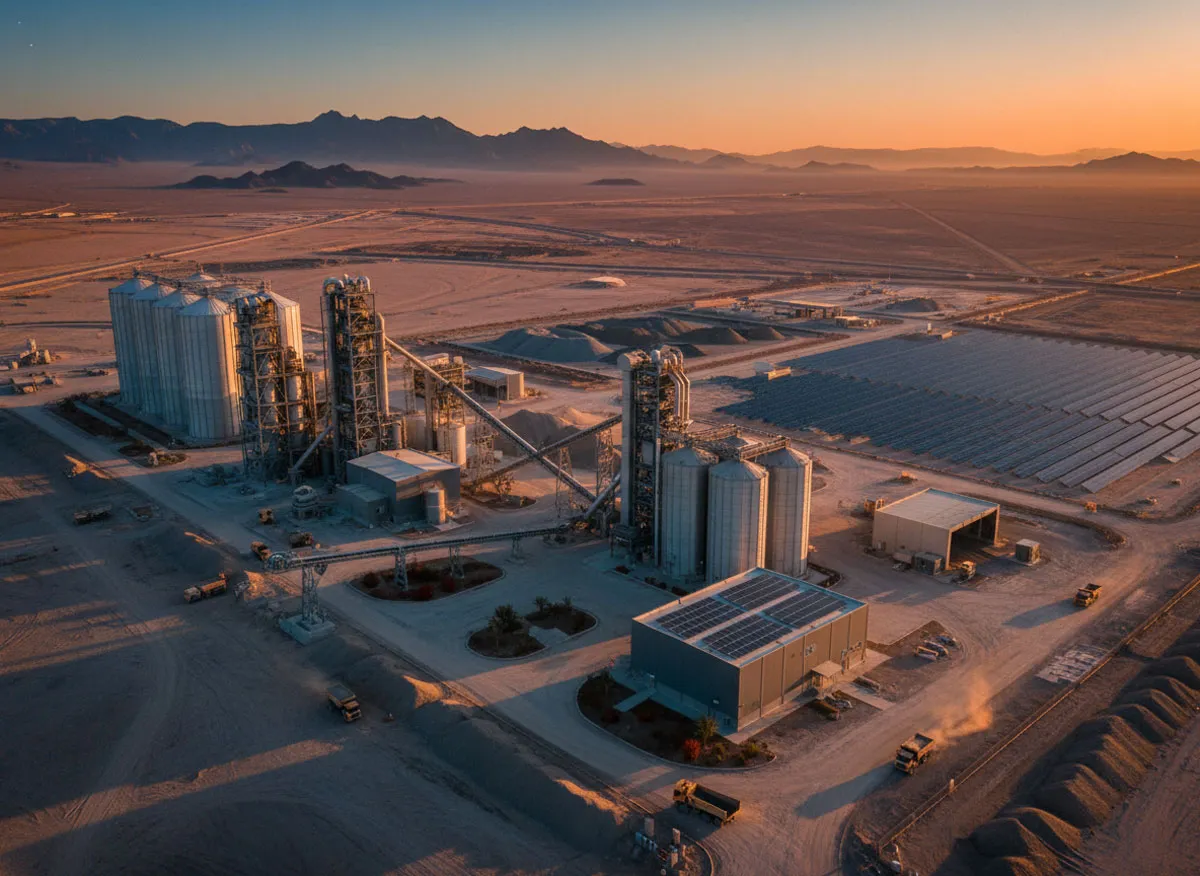
The Indian cement industry is leading the way, with plans to significantly increase its use of renewable energy by 2026. This shift not only helps reduce costs but also sets a positive example for other sectors. The focus on renewable energy, like solar and wind, and efforts to avoid new thermal power plants show a clear commitment to a more sustainable future.
As the cement industry continues to push for net-zero emissions by 2050, its proactive approach is setting a new standard. These efforts not only benefit the industry itself but also provide a roadmap for others to follow. By embracing greener practices, the cement industry is helping to pave the way for more sustainable and environmentally friendly procurement practices in India.
About the author:
Partha Dash, Managing Director, Moglix, is a sales and marketing professional with 15+ years of hands-on experience in shaping businesses especially in the emerging markets.