

Concrete
Cutting-Edge Grinding Solutions


ICR looks at the inner workings of grinding mills in the cement industry to understand the technological advancements that are reshaping the landscape against the foreground of sustainability. Innovations to enhance the grinding processes are aimed at minimising their environmental footprint while increasing efficiency and performance.
In cement manufacturing, the grinding process is of utmost significance, as it entails the comminution of clinker, a raw material composed of calcium carbonate, silica, alumina and iron oxide. This pivotal process converts the raw material into a finely ground powder known as cement, a fundamental constituent in concrete production.
The process is initiated by quarrying and extracting limestone and other essential materials from mines or quarries, followed by crushing them into smaller fragments using crushers or hammer mills. Subsequently, the moisture content in the crushed raw materials is reduced to an appropriate level through drying in large rotary dryers. Once dried, the raw materials undergo grinding, with the primary material being clinker, produced by high-temperature heating of limestone and other components in a kiln. The clinker is then mixed with gypsum and various additives, such as slag, fly ash or limestone, to regulate the cement’s setting time and other properties.
Grinding is typically executed using either ball mills or vertical roller mills (VRMs), where the clinker and additives are combined and finely ground into a powder. After grinding, particle size classification is performed using air classifiers or separators, ensuring the desired quality and performance of the final product. The cement is then stored in silos before being packaged in bags or transported in bulk for distribution to construction sites and end-users.
Throughout the grinding process, meticulous attention is paid to preserving the proper chemical composition and physical characteristics of the cement, with modern cement plants employing advanced automation and process control systems to optimise efficiency and ensure consistent quality. Moreover, environmental considerations are carefully taken into account, aiming to minimise energy consumption and emissions during
grinding operations.
GRINDING EQUIPMENT
In a cement plant, the key grinding equipment plays a vital role in transforming raw materials into finely ground cement powder. The most common and widely used grinding equipment in cement plants are ball mills, which consist of rotating cylinders filled with grinding media such as steel balls. As the cylinder rotates, the grinding media cascade and crush the raw materials, resulting in the formation of a fine powder. Ball mills serve various functions, including reducing the particle size of clinker and additives, mixing and homogenising the raw materials and achieving the desired fineness of the cement.
In recent years, vertical roller mills (VRMs) have gained popularity due to their higher energy efficiency and lower maintenance requirements compared to ball mills. VRMs employ a rotating table onto which grinding rollers are pressed by hydraulic cylinders. The raw materials are fed into the mill and ground between the rollers and the table. VRMs offer better control over the grinding process and provide a narrower particle size distribution, leading to improved cement quality. Their functions encompass grinding, drying and classifying the materials.
Roller presses are another essential grinding equipment, often used in combination with ball mills or as a pre-grinding stage to enhance energy efficiency. They consist of two counter-rotating rollers that press the raw materials against a rotating table, effectively crushing and reducing their particle size before further grinding in a ball mill or VRM. Roller presses primarily aim to improve grinding efficiency and reduce energy consumption.
Additionally, the Horomill has emerged as a more recent grinding technology in the cement industry. Combining the principles of roller press and ball mill grinding, the Horomill employs a horizontal shell containing a rotating horizontal ring with multiple grinding rollers. The raw materials are fed through the centre and ground between the rollers and the ring. Horomills contribute to energy savings and a reduction in the environmental impact of cement production.
“Based on the cement manufacturers requirement, we offer customised solutions for various grinding circuits. Every cement plant has specific requirements. Like some focus on low-cost solutions, some focus on energy efficiency whereas some focus on operational excellence. The input material hardness, moisture, abrasively, feed size and product requirement decide what solution is to be offered for achieving a cost effective and energy efficient solution. We have various sizes of roller presses, various types of roller surfaces, types of rollers and arrangement of roller presses in the circuit like roller press in semi-finish mode, roller press in finish mode, size of ball mill in semi-finish mode, location of static separator in process circuit, etc. So, based on all the factors, we decide what is to be offered,” says Ashok Kumar Dembla, President and Managing Director, KHD Humboldt.
Each of these grinding equipment types serves a crucial role in the cement manufacturing process, providing the means to crush, grind, and refine the raw materials to achieve the desired fineness and chemical composition of the final cement product. The selection of the appropriate grinding equipment depends on factors such as the desired production capacity, specific energy consumption goals, and the characteristics of the raw materials used in the process. Cement plants carefully consider these factors to optimise their grinding operations and ensure the production of high-quality cement efficiently
and sustainably.
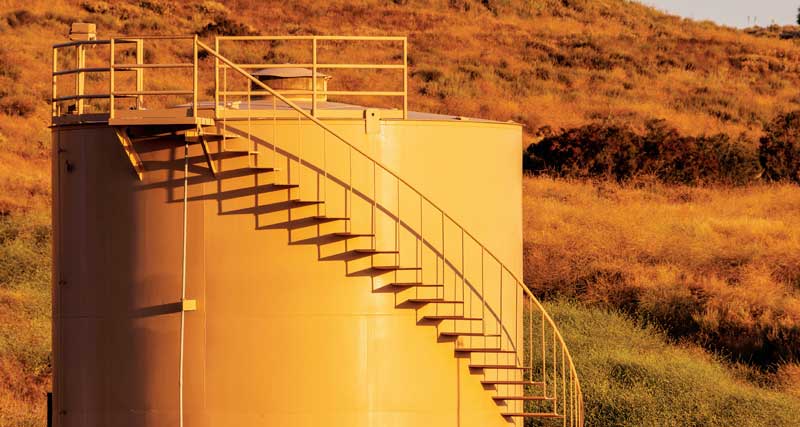
Efforts to reduce energy consumption in cement grinding are essential for sustainability and cost-effectiveness.
ENERGY CONSUMPTION IN CEMENT GRINDING
Energy consumption in cement grinding is a significant aspect of cement production and constitutes a substantial portion of the overall energy consumption in cement manufacturing. The grinding process is energy-intensive, mainly due to the comminution of raw materials and clinker. Several factors contribute to energy consumption during cement grinding:
Grinding Equipment: The type and efficiency of the grinding equipment used in cement plants have a considerable impact on energy consumption. Traditional ball mills are known to be energy-intensive, while modern vertical roller mills (VRMs) and roller presses offer improved energy efficiency and lower specific power consumption. Therefore, the selection of appropriate grinding equipment can have a substantial effect on overall energy consumption.
Particle Size Distribution: The fineness of the cement significantly influences energy consumption during the grinding process. Finer grinding requires more energy, and achieving the desired particle size distribution involves additional energy expenditure. Cement producers often aim to optimise the particle size distribution to strike a balance between strength development and energy consumption.
Clinker Composition: The composition of clinker, the primary component of cement, affects the grindability of the material. Clinker with higher levels of tricalcium silicate (C3S) and dicalcium silicate (C2S) typically require less energy for grinding. Therefore, cement plants may adjust the clinker composition to optimise energy consumption during grinding.
Grinding Aids: Cement producers may use grinding aids to improve the efficiency of the grinding process and reduce energy consumption. Grinding aids are chemicals that aid in reducing the surface energy of particles, leading to more efficient comminution. They can also improve cement flowability and reduce agglomeration, further enhancing grinding efficiency.
Process Optimisation: Modern cement plants employ advanced process control systems to optimise grinding operations. These systems monitor various parameters, such as mill load, material flow and separator efficiency, and make real-time adjustments to optimise energy consumption while maintaining the desired cement quality.
Alternative Fuels and Raw Materials: The use of alternative fuels and raw materials in cement production can also impact energy consumption in the grinding process. These alternatives may have different grindability characteristics, which can affect the overall energy requirements for grinding.
According to an article published in Journal of Materials Research and Technology, Volume 9, Issue 4, 2020, “Grinding is a central process in mineral processing to achieve particle size reduction and mineral liberation, and is highly energy-intensive. It accounts for 50 per cent of power consumption in a concentrator. In general, grinding has poor energy efficiency and accounts for about 2 per cent to 3 per cent of the world’s generated electricity. Due to the depleting resources, the processing of refractory ores is becoming common. Such processes require fine grinding or ultrafine grinding to liberate the valuable minerals from gangue material; thus, energy-efficient technologies and strategies are required.”
Efforts to reduce energy consumption in cement grinding are essential for sustainability and cost-effectiveness. Cement manufacturers continually invest in research and technology to develop more energy-efficient grinding methods and equipment. The adoption of best practices, the use of alternative fuels, and the application of innovative technologies are key strategies for reducing energy consumption in cement grinding and promoting sustainable
cement production.
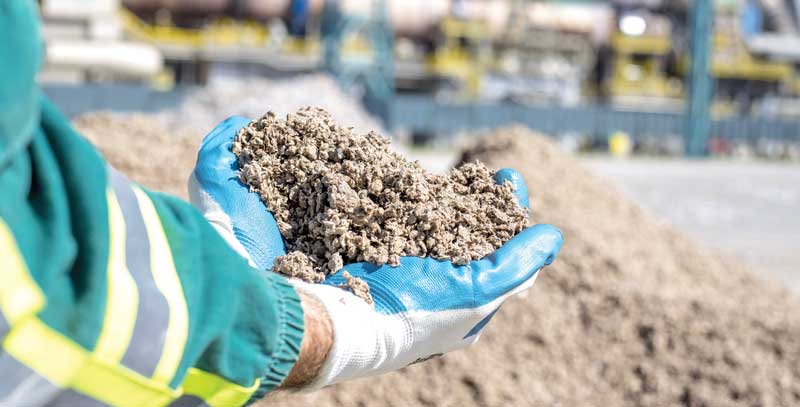
Grinding efficiency is mainly evaluated based on energy consumed per given mass of material as a function of time.
ADDITIVES FOR THE GRINDING PROCESS
Additives are integral to the cement grinding process as they serve multiple important functions in enhancing the properties and performance of the final cement product. By regulating the setting time, additives ensure the proper curing and strength development of the cement. Additionally, certain additives like fly ash, blast furnace slag (BFS),
silica fume and pozzolans react with calcium hydroxide during cement hydration, resulting in improved strength, durability, and resistance to aggressive environments.
According to a report by IMARC, the global cement grinding aid and performance enhancers market is expected to exhibit a CAGR of 3.68 per cent during 2022-2027.
Over the last few decades, in order to address the high energy consumption and scarcity of potable water for mineral processing, chemical additives or grinding aids have become a promising alternative in the cement manufacturing process. Also, studying the effect of grinding aids on size reduction units is crucial for the beneficiation value chain of minerals and the impact on downstream processes.
Grinding aids range from organic to inorganic chemicals. For example, organic chemicals include, polyols, alcohols, esters and amines, while inorganic chemicals include calcium oxide, sodium silicate, sodium carbonate, sodium chloride, etc. The process of grinding cement is required to be efficient and productive. Grinding aids are added to support the same. Grinding efficiency is mainly evaluated based on energy consumed per given mass of material as a function of time. A study on these materials shows reduction in the energy consumption increases by increasing grinding aid dosage to a maximum, after which further addition gives no effect.
Workability and flowability of the cement paste are enhanced through additives like superplasticisers, facilitating easier handling during construction. Furthermore, some additives allow for partial replacement of cement clinker, thereby reducing CO2 emissions and promoting sustainable cement production. Improved particle size distribution and enhanced grindability are also achieved with specific additives, leading to greater cement quality and energy efficiency during grinding. By mitigating alkali-silica reaction (ASR) and optimising cement characteristics, additives play a vital role in producing high-quality cement tailored to meet diverse construction requirements. Cement manufacturers meticulously assess and utilise additives to ensure consistent performance and meet the demands of various construction applications.
Anant Pokharna, CEO, Unisol Inc, says, “Most legacy grinding aids (commercially available chemical additives typically supplied to cement producers) contain > 50 per cent water. Such high content of a low-value, high-volume ingredient, as water, leads to significantly higher costs associated with freight, duties and handling of pre-blended liquid solutions.
“In addition, such pre-blended, ready-to-use chemical additives offer considerably diminished possibility of modifying concentration and formulation for different cement grades or for different objectives or for different process conditions” he adds.
The main uses of additives in the cement grinding process are as follows:
• Set Time Control: One of the primary functions of additives is to regulate the setting time of cement. By controlling the rate of cement hydration, additives ensure that the cement achieves the desired strength development and curing characteristics. Gypsum is a common additive used for this purpose, as it retards the setting time, preventing the cement from hardening
too rapidly.
• Strength Enhancement: Additives can improve the strength and performance of the final cement product. Various additives like fly ash, blast furnace slag (BFS), silica fume and pozzolans react with calcium hydroxide produced during cement hydration, forming additional cementitious compounds. This results in enhanced strength, durability and resistance to aggressive environments.
• Workability and Flowability: Additives can modify the rheology of cement paste, making it more workable and easier to handle during construction. Chemical additives, such as superplasticisers, reduce the water content in cement without sacrificing workability, allowing for the production of high-strength, low-water cement mixtures.
• Reduction of CO2 Emissions: Certain additives, like fly ash and BFS, allow for partial replacement of cement clinker, which is a major source of CO2 emissions in cement production. By reducing the clinker content, these additives contribute to lower carbon emissions and more sustainable cement production.
• Improved Particle Size Distribution: Additives can influence the particle size distribution of the cement during grinding. A more controlled and optimised particle size distribution results in
better cement quality and improved performance in concrete.
• Reduced Energy Consumption: Some additives can enhance the grindability of clinker, reducing the specific energy consumption during cement grinding. This leads to more energy-efficient grinding processes and cost savings for
cement producers.
• Control of Alkali-Silica Reaction: Certain additives, such as pozzolans, can mitigate the alkali-silica reaction (ASR) in concrete, which can cause expansion and cracking in concrete structures over time.
Additives in the cement grinding process offer a range of benefits, from setting time control and strength enhancement to improved workability, reduced environmental impact, and increased energy efficiency. Proper selection and dosing of additives are critical to achieving the desired cement properties and meeting the specific requirements of different construction applications. Cement manufacturers carefully study the effects of additives to optimise their use and ensure the production of high-quality cement with consistent performance characteristics.
EFFICIENCY THROUGH GRINDING
Grinding and the judicious use of grinding aids significantly contribute to efficiency in cement manufacturing through multifaceted mechanisms that optimise the grinding process and elevate the performance of the final cement product.
By reducing the specific energy consumption during grinding, grinding aids lower the surface energy of cement particles, resulting in energy savings and diminished production costs. Furthermore, these aids promote enhanced comminution of cement particles by augmenting the interaction between grinding media and clinker particles, thereby fostering faster and more effective grinding, leading to augmented throughput rates and heightened productivity in cement grinding mills. In addition, the proper grinding and utilisation of grinding aids facilitate control over the particle size distribution of cement, minimising agglomeration and ensuring uniform particle size distribution, consequently maximising packing density, bolstering cement performance in concrete, and optimising the usage of cementitious materials.
“A high-efficiency separator is used in the grinding process to separate the ground particles according to their size. The separator ensures that only the fine particles are collected as the final product, while the coarse particles are returned to the grinding mill for further grinding. By optimising the separator operation and adjusting its parameters, such as the rotor speed and air flow, the desired fineness can be achieved,” says Tushar Khandhadia, General Manager – Production, Udaipur Cement Works.
“At Udaipur Cement, we have Modern grinding systems that often incorporate advanced process automation and control technologies. These systems continuously monitor and optimise the grinding process based on real-time data, including fineness measurements. By using feedback control mechanisms, the system can automatically adjust the grinding parameters to maintain the desired fineness within the specified range,” he adds.
Grinding aids act as safeguards against the formation of coatings and cake build-up on grinding media and mill internals, mitigating coagulation effects, thereby ensuring consistent and efficient cement grinding. The heightened workability and flowability of cement paste and concrete are a direct outcome of proper grinding and the application of grinding aids, as the latter results in reduced water demand and enhanced particle dispersion, engendering a cement product with superior workability, streamlining the handling and placement processes during construction, thereby amplifying overall construction efficiency.
CONCLUSION
Grinding aids have proven to be instrumental in facilitating efficient comminution, preventing clogging, and enhancing cement strength development. The resulting benefits include reduced production costs, lower environmental impact, and the production of high-quality cement tailored to meet the demands of diverse construction applications.
As the cement industry continues to embrace technological advancements and sustainable practices, the integration of efficient grinding methods and carefully selected grinding aids will remain instrumental in ensuring a more resource-efficient and sustainable future for cement production.
Dalmia Cement has ordered one MVR 3750 C-4 each for two cement grinding plants, one in Ariyalur and one in Kadapa from Gebr. Pfeiffer India (a 100% subsidiary of Gebr. Pfeiffer, Germany). The mills will produce Ordinary Portland Cement and also fly ash cement at up to 160 t/h. This type of mill also has the highest power density of all available vertical roller mills, which positively impacts the overall investment.









Concrete
Cement Prices Likely to Rise Rs. 10-15 per Bag from Mid-October
Input costs and steady demand may drive cement price increases
Concrete
Nuvoco Marks 10 Years, Targets 35 MMTPA Capacity by FY28
Nuvoco celebrates a decade of growth, targeting 35 MMTPA cement capacity by FY28.

Concrete
J&K Government Notifies City Gas Distribution Policy
Policy targets PNG and CNG expansion across all 20 districts



Cement Prices Likely to Rise Rs. 10-15 per Bag from Mid-October

Nuvoco Marks 10 Years, Targets 35 MMTPA Capacity by FY28

J&K Government Notifies City Gas Distribution Policy

JSW Cement Commissions 1 MTPA Grinding Unit at Nagaur

JSW Cement Commissions 1 MTPA Unit in Rajasthan
Cement Prices Likely to Rise Rs. 10-15 per Bag from Mid-October
Nuvoco Marks 10 Years, Targets 35 MMTPA Capacity by FY28
J&K Government Notifies City Gas Distribution Policy
JSW Cement Commissions 1 MTPA Grinding Unit at Nagaur
JSW Cement Commissions 1 MTPA Unit in Rajasthan
-

 Concrete4 weeks ago
Telangana to Supply Subsidised Cement for Indiramma Houses
-

 Concrete2 weeks ago
JSW Cement Receives Rs. 2.3 bn GST Demand Notice
-

 Concrete2 weeks ago
Andhra Pradesh Clears Rs. 30 bn My Home Cement Plant
-

 Concrete4 weeks ago
Centre Defers Clearance for Limestone Mine Near Bustard Habitat