

Concrete
Smooth Operator!

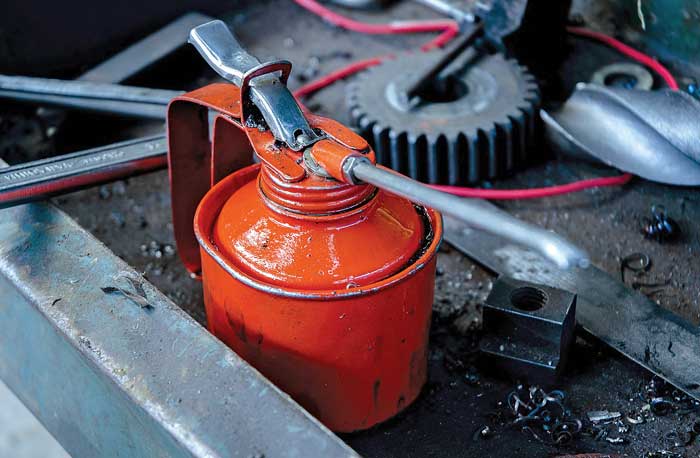
A cement manufacturing plant owes its success to smoothly operating machinery, which relies on lubricating oils and grease.
ICR explores how lubricants can be used sustainably, both for economic and environmental benefits.
The cement manufacturing process is heavy duty. Activities such as carrying mined limestone on quarry belts to the pyroprocessor where clinker is produced at high heat levels cause immense load and severe operating conditions for equipment such as kilns, ball mills, conveyors, and quarry-side mobile plants. The cement making machinery works around the clock, subjecting its components like gearboxes and bearings to overheating and premature wear and tear.
It is essential that care be taken and regular maintenance work be done for each of these equipment as the plant shall endure heavy financial and production losses if there is machinery failure, shutdown or loss of heat and energy in the mining area or manufacturing plants. To avoid such a situation and any unscheduled downtime, maintenance operators and managers invest in high performing lubricants, oils and grease that reduce the harm on machinery components.
LUBRICANTS AT WORK
Specially formulated lubricants are required at all stages of the cement making process, namely, extraction, crushing, conveying, grinding, clinker production, grinding and some general lubricants are needed for processes that happen in between.
- Crushing: In the cement manufacturing process, raw materials such as limestone and clay are crushed to a fine powder. Crushers are used to break down large chunks of raw materials into smaller pieces. Lubricants are applied to the bearings and gears of the crushers to reduce friction and prevent wear and tear, ensuring the equipment operates smoothly and efficiently.
- Grinding: After the crushing stage, the raw materials are further pulverised in grinding mills to produce a fine powder called raw meal.
- Ball mills and vertical roller mills are commonly used for grinding in the cement industry.
- Lubricants are applied to the bearings and gearboxes of these mills to minimise friction, reduce energy consumption, and prevent damage to critical components.
- Kiln: The raw meal is heated in a rotary kiln to a temperature of around 1450°C, where it undergoes a chemical transformation to become clinker. The kiln is a crucial component in cement manufacturing and requires effective lubrication. Lubricants are applied to the kiln supporting rollers, bearings, and gears to reduce friction, prevent overheating and ensure smooth rotation and operation of the kiln.
- Conveyors: Throughout the cement production process, various types of conveyors are used to transport raw materials, clinker and finished cement. Lubricants are essential for the conveyor system’s smooth operation. They are applied to the bearings, chains and gears of conveyors to reduce friction, minimise wear and tear and prevent breakdowns or malfunctions that could disrupt the production flow.
- Fans and Blowers: Cement plants utilise fans and blowers for various purposes, such as providing combustion air, circulating hot gases within the kiln, and transporting materials. These fans and blowers have rotating parts that require lubrication to ensure their optimal performance. Lubricants are applied to the bearings, gears and shafts of fans and blowers to reduce friction, improve efficiency and extend their operational lifespan.
- Pumps: Pumps are used in cement plants for a range of applications, including the transportation of water, fuel and various process fluids. Lubricants are necessary for the pump’s bearings and seals to reduce friction, prevent overheating, and maintain the pump’s efficiency. Proper lubrication helps to minimise energy consumption and ensure reliable pump operation.
- Preheaters and Pre-calciners: Preheaters and pre-calciners are used to preheat and pre-calcine raw materials before they enter the kiln. These systems have moving parts, such as fans, rollers and chains, which require lubrication to reduce friction, prevent wear and maintain their performance and reliability.
- Cement Mills: After the clinker is produced in the kiln, it is finely ground in cement mills to produce cement. Lubricants are applied to the bearings and gears of these mills to reduce friction, enhance grinding efficiency, and prevent premature failure of critical components.
- Bag Filters: Bag filters are used in cement plants to capture and remove dust particles from the exhaust gases generated during various processes. These filters consist of fabric bags that require regular cleaning and maintenance. Lubricants are applied to the bag filter’s mechanisms and moving parts, such as valves and fan bearings, to ensure smooth operation and prevent any potential issues that could affect the filtration efficiency.In each of these functions, the selection of appropriate lubricants is crucial. Factors such as operating conditions (temperature and humidity), load, speed and type of equipment must be considered to determine the most suitable lubricants for each application. Regular lubrication and maintenance practices are essential to optimise the performance, reliability and lifespan of the equipment in a cement plant.
ROLE OF LUBRICANTS
In the cement industry, lubricants play a crucial role in ensuring the smooth and efficient operation of various machinery and equipment involved in the production process. Cement manufacturing involves the extraction of raw materials, such as limestone and clay, which are then processed and transformed into the final product through a series of stages, including crushing, grinding, heating, and mixing. Throughout this complex and demanding process, lubricants provide essential benefits that contribute to the overall productivity, reliability and longevity of the equipment involved.

One of the primary functions of lubricants in the cement industry is to reduce friction between moving parts. Machinery used in cement plants, such as crushers, ball mills, conveyor belts, kilns and pumps, consist of numerous mechanical components that require smooth operation. By applying lubricants, a thin layer is formed between contacting surfaces, which reduces friction and minimises wear and tear. This helps to prevent damage to critical parts, reduce energy consumption, and improve the overall efficiency of the equipment.
Lubricants also play a vital role in protecting equipment from corrosion. Cement manufacturing involves exposure to harsh operating conditions, including high temperatures, humidity, and the presence of abrasive dust particles. These factors can lead to the deterioration of metal surfaces, which can significantly impact the performance and lifespan of machinery. Lubricants with anti-corrosion properties form a protective barrier that shields metal surfaces from moisture, chemical agents, and other corrosive elements, thereby preventing rust and corrosion and extending the equipment’s service life.
“The critical equipment like kiln, vertical rolling oil, ball mill, crushers, roller press, etc. operate continuously under challenging conditions. The gear boxes in this equipment are subjected to extreme loading conditions and may cause micro pitting, premature wear problems and consumes a lot of energy. MAK Lubricants offer energy efficient gear oils with anti-micro pitting resistance reducing energy consumption and extending the equipment life respectively,” says Sudhahar P, Executive Director (Lubes), Bharat Petroleum Corporation.
“Heavy loads, high pressures, and temperatures in the hydraulic system of the grinding mill causes increased stress on hydraulic oil and thereby reduces its service life. Our energy efficient long life hydraulic oil not only has a potential to save energy but also provide longer oil life along with improved reliability of equipment,” he adds.
Moreover, lubricants aid in the cooling of equipment. Many cement manufacturing processes generate considerable heat due to the grinding and calcination of raw materials. Excessive heat can negatively affect the performance and reliability of machinery. By using lubricants with high thermal conductivity, heat generated during operation can be efficiently dissipated, ensuring that the equipment operates within the desired temperature range. This helps to prevent overheating, reduces the risk of thermal damage and contributes to the overall safety and reliability of the production process.
In addition to the aforementioned functions, lubricants also provide effective sealing properties. Cement plants often employ rotary kilns, which are large cylindrical structures used for the high-temperature processing of raw materials. These kilns require a reliable sealing system to prevent heat and gas leakage. Lubricants, such as high-temperature grease and specialised sealants, create effective seals between moving parts, ensuring that the kilns operate efficiently and maintain the desired temperature and gas flow, while also minimising energy losses.
Furthermore, lubricants contribute to the overall maintenance and operational cost reduction in the cement industry. By using appropriate lubricants and implementing effective lubrication practices, equipment downtime due to mechanical failures can be minimised. Regular lubrication helps to keep the machinery in optimal condition, reduces the frequency of repairs and replacements, and extends the equipment’s lifespan. This translates into improved production efficiency, reduced maintenance costs and increased profitability for cement manufacturers.
It is important to note that selecting the right lubricants for each specific application is crucial to ensure optimal performance and maximise the benefits mentioned above. Factors such as operating conditions, equipment type, load, and speed must be carefully considered when choosing lubricants. Cement manufacturers often collaborate with lubricant suppliers or engage in extensive research and development to identify the most suitable lubricants for their specific requirements.
Lubricants play a vital role in the cement industry by reducing friction, protecting against corrosion, aiding in cooling, providing effective sealing, and contributing to maintenance and cost reduction. By utilising appropriate lubrication practices and selecting the right lubricants, cement manufacturers can enhance equipment performance, prolong the lifespan of machinery, improve operational efficiency and ultimately achieve higher productivity and profitability in their operations.
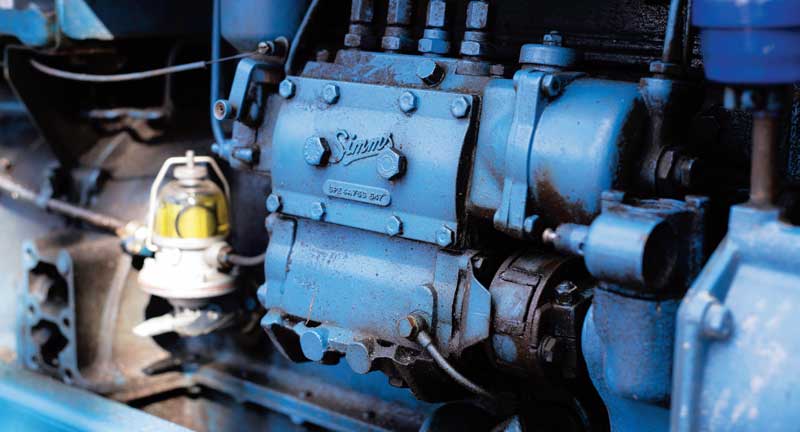
COST EFFICIENCY AND HIGH PRODUCTIVITY
Lubricants play a significant role in achieving cost efficiency and higher productivity in cement plants through various mechanisms.
Reduced equipment downtime: Proper lubrication with high-quality lubricants helps prevent equipment failures and breakdowns. Lubricants create a protective barrier between moving parts, reducing friction and wear. This minimises the risk of mechanical failures, such as bearing failures or gear damage, which can lead to unplanned downtime. By minimising equipment downtime, cement plants can maximise production output and avoid costly disruptions.
Extended equipment lifespan: Lubricants provide essential protection to the machinery by reducing friction, preventing wear and minimising corrosion. This leads to increased equipment lifespan, as components experience less stress and damage. By extending the lifespan of critical equipment such as crushers, mills, kilns and conveyors, cement plants can avoid or delay costly capital expenditures for replacements, resulting in significant cost savings over time.
Energy efficiency: Lubricants with low friction properties and high thermal conductivity contribute to energy efficiency in cement plants. By reducing friction between moving parts, lubricants help minimise energy losses due to heat generation. Additionally, lubricants that efficiently dissipate heat help maintain optimal operating temperatures, preventing excessive energy consumption. Improved energy efficiency directly translates into cost savings and higher productivity.
Maintenance cost reduction: Regular lubrication and the use of appropriate lubricants help maintain equipment in optimal condition. Lubricants reduce friction, wear, and corrosion, reducing the need for frequent repairs or replacements of components. By implementing effective lubrication practices, cement plants can minimise maintenance costs, save on spare parts and allocate resources
more efficiently.
“Generally, break down the journey to lubrication excellence into six categories: lubricant selection, reception and storage, handling and application, contamination control, lubricant analysis, and environmental disposal. This article will focus on the first five categories and provide examples of how to improve in regard to overall lubrication excellence and cost-effectiveness. While environmental disposal is critical, it’s not necessarily a good place to look for cost savings,” says Mukesh Saxena, Joint President, Star Cement.
“Selecting the proper lubricant from the beginning is the most important step you can take to improve machine productivity. Your equipment’s needs will drive the selection process, but having a thorough understanding of different lubricant properties will allow you to pick the optimum solution,” he adds.
Achieving cost efficiency and higher productivity with lubricants requires proper selection, application, and maintenance practices. Cement plants should work closely with lubricant suppliers or industry experts to identify the most suitable lubricants for their specific equipment and operating conditions. Regular monitoring, lubricant analysis, and adherence to recommended lubrication schedules are essential to maximise the benefits and optimise the performance of the lubrication program in a cement plant.
IMPACT OF ENVIRONMENT
The performance and effectiveness of industrial lubricants used in cement plants can be significantly impacted by the external environment. Factors such as temperature and humidity play a crucial role. Cement plants often operate in harsh conditions with high temperatures and humidity levels. Extreme temperatures can affect the viscosity of lubricants, compromising their ability to provide proper lubrication. High humidity can introduce moisture, leading to emulsion formation and affecting lubricant stability.
Dust and contaminants are another external factor that can impact lubricant performance. Cement production generates fine dust particles that can enter lubrication systems, compromising lubricant effectiveness and accelerating wear on equipment.
Chemical exposure is also a concern as cement manufacturing involves the use of various chemicals. Incompatible chemicals can lead to lubricant breakdown, loss of viscosity, and increased oxidation.
Operational loads and speeds of equipment in cement plants vary, requiring lubricants with appropriate viscosity, load-carrying capacity,
and film strength. Regulatory and environmental considerations are also important as lubricants must comply with regulations and be environmentally friendly.
Cement plants should collaborate with lubricant suppliers, implement regular monitoring and analysis, and ensure proper storage and handling to mitigate the impact of the external environment on lubricant performance.
“Cement plants are process plants, thousands of rotating machines operating 24×7, 365 days, availability of these machines being critical and plant reliability is vital, operating conditions of cement plants is hostile, lubricants get contaminated before being filled in machines and while in service. 80 per cent of failures are due to lubrication errors,” says Gaurav K Mathur, Director and Chief Executive, Global Technical Services.
“System oriented approach for contamination free lubrication is the foremost requirement of industry TLM is implementation of SOPs for uniform adaptation of best lubrication practices, oil top up, oil disposal or grease replenishment in plummer block,” he adds.
SUSTAINABILITY THROUGH LUBRICANT EFFICIENCY
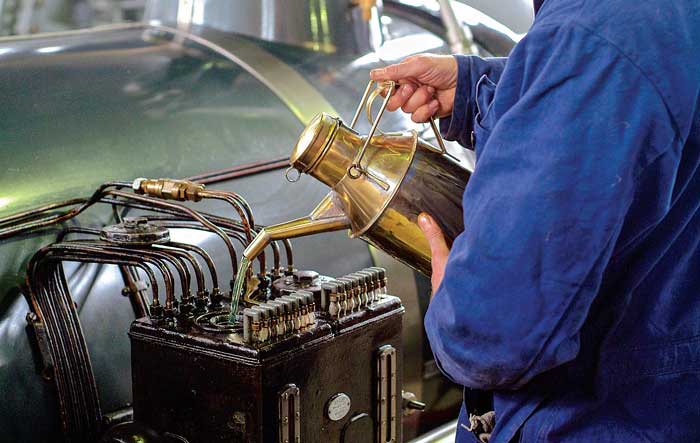
Cement plants can achieve sustainability in their lubricant use by implementing several strategies and practices. Here are some key approaches:
- Select environment-friendly lubricants: Cement plants can choose lubricants that are formulated with environmentally friendly ingredients and have minimal impact on the environment. This includes selecting lubricants that are biodegradable, non-toxic, and free from substances that are harmful to human health or ecosystems. Certifications such as the EU Ecolabel or the USDA BioPreferred programme can guide the selection of sustainable lubricants.
- Optimise lubricant consumption: Cement plants can optimise lubricant consumption by implementing proper lubrication practices. This includes regular monitoring of lubricant levels, applying the right amount of lubricant to each component, and avoiding over-lubrication. By optimising lubricant usage, cement plants can reduce waste, lower lubricant consumption and minimise the environmental footprint associated with lubricant disposal.
- Implement lubricant recycling and reclamation: Cement plants can explore options for recycling and reclaiming lubricants. Some lubricants can be reprocessed, filtered, or purified for reuse, extending their lifespan and reducing the need for new lubricant purchases. Implementing lubricant recycling programmes can minimise waste generation and conserve resources.
- Promote energy-efficient lubricants: Energy-efficient lubricants can help reduce energy consumption in cement plants. These lubricants have low friction properties and can contribute to energy savings by reducing mechanical losses in equipment. By selecting lubricants specifically designed for energy efficiency, cement plants can enhance their sustainability efforts and reduce their overall energy consumption.
- Proper lubricant storage and handling: Proper storage and handling of lubricants are crucial for maintaining their quality and preventing contamination. Cement plants should ensure that lubricants are stored in sealed containers, away from direct sunlight, excessive heat, or extreme temperatures. Adequate labelling and inventory management practices should be implemented to minimise the risk of lubricant spoilage or degradation.
- Regular lubricant analysis and monitoring: Implementing a lubricant analysis and monitoring program allows cement plants to assess lubricant condition and performance. Regular analysis can help identify issues such as contamination, degradation or excessive wear. By monitoring lubricant condition, plants can schedule maintenance activities effectively, avoid premature lubricant changes and optimise lubrication intervals, reducing waste and improving overall sustainability.
- Collaborate with lubricant suppliers: Cement plants can collaborate closely with lubricant suppliers and industry experts to identify sustainable lubrication solutions. Lubricant suppliers can provide guidance on selecting environmentally friendly products, offer training on best practices and assist with lubricant analysis and optimisation.
- Employee training and awareness: Promoting employee training and awareness programmes on sustainable lubricant use can foster a culture of environmental responsibility within the cement plant. Educating employees on proper lubrication practices, the importance of sustainability and the potential environmental impacts of lubricant use can empower them to actively contribute to the plant’s sustainability goals.
CONCLUSION
Lubricants play a vital role in the cement industry, ensuring smooth equipment operation and productivity. Proper lubrication practices lead to cost efficiency, extended equipment lifespan, and reduced downtime. Cement plants should select lubricants that withstand harsh conditions, comply with regulations, and prioritise environmental sustainability. Optimising lubricant consumption, promoting energy-efficient options, and implementing recycling programmes contribute to a greener approach. Regular analysis, collaboration with suppliers, and employee training further enhance sustainability efforts. By integrating these strategies, cement plants can minimise their environmental impact and achieve a more efficient and sustainable manufacturing process.












Concrete
Cement Prices Likely to Rise Rs. 10-15 per Bag from Mid-October
Input costs and steady demand may drive cement price increases
Concrete
Nuvoco Marks 10 Years, Targets 35 MMTPA Capacity by FY28
Nuvoco celebrates a decade of growth, targeting 35 MMTPA cement capacity by FY28.

Concrete
J&K Government Notifies City Gas Distribution Policy
Policy targets PNG and CNG expansion across all 20 districts


Cement Prices Likely to Rise Rs. 10-15 per Bag from Mid-October

Nuvoco Marks 10 Years, Targets 35 MMTPA Capacity by FY28

J&K Government Notifies City Gas Distribution Policy

JSW Cement Commissions 1 MTPA Grinding Unit at Nagaur

JSW Cement Commissions 1 MTPA Unit in Rajasthan
Cement Prices Likely to Rise Rs. 10-15 per Bag from Mid-October
Nuvoco Marks 10 Years, Targets 35 MMTPA Capacity by FY28
J&K Government Notifies City Gas Distribution Policy
JSW Cement Commissions 1 MTPA Grinding Unit at Nagaur
JSW Cement Commissions 1 MTPA Unit in Rajasthan
-

 Concrete4 weeks ago
Telangana to Supply Subsidised Cement for Indiramma Houses
-

 Concrete2 weeks ago
JSW Cement Receives Rs. 2.3 bn GST Demand Notice
-

 Concrete2 weeks ago
Andhra Pradesh Clears Rs. 30 bn My Home Cement Plant
-

 Concrete4 weeks ago
Centre Defers Clearance for Limestone Mine Near Bustard Habitat