

Concrete
We practice zero waste mining as part of our sustainable process

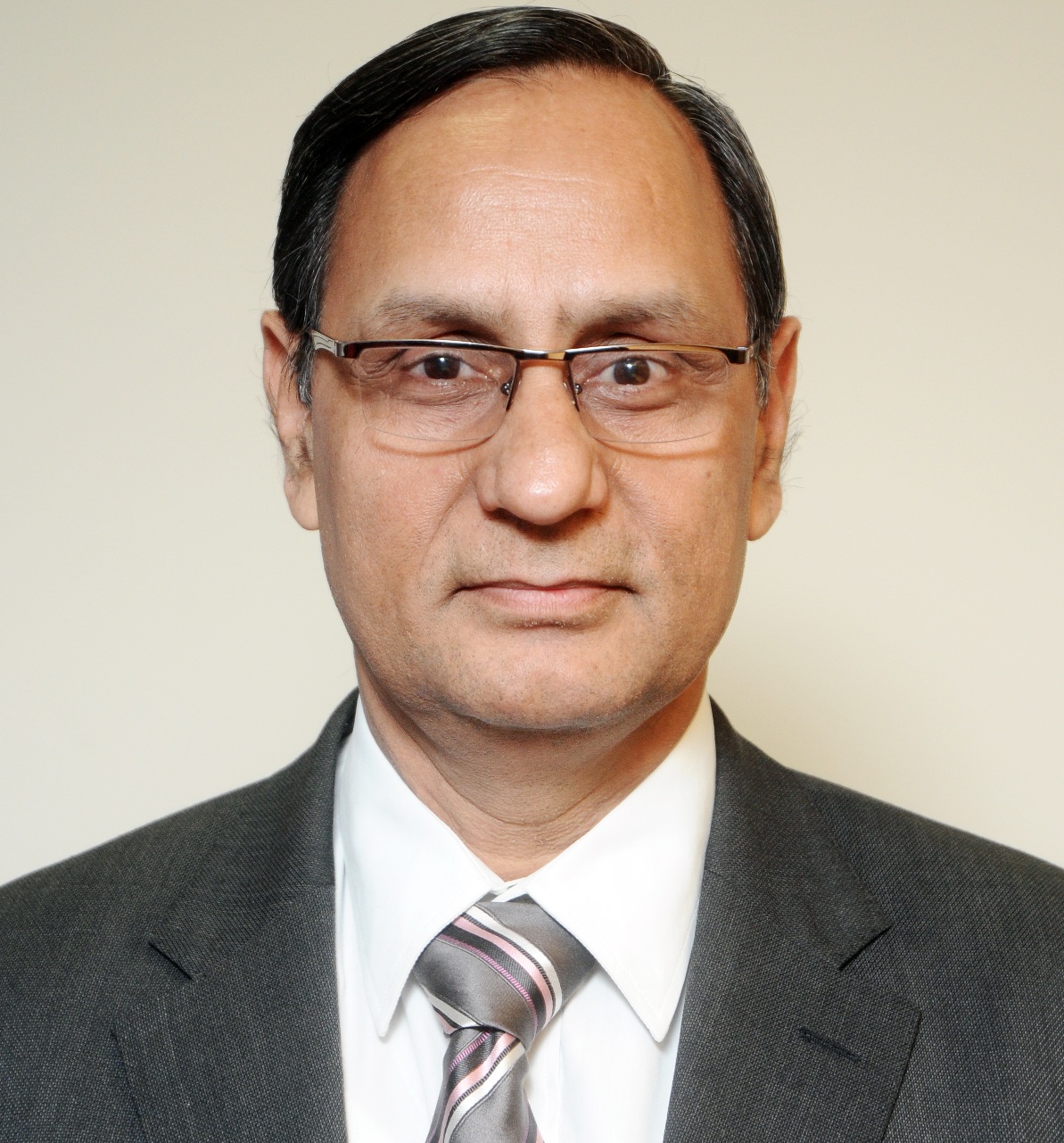
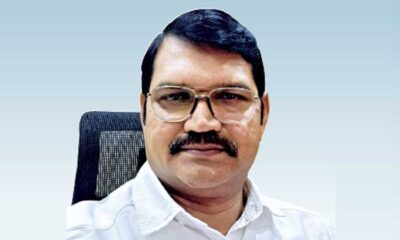
Sushil Kumar Tiwari, Director Technical, Heidelberg Cement India, gives us an in-depth understanding of the limestone mining process and takes us through the innovations in technology, efforts taken to minimise environmental impact and enhance productivity in an exclusive interview.
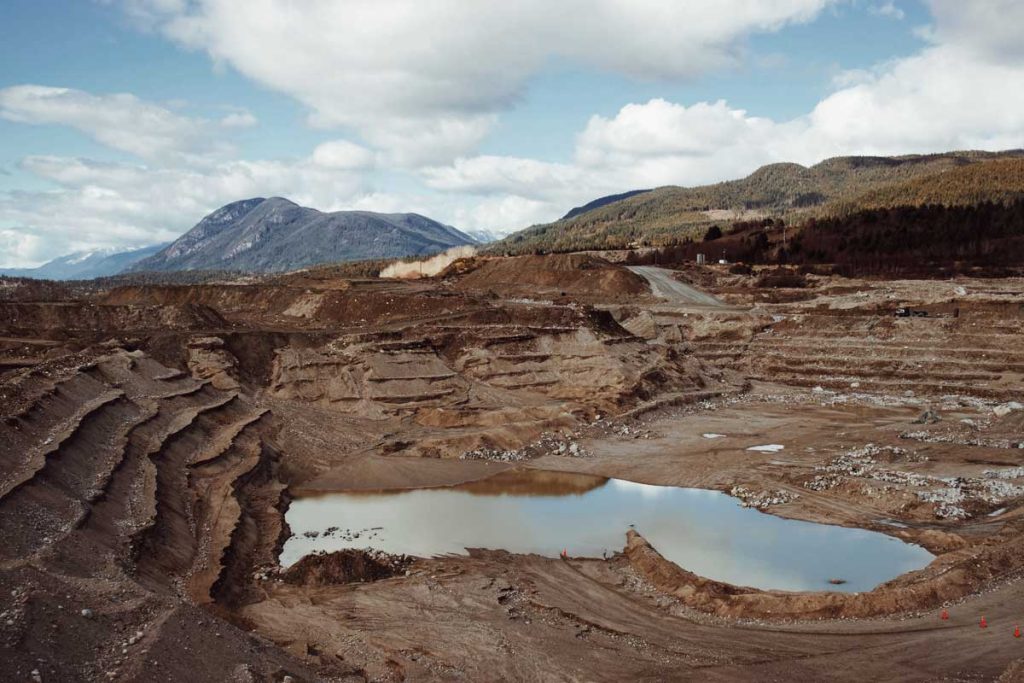
Tell us about the mining and clinker production process at Heidelberg Cement.
The cement industry is a constantly operating industry and we need limestone for manufacturing of clinker that produces cement. More than 90 per cent of limestone is used for cement manufacturing and this process goes on around the year. This operation includes the development of the mines, drilling, blasting, excavation and finally crushing and transportation of limestone to the plant. Sometimes we make some extra stock to ensure the crushed and uncrushed limestones can be used in case of an emergency.
What is the impact of limestone mining on the environment?
Limestone mining as compared to other mining is the cleanest. It doesn’t generate any harmful chemicals that can contaminate the environment as compared to other minerals. Due to movement of dump or equipment or due to drilling, there is dust generation on the path but we keep on sprinkling water or add it in the injective system to suppress the dust emission.
We practice zero waste mining as part of our sustainable process. The waste generated during the mining (while removing the soil or hard rocks) is used for backfilling. When we move the limestone that is exposed through drilling and mining, a pit is formed, and we use the waste material from the mining process to fill back the pit.
We also make water reservoirs in our pits. In these reservoirs, we harvest water that is later used by the communities surrounding the area or by our organisation for plantation activities. We have put in a conscious effort to develop greenery with plantation activities by our organisation and that is how we also care for the environment.
Tell us about the equipment used for mining.
We use heavy earth moving equipment such as drill machines, excavators and dumpers. These are purchased from Indian suppliers.
What is the technology behind the mining of limestone for the cement making process?
Primarily, we mine with an open cast method. Typically, limestone is overlaid with waste rock and loose top soil. Mining is done in a mechanised way with the help of heavy earth moving equipment. First, we remove the top soil, and then we remove the waste rock by drilling and blasting. Finally the limestone is exposed. And that is how limestone is excavated. The exposed limestone rocks are huge in size, around 1.5 to 2 metres, which cannot be transported easily to the plant. We have installed crushers at the mine site, where we crush the limestone, reduce it to a smaller size of 75 mm and transport it.
How can productivity in mining be enhanced?
The deposit is a very heterogeneous deposit; it is not uniform. The challenge is to maintain the quality. In the cement process, when the fuel changes, the total raw mix changes, which means that we have to accordingly change the limestone quality, too. Thus, maintaining the quality is a major challenge.
For this we work with a software that helps us plan. Then we carry out the drilling. Post that we check the sample and accordingly blend it with various types of deposits of the limestone to get the desired quality. This is where we optimise the limestone processing and even the lower grade limestone is ut ilised. This prevents wastage of the natural resource.
What are the efforts taken by your company to make limestone mining a sustainable process?
Our organisation is a firm believer of sustainable operations. As mentioned earlier, we practice zero waste discharge mining. Whatever waste we generate, we use it for backfilling the pits, thereby ensuring there is no waste. We also ensure zero discharge water, because we use our pits for harvesting water, and this water is used by the community as well as for our own plantation. Pit refilling is very useful. Sometimes when we take the farmers land for mining, then we refill it and return it to the farmers. These lands are then used to crop fields and the farmers have given us feedback that they have seen an increase in the yield as compared to previous times.
On the machinery side, we hold proper maintenance. We use efficient machines and systems ensuring no generation of harmful smoke and emission. We have also installed pollution control equipment like crushers – in case there is a slide generation of dust, these pollution control equipment takes care of it.
How does your organisation address the issue of noise pollution while mining and grinding limestone?
Noise pollution happens when we do blasting or crushing. During blasting, we use non-electrical detonator, which has very low noise and we also use seismometer to monitor the noise and vibration to control it. During crushing, for the crushers we have enclosures so that less noise comes out and there also we provide personal protective equipment (PPE) like earplugs to the operators in case they have to be near the equipment. There is a slight noise when the drill is operated on hard rocks. For this, we provide sound proof cables to the operators, so they are not exposed to the noise pollution.
What are the technological innovations the industry must incorporate to make the mining process more efficient and less harmful for the environment?
In mines, all equipment is kept at certain distances and operators have to travel 3 -4 km to carry out the processes. An on-board monitoring system can be installed in the moving equipment, which can give all the required details of parameters and centralised interface with the communication monitor. This will help the operators carry out their processes more efficiently. Similarly, the latest drill machines provide an efficient water-dust separation system. And for reducing noise pollution, non-electric detonators can be used.
Apart from that the online quality of monitoring systems such as X-ray analyser, online belt analyser, cross-belt analyser, etc., which instantly gives an analysis of the quality should be used. This can help the operators to get information online and then they can blend the limestone properly before shifting it to the machines and get the desired quality. Such improvements can make the mining process more efficient and productive.
What is the future of mining for cement in India?
The per capita consumption of cement in India is something around 225 kg to 250 kg and the world average is more than double. So, there is a lot of scope in India for the cement market, and as mentioned before more than 90 per cent of limestone is used for cement manufacturing. So, there is a good future for limestone mining.










JSW Cement Commissions 1 MTPA Unit in Rajasthan

Wonder Cement appoints Mahesh Singh as VP Corporate Brand Communication

JSW Cement commissions additional 1 MTPA grinding unit in Rajasthan

JSW Cement Boards Approve Proposed Shiva Cement Merger

JSW Cement commissions additional 1 MTPA grinding unit at Nagaur
JSW Cement Commissions 1 MTPA Unit in Rajasthan
Wonder Cement appoints Mahesh Singh as VP Corporate Brand Communication
JSW Cement commissions additional 1 MTPA grinding unit in Rajasthan
JSW Cement Boards Approve Proposed Shiva Cement Merger
JSW Cement commissions additional 1 MTPA grinding unit at Nagaur
-
 Concrete1 month ago
Aditya Birla Group Launches Ultravolt Wires And Cables Business
-

 Concrete4 weeks ago
Cement Demand Strong As Prices Remain Stable
-
 Concrete1 month ago
Ramco Cements Mine Restoration Gets Global Biodiversity Certification
-

 Concrete3 weeks ago
Telangana to Supply Subsidised Cement for Indiramma Houses