

Concrete
Making gains with OKâ„¢ cement mill

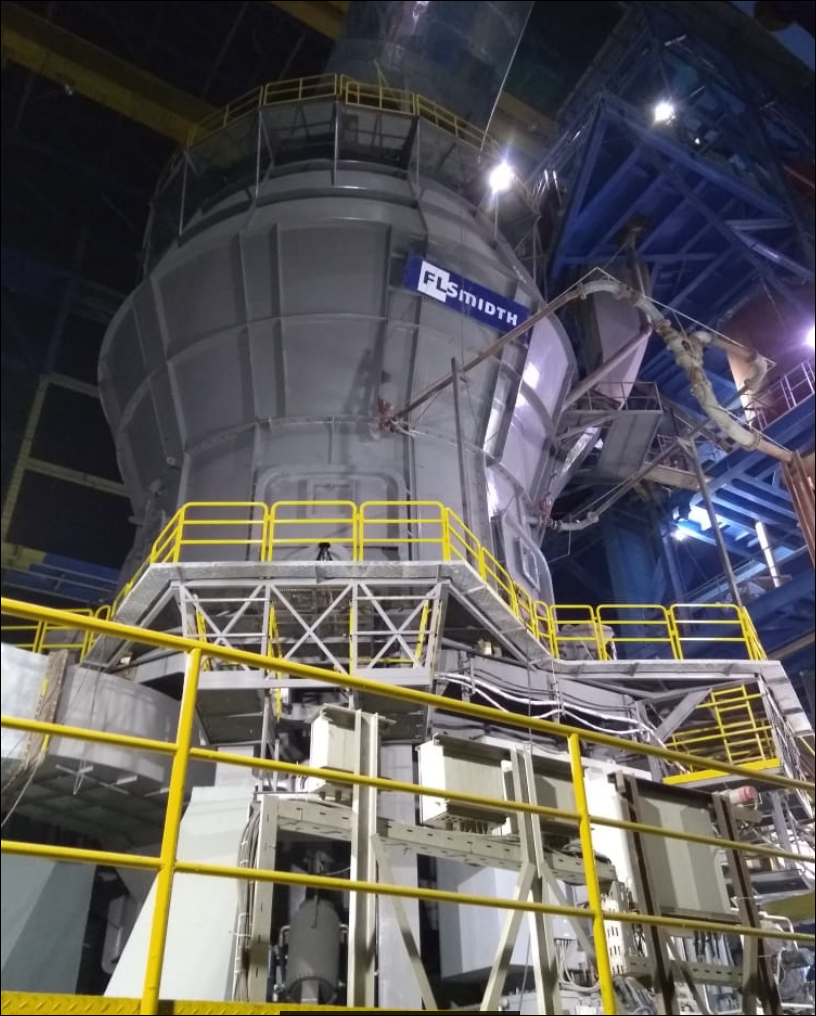
Since 1982, the OK??vertical roller mill (VRM) has provided the cement industry an energy-efficient, flexible ??both in terms of size and the ability to handle variable feed materials ??and reliable solution for cement grinding. These benefits are ever more relevant today, as cement producers focus on reducing both operating costs and their environmental footprint through the increased use of supplementary cementitious materials added to the mill?? feedstock.
Nowhere are the benefits of the OK mill more appreciated than in the Indian subcontinent, where cement plant requirements vary widely in terms of grinding plant size and capacity to produce multiple cement types in each unit. In 2018 and 2019, a total of 15 VRMs were sold by FLSmidth in the region for raw, coal and cement applications.

The same trend applies to the neighboring countries, Nepal and Bangladesh; one such notable example is the OK 81-6 cement mill at Shah Cement in Bangladesh, which has been certified by Guinness World Records as the world?? largest VRM. The mill is 25.6m tall, weighs in at 1,904 tonnes and features the latest MAAG MAX Drive technology providing 11.6 MW of power. Successfully operating for two years since August 2018, the mill recently exceeded its performance guarantee testing.

??e are proud to have the world?? largest vertical roller mill as part of our operations,??said Hafiz Sikander, Director of Operations, Cement Division of Shah Cement Industries. ??e selected the FLSmidth OK 81-6 mill for its exceptional efficiency and reduced power consumption ??and it is living up to its promise. As the largest single-unit grinding mill in the industry, we expect it to meet our production requirements for many years.??/p>
Variable feed ??but invariably high product quality
Product quality is a function of cement particle size distribution (PSD) and the dehydration of the gypsum within the cement. In the OK mill, parameters such as mill air flow, separator speed and grinding pressure, can be easily adjusted during operation to control or alter the PSD curve to a (steeper or flatter) profile that achieves the desired quality standards. When needed, the PSD curve can match that of an existing ball mill.
The instant adjustability of operating parameters, as well as a short retention time, also means that switching between different types of products can be performed with almost immediate effect. The OK mill has also proven to be effective for grinding blended cements with one or more wet components, not only because of its highly-effective drying performance, but also due to its ability to maintain a stable grinding material bed. As a result, OK mills have been used to grind a wide range of materials from 100 per cent slag with feed containing more than 20 per cent moisture to limestone, pozzolan and fly ash.
Moreover, the OK Mill with ROKSH separator regularly grinds products with fineness above 5500 Blaine, further proving its versatility, as well as its capability for consistent, stable operation throughout a range of cement, blended cement, and slag cement products.

Figure 1: The composition of cement products produced using the OK??cement mill
Lower OPEX and maintenance with the FLSmidth OK??mill
Compared with other VRMs, the OK mill consistently operates with lower airflow and the lowest power consumption. As a result of the patented cement grinding profile and integral ROKSH separator with industry-leading high efficiency, the mill consistently uses 15 to 20 per cent (3 to 5 kWh/MT) less power than other cement VRMs.
The latest mill design adopts mechanical improvements based on actual operating and maintenance practices and the most recent metallurgical developments. A simple layout and fewer number of machines in the mill circuit ensure high run-factor, reduced civil construction costs and low long-term maintenance costs.
Modular design across applications and sizes allows for common spares, including roller assembly, lube systems, hydraulic systems and cylinders, and gear units. It also incorporates design elements in the roller and table profile that improve operating stability and reliability, regularly giving availability of 95 per cent of scheduled operating time. The OK mill can be operated with half of its rollers out of service and still achieve 60 to 70 per cent of the nominal output, minimising risk of lost production due to unplanned stoppages and guaranteeing long-term availability.
The ROKSH separator design has also been improved, allowing producers to achieve better product quality and ease of maintenance. Additionally, internal components have been adapted to improve airflow and mill velocity profile, reducing wear from jet abrasion. New features have also been added to provide easier maintenance access to the static guide vanes and rotor.
A mill to meet the needs of today?? cement producer
??s cement producers continually seek reduced energy consumption and lower maintenance costs, two emerging trends are changing the face of cement production: the increased use of grinding stations that support variable feed materials and more widespread use of vertical roller mills,??said John Terembula, FLSmidth Global Product Line Manager ??VRM. ??ement producers in India, Nepal and Bangladesh have achieved much success relying on the OK mill to meet these needs.??/p>
– Communication by the management of the company

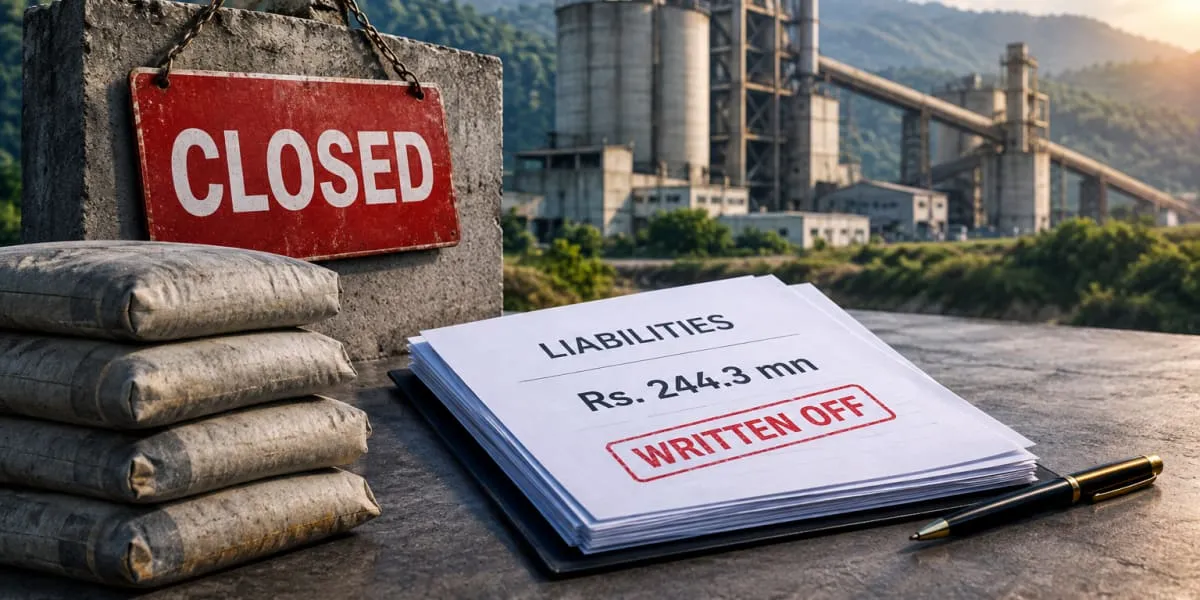


Meghalaya Cabinet Approves MCCL Closure, Writes Off Rs. 244.3 mn

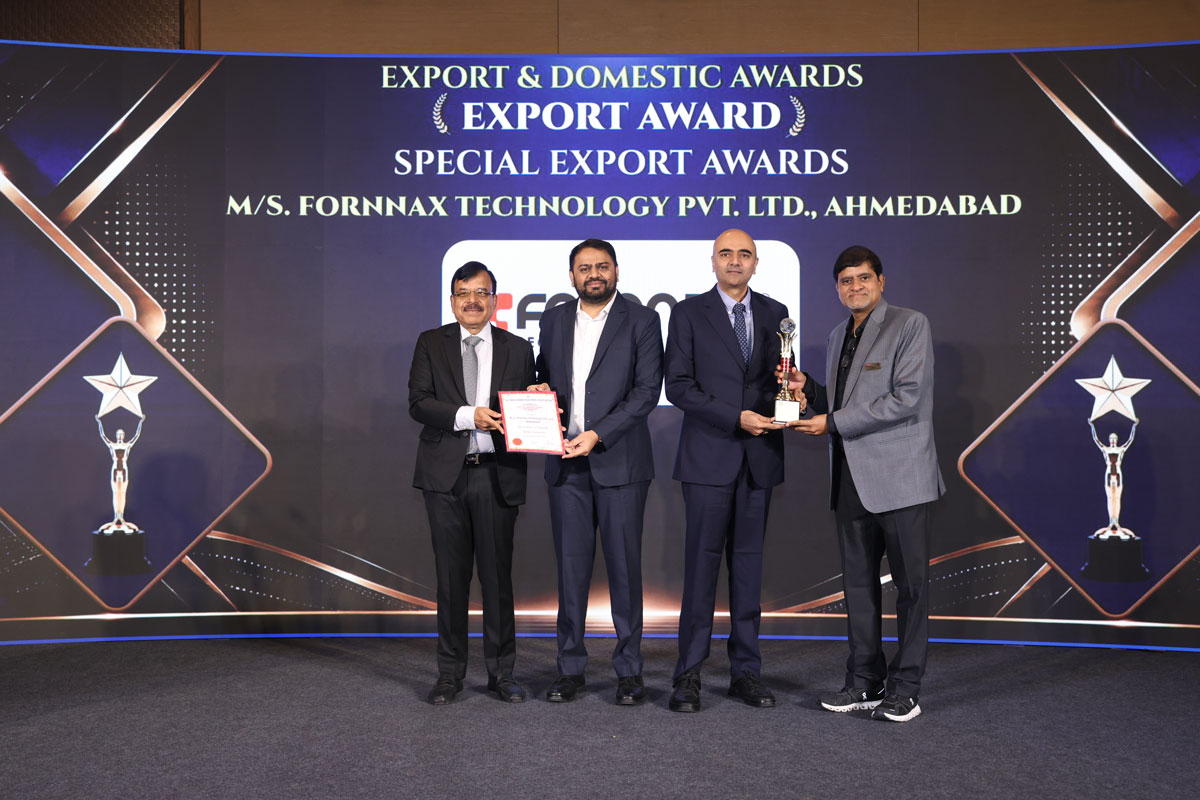
Fornnax Wins AIRIA’s Special Export Award for Rubber Machinery in 2025-26

Cement Prices Likely to Rise Rs. 10-15 per Bag from Mid-October

Nuvoco Marks 10 Years, Targets 35 MMTPA Capacity by FY28

J&K Government Notifies City Gas Distribution Policy
Meghalaya Cabinet Approves MCCL Closure, Writes Off Rs. 244.3 mn
Fornnax Wins AIRIA’s Special Export Award for Rubber Machinery in 2025-26
Cement Prices Likely to Rise Rs. 10-15 per Bag from Mid-October
Nuvoco Marks 10 Years, Targets 35 MMTPA Capacity by FY28
J&K Government Notifies City Gas Distribution Policy
-

 Concrete3 weeks ago
JSW Cement Receives Rs. 2.3 bn GST Demand Notice
-

 Concrete3 weeks ago
Andhra Pradesh Clears Rs. 30 bn My Home Cement Plant
-

 Concrete4 weeks ago
Jammu Division Begins First Cement Rail Traffic to Anantnag
-

 Concrete3 weeks ago
Montra Electric, Wonder Cement Deploy 250-Vehicle EV Fleet