Connect with us

Economy & Market

TSR Will Define Which Cement Companies Win India’s Net-Zero Race

Published

on

Shares

Jignesh Kundaria, Director and CEO, Fornnax Technology

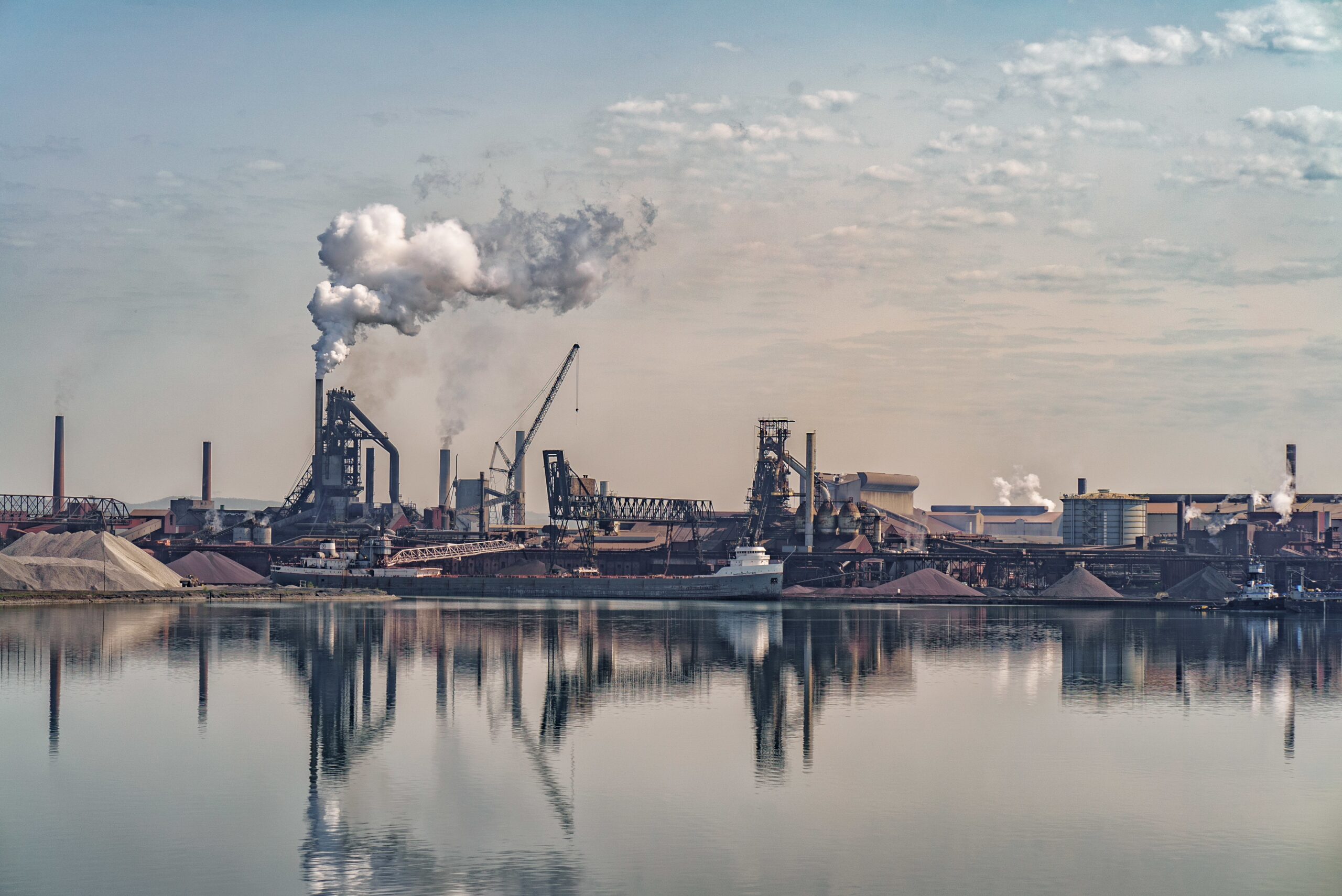
India is simultaneously grappling with two crises: a mounting waste emergency and an urgent need to decarbonise its most carbon-intensive industries. The cement sector, the second-largest in the world and the backbone of the nation’s infrastructure ambitions, sits at the centre of both. It consumes enormous quantities of fossil fuel, and it has the technical capacity to consume something else entirely: the waste our cities cannot get rid of.

According to CPCB and NITI Aayog projections, India generates approximately 62.4 million tonnes of municipal solid waste annually, with that figure expected to reach 165 million tonnes by 2030. Much of this waste is energy-rich and non-recyclable. At the same time, cement kilns operate at material temperatures of approximately 1,450 degrees Celsius, with gas temperatures reaching 2,000 degrees. This high-temperature environment is ideal for co-processing, ensuring the complete thermal destruction of organic compounds without generating toxic residues. The physics are in our favour. The infrastructure is not.

Pre-processing is not the support act for co-processing. It is the main event. Get the particle size wrong, get the moisture wrong, get the calorific value wrong and your kiln thermal stability will suffer the consequences.

The Regulatory Push Is Real

The Solid Waste Management (SWM) Rules 2026 mandate that cement plants progressively replace solid fossil fuels with Refuse-Derived Fuel (RDF), starting at a 5 per cent baseline and scaling to 15 per cent within six years. NITI Aayog’s 2026 Roadmap for Cement Sector Decarbonisation targets 20 to 25 per cent Thermal Substitution Rate (TSR) by 2030. Beyond compliance, every tonne of coal replaced by RDF generates measurable carbon reductions which is monetisable under India’s emerging Carbon Credit Trading Scheme (CCTS). TSR is no longer a sustainability metric. It is a financial lever.

Yet our own field assessments across multiple Indian cement plants reveal a sobering reality: the primary barrier to scaling AFR adoption is not waste availability. It is the fragmented and under-engineered pre-processing ecosystem that sits between the waste and the kiln.

Why Indian Waste Is a Different Engineering Problem

Indian municipal solid waste is not the material that imported shredding equipment was designed for. Our waste streams frequently exceed 40 per cent to 50 per cent moisture content, particularly during monsoon cycles, saturated with abrasive inerts including sand, glass, and stone. Plants relying on imported OEM equipment face months of downtime awaiting proprietary spare parts. Machines built for segregated, low-moisture waste fail quickly and disrupt the entire pre-processing operation in Indian conditions.

The two most common failures we observe are what I call the biting teeth problem and the chewing teeth problem. Plants relying solely on a primary shredder reduce bulk waste to large fractions, but the output remains too coarse for stable kiln combustion. Others attempt to use a secondary shredder as a standalone unit without a primary stage to pre-size the feed, leading to catastrophic mechanical failure. When both stages are present but mismatched in throughput capacity, the system becomes a bottleneck. Achieving the 40 to 70 tonnes per hour required for meaningful coal displacement demands a precisely coordinated two-stage process.

Engineering a Made-in-India Answer

At Fornnax, our response to these challenges is grounded in one principle: Indian waste demands Indian engineering. Our systems are built around feedstock homogeneity, the holy grail of kiln stability. Consistent particle size and predictable calorific value are the foundation of stable kiln combustion. Without them, no TSR target is achievable at scale.

Our SR-MAX2500 Dual Shaft Primary Shredder (Hydraulic Drive) processes raw, baled, or loosely mixed MSW, C&I waste, bulky waste, and plastics, reducing them to approximately 150 mm fractions at throughputs of up to 40 tonnes per hour. The R-MAX 3300 Single Shaft Secondary Shredder (Hydraulic Drive), introduced in 2025, takes that primary output and produces RDF fractions in the 30 to 80 mm range at up to 30 tonnes per hour, specifically optimised for consistent kiln feeding. We have also introduced electric drive configurations under the SR-100 HD series, with capacities between 5 and 40 tonnes per hour, already operational at a leading Indian waste-processing facility.

Looking ahead, Fornnax is expanding its portfolio with the upcoming SR-MAX3600 Hydraulic Drive primary shredder at up to 70 tonnes per hour and the R-MAX2100 Hydraulic drive secondary shredder at up to 20 tonnes per hour, designed specifically for the large-scale throughput that higher TSR ambitions require.

The Investment Case Is Now

The 2070 Net-Zero target is not a distant goal for India’s cement sector. It starts today, with decisions being made on the plant floor.

The SWM Rules 2026 are already in effect, requiring cement plants to replace coal with RDF. Carbon credit markets are opening up, and coal prices are not going to get cheaper. Every tonne of coal a cement plant replaces with waste-derived fuel saves money on one side and generates carbon credit revenue on the other. Pre-processing infrastructure is no longer just a compliance requirement. It is a business investment with a measurable return.

The good news is that nothing is missing. The technology works. The waste is available in every Indian city. The government has provided the policy direction. The only thing standing between where the industry is today and where it needs to be is the commitment to build the right infrastructure.

The cement companies that move now will not just meet the regulations. They will be ahead of every competitor that waits.

About The Author
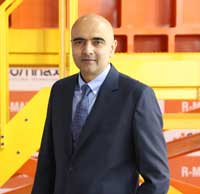
Jignesh Kundaria is the Director and CEO of Fornnax Technology. Over an experience spanning more than two decades in the recycling industry, he has established himself as one of India’s foremost voices on waste-to-fuel technology and alternative fuel infrastructure.

Economy & Market

Leonard Unveils Dual-Head Robotic Arm for Hazardous Industrial Demolition

Published

on

By

Shares

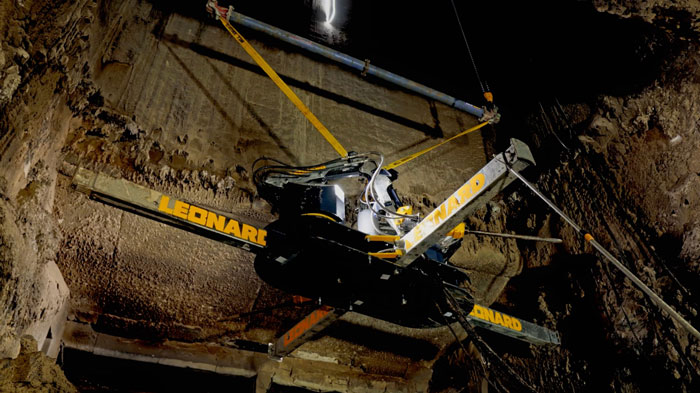
 Leonard unveils Descender Duo, a dual-head robotic demolition arm designed to improve industrial safety and reduce shutdown time by up to 50 per cent.

Industrial robotics and refractory services specialist Leonard has launched Descender Duo, a dual-head robotic demolition arm designed to improve safety, accelerate maintenance and reduce shutdown times in hazardous industrial environments. The system made its debut at Lisahally Power Station in Northern Ireland, removing 25 tonnes of slag material within hours.

Developed for the cement, metals, waste-to-energy and petrochemical industries, Descender Duo enables remote-controlled refractory demolition, anchor cutting and welding, and refractory spraying inside boilers, calciners and silos. Its vertical-access design eliminates the need for personnel to enter confined, high-risk spaces during these operations.

Weighing less than two tonnes, the pre-assembled system requires an access opening of just 1.2 m². Supported by an external overhead hoist, it uses electrically operated hydraulic stabilising legs to secure itself inside vessels. The robotic arm offers 360-degree rotation and is suited to vessels approximately 9 m in diameter, with its operating reach extendable through strategically positioned access points.

Equipped with two independently controlled robotic heads, Descender Duo can perform identical or different tasks simultaneously, including refractory demolition, anchor cutting and spraying. Its remote-control system incorporates live camera feeds, allowing operators to monitor operations without entering hazardous environments.

According to Leonard, the technology can deliver time savings of up to 50 per cent compared with manual methods. Its ability to operate at temperatures exceeding 100°C allows maintenance to begin as early as 24 hours after burner shutdown. An all-electric power supply further supports cleaner and more cost-efficient operations.

First Deployment Demonstrates Shutdown Efficiency

The system was first deployed at Burmeister & Wain Scandinavian Contractor’s (BWSC) Lisahally Power Station in Londonderry, Northern Ireland. The facility generates electricity from grade C waste wood, supplying approximately 40,000 homes and businesses.

Leonard and BWSC collaborated to develop a customised solution for the plant’s 26-metre furnace, where extensive external pipework created significant access challenges.

Mark Leonard, Managing Director, Leonard, said, “It required new thinking and rather than step away from the problem we were committed to solving it for the customer, with the customer. We’re relentless in our approach to tackling complex challenges, head-on. We took our years of cement plant experience, coupled with our working knowledge of the BWSC plant, and designed, engineered and tested a completely new vertical solution within just seven weeks from that initial conversation with the customer. That solution was the Descender Duo as we know it today.”

Traditionally, the furnace required a cooling period of up to 36 hours before preparatory work could begin, followed by manual slag removal using rope-access personnel. With Descender Duo, work commenced just 24 hours after shutdown, reducing downtime by up to one day.

The deployment removed 25 tonnes of slag within hours, eliminated the need for at least six workers to enter the hazardous furnace interior and saved 26 hours in the shutdown programme.

“The effectiveness exceeded expectation,” said Martin Doran, Plant Manager at Lisahally Power Station.

“When the Descender Duo concept was first discussed, we had to spend some time with the team from Leonard looking at how it was going to be moved into the furnace. Every site is different and that presented its own challenges, but nothing that the team couldn’t overcome. Once it was installed we were hugely impressed by its efficiency.”

Expanding Industrial Robotics Applications

Descender Duo joins Leonard’s existing portfolio of robotic maintenance solutions, including the Axis horizontal-access arm, Nano confined-space access arm, Charger cement mill media recharging system and Calibre cement mill media grading system.

Headquartered in Northern Ireland, Leonard provides robotic refractory demolition, installation, inspection and industrial maintenance services across the cement, metals, energy, biomass, glass and civil engineering sectors.

Formerly known as G Leonard, the company has more than 35 years of industry experience and operates across Europe, North America, the Middle East, Africa and Asia-Pacific.

The latest innovation reinforces Leonard’s focus on replacing hazardous manual processes with robotic systems that improve workforce safety, enhance operational efficiency and minimise industrial downtime.

Continue Reading

Concrete

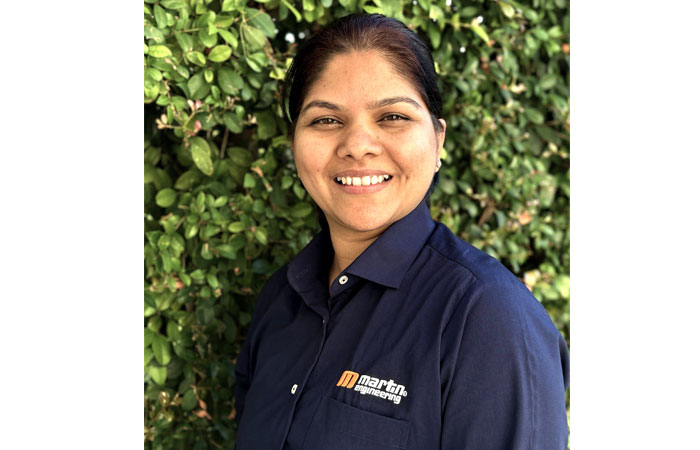
Martin Engineering Appoints Ashwini Khunte as India General Manager

Published

on

By

Shares

Martin Engineering names Ashwini Khunte India General Manager to strengthen operations and drive growth across key bulk material handling sectors.

Pune

Martin Engineering, a global provider of bulk material handling solutions, has appointed Ashwini Khunte as General Manager of its India business, strengthening its leadership as the company expands its presence across the country’s cement, mining, steel, power and infrastructure sectors.

Khunte brings more than a decade of experience with Martin Engineering, having joined its Indian operations in 2013 as a Design Engineer, shortly after the company established its presence in the country in 2012.

A mechanical engineer by qualification, she spent her initial five years developing bulk material handling solutions in collaboration with the company’s operations team. During this period, she gained extensive experience addressing operational challenges in the steel, cement and coal industries. She subsequently moved into project engineering, managing major engineering, procurement and construction (EPC) and original equipment manufacturer (OEM) projects from initial enquiry to commissioning. Her responsibilities later expanded to overseeing Martin Engineering’s conveyor product portfolio in India, involving customer engagement, technical presentations and site visits across heavy industries.

In 2024, Khunte was promoted to Head of Sales & Marketing for the company’s Europe, Middle East, Africa and India (EMEAI) region. The position broadened her international market exposure and strengthened her strategic and commercial leadership capabilities.

Commenting on her appointment, Ashwini Khunte, General Manager, Martin Engineering India, said: “India represents a tremendous opportunity for Martin Engineering. The country’s continued investment in cement, mining, steel, power and infrastructure is creating increasing demand for safer, cleaner and more productive bulk material handling, and that’s exactly what we do. My priority will be to build on the strong foundations already established in India, while continuing to develop our people, strengthen customer relationships and bring practical solutions to the challenges faced by our industry.”

Robert Whetstone, Area Vice President – EMEAI, Martin Engineering, highlighted Khunte’s technical expertise, market understanding and leadership experience.

“Ashwini brings an exceptional combination of technical understanding, customer knowledge and commercial leadership. She has grown as Martin Engineering has grown, and has consistently demonstrated outstanding capability to transform her expertise into practical solutions. Her knowledge of the Indian market, together with her international experience, makes her ideally suited to lead our India business through its next stage of growth for years to come.”

Since establishing its Indian business in 2012, Martin Engineering has expanded its local workforce, manufacturing capabilities and dealership network. The company supplies conveyor products, transfer point solutions, material flow aids, training and technical support to bulk material handling industries. Khunte’s appointment positions the company to further strengthen customer relationships and expand its solutions portfolio in India’s growing industrial and infrastructure markets.

Continue Reading

Concrete

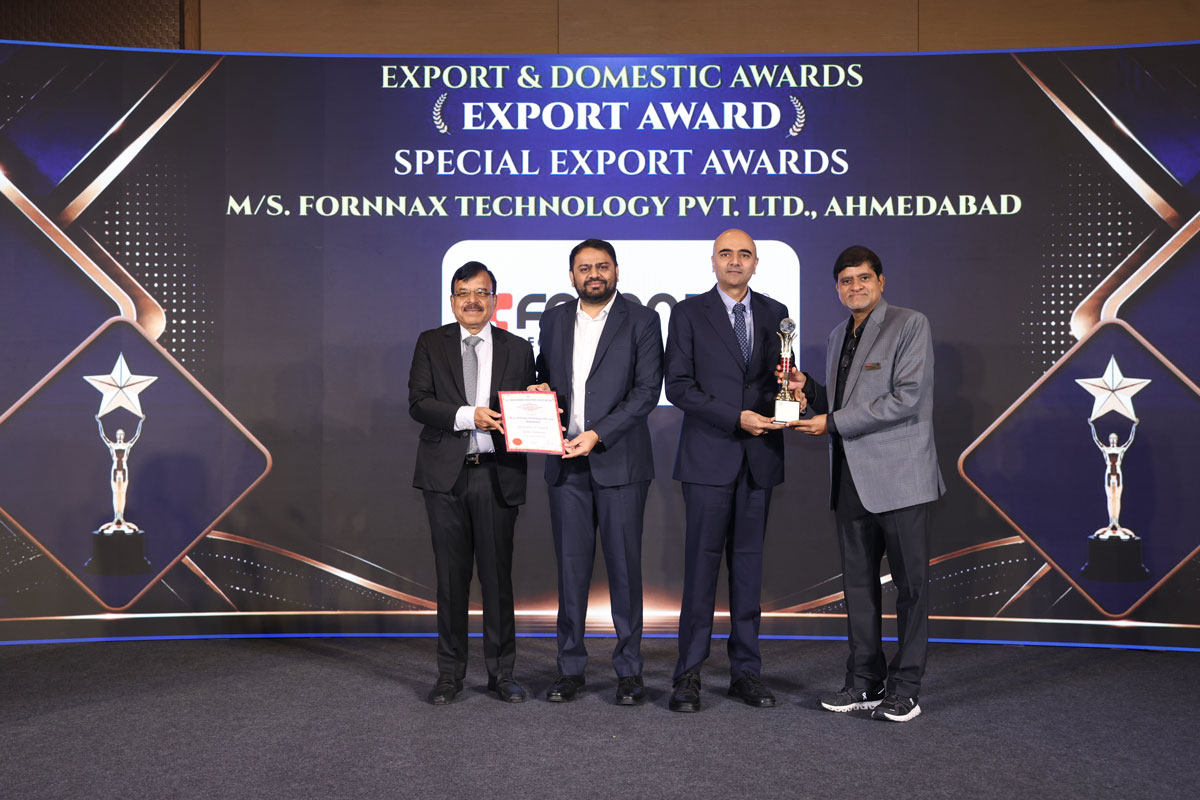
Fornnax Wins AIRIA’s Special Export Award for Rubber Machinery in 2025-26

Published

on

By

Shares

Fornnax Technology Pvt. Ltd. has been honoured with the Special Export Award – Rubber Machinery for 2025–26 by the All-India Rubber Industries Association (AIRIA), in recognition of its highest exports of tyre recycling plants to the European region.

With more than a decade of experience in India’s tyre recycling industry, Fornnax has contributed to the development of advanced recycling technologies and infrastructure. The company currently holds a 90% market share in India’s domestic tyre recycling sector, while exports account for 30% of its business, spanning markets such as Europe, Australia and the GCC.

The award marks another milestone for Fornnax, whose tyre recycling lines and advanced shredding technologies are supporting the growth of the circular economy in India and international markets.

Commenting on the recognition, Mr. Jignesh Kundaria, Founder and Director of Fornnax, said:

“This honour from AIRIA is a reflection of an incredible journey we have undertaken over the years. When we started Fornnax, there was no established recycling industry in India to follow. We chose to build for the future instead. Today, when you see India’s tyre recycling sector, it has already transformed into a dynamic, high-growth industry and we are extremely proud to have played our part in building it.”

Unlike standalone equipment suppliers, Fornnax focuses on developing complete, high-capacity recycling infrastructure. Its integrated systems combine multiple stages of shredding and size reduction to enable efficient, continuous operations. This system-level engineering approach helps recycling operators improve throughput, equipment reliability and operational consistency.

The recognition reinforces Fornnax’s commitment to developing engineering technologies that contribute to a more efficient and circular recycling ecosystem.

Looking ahead, the company aims to expand its international presence while continuing to develop advanced shredding and recycling solutions to address the growing volumes and evolving requirements of the global recycling industry.

For more information, visit: www.fornnax.com

Continue Reading

Video Thumbnail
▶

    SIGN-UP FOR OUR GENERAL NEWSLETTER

    Trending News