Connect with us

Economy & Market

Digitalisation is pivotal in driving energy efficiency

Published

on

Shares

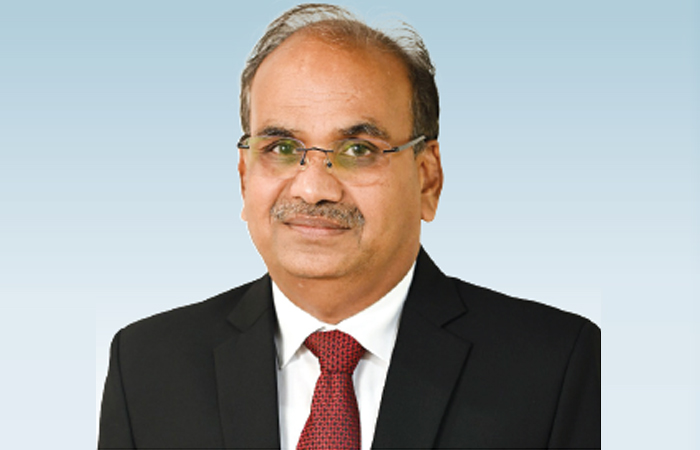
As energy costs continue to dominate the cement industry, efficiency and sustainability are proving to be vital components. MM Rathi, Joint President, Power Management, Shree Cement, explains the company’s long-term strategy is focused on cutting emissions while powering growth with renewable energy solutions.

Energy efficiency has always been a cost-saving lever for the cement industry. Today, it is the backbone of sustainability and competitiveness. Cement manufacturers are under growing pressure to optimise consumption, diversify power sources and align with decarbonisation targets. Shree Cement has been at the forefront of this transformation, significantly scaling up its green power capacity and embedding advanced technologies across operations. In this exclusive conversation, MM Rathi, Joint President – Power Management, Shree Cement, shares insights on the company’s approach to energy efficiency, challenges in brownfield modernisation and long-term strategies for achieving net zero alignment.

What percentage of your total operational cost is attributed to energy consumption?
At Shree Cement, energy is one of the most significant components of production cost, accounting for nearly 30 per cent to 40 per cent of total operational expenses. Within this, thermal energy typically contributes around 20 per cent to 25 per cent, while electrical energy forms about 10 per cent to 15 per cent. The exact share varies depending on factors such as the fuel mix (coal, pet coke or alternative fuels and raw materials), the power source (grid-based or captive like solar, wind or thermal), raw mix quality, and regional fuel and electricity price variations. This makes energy efficiency and the adoption of sustainable power sources a key focus area, both from a cost and sustainability perspective.

How has your company improved energy efficiency over the past five years?
Over the past five years, Shree Cement has consistently invested in enhancing energy efficiency across operations. Our green power capacity, covering wind, solar and Waste Heat Recovery (WHR), has more than doubled from 245 MW in 2020 to 592 MW in 2025. All grinding units are now equipped with biomass firing facilities, reducing dependence on conventional fuels. From the project stage itself, we prioritise efficiency by selecting advanced technologies such as six-stage kilns with integrated WHR, CFD-designed plants, and equipment fitted with VFDs, centrifugal compressors and high-efficiency fans. We also review and upgrade equipment systematically, replacing fans, compressors, blowers, pumps, boilers and turbines with more efficient options. This continuous approach has reduced costs while significantly advancing our sustainability journey.
What technologies or practices have shown the highest energy-saving potential in cement production?
WHR stands out as one of the most effective solutions, offsetting a significant portion of electricity required for clinker production. Hot air recirculation has also proven highly beneficial in reducing heat losses. Additionally, regular energy audits help us identify opportunities for improvement and implement corrective measures in daily operations. Together, these practices play a critical role in optimising energy efficiency and driving sustainable operations.

What are the key challenges in adopting energy-efficient equipment in brownfield cement plants?
The biggest challenge is the significant upfront investment required for upgradation. Retrofitting existing facilities often involves complex civil and structural modifications, which add costs and extend downtime. Integration is another hurdle, as new high-efficiency equipment may not align seamlessly with older kiln systems, fans, mills or automation setups. These factors make the transition in brownfield plants more resource-intensive and time-consuming compared to greenfield projects.

How do you measure and benchmark energy performance across different plants?
We track key performance indicators such as specific heat consumption and specific power consumption for each unit, benchmarking them against internal and external standards. Thermal Substitution Rate (TSR percentage) is another critical metric, measuring the share of alternative fuels in the thermal energy mix. Internally, we benchmark performance across plants to encourage best practice sharing. Externally, we compare against national averages and align with the Bureau of Energy Efficiency’s PAT (Perform, Achieve, Trade) scheme, which sets Specific Energy Consumption (SEC) baselines and targets for cement plants. This multi-layered approach ensures continuous monitoring, improvement, and industry leadership in energy efficiency.

What role does digitalisation play in achieving energy efficiency in your operations?
Digitalisation is pivotal in driving energy efficiency at Shree Cement. IoT sensors integrated with SCADA and DCS systems allow real-time monitoring of parameters like heat consumption and energy use, moving beyond periodic reports. Our digital platforms consolidate plant data, enabling management to compare metrics such as SPC, SHC, kWh per tonne and kcal per kg across units in real time. This visibility supports data-driven decisions, faster corrective actions, and higher operational efficiency.

How do government policies and incentives influence your energy-saving decisions?
Government policies and incentives strongly shape our energy-saving decisions. The Perform, Achieve, Trade (PAT) scheme sets plant-specific SEC targets. Non-compliance incurs penalties, while compliance earns tradable energy-saving certificates. This ensures energy efficiency is both cost-driven and regulatory. Additionally, subsidies and viability gap funding for renewable energy projects in wind, solar and AFR co-processing help reduce payback periods and make energy-saving investments more viable.

What is your long-term strategy for aligning energy efficiency with decarbonisation goals?
Our long-term strategy aligns energy efficiency with India’s net zero 2070 goals. Key levers include improving efficiency, expanding green electricity, producing more blended cement, and increasing alternative fuel use. Today, more than 60 per cent of our electricity comes from green sources such as solar, wind, and WHR, the highest in India’s cement industry. Our blended cement products, which reduce limestone and fuel consumption, further lower emissions. These products are certified under the GreenPro ecolabel by CII, validating our sustainability practices and environmental standards.


Concrete

Fornnax Wins AIRIA’s Special Export Award for Rubber Machinery in 2025-26

Published

on

By

Shares

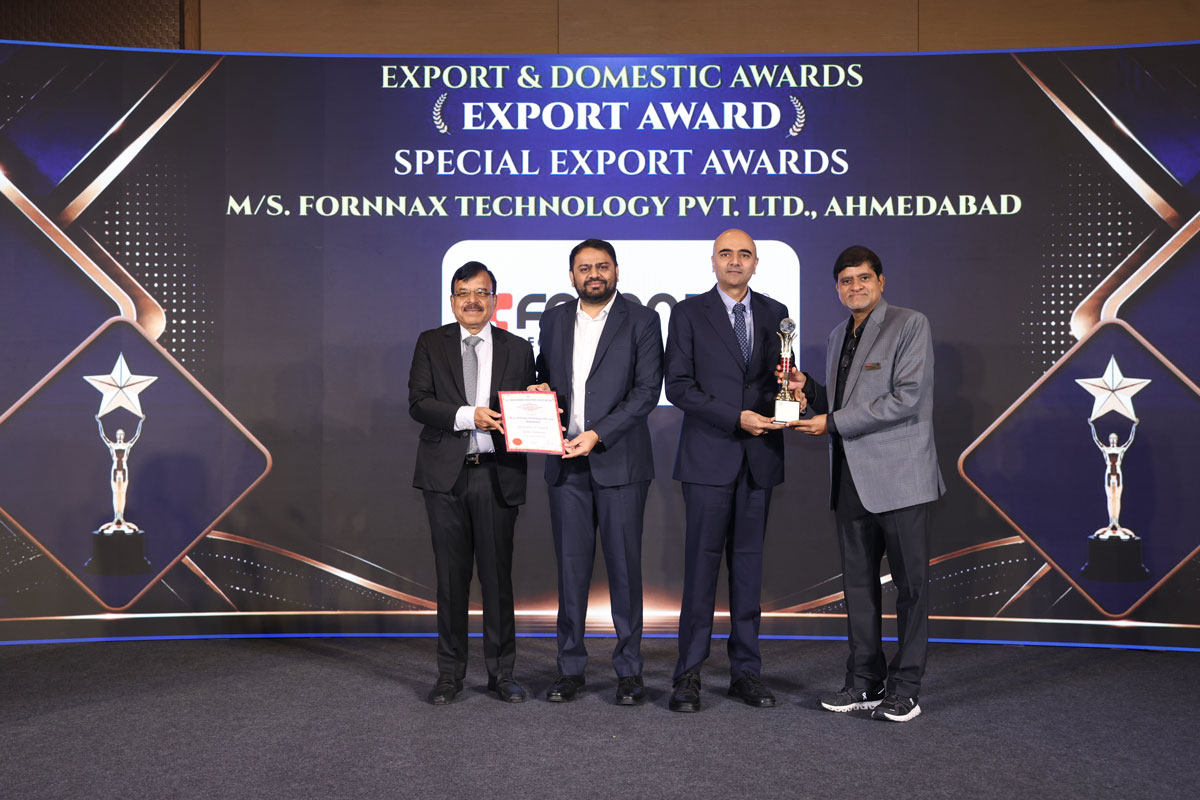
Fornnax Technology Pvt. Ltd. has been honoured with the Special Export Award – Rubber Machinery for 2025–26 by the All-India Rubber Industries Association (AIRIA), in recognition of its highest exports of tyre recycling plants to the European region.

With more than a decade of experience in India’s tyre recycling industry, Fornnax has contributed to the development of advanced recycling technologies and infrastructure. The company currently holds a 90% market share in India’s domestic tyre recycling sector, while exports account for 30% of its business, spanning markets such as Europe, Australia and the GCC.

The award marks another milestone for Fornnax, whose tyre recycling lines and advanced shredding technologies are supporting the growth of the circular economy in India and international markets.

Commenting on the recognition, Mr. Jignesh Kundaria, Founder and Director of Fornnax, said:

“This honour from AIRIA is a reflection of an incredible journey we have undertaken over the years. When we started Fornnax, there was no established recycling industry in India to follow. We chose to build for the future instead. Today, when you see India’s tyre recycling sector, it has already transformed into a dynamic, high-growth industry and we are extremely proud to have played our part in building it.”

Unlike standalone equipment suppliers, Fornnax focuses on developing complete, high-capacity recycling infrastructure. Its integrated systems combine multiple stages of shredding and size reduction to enable efficient, continuous operations. This system-level engineering approach helps recycling operators improve throughput, equipment reliability and operational consistency.

The recognition reinforces Fornnax’s commitment to developing engineering technologies that contribute to a more efficient and circular recycling ecosystem.

Looking ahead, the company aims to expand its international presence while continuing to develop advanced shredding and recycling solutions to address the growing volumes and evolving requirements of the global recycling industry.

For more information, visit: www.fornnax.com

Continue Reading

Concrete

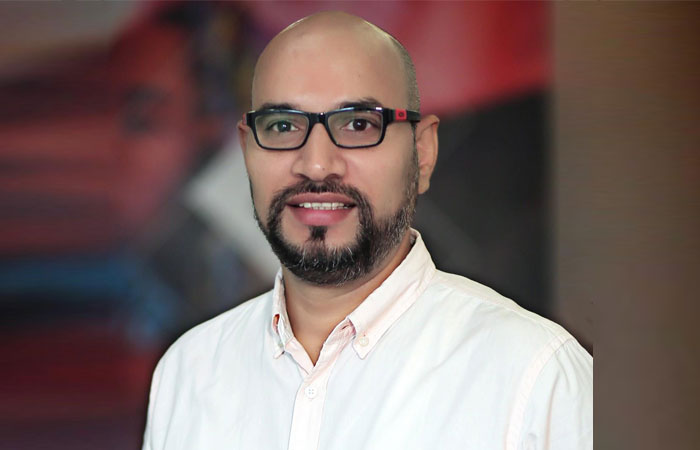
Wonder Cement appoints Mahesh Singh as VP Corporate Brand Communication 

Published

on

By

Shares

Singh brings 20+ years of brand and marketing experience, and will lead integrated corporate brand communication initiatives at Wonder Cement 

New Delhi

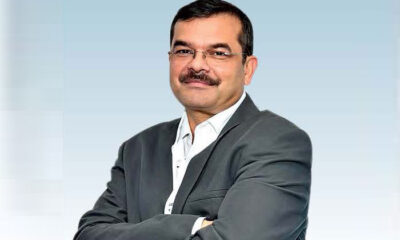
Wonder Cement, a leading cement manufacturer, has appointed Mahesh Singh as Vice President – Corporate Brand Communication. In his new role, he will oversee corporate brand strategy and communication, including digital and performance marketing, public relations, trade, events, exhibitions, sports and experiential marketing. 

Singh brings over two decades of experience across marketing and communications, with roles spanning the automotive industry, agencies and entrepreneurship. He spent more than a decade with Honda Motorcycle & Scooter India, working across integrated communication, media, digital, retail and consumer engagement. His stint also included helping build the company’s digital marketing capabilities. 

He moved to dentsu X India as Vice President – Strategy & Planning, working across categories such as automotive, auto components, electric vehicles, FMCG, consumer electronics, BFSI, apparel and brand consulting. His responsibilities included media and marketing strategy, product launches, content, performance marketing and consumer activations. 

Singh subsequently took an entrepreneurial route with Radiant Brands before joining Shriram Ltd (SPR Autotech) as Head – Marketing & Communications. There, his remit included brand and corporate strategy, communications, PR and ORM, retail identity, loyalty programmes and events. 

At Wonder Cement, Singh will be responsible for bringing together the company’s corporate brand communication initiatives across digital, performance marketing, PR, trade, sports and experiential platforms. The role will focus on creating an integrated approach to communication across consumers, trade partners and other key stakeholders. 

The appointment brings to Wonder Cement a marketer whose career has spanned the brand, agency and entrepreneurial sides of the communications ecosystem. 

Wonder Cement, part of the RK Group, is a cement manufacturer with roots in Rajasthan and a focus on quality, trust and transparency. The company has grown to six manufacturing plants, and a cement capacity of 21.5 MTPA. With more than 2,000 employees and a network of over 5,000 dealers, its operations span manufacturing, distribution and customer engagement, with a focus on consistent product quality and efficient execution. 

Continue Reading

Concrete

JSW Cement commissions additional 1 MTPA grinding unit at Nagaur

Published

on

By

Shares

With this commissioning, JSW Cement’s total cement grinding capacity has increased to 25.10 MTPA, 
Mumbai

JSW Cement, one of India’s leading green cement producers and part of the diversified JSW Group, today announced the successful commissioning of an additional 1.00 MTPA cement grinding unit at Nagaur, Rajasthan. The commissioning marks another significant milestone in the Company’s growth strategy.

With this commissioning, JSW Cement’s total cement grinding capacity has increased to 25.10 MTPA, while its total clinker manufacturing capacity, including clinker capacity at its joint venture, JSW Cement FZC, stands at 9.74 MTPA.

JSW Cement had commenced operations in North India in March 2026 with the Nagaur Integrated Plant, comprising a 3.30 MTPA clinkerisation unit and 2.50 MTPA cement grinding unit. With the commissioning of the additional 1.00 MTPA cement grinding unit, the plant’s total cement grinding capacity has increased to 3.50 MTPA, enhancing the company’s ability to cater to the growing cement demand across Rajasthan, Haryana, Punjab and the National Capital Region (NCR). The expansion has been funded through a strategic mix of equity and long-term debt.

During the quarter ended 30th September 2026, JSW Cement has also commissioned the Alternate Fuel Handling System and the Waste Heat Recovery system (WHRS) at the Nagaur Integrated Plant.

Nilesh Narwekar, CEO, JSW Cement, said: “The commissioning of additional 1.00 MTPA grinding capacity at Nagaur is a key strategic priority for us and will accelerate JSW Cement’s expansion into North India. We look forward to servicing the growing needs of the region and contributing to the economic growth of Rajasthan, Haryana, Punjab and the NCR area. I am delighted to share that the company has commissioned this grinding unit within the expected timeline, showcasing our project execution capabilities. Further, the Alternate Fuel Handling System and the Waste Heat Recovery system (WHRS) are expected to substantially reduce our production costs going forward.”

Continue Reading

Video Thumbnail
▶

    SIGN-UP FOR OUR GENERAL NEWSLETTER

    Trending News