Economy & Market
Upcycling waste into eco-friendly sand
Published
4 years agoon
By
admin
The enormous consumption of sand poses major environmental problems for many countries around the world. ZaaK has developed a technology that can upcycle wastes (fly ash, pond ash, and stabilised ash from hard and brown coal, WTE ash, and bauxite residue) into value-added eco-friendly lightweight sand called Lypors®.
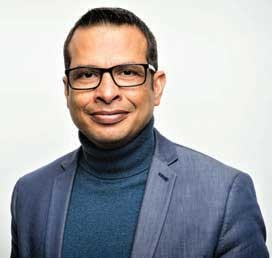
Lypors™ is more than just the answer to the scarcity of construction sand and the persistent demand of the construction industry, says Dr Abbas Khan, Founder and Managing Director of ZaaK Technologies GmbH.
Sand mining or dredging is a big problem. How do you look at this problem?
After water, sand is the most demanded resource in the world. Around 50 billion tons of sand is mined globally every year, causing huge environmental issues. Sand is not essential only in concrete and mortar production, but also in glass, cell phones, computers, wine, and even toothpaste. The consequences of the high consumption have not yet been felt in Europe, but in countries like India, sand is scarce. As a result, natural sand is often illegally skimmed off and sold on the black market.
On the other hand, excessive removal of natural sand results in lowering of groundwater, coastal erosions and even the disappearance of islands. The short term solution such as m-sand or crushed stone has a greater negative environmental impact as it is a non-reproducible natural resource.
Unfortunately, these problems are only going to increase in the future as the rate of consumption of sand is twice the rate at which nature produces it.
Therefore, to solve this problem, ZaaK has developed a technology that can upcycle different types of mineral wastes and by-products such as fly ash, pond ash, bauxite residue and ash from waste incineration plants into a lightweight sand called Lypors™. Thereby, through upcycling, ZaaK takes care of the problem of mineral waste disposal while simultaneously mitigating the pressure on the dwindling natural sand resources.
Lypors™, as a secondary raw material is more than just the answer to the issues outlined above.. We at ZaaK enhance the trend of supporting a sustainable industrial society using the earth’s finite resources efficiently and carefully. As a Greentech company and a pioneer in upcycling, we oppose the throw-away mentality and contribute to a circular economy.
Lypors™ is an alternative to natural sand. What technology goes into the making of Lypors™ and how is it better than natural sand?
Lypors™ is a product which is made by upcycling mineral wastes and by-products which normally would have been disposed off, endangering the local environment and habitat. ZaaK’s vision is not only to establish a new standard for a secondary raw material but also a sustainable solution for society and industry.
The technology that goes in the making of Lypors™ involves a combination of mechanical, chemical, and sintering processes. Due to the simplicity and high scalability of our production process, Lypors™ plant can easily be integrated into an existing infrastructure enabling efficient collection of material streams at the waste producer’s site. Lypors’™ properties such as size, shape, porosity and density can be tailored to cater to different market segments.
Lypors™ comes with superior and consistent quality with zero organic impurities, as opposed to natural sand. The latter often contains impurities such as bones, shells, mica, clay and silt, which make it inferior for use in mortar and concrete.
Lypors™ is ready to use, which means no further screening, washing and drying are required. Furthermore, being up to 55 percent lighter than natural sand it is easier to transport, load/unload and has a lower risk of injury. A mason can place up to 20 percent more wall area and lift approximately 25 percent less weight per year using Lypors™ mortar compared to normal sand mortar. To cut a long story short, Lypors™ is a premium construction material for ecological and sustainable construction.
Please tell us about the advantages of Lypors™ based concrete over sand concrete.
Lypors™ optimises structural efficiency by improving strength to weight ratio allowing architects to design expressive roofs and taller buildings, add additional floors to existing structures and build on sites with poor soil condition and design wider bridge decks with minimum modifications to existing structural supports. Our study has found that the concrete made from Lypors™ can reduce size of load bearing elements, including columns and footings resulting in savings of up to 32 percent in reinforcement and up to 31 percent in concrete in a building.
Once Lypors™ has been used in a building the building owners will benefit from higher efficiency. Lypors™ concrete has two times better thermal resistance than normal concrete. Countries like India, where the temperature most of the year around is beyond 30 Deg C, can benefit from the energy efficiency of the building, saving electricity cost of cooling the building.
How has been the demand for Lypors™? Could you name some of your clients or projects where it was used extensively?
With the establishment of our Technology Innovation Centre in Germany, we have formed strong partnerships with various construction material manufacturers to design and develop our products for different construction material applications. ZaaK is currently in the process to set up manufacturing plants in cooperation with waste and by product producers in Europe, North America and Asia. Lypors™ has been already tested by various leading construction material companies and they are ready to buy Lypors™ when commercial production begins.
We see that the need and awareness for alternative ecological construction materials, such as Lypors™, is steadily rising and in future the demand for sustainable construction materials will increase: This is pushed, on the one hand, by the ever increasing scarcity of natural construction materials and on the other hand by a heightened ecological consciousness.
Logistics is a huge problem in India, especially in the cement business. How do you look at this problem?
Yes, logistics is a huge problem in India due to various factors like vast distances, underdeveloped infrastructure and transport systems, inadequate material handling systems, manual loading / unloading etc. The burden is felt acutely in industries where heavy materials are transported, e.g., in the cement and construction industries. This issue can be partially alleviated by moving away from traditional materials to new-age ones, e.g., by substituting natural sand with Lypors™ resulting in reducing weight, and hence handling cost, including that of downstream products like ready-mix concrete, dry-mix-mortars, plasters etc. ZaaK’s technology enables manufacture of such products, making their transport more efficient.
You claim saving up to 25 percent fuel in transporting for the same volume of material compared to natural sand. How?
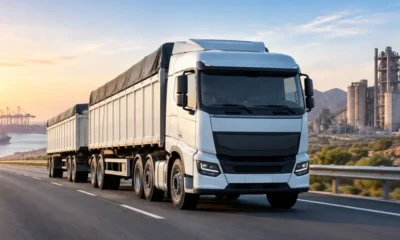
Construction requires transportation! And there is a direct correlation between fuel consumption, weight and environmental impact. According to a study, due to being up to 55 percent lighter in weight, transporting Lypors™ in 14 tyre trucks will save up to 25 percent fuel compared to transporting the same volume (40 m3) of natural sand.
The infrastructure sector in India is receiving huge attention from our government. Do you think it’s a good opportunity to scale up your operations? What are your future plans?
Our process and products address three important and burning issues of the day: conversion of millions of tons of waste product into inert material, prevention of sand dredging & erosion, and provision of high-quality building material with low life cycle costs. These reasons are compelling enough to lead to accelerated adoption of our technology. Government attention to the building industry will certainly add to these tailwinds. We believe that the industry is increasingly ready to adopt environment-friendly technologies. We are in discussion with multiple entities across the globe, including India, for the early adoption of our product and technology. We will establish our presence in India this year across the value chain.
You may like
Concrete
Cement Makers Reaffirm Commitment to Sustainable Growth
Published
6 days agoon
June 5, 2026By
admin
World Environment Day spotlight on innovation and circularity
On World Environment Day, the Indian cement industry reiterated its commitment to supporting India’s climate ambitions through sustainable manufacturing, resource efficiency and the adoption of cleaner technologies.
The Cement Manufacturers’ Association (CMA) said the sector remains aligned with the Government of India’s Net Zero commitments and is accelerating efforts to reduce its environmental footprint while supporting the country’s infrastructure and development agenda.

Parth Jindal, President, CMA and Managing Director, JSW Cement, said the industry is increasingly adopting cleaner technologies, improving energy efficiency and expanding the use of alternative fuels and raw materials. He also highlighted the growing importance of circular economy practices, where industrial by-products and waste streams from one sector are utilised as resources in another.
“The Indian Cement Industry is aligned to the Government’s commitments on carbon mitigation and is accelerating the adoption of cleaner technologies, resource efficiency and circular economy practices while actively exploring the potential of Carbon Capture, Utilisation and Storage (CCUS) as a critical pathway for deep decarbonisation,” said Jindal.
He added that coprocessing industrial waste and by-products helps conserve natural resources, reduce disposal requirements and lower the environmental footprint across multiple sectors.
According to Jindal, sustainability is no longer limited to manufacturing processes but is increasingly influencing investment decisions, innovation strategies and long-term growth plans within the industry.
Echoing similar views, Dr Raghavpat Singhania, Vice President, CMA and Managing Director, JK Cement, said sustainable development extends beyond emissions reduction and must also focus on responsible resource utilisation and waste minimisation.

“Sustainability in the built environment cannot be measured by emissions alone. It is equally about how efficiently we use resources, how effectively we minimise waste and how responsibly we create the infrastructure that will serve future generations,” said Singhania.
He noted that the cement industry is advancing its sustainability agenda through greater resource efficiency, increased circularity, technological innovation and continuous improvements in manufacturing practices. As a key contributor to India’s infrastructure development, the sector has a critical role to play in balancing economic growth with environmental responsibility.
On the occasion of World Environment Day, industry leaders reaffirmed their commitment to supporting India’s climate goals while delivering the materials required for resilient, durable and sustainable infrastructure.
Environmental sustainability requires immediate action, not just long-term commitments and discussions. Recycling, circular economy practices, and technology-driven waste management can help industries reduce environmental impact while supporting sustainable growth.
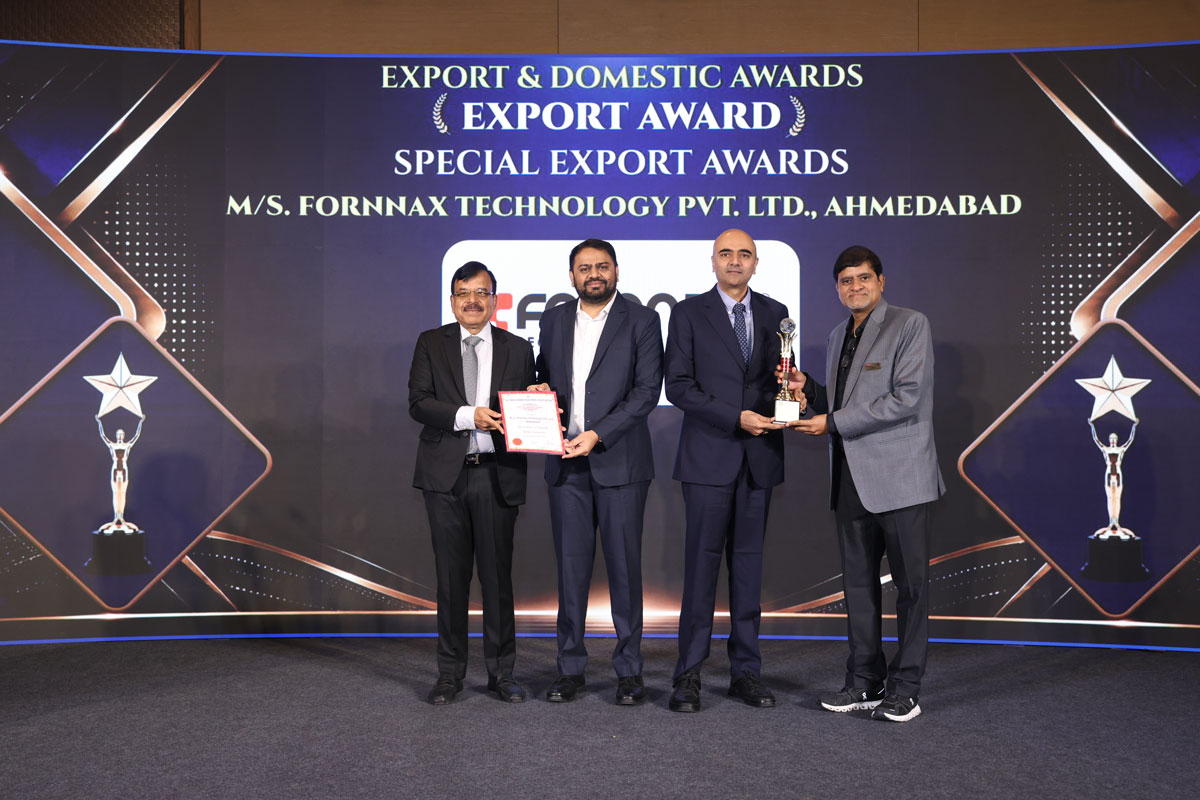
Author: Jignesh Kundaria, Director and CEO, Fornnax Technology
World Environment Day serves as an important reminder that environmental sustainability can no longer remain confined to discussions, reports, or long-term commitments. The environmental challenges facing the world today demand immediate, measurable, and collective action. Across industries and communities, waste generation continues to outpace our ability to process it responsibly, placing increasing pressure on ecosystems, natural resources, public health, and the well-being of future generations.
One of the most significant shifts required today is a change in how society perceives waste. Rather than being viewed as a material to be discarded, waste must be recognised as a valuable resource that can contribute to both economic growth and environmental protection when managed through the right technologies and systems. This mindset forms the foundation of the circular economy model that countries across the world are increasingly adopting to reduce landfill dependence, recover valuable materials, and create more sustainable industrial ecosystems.
India has made meaningful progress in strengthening awareness around sustainability, recycling, and environmental responsibility over the past decade. Significant efforts are being made to formalise the recycling sector through improved infrastructure, technology adoption, policy implementation, and broader stakeholder participation. These developments are creating a stronger foundation for responsible waste management and resource recovery across the country.
However, achieving long-term environmental impact requires collaboration from all stakeholders. Industries, policymakers, technology providers, and communities must work together with greater accountability to strengthen recycling ecosystems, encourage responsible waste management practices, and create sustainable outcomes through consistent execution rather than temporary interventions.
As someone closely associated with the recycling industry, I firmly believe that technology will play a decisive role in addressing future environmental challenges. Advanced recycling systems have the potential to recover valuable resources, reduce pollution, minimise landfill burdens, and conserve energy, creating a more sustainable future for generations to come. This belief is deeply reflected in Fornnax’s motto, “Committed to Create a Green Future,” which embodies our commitment to building long-term environmental value through innovation and responsible action.
At the same time, technology alone cannot deliver meaningful change. Real progress requires intent, awareness, participation, and a shared sense of responsibility. Sustainable development can only be achieved when innovation is supported by collective action and a genuine commitment to environmental stewardship.
On this World Environment Day, let us move beyond conversations and take meaningful steps towards creating a cleaner, greener, and more sustainable planet. By embracing innovation, strengthening recycling ecosystems, and acting responsibly today, we can create lasting environmental impact and secure a better future for generations to come.
Concrete
Dalmia Bharat Acquires Jaiprakash Associates Cement Assets for ₹2,850 Crore
Published
2 weeks agoon
May 25, 2026By
admin
Dalmia Cement executed a Business Transfer Agreement with Jaiprakash Associates and Adani Infra, to acquire 5.2 MnTPA of cement capacity across Madhya Pradesh and Uttar Pradesh.
Dalmia Cement (Bharat) announced on May 22, 2026 that it had signed a Business Transfer Agreement with Jaiprakash Associates Limited and Adani Infra (India) Limited for the acquisition of cement plants located at Rewa in Madhya Pradesh and Churk, Chunar and Sadwa in Uttar Pradesh. The deal was struck at an enterprise value of ₹2,850 crore and is expected to close within two weeks of execution.
The acquired assets from Jaiprakash Associates include 5.2 MnTPA of cement capacity and 3.3 MnTPA of clinker capacity. The package also covers 99 MW of thermal power capacity and railway sidings at Rewa, Chunar, and a common siding at Churk. This infrastructure gives the acquisition immediate operational utility beyond just production tonnage.
The transaction has a long backstory. Dalmia Cement had originally entered into a framework agreement with Jaiprakash Associates in December 2022, covering the sale of these business assets along with a long-term clinker supply arrangement. However, before the deal could be completed, Jaiprakash Associates was admitted to insolvency proceedings under the Insolvency and Bankruptcy Code. The earlier agreements could not be consummated as a result.
In an official statement, Puneet Dalmia, Managing Director & CEO, Dalmia Bharat, said, “I am very excited about addition of these assets in our portfolio. This serves as a great strategic fit for Dalmia. It helps us move forward in our journey to be a pan India player and provide a strong head start to serve the high potential markets in Central region. I am optimistic that the expansion potential of these assets along with close proximity with Dalmia’s captive mines will help us create a capacity hub for the future”.
Following the approval of Adani Group’s resolution plan for Jaiprakash Associates under the IBC framework, Dalmia approached the new management to revive discussions. The fresh Business Transfer Agreement was executed to settle all pending disputes, legal proceedings, and arbitration matters arising from the original framework agreement with Jaiprakash Associates.
Expanding market reach
Dalmia added, “Our familiarity with these assets under the earlier tolling arrangement gives us a deep understanding of the facilities and helps us establish strong connect with channel partners and vendors. We believe that this will help us in faster ramp up of capacities and quicker inroads into the market. As we look forward, I am very confident that we will be able to leverage the strengths of Dalmia to operate these assets in a manner where we can maximise value creation for all our stakeholders.”
With the addition of these plants, Dalmia Bharat’s total installed cement capacity will rise to 54.7 MnTPA upon consummation. The company has further expansion projects underway at Belgaum, Pune, and Kadapa, which are expected to take overall capacity to 66.7 MnTPA by Q2 to Q3 FY28.
The Central India location of the Jaiprakash Associates plants gives Dalmia Bharat faster access to markets in Madhya Pradesh and Uttar Pradesh than a greenfield build would have allowed. The company also cited debottlenecking and brownfield expansion as near-term opportunities at the acquired sites. Dalmia Bharat said the assets were expected to contribute positively to EBITDA and overall returns, given the pricing environment in the region and the company’s cost structure.
Cement Makers Reaffirm Commitment to Sustainable Growth
Building a Greener Future Together
JK Lakshmi Advances LC3 Cement Expansion
Burnpur Cement Reports Standalone Net Loss Of Rs 207.4 Million
Ramco Cements Campaign Wins Six Kyoorius Honours
Cement Makers Reaffirm Commitment to Sustainable Growth
Building a Greener Future Together
JK Lakshmi Advances LC3 Cement Expansion
Burnpur Cement Reports Standalone Net Loss Of Rs 207.4 Million