Concrete
Concrete Innovations

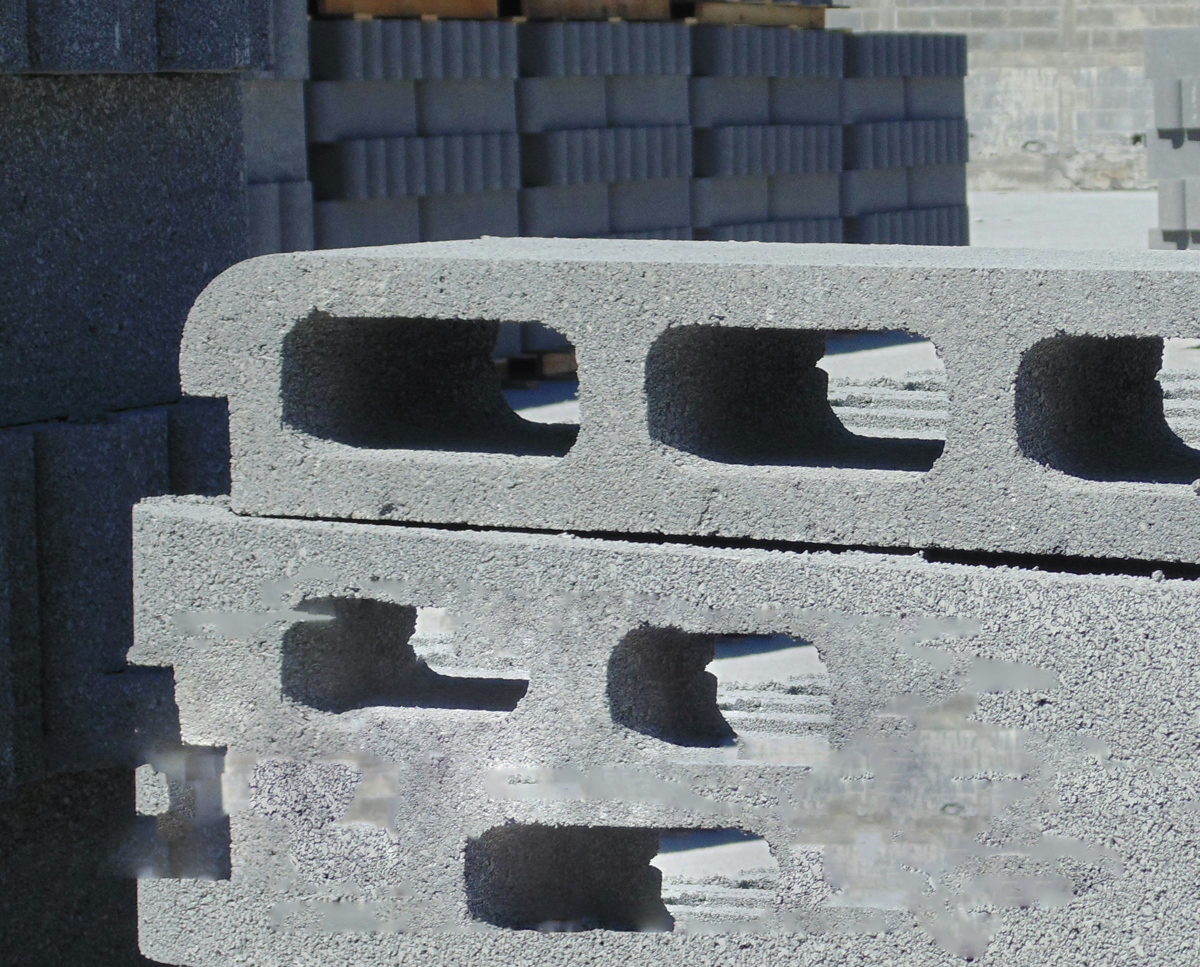
India’s construction sector is evolving with the adoption of Ready Mix Concrete, Precast Concrete and M-Sand—three game-changing materials that are redefining quality, speed and sustainability.
India’s construction industry is undergoing a transformative shift, driven by the adoption of innovative materials and technologies. Among these, Ready Mix Concrete (RMC), Precast Concrete Shapes, and Manufactured Sand (M-Sand) have emerged as pivotal components in modern construction practices. These materials not only enhance efficiency and quality but also align with sustainable development goals. This article delves into the current landscape, growth trajectories, and the integral role these materials play in shaping India’s infrastructural future.
RMC: Market overview
RMC is a tailor-made concrete mixture produced in batching plants under controlled conditions and delivered to construction sites in a ready-to-use form. This method ensures consistency, reduces waste and accelerates construction timelines.
The Indian RMC market is experiencing robust growth, propelled by rapid urbanisation, expansive infrastructure development, and a burgeoning construction sector across residential, commercial and industrial domains. Major infrastructure initiatives, such as the Bharatmala Pariyojana and the Smart Cities Mission, are significantly contributing to this upward trajectory. The market offers diverse product variants—including central mixed, shrink mixed and transit mixed concrete—to cater to varying project requirements, further fuelling its expansion. While challenges like fluctuating cement prices and raw material availability persist, the long-term outlook remains positive, especially with the government’s emphasis on sustainable infrastructure and the growing adoption of pre-fabricated construction techniques that align well with RMC applications.
The Indian RMC market is witnessing robust growth. According to Mordor Intelligence, the market size is estimated at 266.73 million cubic metres in 2025 and is expected to reach 373.26 million cubic metres by 2030, growing at a CAGR of 6.92 per cent during the forecast period.
Market segmentation indicates a strong dependence on infrastructure and residential sectors, with the commercial and industrial segments also witnessing considerable growth due to the expansion of manufacturing and logistics hubs. Key industry players, including UltraTech Cement and the Adani Group, are strategically enhancing their production capacities, investing in advanced technologies, and exploring innovative concrete solutions to meet the escalating demand. The presence of numerous smaller regional players further contributes to the market’s moderately concentrated structure, fostering competitive dynamics and innovation. This competitive landscape, combined with supportive government policies and increasing awareness of RMC’s benefits—such as consistent quality, time efficiency, and reduced on-site labour—positions the Indian RMC market for sustained growth in the coming years.
Advantages driving adoption
RMC is increasingly becoming the preferred choice in India’s construction industry due to its numerous advantages. Key benefits include enhanced quality control, time efficiency, environmental sustainability, and optimised labour utilisation. Produced in controlled environments, RMC ensures consistent quality and strength, reducing the variability associated with on-site mixing. Its ready-to-use nature accelerates construction timelines, while precise batching minimises material wastage, contributing to eco-friendly practices. Additionally, RMC reduces the need for extensive on-site labour, leading to cost savings and improved safety. These factors collectively drive the widespread adoption of RMC in various construction projects across India.
Ramesh Joshi, Business Head – RMC, Shree Cement, says, “A key advantage of RMC lies in its ability to reduce labour requirements and minimise material wastage. Its precise mix design enables accurate material estimation, helping contractors avoid over-ordering and surplus inventory, leading to better resource management and lower costs. RMC also contributes to a safer and more organised work environment by reducing dust, noise and handling risks. Its superior strength and durability ensure longer-lasting structures, lowering maintenance and repair expenses over time. By combining consistency, efficiency and safety, RMC has become an essential element in modern construction, driving better project outcomes and long-term value.”
• Quality assurance: RMC is produced in automated batching plants where raw materials are proportioned and mixed under stringent quality control measures. This process ensures uniformity and adherence to specified standards, resulting in high-strength and durable concrete. The controlled environment minimises human error and allows for the incorporation of admixtures to achieve desired properties. Such precision is challenging to replicate with on-site mixing, making RMC a reliable choice for projects requiring consistent quality.
Dr Lufti Ay, Co-Founder, Concrete Matrix, says, “Our concrete is self-compacting, which means it requires no vibration during placement—this not only makes application easier but also enhances uniformity. We offer very high early-strength concrete—achieving up to 50 MPa in just one day—and remarkable flexural tensile strength of up to 30 MPa within economical limits. More importantly, our concrete is robust. There’s no bleeding, no segregation, no voids. It’s clean, healthy concrete offered at very competitive prices. For instance, it can be used in high-rise buildings at a cost lower than traditional M30 or M35 concrete, while also reducing structural dimensions and rebar usage.”
- Time efficiency: The use of RMC significantly reduces construction time by eliminating the need for on-site mixing and preparation. Concrete is delivered ready for placement, allowing for immediate use and faster project progression. This efficiency is particularly beneficial for large-scale projects with tight deadlines, as it minimises delays and accelerates completion. Furthermore, the consistent quality of RMC reduces the likelihood of rework, contributing to overall time savings.
- Environmental benefits: RMC contributes to environmental sustainability by optimising resource utilisation and reducing waste. Precise batching minimises excess material usage, and the centralised production process allows for better control over emissions. Additionally, RMC plants often incorporate supplementary materials like fly ash and slag, which are industrial by-products, thereby reducing the reliance on virgin materials. The reduction in on-site mixing also decreases dust and noise pollution, creating a cleaner construction environment.
- Labour optimisation: By providing ready-to-use concrete, RMC reduces the need for extensive on-site labour dedicated to mixing and quality control. This not only lowers labour costs but also minimises the risk of accidents associated with manual handling of materials. The streamlined process allows for better allocation of workforce to other critical tasks, enhancing overall productivity. Moreover, the reduced dependency on skilled labour for mixing operations makes RMC an attractive option in regions facing labour shortages.
Challenges and opportunities
Despite its advantages, the adoption of RMC in India faces certain challenges. High initial investment costs for setting up batching plants and logistics infrastructure can be a barrier, especially for small-scale contractors. Additionally, the transportation of RMC requires efficient scheduling and coordination to prevent delays and ensure the concrete remains workable upon arrival. There is also a need for increased awareness and training among stakeholders to fully leverage the benefits of RMC.
However, these challenges present opportunities for innovation and growth. Advancements in technology can lead to more cost-effective production methods and improved logistics management. Government initiatives promoting sustainable construction practices can provide incentives for the adoption of RMC. Furthermore, the growing demand for high-quality infrastructure in India creates a favourable market for RMC, encouraging investment and expansion in this sector.
Sustainability in RMC
The sustainability of ready-mix concrete is increasingly under scrutiny, particularly due to the prevalent industry practice of overdesigning concrete mixtures. To mitigate risks associated with variable field conditions—such as inconsistent curing practices or the addition of excess water—producers often add more cement than necessary to ensure that the concrete achieves the desired strength. While this approach provides a safety buffer, it inadvertently leads to higher carbon emissions, as cement production is a significant source of CO2. This overdesign not only escalates environmental impact but also increases material costs, posing challenges to both sustainability and economic efficiency.
A report by Giatec Scientific Inc highlights that addressing this issue requires a shift towards performance-based specifications and the adoption of advanced technologies that enable precise monitoring and control of concrete properties. Tools such as maturity sensors and AI-driven mix optimisation platforms, allow for real-time data collection and analysis, facilitating the production of concrete that meets performance requirements without unnecessary overdesign. By leveraging these innovations, the industry can reduce cement usage, lower CO2 emissions, and enhance the overall sustainability of ready-mix concrete. This transition not only
aligns with environmental goals but also offers economic benefits by optimising material usage and reducing waste.
Precast concrete shapes:
Market dynamics
Precast concrete involves casting concrete elements in a controlled environment and transporting them to construction sites for assembly. This method enhances precision, reduces construction time, and improves overall project quality.
The Indian precast concrete industry is poised for significant growth, with the market projected to reach US$ 11.33 billion by 2030, expanding at a compound annual growth rate (CAGR) of 9.2 per cent from 2024 to 2030. This surge is driven by rapid urbanisation, increased infrastructure development, and a growing emphasis on sustainable construction practices. Precast concrete, known for its eco-friendly characteristics, can be made using recycled materials and has a reduced carbon footprint compared to traditional construction materials. This aligns well with the increasing adoption of green building practices and sustainable construction methods. Advancements in manufacturing technologies, such as automated production processes and innovative formwork systems like 3D Pod Moulds, have significantly improved the quality and efficiency of precast concrete production, further propelling market growth.
Structural building components dominate the product segment, accounting for 36.40 per cent of the market share in 2023, owing to their superior durability, faster installation process, and cost efficiency. The infrastructure segment leads the application category with a 41.47 per cent share, reflecting the increasing urbanisation and technological advancements in the sector. A notable development in the industry is Magicrete’s completion of India’s inaugural mass housing project in Ranchi in March 2024, utilising the 3D Modular Precast Construction System to deliver 1,008 units. This project exemplifies the efficiency and efficacy of modular precast technology in large-scale housing developments. Key players in the Indian precast concrete market include UltraTech Cement, Larsen & Toubro and Magicrete Building Solutions, among others, who are investing in advanced technologies and sustainable practices to meet the evolving demands of the construction industry.
Benefits fuelling growth
- Speed of construction: Simultaneous site preparation and component fabrication reduce project timelines.d to reach US$ 11.33 billion by 2030, growing at a CAGR of 9.2 per cent from 2024 to 2030.
- Enhanced durability: Controlled manufacturing conditions lead to higher quality and longevity.
- Reduced on-site labour: Minimises the need for skilled labour at construction sites.
- Sustainability: Less material wastage and reduced environmental impact.
Precast components are extensively used in:
- Residential buildings: walls, slabs and staircases.
- Commercial structures: beams, columns and facades.
- Infrastructure projects: bridges, tunnels and culverts.
The integration of Building Information Modeling (BIM) with precast technology is enhancing design accuracy and project coordination. Additionally, the use of high-performance concrete and advanced curing techniques is improving the quality and performance of precast elements.
Understanding M-Sand
Manufactured Sand (M-Sand) is produced by crushing hard granite stones, resulting in angular and cubical-shaped particles. It serves as a viable alternative to natural river sand, addressing the issues of sand scarcity and environmental degradation.
The Indian sand market, encompassing M-Sand, reached US$ 582.6 million in 2024 and is expected to grow at a CAGR of 5.10 per cent during 2025-2033.
Advantages over natural sand
- Consistency in quality: Controlled manufacturing ensures uniform particle size and shape.
- Environmental conservation: Reduces the need for river sand mining, preserving aquatic ecosystems.
- Cost-effectiveness: Proximity to construction sites lowers transportation costs.
- Enhanced strength: Angular particles improve the strength and durability of concrete.
Government initiatives promoting sustainable construction and restrictions on river sand mining are propelling the adoption of M-Sand. Additionally, standards set by the Bureau of Indian Standards (BIS) are ensuring the quality and reliability of M-Sand in construction.
Synergistic impact on the construction industry
The combined use of RMC, precast concrete and M-Sand is transforming construction methodologies in India. These materials complement each other, leading to:
- Accelerated project timelines: Prefabricated components and ready-to-use concrete reduce construction durations.
- Improved structural integrity: High-quality materials enhance the safety and longevity
of structures. - Sustainable practices: Reduced environmental impact through minimised waste and conservation of natural resources.
- Economic efficiency: Optimised resource utilisation and reduced labour costs lower overall project expenses.
Conclusion
India’s construction sector is swiftly evolving, driven by the integration of Ready Mix Concrete, Precast Concrete, and M-Sand—materials that deliver efficiency, sustainability, and superior quality. As urbanisation intensifies and infrastructure demands rise, these innovations are becoming indispensable for faster, greener, and more cost-effective construction. Backed by supportive policies, technological advancements, and strong market growth projections, they are not only reshaping how projects are
built but also reinforcing India’s commitment to sustainable development. The future of construction in India lies in embracing these transformative
solutions at scale.
– Kanika MathurG








Concrete
UltraTech Appoints Jayant Dua As MD-Designate For 2027
Executive named to succeed current managing director in 2027
Concrete
Merlin Prime Spaces Acquires 13,185 Sq M Land Parcel In Pune
Rs 273 crore purchase broadens the developer’s Pune presence
Concrete
Adani Cement and Naredco Partner to Promote Sustainable Construction
Collaboration to focus on skills, technology and greener practices


UltraTech Appoints Jayant Dua As MD-Designate For 2027

Merlin Prime Spaces Acquires 13,185 Sq M Land Parcel In Pune

Adani Cement and Naredco Partner to Promote Sustainable Construction

Operational Excellence Redefined!

World Cement Association Annual Conference 2026 in Bangkok
UltraTech Appoints Jayant Dua As MD-Designate For 2027
Merlin Prime Spaces Acquires 13,185 Sq M Land Parcel In Pune
Adani Cement and Naredco Partner to Promote Sustainable Construction
Operational Excellence Redefined!