

Concrete
From Clinker to Cement

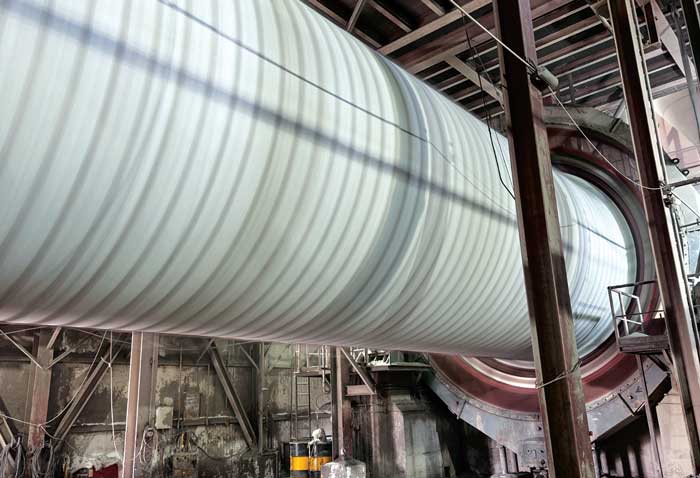
ICR explores the details of the grinding process, which is a critical stage in cement manufacturing, which significantly impacts the final product’s quality and characteristics. By finely grinding raw materials into clinker and mixing them with gypsum, cement manufacturers ensure the fineness and uniformity essential for strong and durable cement.
The grinding process is a critical stage in cement manufacturing, as it directly impacts the final product’s quality and characteristics. During this process, raw materials such as limestone, clay, and other additives are finely ground into a powder, known as clinker. This fine powder is then mixed with gypsum and other materials to form cement.
The quality of the grinding process determines the fineness and uniformity of the cement particles, which are crucial for the strength and durability of the final product. Proper grinding enhances the hydration rate of cement, leading to faster setting times and improved strength development. Additionally, efficient grinding reduces energy consumption and minimises production costs, making it a vital aspect of sustainable cement manufacturing.
Lokesh Chandra Lohar, General Manager – Technical and Executive Cell, Wonder Cement, says, “At Wonder Cement, our grinding processes are pivotal in ensuring high-quality cement production by utilising state of art technologies ex. Vertical Roller Mill (VRM), roller press with ball mill in combi circuit and finish mode grinding and high-efficiency classifier, have achieved optimal particle size distribution and energy efficiency.”
“Our commitment to sustainability is evident with usage of energy-efficient equipment, eco-friendly grinding aids and renewable energy sources. Continuous research and development efforts ensure we stay at the forefront of innovations, optimising our grinding operations and minimising impact on the environment,” he adds.
In cement manufacturing, the grinding process typically involves the use of mills to reduce the size of the clinker and other raw materials. The most commonly used mills are ball mills and vertical roller mills, although roller presses and other grinding technologies are also employed.
- Ball mills: These are traditional grinding systems where clinker and other materials are crushed and ground by rotating steel balls within a cylindrical drum. Ball mills are known for their robustness and ability to produce finely ground cement.
- Vertical roller mills: These mills use large rollers to crush the clinker and raw materials against a rotating table. They are energy-efficient and produce a more uniform particle size distribution, making them increasingly popular in modern cement plants.
- Roller presses: Often used in combination with ball mills, roller presses apply high pressure to the materials, resulting in finer grinding and energy savings.
The grinding process is typically controlled using sophisticated instrumentation and automation systems to ensure consistent quality and efficiency. By optimising the grinding process, cement manufacturers can enhance product performance, reduce environmental impact, and improve overall profitability.
“At UCWL, the main challenges in the grinding process include high energy consumption, maintaining consistent product fineness, and managing moisture content in raw materials. To address these issues, UCWL uses energy-efficient VRMs, optimising parameters and employing SMARTA control systems to reduce energy usage. Consistency in product fineness is achieved through the use of online and offline PHD analysers and real-time quality control measures. Additionally, proper mixing and covered storage of raw materials help minimise moisture variations, ensuring efficient and high-quality grinding,” says Manish Samdani, Head – Quality Control, Udaipur Cement Works Limited (UCWL).
“UCWL implements rigorous raw material testing and quality control procedures to ensure consistent feed quality. Real-time data is used to adjust process parameters, compensating for any variations in raw material properties. By addressing these challenges with advanced technologies, continuous monitoring, and strict quality control measures, UCWL maintains high efficiency and superior product quality in its grinding operations,” he adds.
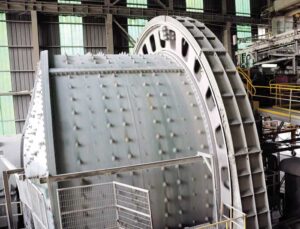
Modern control systems and automation optimise grinding
efficiency by enabling real-time adjustments to key
parameters, improving energy use and cement quality.
Energy efficiency in grinding
Grinding is one of the most energy-intensive processes in cement manufacturing, accounting for a significant portion of the overall energy consumption in a cement plant. The process involves reducing the size of clinker and other raw materials into a fine powder, which requires considerable mechanical energy. The efficiency of the grinding process directly influences the energy consumption, with traditional grinding technologies like ball mills typically consuming more energy compared to modern alternatives. As the cement industry faces increasing pressure to reduce its carbon footprint and operational costs, optimising energy consumption in grinding processes has become a key focus.
According to a report published by Cetin Hosten and Berkan Fidan at Science Direct, the electrical energy consumed in the conventional cement making process is typically 95 to 110 kWh per ton of cement. Almost 70 per cent of this electrical energy is used for comminution, which includes crushing and grinding of cement raw materials and clinker
grinding. The clinker grinding stage accounts for approximately 40 per cent of the electric energy consumed in cement production.
Several strategies can be employed to reduce energy usage in cement grinding processes. One effective approach is the adoption of advanced grinding technologies such as vertical roller mills (VRMs) and roller presses, which are known for their superior energy efficiency. These technologies not only reduce the energy required for grinding but also improve the quality and consistency of the cement. Additionally, process optimisation techniques, including the use of grinding aids and optimising the grinding media, can enhance grinding efficiency and reduce energy consumption. Implementing automated control systems and predictive maintenance can further minimise energy wastage by ensuring optimal operation and timely maintenance of equipment.
Anant Pokharna, CEO, Unisol Inc, says, “There is a significant free charge that gets built up on the clinker surface inside the cement mills as the particle size continues to go down. The particles reduce their free charge by agglomerating together, in turn increasing the energy requirements for achieving desired surface area of the final cement. Our grinding aids work on the principle of enhancing electrostatic repulsion and reducing Van der Waals forces as explained in the above query, too. This leads to reduction in energy considerations and significantly increased grindability inside the cement mill.”
“Not all grinding aids have a significant impact on powder fluidity of the resultant cement. We design certain formulations, which enhance the cement fluidity substantially, when the customer specifically asks for this property,” he adds.
Investing in energy-efficient grinding technologies offers numerous benefits for cement manufacturers. Firstly, it leads to significant cost savings by reducing energy bills, which is particularly important in a highly competitive industry. Secondly, improved energy efficiency contributes to a lower carbon footprint, aligning with global sustainability goals and regulatory requirements. Furthermore, energy-efficient grinding technologies often provide better control over product quality, resulting in more consistent and high-performance cement products. Overall, these technologies enhance the operational efficiency and environmental sustainability of cement
plants, making them a vital component of modern cement manufacturing.
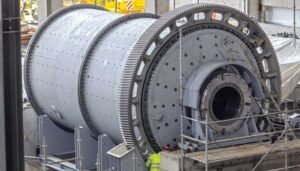
Adopting advanced technologies like VRMs and roller presses enhances energy efficiency and improves cement quality.
Process optimisation in cement grinding
Process optimisation in cement grinding is crucial for enhancing efficiency, reducing energy consumption, and improving the overall quality of the final product. This involves fine-tuning various parameters and employing advanced technologies to maximise the performance of grinding systems.
One key aspect of process optimisation is the selection and maintenance of grinding media and equipment. The choice of grinding media, such as steel balls or ceramic beads, can significantly impact the grinding efficiency and energy consumption. Properly maintaining and regularly replacing worn-out grinding media ensures optimal grinding conditions and prevents unnecessary energy losses.
The use of modern control systems and automation also plays a vital role in optimising the grinding process. These systems allow for real-time monitoring and adjustment of key parameters, such as mill speed, pressure, and material feed rates. By continuously analysing the grinding conditions and making precise adjustments, these systems can optimise the grinding efficiency, reduce energy consumption, and maintain consistent product quality.
Additionally, employing grinding aids can enhance the grinding efficiency. These chemical additives reduce the energy required for grinding
by preventing the agglomeration of particles and improving the flowability of the material. This results in a finer and more uniform product, with potential cost savings due to reduced energy use and increased mill throughput.
Process optimisation in cement grinding is a multi-faceted approach that requires careful consideration of equipment, materials, and operational strategies. By focusing on these aspects, cement manufacturers can achieve significant improvements in productivity, energy efficiency, and product quality, ultimately enhancing their competitiveness in the market.
Grinding aids and additives
Grinding aids are chemical additives used in the cement manufacturing process to enhance the grinding efficiency of the mill and improve the quality of the final product. The primary purpose of these additives is to reduce the energy required for grinding, thus lowering production costs. Grinding aids work by preventing the agglomeration of cement particles, which can otherwise form coatings on the grinding media and mill liners, reducing grinding efficiency. Common types of grinding aids include glycols, alkanolamines, and phenol-based compounds. These chemicals are typically added in small quantities, ranging from 0.01 to 0.1 per cent of the total weight of the materials being ground.
The use of grinding aids significantly impacts the grinding process and the quality of the cement produced. By preventing particle agglomeration, grinding aids improve the mill’s efficiency, allowing for finer grinding and a more uniform particle size distribution. This results in a more reactive cement, which can enhance the strength and durability of the final product. Additionally, grinding aids can reduce the energy consumption of the grinding process, leading to cost savings and a lower environmental footprint. However, it is crucial to select appropriate grinding aids and dosage levels, as excessive use can lead to negative effects, such as reduced workability or setting time of the cement.
Recent advancements in grinding aid technology have focused on developing more efficient and environmentally friendly additives. These advancements include the use of bio-based grinding aids, which are derived from renewable resources and have a lower environmental impact compared to traditional chemicals. Additionally, new formulations are being developed to improve specific properties of cement, such as reducing the water demand or enhancing sulfate resistance. The ongoing research and development in this field aims to create grinding aids that not only improve grinding efficiency and cement quality but also contribute to sustainable manufacturing practices in the cement industry.
Quality control in grinding
The quality of cement is heavily influenced by the grinding process, with key parameters such as fineness and particle size distribution playing a crucial role. Fineness, measured by the specific surface area, determines the reactivity of the cement; finer cement particles have a larger surface area that can react more quickly with water, enhancing the strength and setting characteristics of the cement. Particle size distribution (PSD) is equally important, as it affects the workability, strength development, and durability of the cement. A well-graded PSD ensures a balance between the early strength gain and long-term durability, minimising issues such as excessive water demand or poor cohesion in the mix.
Lab testing and quality control measures are essential in monitoring and ensuring the consistency of cement quality. During grinding, samples are regularly taken and tested for parameters like fineness, PSD, and chemical composition. Advanced techniques, such as laser diffraction analysis, are used to precisely measure particle sizes and distributions. In addition to physical testing, chemical analysis is conducted to ensure the correct proportion of clinker, gypsum, and other additives, which directly influence the performance characteristics of the cement. Quality control measures also involve continuous monitoring of the grinding process, adjusting operating conditions to maintain optimal grinding efficiency and product consistency.
Ensuring consistency in cement quality is critical for maintaining customer satisfaction and meeting industry standards. This involves implementing robust quality assurance systems that include standard operating procedures, regular equipment maintenance, and staff training. Automated control systems can also be used to regulate the grinding process in real time, adjusting parameters such as mill speed, feed rate, and temperature to maintain consistent product characteristics. By rigorously adhering to quality control protocols, manufacturers can produce cement with consistent performance characteristics, ensuring reliability and trustworthiness in their products. This consistency is vital for building materials, where uniformity in cement quality can significantly impact the safety and durability of construction projects.
Conclusion
The grinding process is a fundamental aspect of cement manufacturing that significantly influences the quality, efficiency, and sustainability of the final product. The choice of grinding mills, such as ball mills, vertical roller mills, and roller presses, plays a crucial role in determining the energy consumption and fineness of the cement produced. Grinding aids and additives further enhance the efficiency of the grinding process, enabling finer and more uniform particle size distribution, which is essential for achieving desired cement properties.
Quality control measures, including rigorous lab testing and process monitoring, are indispensable for ensuring consistent cement quality. By focusing on parameters like fineness and particle size distribution, manufacturers can optimise the reactivity and performance of their products. The use of advanced technologies and automation in process optimisation not only improves grinding efficiency but also reduces energy consumption and environmental impact.
Overall, a comprehensive approach to grinding in cement manufacturing—incorporating advanced technologies, quality control measures, and sustainable practices—ensures that the industry meets the growing demands for high-quality, durable and environmentally friendly construction materials. As the industry continues to evolve, ongoing research and innovation in grinding processes and technologies will be key to maintaining competitiveness and sustainability in the global market.
– Kanika Mathur









Concrete
Cement Prices Likely to Rise Rs. 10-15 per Bag from Mid-October
Input costs and steady demand may drive cement price increases


Concrete
Nuvoco Marks 10 Years, Targets 35 MMTPA Capacity by FY28
Nuvoco celebrates a decade of growth, targeting 35 MMTPA cement capacity by FY28.

Concrete
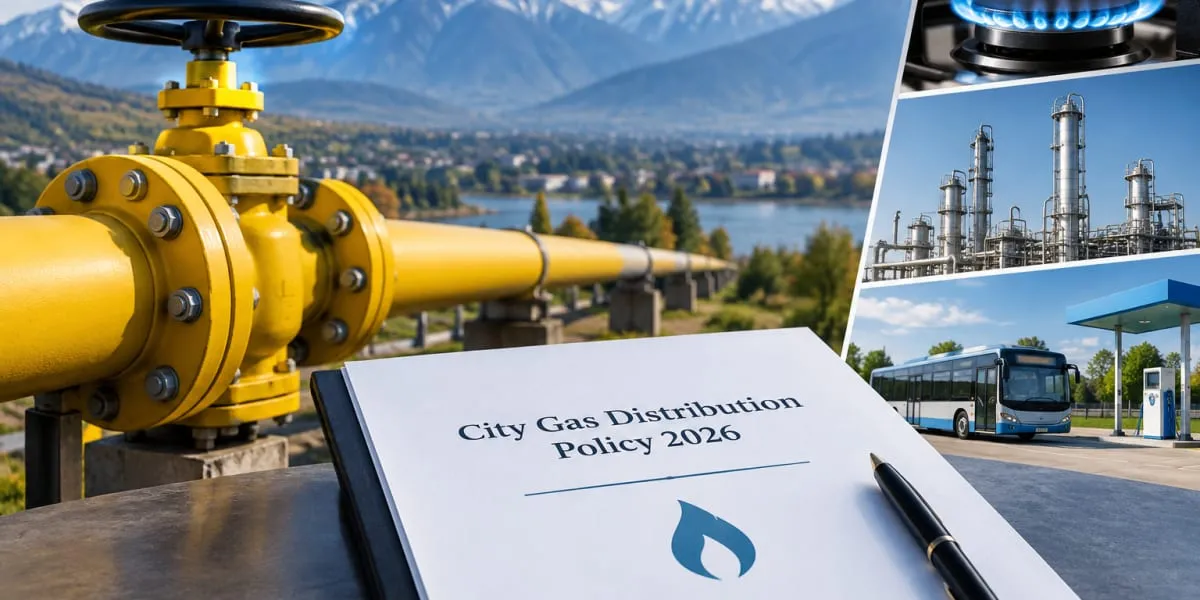
J&K Government Notifies City Gas Distribution Policy
Policy targets PNG and CNG expansion across all 20 districts


Cement Prices Likely to Rise Rs. 10-15 per Bag from Mid-October

Nuvoco Marks 10 Years, Targets 35 MMTPA Capacity by FY28

J&K Government Notifies City Gas Distribution Policy

JSW Cement Commissions 1 MTPA Grinding Unit at Nagaur

JSW Cement Commissions 1 MTPA Unit in Rajasthan
Cement Prices Likely to Rise Rs. 10-15 per Bag from Mid-October
Nuvoco Marks 10 Years, Targets 35 MMTPA Capacity by FY28
J&K Government Notifies City Gas Distribution Policy
JSW Cement Commissions 1 MTPA Grinding Unit at Nagaur
JSW Cement Commissions 1 MTPA Unit in Rajasthan
-

 Concrete3 weeks ago
JSW Cement Receives Rs. 2.3 bn GST Demand Notice
-

 Concrete3 weeks ago
Andhra Pradesh Clears Rs. 30 bn My Home Cement Plant
-

 Concrete4 weeks ago
Jammu Division Begins First Cement Rail Traffic to Anantnag
-

 Concrete3 weeks ago
Montra Electric, Wonder Cement Deploy 250-Vehicle EV Fleet