Piyush Joshi, Associate Vice President – Systems and Technical Cell, Wonder Cement, talks about the pivotal role of advanced gears, drives and motors in optimising the efficiency and reliability of their cement manufacturing plant.
How do advancements in gear technology impact the efficiency and performance of cement manufacturing processes?
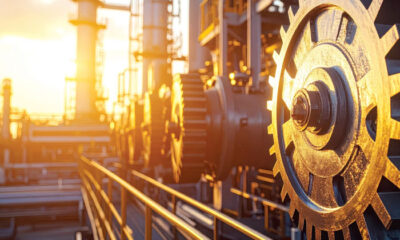
Advancements in gear technology have significantly enhanced the efficiency and performance of cement manufacturing processes at Wonder Cement. Modern gears, crafted from high-strength alloys and featuring advanced surface treatments, offer superior durability and wear resistance. This results in reduced friction and energy loss, allowing for more efficient power transmission. Precision engineering and innovative designs enable gears to handle higher loads with greater reliability, minimising downtime and maintenance costs. By integrating these state-of-the-art gear systems, Wonder Cement achieves optimal operational performance, ensuring that our production lines run smoothly and efficiently. The improved efficiency not only lowers energy consumption but also contributes to a more sustainable manufacturing process, aligning with our commitment to environmental stewardship and operational excellence. The incorporation of advanced technologies, including artificial intelligence (AI) and machine learning (ML), represents a significant innovation in the cement industry. At Wonder Cement, these state-of-the-art tools have been instrumental in optimising operations, reducing energy consumption and enhancing overall productivity.
What are the most common types of drives used in cement plants, and how do they contribute to operational reliability?
At Wonder Cement, the most common types of drives used in our cement plants are variable frequency drives (VFDs) and gear drives. VFDs are integral for their ability to precisely control motor speed and torque, optimising the performance of various equipment such as conveyors, crushers, and grinders. This control enhances energy efficiency and ensures that machinery operates within optimal parameters, reducing wear and tear. Gear drives, known for their robustness, provide the necessary torque multiplication to handle heavy loads typical in cement production. Their design prioritises durability and reliability, minimising downtime and maintenance needs.
By employing these advanced drives, Wonder Cement achieves exceptional operational reliability, ensuring consistent production, meeting targets, and maintaining high-quality standards. This focus on reliable drives is crucial for sustaining our competitive edge and operational excellence in the demanding cement manufacturing environment.
Explain the role of motors and their specifications in cement production.
In cement production, motors are crucial as they drive key processes such as raw material handling, crushing, grinding and kiln rotation. The performance and efficiency of these motors directly influence the plant’s overall productivity. High-efficiency motors reduce energy consumption and operational costs, enabling the plant to operate sustainability and economically. Motor specifications, such as power rating, efficiency class and thermal management capabilities, are essential for ensuring consistent and reliable operation under demanding conditions.
We prioritise motors with high power density and superior thermal properties to maintain optimal performance, even in harsh environments. By selecting motors that meet these stringent specifications, we enhance the efficiency, reliability, and longevity of our equipment, ensuring that our cement production processes run smoothly and efficiently, ultimately contributing to our commitment to quality and operational excellence.
How do you ensure the longevity and durability of gears in the harsh conditions typical of cement manufacturing?
Ensuring the longevity and durability of gears in the harsh conditions of cement manufacturing is a priority for us. We utilise high-strength alloy gears and apply advanced surface treatments to enhance their wear and corrosion resistance. Our maintenance strategy includes regular lubrication with high-quality lubricants and adherence to strict preventive maintenance schedules.
We have adopted the total lubrication concept for maintaining world class lubrication practices. Routine inspections help identify potential issues early, allowing for timely interventions. We also invest in advanced gear monitoring systems that continuously track performance and wear, enabling predictive maintenance. This proactive approach not only extends the lifespan of our gears but also minimises downtime and maintenance costs, ensuring uninterrupted and efficient plant operations. Through these comprehensive measures, we uphold the reliability and durability of our gears, maintaining optimal performance even in the most demanding environments.
What are the key factors to consider when selecting drives and motors for different stages of the cement production process?
When selecting drives and motors for different stages of the cement production process at Wonder Cement, several key factors must be considered to ensure optimal performance and efficiency. Firstly, load requirements are crucial – motors and drives must be capable of handling the specific loads of each stage, from raw material extraction to final grinding. The operating environment is another critical factor, as equipment must withstand harsh conditions like high temperatures and dust.
Energy efficiency is paramount to reduce operational costs and environmental impact. Compatibility with existing systems ensures seamless integration and smooth operations. Additionally, maintenance needs should be evaluated to minimise downtime and prolong equipment lifespan. Lastly, reliability and durability are essential to ensure continuous production without frequent breakdowns. By meticulously assessing these factors, Wonder Cement ensures that each drive and motor selection supports robust, efficient and reliable cement manufacturing processes.
How does the maintenance of gears, drives, and motors affect the uptime and productivity of a cement plant?
The maintenance of gears, drives and motors is pivotal to maximising uptime and productivity in our cement plant. Regular maintenance ensures that these critical components operate efficiently, preventing unexpected breakdowns that can halt production and cause costly delays. By implementing a proactive maintenance strategy, including predictive maintenance techniques, we can identify potential issues before they escalate, allowing for timely repairs and replacements. This approach minimises unscheduled downtime, enhances the reliability of our equipment, and extends its lifespan. Consequently, our cement plant maintains a high level of operational efficiency, consistently meeting production targets and maintaining product quality. Ultimately, meticulous maintenance of gears, drives, and motors is integral to sustaining the seamless and productive operations that define Wonder Cement’s commitment to excellence.
What are the challenges faced in integration of modern motors into existing cement manufacturing infrastructure?
Integrating modern motors into existing cement manufacturing infrastructure presents several challenges. Compatibility with older systems, space constraints, and the need for extensive rewiring are significant issues. Modern motors often require different control systems and may not fit into the existing space configurations. Moreover, the integration process can disrupt ongoing operations, leading to potential downtime and production losses. However, the benefits of modern motors, including improved efficiency and performance, outweigh these challenges.
We address these challenges through careful planning, meticulous execution and thorough testing, ensuring a seamless transition that minimises disruption and maximises the long-term benefits of the upgraded infrastructure.
How important is the alignment and synchronisation of gears and drives in ensuring the smooth operation of cement production equipment?
The alignment and synchronisation of gears and drives are paramount in ensuring the smooth operation of cement production equipment. Proper alignment ensures that power is transmitted efficiently, minimising energy loss and reducing wear on components. Synchronisation guarantees that all moving parts work together harmoniously, preventing issues such as vibration and premature failure.
We prioritise precision alignment and synchronisation to maintain the reliability and efficiency of our production processes. Our gears and drives are accurately aligned and synchronised, and we are able to minimise downtime, maximise productivity and uphold the highest standards of operational excellence.
What role does predictive maintenance play in managing the performance and lifespan of gears, drives and motor?
Predictive maintenance plays a crucial role in managing the performance and lifespan of gears, drives, and motors in the cement industry. By leveraging advanced monitoring technologies and data analytics, Wonder Cement predicts potential failures and schedule maintenance proactively. This approach helps to minimise unexpected downtime, reduce maintenance costs, and optimise the overall productivity of our cement plants. With predictive maintenance, we can detect issues before they escalate, allowing us to address them efficiently and effectively, thus ensuring that our gears, drives, and motors operate at their peak performance levels for extended periods, ultimately enhancing the lifespan of these critical components.
In conclusion, gears, drives and motors are the backbone of Wonder Cement’s manufacturing process. Through continuous advancements, meticulous selection, and proactive maintenance, we ensure that our operations run smoothly, efficiently and reliably, meeting the demands of the modern cement industry.
– Kanika Mathur


















 Concrete4 weeks ago
 Concrete2 weeks ago
 Concrete2 weeks ago
 Concrete4 weeks ago