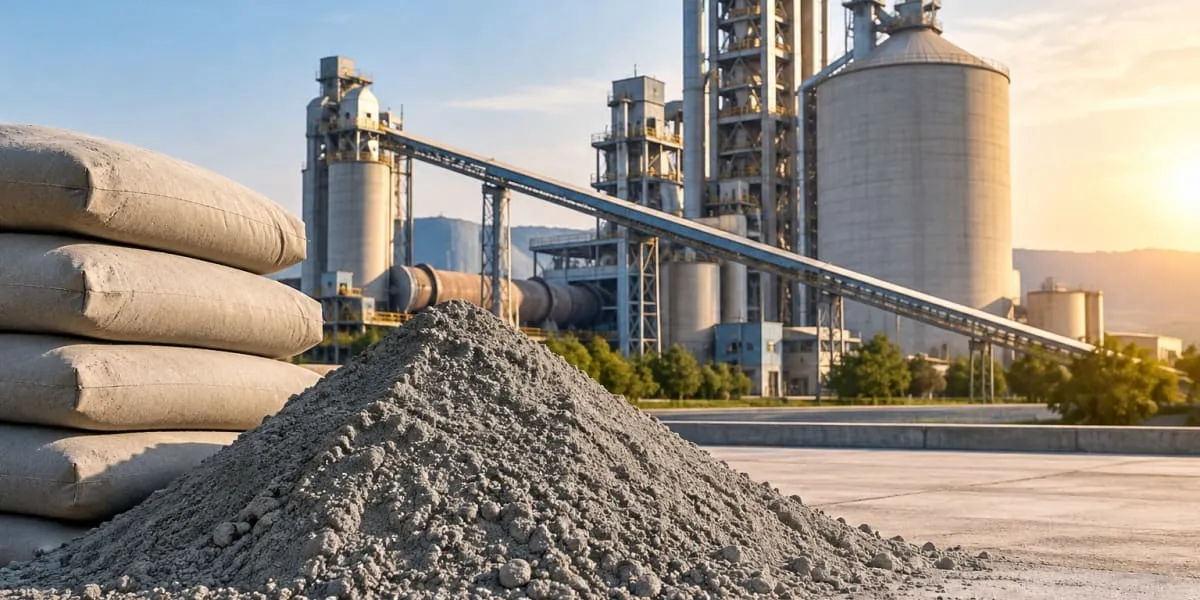
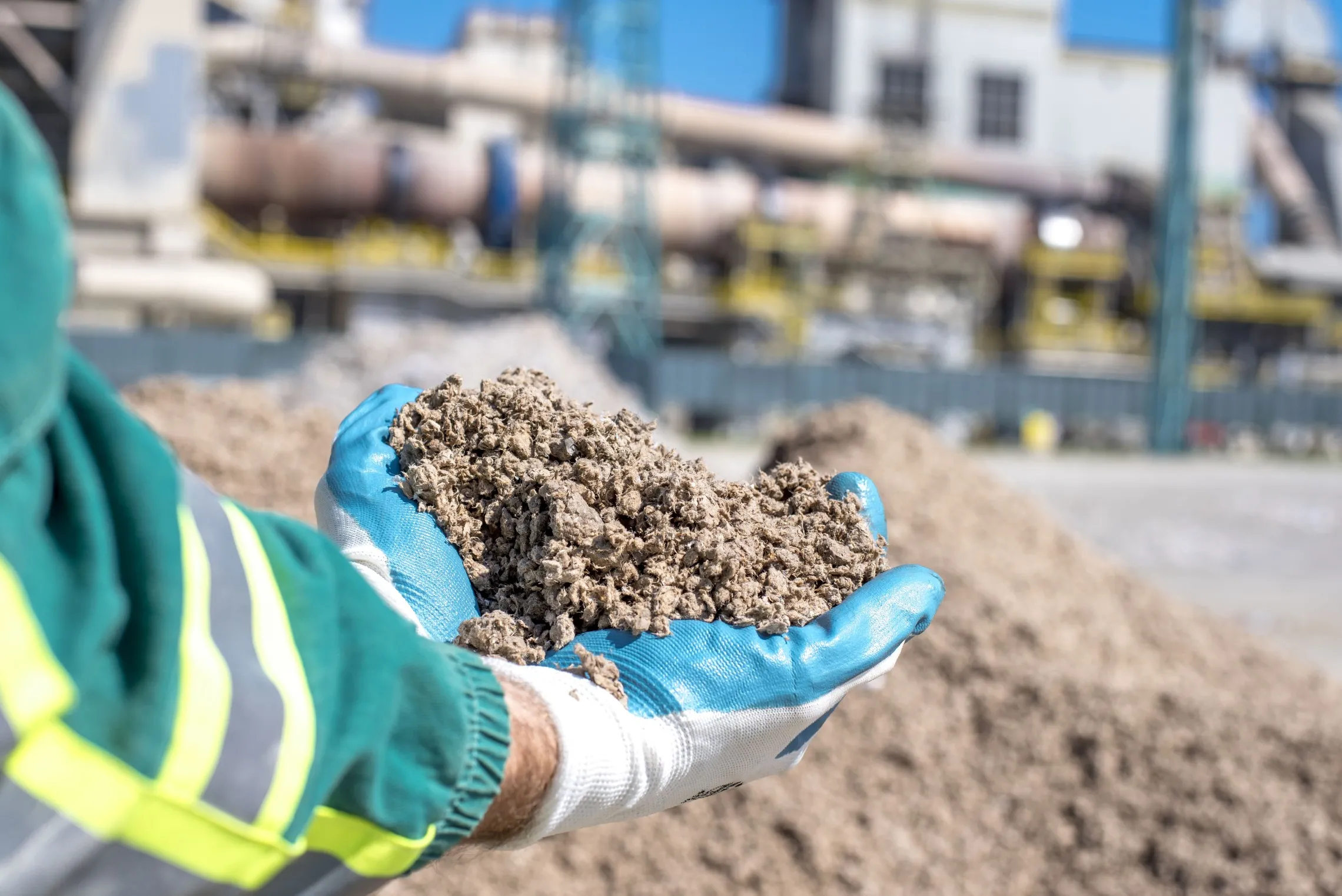
Keeping a close eye on the use of alternative fuels and raw materials (AFR) in cement manufacturing, we delve into the progress made by key players in increasing the use of AFR by using advanced automation, technology and innovative practices.
Cement plays a vital role in building the economic development of any country. The Indian cement industry is the largest cement producing country in the world, next only to China. With the adoption of massive modernisation and assimilation of state-of-the-art technology, Indian cement plants are today the most energy-efficient and environment-friendly and are comparable to the best in the world in all respects, whether it is size of the kiln, technology, energy consumption or environment-friendliness. The cement industry contributes to environmental cleanliness by consuming hazardous wastes like fly ash (around 30 Mnt) from thermal power plants and the entire 8 Mnt of granulated slag produced by steel manufacturing units and also using alternative fuels and raw materials using advanced and environment friendly technologies.
At present, the installed capacity of cement in India is 500 MTPA with production of 298 million tonnes per annum. Majority of the cement plants installed capacity (about 35 per cent) is located in the states of south India. In PAT scheme, total installed capacity of cement in India is 325 MTPA, which contributes to 65 per cent coverage of total installed capacity in India. With the increase in growth of infrastructure, the cement production in India is expected to be 800 million tonnes by 2030, according to the Bureau of Energy Efficiency, India.
With over 7 per cent of global CO2 emissions, decarbonisation of the cement industry will play a key role in achieving the Paris Climate Agreement targets. The deep decarbonisation of the cement industry can be achieved through measures such as material efficiency, clinker substitution, alternative binding materials, carbon capture and storage, energy efficiency improvements, electrification and the use of alternative fuels.
According to the World Economic Forum report Net-Zero Industry Tracker 2023, Absolute CO2 emissions declined by less than 1 per cent over the last four years amid increases in global production. Emissions intensity remained static over the same time period despite a 9 per cent rise in the clinker-to-cement ratio. The average ratio is currently 72 per cent, while the proposed GCCA target is 56 per cent. The twin forces of urbanisation and population growth are driving cement consumption in China (51 per cent global demand) and India (9 per cent global demand), which necessitates accelerated action to decarbonise the sector to mitigate the impacts of increased production.
According to Dr Anjan K Chatterjee, Managing Director, Conmat Technologies, “Among the industrial activities, the production of Portland cement ranks high in generating CO2, creating up to 8 per cent of worldwide man-made emissions of this gas. This is identified as a major contributor to the probable rise in average global temperature exceeding 20oC. In recent years, a school of thought has emerged whether it is justified to consider the amount of CO2 emitted directly from the cement manufacturing process as the total cement industry emissions to affect the global temperature rise. This is due to the fact that cement is used mainly in the form of concrete, mortar and plaster in built structures, which over time undergo carbonation involving reverse penetration of CO2. The knowledge about carbonation of existing concrete structures is well-established. The CO2 uptake by the cement-based products including concrete has not been considered historically in the CO2 estimation for climate change.
Furthermore, there are many technologies in development, which promise significant potential of enhancing the recycling of CO2 in concrete and cement-based products. Thus, it seems justified to consider that, while the cement production is a carbon source, the cement-based products may act as carbon sinks. The concept of concrete as a carbon sink will be a game-changer for the cement and concrete industry as a whole for improving the climate performance of the sector.
TRADITIONAL RESOURCES
Traditional fuels and raw materials play a pivotal role in the cement production process. Commonly used fuels include coal, petroleum coke and lignite, which are primarily utilised to generate the high temperatures required for clinker production in cement kilns. These fossil fuels have been the go-to choices due to their availability and relatively low cost, but their usage raises concerns about environmental pollution and carbon emissions. Conventional raw materials used in cement production in India typically include limestone, clay and iron ore. Limestone serves as the primary source of calcium, essential for the formation of clinker, while clay provides silica, alumina, and iron oxide. Iron ore acts as a source of iron oxide, which contributes to the cement’s strength and colour.
Hari Mohan Bangur, Managing Director, Shree Cement, says, “The major raw material used for manufacturing of cement is limestone at our plants. There is not a lot of variation done in the use of alternative materials for cement manufacturing.”
“However, if we consider alternative fuels, Shree Cement was the first to use pet coke, which in today’s time is not an alternative fuel. We use a small quantity of Refuse Derived Fuel (RDF) and more quantities of agro waste as an alternative fuel. We burn hundreds of tonnes of agro waste as an alternative fuel in our plants,” he adds.
Relying solely on traditional fuels and raw materials poses environmental challenges, including air pollution, greenhouse gas emissions, and depletion of natural resources. To address these issues, the Indian cement industry is increasingly exploring alternative fuels such as biomass, waste-derived fuels, and alternative raw materials like industrial by-products and agricultural wastes. Adopting alternative fuels and raw materials not only helps reduce the environmental footprint of cement production but also enhances resource efficiency and promotes sustainable development. As the industry continues to evolve, the integration of alternative fuels and raw materials is becoming increasingly important for ensuring the long-term viability and sustainability of the Indian cement sector.
THE SHIFT TOWARDS AFR
The Indian cement industry is undergoing a significant transformation as it shifts towards alternative fuels and raw materials, marking a pivotal transition towards sustainability and environmental responsibility. This shift is primarily driven by a growing recognition of the environmental challenges associated with conventional cement production, including air pollution, greenhouse gas emissions, and depletion of natural resources. Moreover, stringent regulations and evolving market dynamics are compelling cement companies to seek greener and more sustainable production practices.
According to a report An Overview of the Utilization of Common Waste as an Alternative Fuel in the Cement Industry by Hindwai, concrete is one of the most commonly used construction materials, there is a massive production of cement, which causes cement manufacturing to be an energy-intensive industry. A significant amount of the cost of cement production, ranging from 20 per cent to 25 per cent, is attributed to thermal energy. In addition, the action of mining and burning fossil fuels results in the unfavorable emission of hazardous compounds into the environment. Therefore, the switch from conventional fossil fuels to alternative fuels in the cement manufacturing business has attracted attention due to environmental and financial concerns.
There are four commonly used alternative fuels, which are waste tires, municipal solid waste, meat and bone meal and sewage sludge. It is found that each alternative fuel has a unique calorific value and properties, attributed to its source, treatment and technology. Furthermore, the availability of alternative fuel is important as the amount varies depending on the location. In addition, their effects on gaseous emissions from the cement plant and the quality of clinker are found to be inconsistent. Thus, there will not be a single best type of alternative fuel option to be used in the cement industry. A good alternative fuel should be able to provide sufficient thermal energy while reducing the environmental impacts and costs. A careful analysis and multicriteria decision-making approach are always vital when employing alternative fuels to prevent environmental problems, cost increases, as well as clinker quality degradation.
One of the key drivers behind this transition is the adoption of alternative fuels, which offer several advantages over traditional fossil fuels. Biomass, waste-derived fuels, industrial by-products, and even tires are being utilised as viable substitutes, providing cost savings, reducing dependency on finite resources, and diverting waste from landfills. Simultaneously, there is a concerted effort to explore alternative raw materials that can supplement or replace traditional inputs like limestone and clay. Industrial by-products, such as fly ash, slag, and silica fume, are increasingly being utilised in cement production, not only reducing the reliance on virgin resources but also mitigating the environmental impact of waste disposal.
Sanjay Joshi, Chief Projects and Manufacturing Officer, Nuvoco Vistas Corp, says, “The selection of AFR for usage in a cement kiln involves a thorough assessment of their potential impacts on clinker and cement manufacturing operations, product quality and the environment. Several important factors must be considered before finalising the choice of AFR.”
“Among these, key parameters include alkali, sulphur, chloride, trace element content, heat (calorific) value and moisture content. Regular reviews of the acceptance criteria are conducted in accordance with local regulations to ensure ongoing alignment with environmental standards and manufacturing requirements. This comprehensive evaluation process ensures that the selected AFR optimally contributes to the cement kiln process while minimising adverse effects on both the product and the surrounding environment,” he adds.
Murielle Goubard, Global Sector Manager for Building Materials, Malvern Panalytical, mentions to AZoMaterials, “For over 40 years, cement manufacturers have been working to reduce their environmental impact, particularly their CO2 emissions. To achieve this, several actions have been taken like Improving the energy efficiency of kilns and processes, using alternative fuels (industrial residues, biomass, etc.) to partially replace the fossil fuels used to power cement kilns, using alternative raw materials and manufacturing new multi-constituent cements (combining clinker with slag, fly ash, calcined clay, limestone, etc.) and reducing the clinker content plays a crucial role in mitigating the environmental impact of concrete production. Traditional cements like Portland cement and Portland-composite cement typically contain over 95 per cent and 65 per cent clinker, respectively. These high clinker ratios contribute significantly to the environmental footprint of concrete.”
“To address this issue, supplementary cementitious materials like fly ash from coal power plants and blast furnace slag from steel making can be used to partially replace clinker. This substitution not only reduces the energy required for clinker production but also mitigates process emissions associated with clinker manufacturing. However, the availability of these alternative feedstocks depends on the decarbonisation efforts in the power and steel sectors. As these industries transition to cleaner practices, these feedstocks may become scarcer. This has led to the emergence of innovative cement types
like LC3 (limestone calcined clay cement). LC3 comprises 50 per cent clinker, 30 per cent calcined clay, 15 per cent limestone, and 5 per cent gypsum, in contrast to classical Ordinary Portland cement, which consists of 95 per cent clinker and 5 per cent gypsum,” he added.
The Indian cement industry’s embrace of alternative fuels and raw materials reflects a broader commitment to sustainability, circular economy principles, and compliance with global environmental standards. This transition not only enhances the industry’s environmental credentials but also fosters innovation, resource efficiency, and long-term resilience in the face of evolving market dynamics and regulatory pressures.
Pankaj Kejriwal, Whole Time Director and COO, Star Cement, says, “The use of AFR in the cement industry has a bright future. Due to scarcity of fossil fuel, it is the need of the century to increase the use of AFR. All cement industry globally is in line with it and is continuously working towards maximising use of AFR. This will help the society to decrease waste dump in soil and reduce emission of CO2 and NOx in the environment. In some cement industries in ASIA pacific and Europe, they are taking it as a CSR (corporate social responsibility) to clean the environment. In India, too, the Government is encouraging use of MSW in cement plants. Our organisation is also aligned in the same path. After commissioning of our AFR feeding system, we also have a way forward towards the usage of AFR in our cement plant and have a target of 15-20 per cent TSR by 2026 depending on the availability in the northeast.”
USE OF TECHNOLOGY IN AFR
Automation and technology are instrumental in facilitating the adaptation of alternative fuels and raw materials in the Indian cement industry. These advancements optimise the manufacturing process by enabling precise control and monitoring of parameters such as temperature, pressure, and composition in real-time. Automated systems streamline the blending, handling and feeding of diverse alternative fuels to the kiln, ensuring efficient utilisation while minimising manual intervention. Additionally, automation plays a vital role in maintaining product quality and consistency by monitoring raw material composition and emissions in real-time, thereby enhancing reliability and reducing environmental impact. Furthermore, automation platforms
equipped with data analytics capabilities enable the identification of optimisation opportunities and the improvement of process efficiency, contributing to sustainability and competitiveness in cement manufacturing operations.
Sunil Kumbhar, CEO and Director, AltSF Process, says, “Handling alternative fuels, specifically these days, unprocessed municipal solid waste coming to cement plants is of very hazardous nature. Bad odour, unhygienic waste has a hazard to deploy people to work in handling these materials. Hence, cement plants require fully automated arrangements monitored from their control room for all operations. AltSF delivers fully automated arrangements for all handling stages like storage management, extraction of waste, accurate weighing, conveying and safe feeding inside the kiln.”
ENVIRONMENTAL IMPACT OF AFR
The use of alternative fuels and raw materials in the Indian cement industry significantly impacts the environment by reducing carbon emissions, conserving natural resources, mitigating waste generation and promoting the circular economy.
By substituting traditional fossil fuels with cleaner alternatives like biomass and waste-derived fuels, the industry can lower its carbon footprint and contribute to climate change mitigation. Moreover, incorporating alternative raw materials such as industrial by-products and agricultural residues reduces reliance on virgin resources, minimising environmental degradation associated with extraction activities.
Waste-derived fuels not only divert materials from landfills but also provide a sustainable solution for waste disposal while generating energy. This shift towards alternative fuels and raw materials promotes a circular economy by repurposing waste materials as valuable resources in industrial processes, fostering resource efficiency, reducing environmental impact, and contributing to sustainable development.
CONCLUSION
The Indian cement industry’s adoption of alternative fuels and raw materials reflects a commitment to environmental stewardship and sustainability, with positive implications for air quality, resource conservation, waste management, and the promotion of circular economy principles. The industry is reducing its carbon footprint, conserving natural resources, mitigating waste generation and promoting circular economy principles.
Automation and technology play a critical role in facilitating this transition, optimising processes, ensuring product quality and enhancing operational efficiency. The adoption of alternative fuels and raw materials not only aligns with global efforts to combat climate change but also fosters innovation, resilience, and competitiveness in the Indian cement sector. Moving forward, continued investment in research, technology and collaborative initiatives will be essential to drive further progress towards a greener, more sustainable future for the Indian cement industry and the environment as a whole.