Connect with us

Concrete

Technology can be used to enhance operational efficiency

Published

on

Shares

Pukhraj Sethiya, Chief Operating Office, ReVal Consulting, discusses the role of technology in making mining a more sustainable activity.

Tell us about the process of mining limestone. How does it impact the environment?
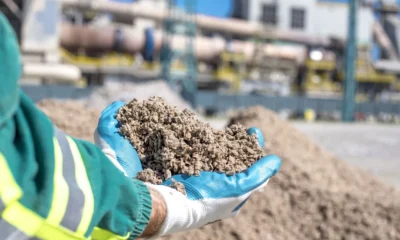
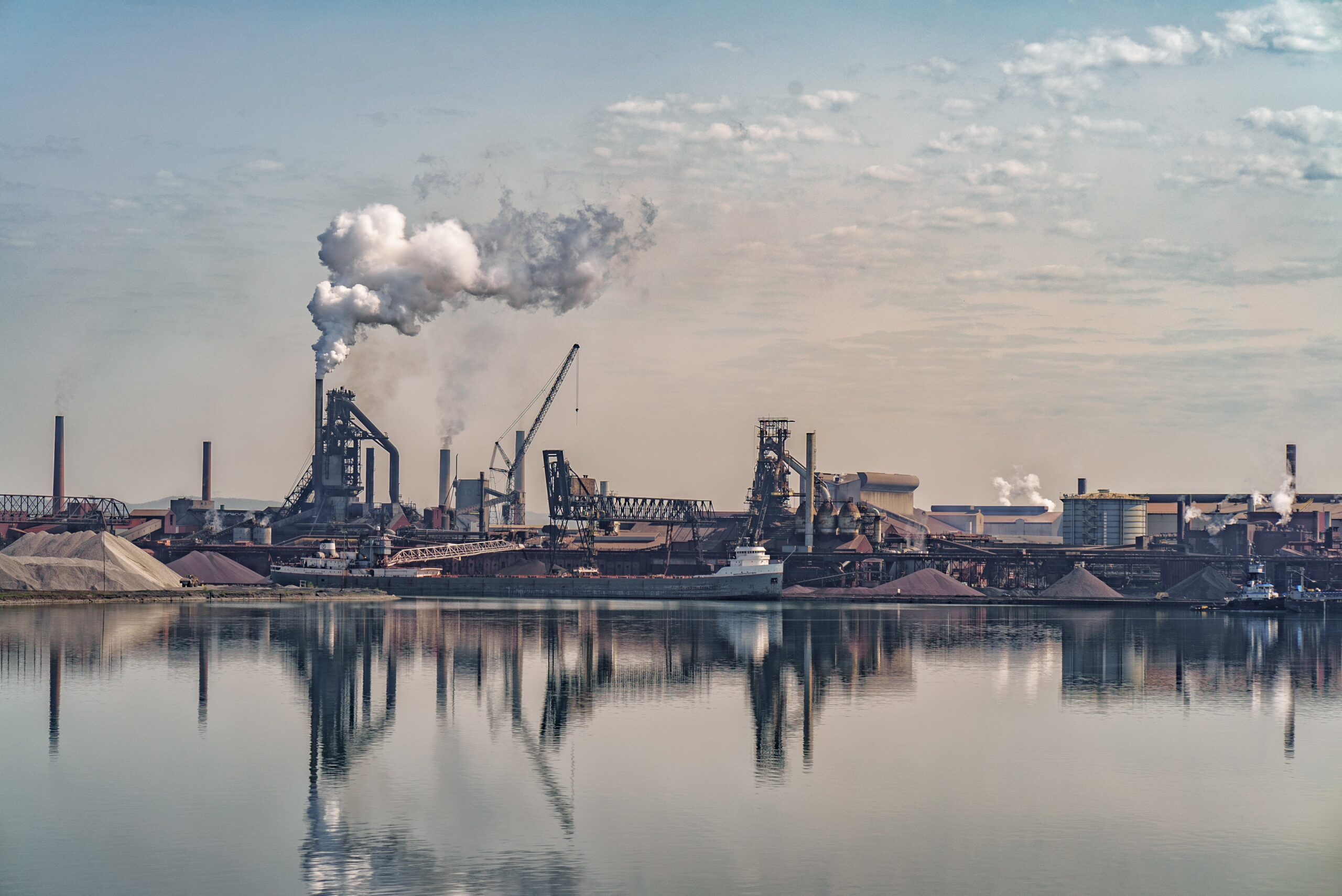
Any industry, whether it is related to it directly or not, depends on mining. Any manufacturing process requires raw materials, which can be mined or grown. The primary raw material used to make cement is limestone, and there does not appear to be a substitute anytime soon. Basically, limestone is a sedimentary rock composed of calcium carbonate or calcium magnesium carbonate that is found near to the surface, usually beneath a thin layer of soil and waste debris (overburden). Limestone is mined using open cast mining techniques since it is found around the surface. Mining limestone follows a regular procedure and is similar to opencast mining of other minerals. The process of extracting limestone begins with exploration, and is followed by resource estimation and modelling, the creation of a geological report and mining plan, obtaining all required government permits, such as environmental and forestry clearances. It culminates in the granting of a mining lease followed by extraction of limestone.
After receiving the necessary approvals, miners begin building the necessary infrastructure, including the access road, offices, homes and other structures. The development and deployment of the appropriate mining equipment, however, remains crucial. Following a box cut, the sequence of activities in normal production includes face preparation, drilling, blasting, excavation, loading and hauling of ore as well as infill drilling. In order to increase resources and determine the quality of the ore, miners do more parallel exploration.
Since the majority of limestone is locked up in cement plants, demand from these plants is what controls and influences limestone production. The typical technology used in Indian limestone mines is excavation using small diesel excavators with bucket sizes of 3-3.5 cum along with tipper trucks/dump trucks of 25-35 T, but the industry’s top players also use larger machinery with excavators that have bucket capacities of up to 10 cubic metres (Cu.m) and dump trucks that weigh 60-100 T. A small number of miners also used electric shovels and dumpers that match. Because limestone is so hard, surface miners—which are currently widely used in coal mining—are used less frequently in limestone mining.
We believe that by carefully designing the pit and implementing operational planning procedures that involve weekly and monthly planning and adherence to them, the entire fleet and mining process, which ultimately will lead to the cost of mining, can be optimised. The quality of the limestone plays a crucial role in the process of making cement.
As with any other surface mining activity, limestone mining involves breaking ground, therefore common environmental effects include tree removal, deforestation and dust production among others. However, there are steps that are done by the majority of mining firms to minimise environmental damage, such as planting new trees, tree transplantation (which has been adopted sometimes), water table monitoring, water management, reuse of water, etc. In our work with customers at ReVal Consulting, we strongly support the use of operational planning techniques to optimise fleet and cost while maintaining SOPs. The direct effect is on cost savings, while indirectly this improves long-term sustainability of operations and reserve protection by reducing carbon footprint and environmental impact.

Tell us about the equipment used for mining coal, limestone or other materials relevant for the cement industry?
Hydraulic excavators, wheel loaders, backhoe loaders, bulldozers, dump trucks, tippers, graders, rock breakers, vibratory compactors, cranes, fork lifts, dozers, off-highway dumpers (20T to 240T), drills, scrapers, motor graders, rope shovels, etc. are just a few examples of the machinery that falls under the category of mining equipment deployed for limestone mining. They carry out a range of tasks, including ground preparation, excavation, material haulage, dumping/laying in a specific way, material handling, haul road building, etc. Shovels, surface miners, dumpers and drills are the primary production tools used in opencast mining for hauling, drilling and excavating. While a wide variety of mining equipment with various capacities is being used in India, the most popular fleet is made up of hydraulic excavators with 3 to 10 Cu.m bucket capacities and dumpers with 35 to 100 T capacities. Surface miners are also frequently used in the mining of soft and thin seams in softer strata like coal and limestone (in a few locations, such as western Gujarat), which eliminates the need for blasting in coal and ultimately contributes to lowering greenhouse gas emissions.
In each product category, a small number of major firms dominate the mining equipment market. However, equipment from producers like Caterpillar, Komatsu, Kobelco, BEML, and Liebherr is widespread, and dump trucks from Caterpillar, Volvo, Sany, Scania, and other manufacturers are readily available in India.

What are the government guidelines to prevent environment pollution in the mining process?
The National Mineral Policy 2019 emphasised the importance of including environmental, economic and social factors as early in the decision-making process as possible to ensure that mining is economically viable, socially responsible and environmentally, technically and scientifically sound, makes the best use of mineral resources, and ensures sustainable post-closure land uses. All mining companies are required by law to submit an environmental management plan as part of their mining plans. This plan contains guidelines to prevent environmental pollution and addresses issues like the storage and use of topsoil, the storage of overburden and waste rock, the reclamation and rehabilitation of land, the control of surface subsidence, the prevention of ground vibrations and noise pollution, the release of toxic liquids, and the restoration of flora.
With the MMDR amendment in 2015, India’s mining industry was first given a statutory mandate for sustainable development. Subsequently, a District Mineral Foundation (DMF) was established to promote sustainable development of the area and the people impacted by mining. One of the most significant actions toward formalising benefit sharing in the Indian mining industry was the establishment of the DMF. To support mineral extraction and promote sustainable mining, the Act was further revised in 2020.
All things considered, environmental clearance and forest clearance establish project-specific requirements for environmental management and protection, which are approved by MoEFCC under the applicable laws relating to the environment, the forest, and water.

Tell about any other effort taken by your organisation to make mining sustainable.
Although we are a consultancy company and do not operate mines, we offer our clients advice on various ways to make mining more sustainable. As was already mentioned, we concentrate on giving our clients advice on how to pick out the best equipment and how to plan their days to minimise operational demands, which in turn reduces diesel consumption, costs, and the need for capital, improving value for all stakeholders – not just shareholders.
We offer our clients the following suggestions for initiatives to increase the sustainability of mining:
Optimising capital needed: We assist clients in reducing capital, which ultimately lowers costs as well as carbon footprint and environmental impact. This is accomplished by developing mining plans in a way to minimise equipment and capital requirement, which is made possible by selecting the best location for the dump, optimising the stripping ratio, cutting down on haulage distance, etc.
Technology selection: We assist clients in choosing technologies that will lower overall running costs and cut down on the quantity of equipment needed to produce emissions. We assist clients in comparing alternative technologies for sustainable operations, such as trucks versus conveyor systems, and alternative energy sources, such as diesel versus electricity equipment.
Planning and management of dumps: Our professionals have a wealth of knowledge regarding mining planning. By focusing on internal dumping to the greatest extent feasible, which eliminates the need for external land, we optimise the entire planning schedule to reduce haulage distance. By altering the mine design, mine direction, and haul road design, we aim to minimise external dumping of overburden and waste rock.
Maximise resource extraction: In order to minimise environmental impact, enhance cost economics, and provide greater value to clients, we concentrate on maximising the extraction of mineral resources through planning, design, and cost reduction.

What is the role of technology in making the process of mining pollution free or sustainable?
The environment will inevitably be impacted by the anticipated growth of the mining industry in ways such as deforestation, air and water pollution, damage to and loss of biodiversity, however technology and environmental management strategies can reduce these effects as shown below:
Reduce the Carbon Footprint of Mining: The reduction of the negative effects of mining on the environment is mostly due to technological advancement. The environmental impact of diesel usage is reduced by equipment with greater fuel efficiency. The use of alternative technology, such as electrical equipment and conveyors instead of dumpers for haulage, has reduced the environmental impact and pollution of mining.
Alternative Fuels: Diesel is a significant source of pollution in the mining industry. By converting to alternative fuels, such as biodiesel blending, electrical equipment, battery-operated trucks, etc., it is possible to decrease the use of diesel machinery and the consumption of diesel.
IT technology deployment: The mining industry offers a lot of potential for IT technology. Although the mining industry hasn’t fully embraced technology, even in its infancy, innovations like GPS-based navigation can assist cut down on unnecessary equipment movement. Technology can be used to enhance operational efficiency and compliance by managing activities carefully in accordance with the plan.

Air pollution: The businesses can install the most recent air pollution control framework and technology on their mining sites to check the quality of the air. Through installed control systems, routine dust and air emissions monitoring can be carried out. This procedure is essential because it enables the businesses to function in accordance with the current air quality regulations.
Traditional mining techniques like blasting and stacking produce more dust, which worsens the air quality. The eco-friendly surface miner technology, which has been shown to be a more environmentally friendly technique of mining, can be used to regulate this. Regularly monitoring ambient air quality further aids in taking prompt corrective action.
Recycling and treatment of water: Water is a valuable resource that has great social and environmental significance for communities and is a crucial component of the mining process. Effective water stewardship is crucial to preventing conflict. A thorough water management planning approach enables mining companies to control the effects of their operations on the availability of water, optimise water use, and safeguard the local population’s resource rights by proactively monitoring the effects of both water withdrawal and outflow. While zero discharge is the norm at the moment, there are few cases of mine water being processed to make it potable and even packaged and sold. Treatment of mine water is essential.
Waste Management: Almost 99 per cent of the waste produced at these sites is categorised as non-hazardous waste, with the remaining 1 per cent being hazardous waste. The waste generated at these sites typically takes the form of waste rock or waste soil. Transport of the hazardous waste off-site for treatment, reuse, or disposal. All waste produced is eliminated in accordance with waste management programmes and waste disposal rules. However, there are some instances when overburden has been used to make aggregate and sand that can be used for filling and construction purposes in order to lessen damage. Therefore, it is important to encourage these creative solutions and alternative uses whenever possible.

How do you envision mining and its contribution to the conservation of the environment in the near future?
As I had mentioned at the outset, we have two options: either mine or grow. Mining is therefore unavoidable. We can only shift our attention away from mining fossil fuels and toward mining the materials needed for other energy sources, such as renewable energy, energy efficiency, etc. All things considered, we cannot abandon the mining industry.
Focus will be needed on mining of minerals like aluminium, copper, cobalt, nickel, lithium, rare earths, etc. in order to transition to a renewable energy-based economy and to increase energy efficiency.
Therefore, even if mining is required, industry must first concentrate on increasing the effectiveness of resource utilisation, or maximising the recovery and productivity of mineral resources. Deploying technology, improving mine planning, operational planning, and the mining process to lower input requirements per unit, lower costs, and lower capital requirements is the second, easier-to-achieve goal. Thirdly, use technology to monitor environmental effects, including carbon emissions, water and air pollution, noise pollution, etc., and assess the results. The long-term direct and indirect benefits of such actions far surpass their immediate costs.
The entities that ‘plan the mine and mine the plan’ will ultimately succeed in the long run. When I say ‘plan the mine,’ I mean to do it with the best possible mine design and planning, the best technology and equipment selection, a strict operational plan and implementation without deviations for the best results, and a longer resource life by maximising recovery. ReVal is pleased to be connected with and assist our clients in achieving these goals.

-Kanika Mathur

Concrete

Star Cement Named Preferred Bidder For Boro Lakhindong Block

Preferred bidder for limestone mining lease in Assam

Published

on

By

Shares


Star Cement has been declared the preferred bidder for the mining lease for Boro Lakhindong West Block following e-auctions conducted by the Government of Assam. The block is located in Boro Lakhindong Village, Umrangso Tehsil, Dima Hasao District, Assam, and extends over an area of 123 hectares. The estimated limestone resource is 207.822 million (mn) tonnes (t), a quantity that will supply raw material for cement production and support the company’s manufacturing operations in the region.

The company is engaged in the manufacturing and selling of cement clinker and cement and distributes products across the north-eastern and eastern states of India. Star Cement operates plants and logistics networks that procure and process limestone to produce clinker for cement, and the addition of Boro Lakhindong is presented as a strategic enhancement of feedstock availability. The preferred bidder status secures rights to the specified lease area under the terms of the auction process.

Financial results for the company in the fourth quarter of fiscal year 2026 showed a consolidated net profit rise of 20.24 per cent to Rs 1,481.0 mn on an 11.54 per cent increase in revenue to Rs 11,735.5 mn compared with the corresponding quarter of the previous year. Those results reflected higher sales volumes and revenue growth in the company’s primary markets and are cited in company disclosures accompanying the lease announcement. The reported performance provides context to the company’s ability to pursue and finance new mining lease opportunities.

Market reaction to the declaration was modest, with the scrip rising zero point thirty six per cent to trade at Rs 212 on the BSE. The award of the Boro Lakhindong lease concludes the e-auction process for the west block and assigns operational rights to Star Cement as the preferred bidder, subject to completion of statutory and contractual formalities.

Continue Reading

Concrete

KERC Proposal To Cut Rooftop Solar Export Tariff Raises Concern

Consumers and advocates urge regulator to reconsider change

Published

on

By

Shares


The Karnataka Electricity Regulatory Commission (KERC) has proposed a reduction in the tariff paid for surplus electricity that rooftop solar installations export to the grid, prompting concern among consumers, renewable energy advocates and industry specialists. The proposal arrives while the Central government and state governments are promoting clean energy adoption and offering subsidy schemes to encourage rooftop solar deployment. Thousands of households in Karnataka, particularly in Bengaluru, have invested substantial sums in rooftop systems to reduce reliance on conventional power and support state renewable targets.

Stakeholders have raised questions about the implications of a lower export tariff for the financial attractiveness of rooftop solar investments and the pace of the state transition to renewables. Industry analysts warned that a reduction in compensation for excess generation could discourage new installations and extend payback periods for existing systems. Current messaging from authorities, which simultaneously promotes adoption while proposing lower export rates, has been described by user groups as creating contradictory signals for consumers.

Experts argued that policy measures should focus on grid modernisation rather than reducing consumer benefits, with investments in transmission and distribution networks needed to manage higher volumes of distributed solar generation. Consumer groups and renewable advocates are preparing written submissions to the regulator and are urging retention of incentives that support household adoption of rooftop systems. KERC has invited public objections and suggestions as part of a consultation process that will determine the final tariff framework.

The outcome of the consultation is expected to influence the future growth of rooftop solar across the state and shape investor confidence in small-scale renewable projects. Residents who have already installed rooftop panels are monitoring developments closely because changes to compensation mechanisms may affect household finances and the speed of return on investment. Observers noted that coherent policy, aligned incentives and grid upgrades would be essential to sustain momentum in the rooftop solar sector.

Continue Reading

Concrete

Indian Railways Plans Green Fly Ash Transport Network

Published

on

By

Shares

Specialised rail logistics will move fly ash from power plants to infrastructure industries.

New Delhi

Indian Railways is planning a large-scale green logistics initiative to transport fly ash from thermal power plants to industries where it can be reused in infrastructure and construction activities.

The initiative was discussed during a review meeting chaired by Union Minister for Railways Ashwini Vaishnaw. Union Ministers of State for Railways V Somanna and Ravneet Singh Bittu were also present.

India generates nearly 340 million tonnes of fly ash every year from thermal power plants. The proposed initiative aims to create an efficient rail-based transport system using specialised containers and dedicated logistics arrangements to move fly ash safely from power plants to end-use industries.

Fly ash is widely used in road construction, cement manufacturing, brick production, concrete, blocks and boards. By improving its movement through the railway network, the initiative is expected to support better utilisation of this industrial by-product while reducing environmental concerns linked to storage and disposal.

The move also aligns with India’s circular economy goals by converting waste from thermal power generation into a useful raw material for the construction and infrastructure sectors. Wider availability of fly ash can help reduce material costs in areas such as bricks and cement, supporting more affordable infrastructure and housing development.

Through this initiative, Indian Railways aims to provide a cleaner, safer and more organised transport solution for fly ash, turning an environmental challenge into an infrastructure resource.

Continue Reading

Video Thumbnail

    SIGN-UP FOR OUR GENERAL NEWSLETTER


    Trending News