Connect with us

Concrete

Dalmia Cement to infuse Rs 200-300 cr in Belagavi plant in 2 years

Published

on

Shares

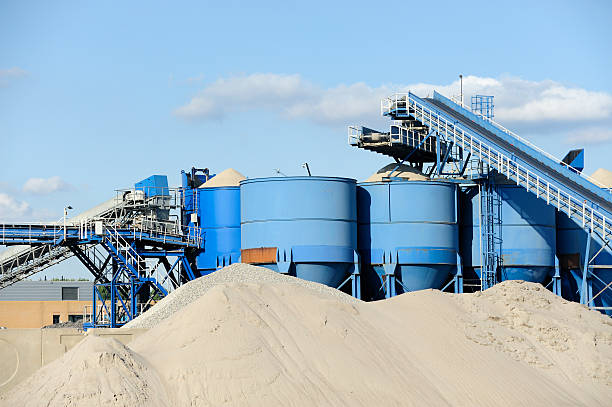
Dalmia Cement to invest in Belagavi plant to boost cement production

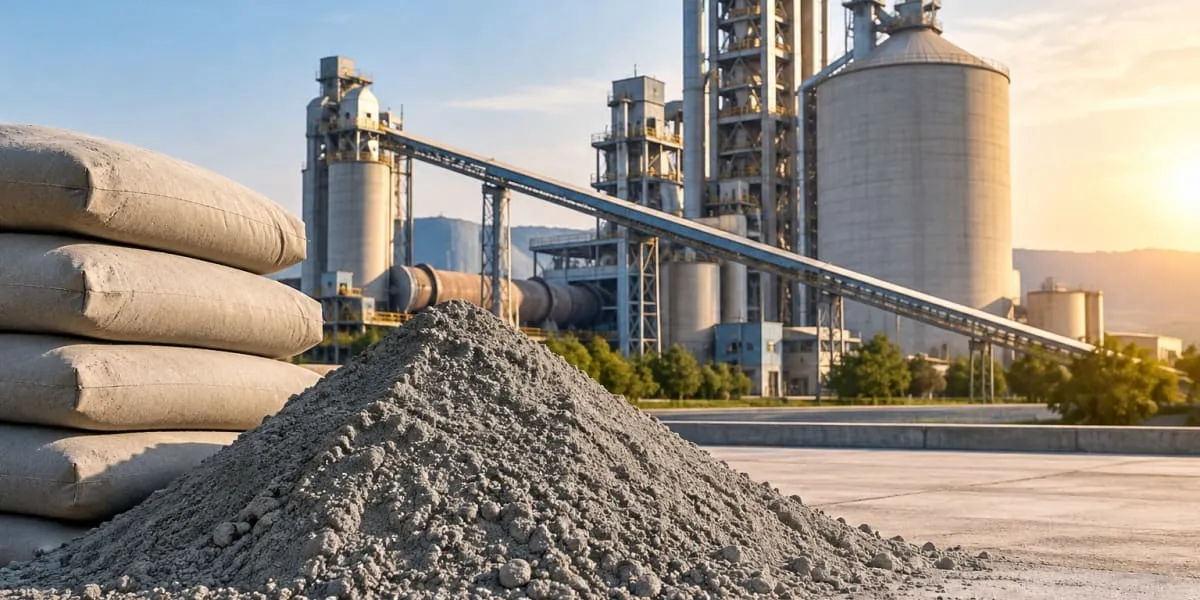
Dalmia Cement Bharat Limited told the media that it would invest Rs 200-300 crore in its Belagavi plant over the next two years in a bid to increase cement production.The action will create about 1000 jobs and support Dalmia Cement in promoting its national production capacity to 48.5 million tonnes (mt) by 2024 and then to 100 mt by 2031, from 36.9 mt presently.Dalmia will also spend some of the promised amounts to establish a solar power capacity of about 9 megawatts.In 2015, Dalmia Bharat had forayed into Karnataka via its Rs 1,500 crore greenfield facility. It has already generated nearly 3,000 direct and indirect jobs across Karnataka.Dalmia Cement Ltd is one of pioneering homegrown cement companies of India. Headquartered in New Delhi, the firm functions as Dalmia Cement (Bharat) Ltd, which is a 100% subsidiary of Dalmia Bharat Ltd, and is listed on the National Stock Exchange (NSE) and the Bombay Stock Exchange (BSE).Dalmia Cement operates a manufacturing capacity of 35.9 million tonnes per annum (mtpa) across 14 cement plants and grinding units, which are spread over 10 states.

Image Source


Also read: Dalmia Cement increases solar power plant capacity to 17.1 MW

Concrete

Cement Firms to Invest Rs. 130 bn in Green Energy by FY28

Cement companies plan to expand clean energy capacity to 6 GW by FY28

Published

on

By

Shares


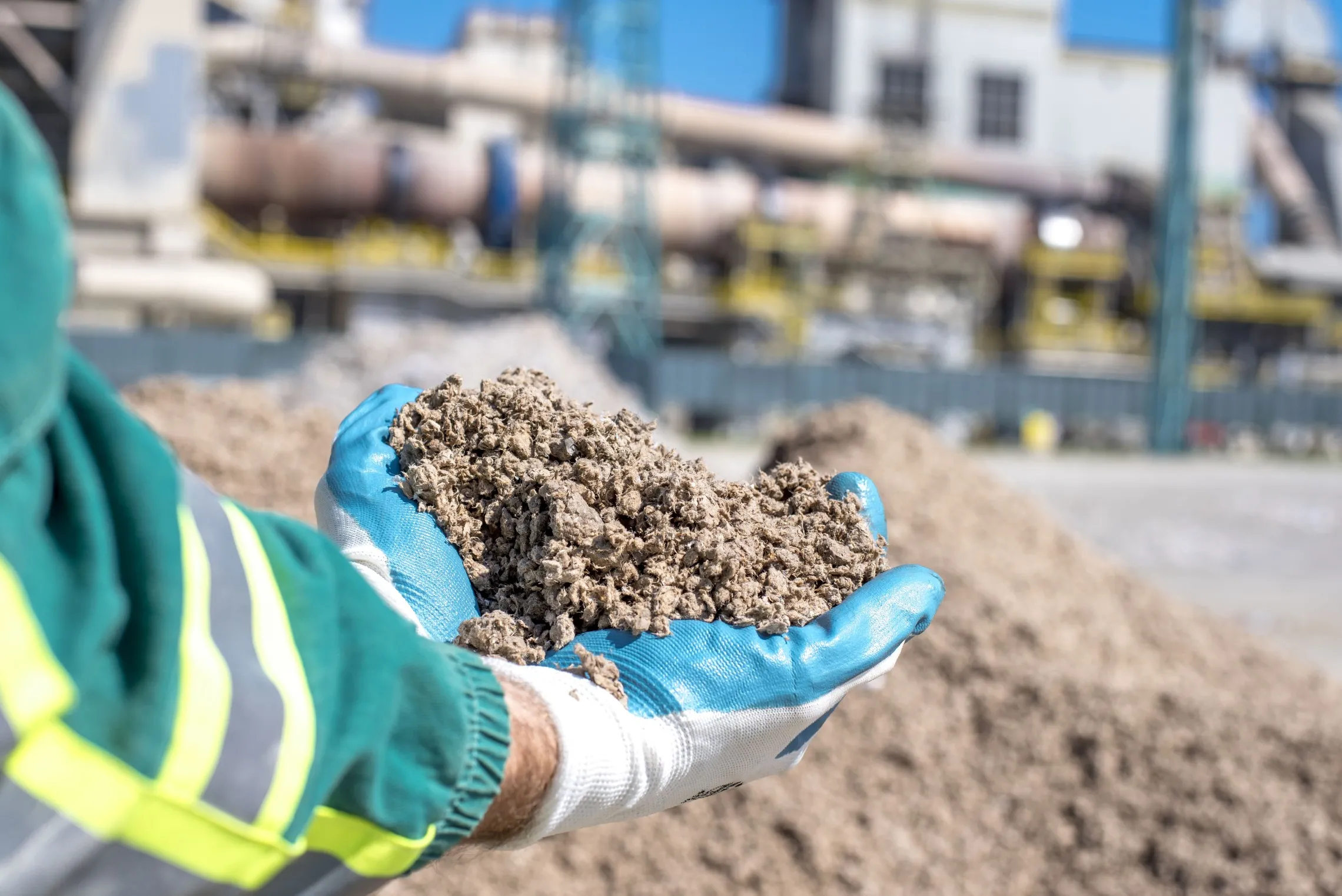
India’s major cement companies are set to raise their clean energy capacity to 6 GW by March 2028 from around 4 GW at the end of March 2026, according to ratings agency ICRA. The planned expansion is expected to involve investments of Rs. 130 bn over the next two years.

The additional capacity could generate annual savings of Rs. 62 bn to Rs. 67 bn, resulting in an estimated payback period of 1.8 to 2.2 years. Cement is an emission-intensive industry, and leading producers have established net-zero roadmaps covering the next 15 to 20 years.

The calcination process accounts for 57 to 60 per cent of the sector’s total emissions, while fuel combustion contributes 27 to 30 per cent and electricity consumption accounts for 10 to 13 per cent. ICRA said the figures highlighted the need for a broad decarbonisation strategy involving green power, blended cement, alternative fuels and improvements in clinker efficiency.

Green energy is considered one of the most commercially attractive decarbonisation options because it can reduce emissions while lowering operating costs. Every 5 per cent increase in green power replacement can reduce power and fuel costs by Rs. 15 to Rs. 16 per tonne. A 25 per cent replacement level could therefore save Rs. 75 to Rs. 80 per tonne and expand operating margins by 140 to 160 basis points.

Cement producers are also assessing carbon capture, utilisation and storage, although high implementation costs, energy requirements and limited transport and storage infrastructure are expected to slow commercial adoption. The government has proposed Rs. 200 bn over five years to support deployment across key sectors. Meanwhile, companies are targeting thermal substitution rates of 10 to 15 per cent over the next three to five years, compared with the current industry level of around 6 per cent.

Continue Reading

Concrete

Centre Defers Clearance for Limestone Mine Near Bustard Habitat

Panel seeks revised mining plan and safeguards for pipelines and wildlife

Published

on

By

Shares


The Centre has deferred environmental clearance for a proposed limestone mine near a Great Indian Bustard habitat in Ramgarh, Rajasthan’s Jaisalmer district. The critically endangered species has an estimated wild population of about 130 in India.

Continue Reading

Concrete

Telangana to Supply Subsidised Cement for Indiramma Houses

Poor families allotted Indiramma houses to receive cement at Rs. 230 per bag

Published

on

By

Shares


The Telangana government will supply cement at a subsidised price of Rs. 230 per 50-kg bag to poor and low-income families allotted Indiramma houses. The prevailing market price is between Rs. 310 and Rs. 320 per bag, the Assembly was informed on Thursday.

Continue Reading

Video Thumbnail
â–

    SIGN-UP FOR OUR GENERAL NEWSLETTER

    Trending News

    SUBSCRIBE TO THE NEWSLETTER


    Don't miss out on valuable insights and opportunities to connect with like minded professionals.


      This will close in 0 seconds