

Environment
Harnessing Heat Energy

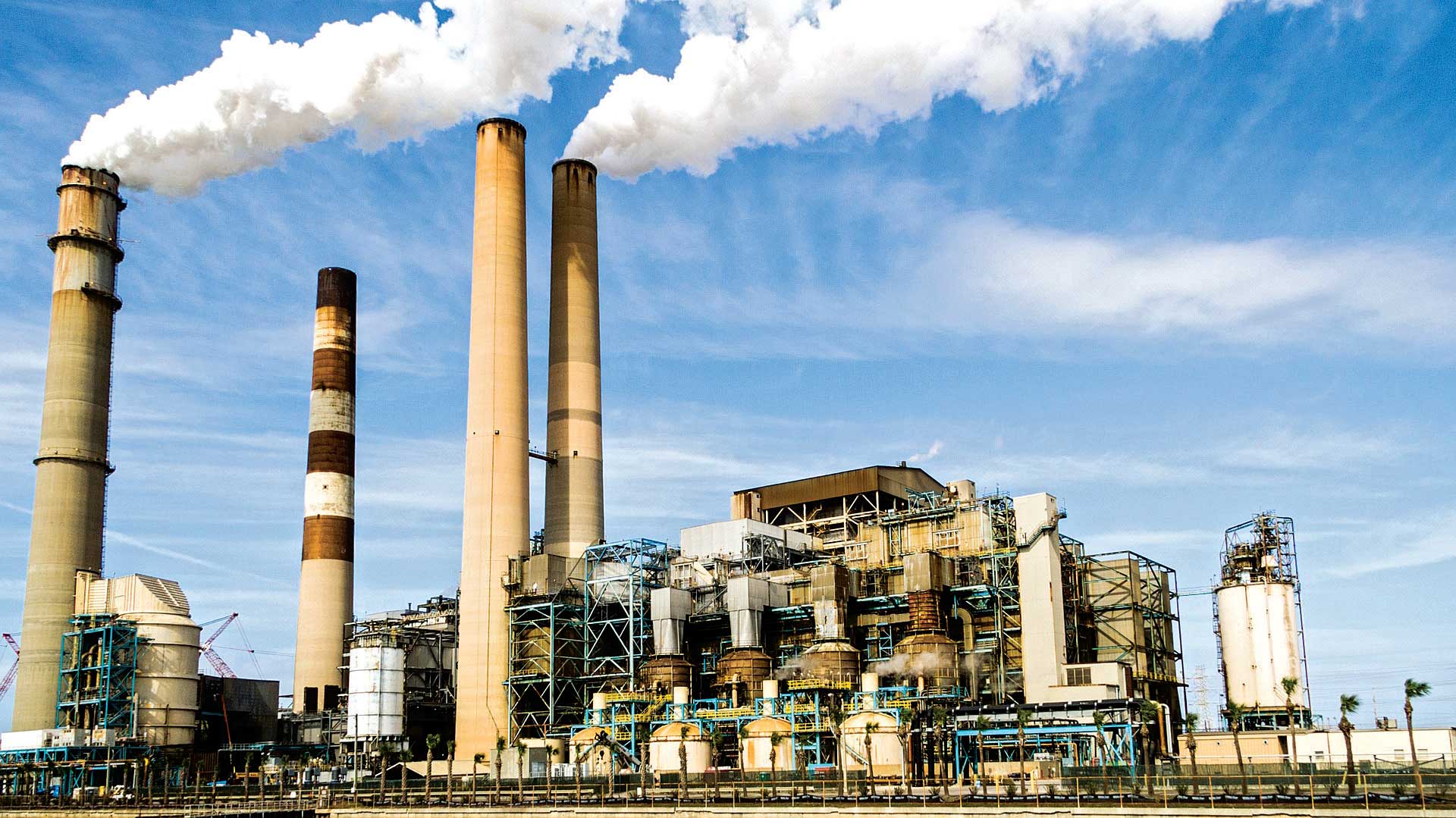
Renewable energy resources and waste heat recovery are measures that are paramount for cement players to minimise the impact of cement manufacturing on the environment. We explore waste heat recovery systems and its processes that cement makers are utilising in a bid to reduce their carbon footprint.
Concerns about global warming, rising fuel and material costs are challenging industries to reduce their greenhouse gases emission and to improve efficiency on their sites. Waste Heat Recovery (WHR), as an alternative source of energy, plays an important role in this regard for industry processes that are targeting the reduction of fuel consumption and harmful emissions.
By definition, ‘Waste Heat Recovery’ is the process of ‘heat integration’, that is, reusing heat energy that would otherwise be disposed of or simply released into the atmosphere. Industrial waste heat is the energy generated out of a chemical process that otherwise is lost or dumped in the environment. By recovering waste heat, plants can reduce energy costs and CO2 emissions, while simultaneously increasing energy efficiency.
Sources of waste heat can be heat loss during transfers, conduction, convection or combustion processes. This lost heat can be classified as high temperature, medium temperature and low temperature grades. High temperature waste heat goes greater than 400 degree Celsius medium temperature waste heat ranges from 100 degree to 400 degree Celsius while low waste heat is for temperatures below 100 degree Celsius. A different kind of waste heat recovery system is applicable for each grade of waste heat.
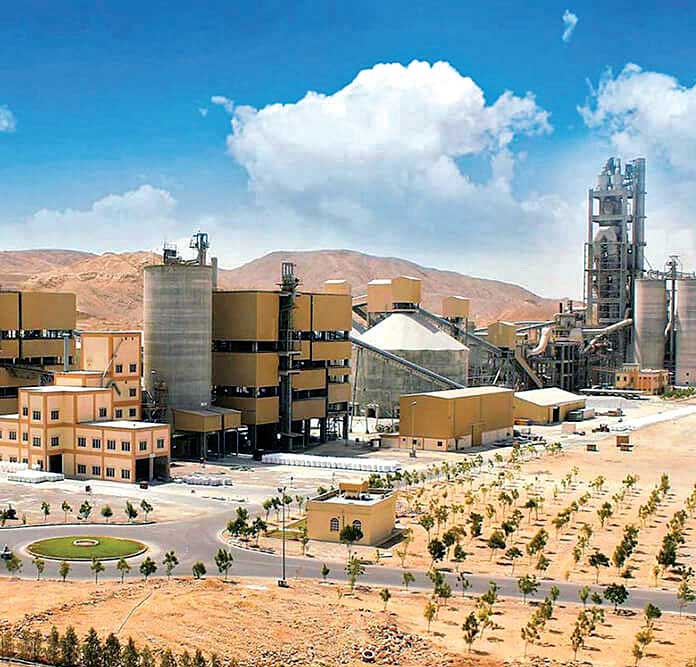
The method of waste heat recovery includes transferring the waste heat from a process with a gas or liquid to derive an extra source of energy. Conventionally, higher the temperature of the heat wasted or recovered, the better quality of an energy source it is. The waste heat power plants installed in cement plants use heat generated from the rotary kilns preheaters and exhaust gases for the generation of power.
According to a study conducted by Kawasaki Heavy Industries in Japan, the waste heat recovery system in cement industries can cover approximately 30 per cent of the total electric consumption of the plant. The Japanese have spearheaded the introduction of waste heat recovery plants in their cement industry since as early as the 1980s and are the leaders in this technology instalment.
Cementing the impact
Cement manufacturing is an energy intensive process. It requires a large amount of energy to function which is primarily derived from coal. That however, is a non-renewable source of energy as well as a large contributor towards carbon emission. Energy consumption also contributes to approximately 40 per cent of the cement manufacturing costs. The industry as a whole is fighting these challenges and that is where the waste heat recovery plants come as a saviour.
According to Sanjay Kumar Khandelwal, Head – Power Plants, JK Cement Ltd., “WHRS utilises hot gases emitted both from preheater as well as clinker cooler to generate power without the usage of any additional fuel. In other words, we are able to generate power without utilising any fossil fuels; which not only reduces overall carbon footprints but also restricts hot gases from entering into the atmosphere.”
“This system results in reducing the overall cost of production by reducing Overall Power Consumption cost followed by a reduction in cost through optimum power mix (maximum usage of WHRS and renewable power sources and least usage of grid and CPP power) through effective power management,” he adds.
Processing heat energy
Globally in cement plants there are three processes for functionality of Waste Heat Recovery plants, namely, Steam Rankine Cycle System (SRC), Organic Rankine Cycle System (ORC) and Kalina-based system. The mostly widely used system in India is the SRC.
“There is a vast potential for power generation from waste heat across the world. The installation of cement WHR based power plants in China is over 80 per cent, much ahead of India. Similarly, Europe, the USA, and Latin America plan to implement WHR in their cement plants. It is observed that waste heat recovery-based power plants are emerging as an excellent value addition to the existing captive power plants. Other than reducing energy costs significantly, it can also be a reliable source of power,” says Arun Mote, Executive Director, Triveni Turbine Limited.
The most common raw material used for cement manufacturing is limestone. Depending on the type of cement that needs to be produced, other raw materials like fly ash, clay etc., are added to limestone and are then ground in a fired rotary furnace to form the clinker. Once the clinker production process is complete, it is transferred to coolers and the exhaust gases and hot air are left outside of it. According to a study published in the International Journal of Engineering Research and Technology (IJERT), these exhaust gases from the preheater are on average at 361 degree Celsius and the temperature of the air discharged from the cooler stack is 268 degree Celsius. They are then passed to the waste heat recovery boiler. Water is circulated through the waste heat recovery boiler. Latent heat from the hot gas is transferred to the water and it is converted to steam. This steam is then expanded in the turbine and is condensed. The condensed water is passed through the WHRG and the process repeats. The electricity generated in this process, offsets a portion of the purchased electricity, thereby reducing the electrical energy demand in cement plants.
With the results obtained from these processes, the efficiency of the waste heat achieved is 22.7 per cent of the total power generation which results in a large amount of costs being saved in the long run for cement plants.
Other renewable sources
India ranks third, behind the US and China, among 40 countries with renewable energy focus, on the back of strong focus by the government on promoting renewable energy and implementation of projects in a time bound manner.
The annual energy consumption by the cement industry contributes close to 10 per cent of the total energy consumed in the entire industrial sector. According to the Cement Manufacturers’ Association, modern cement plants consume 68-93 units to produce a ton of cement while the older ones use up 110-120 units of electrical energy.
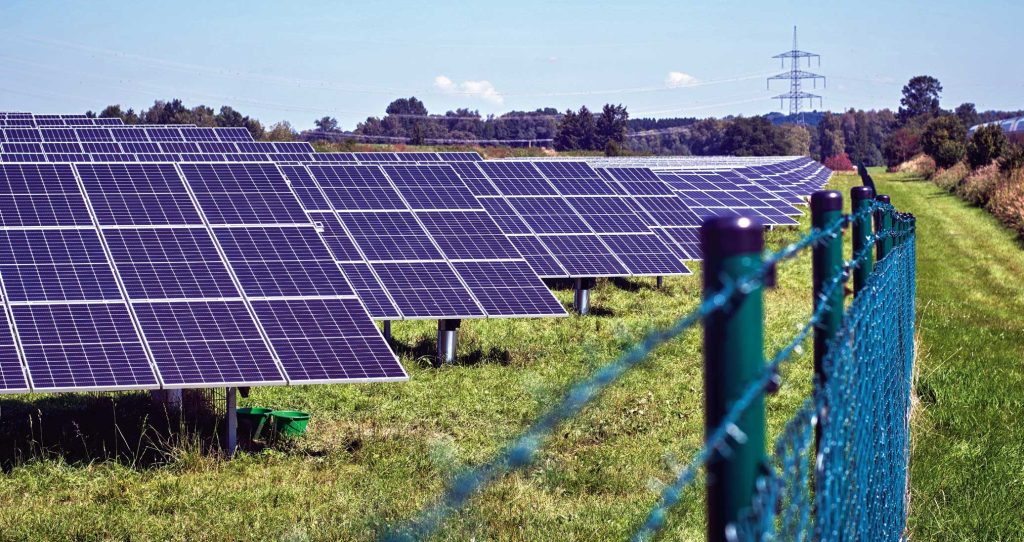
Most cement plants in India are located in hot and dry areas and are subjected to high heat and solar radiations. This presents an opportunity of utilising solar power as an energy source for the cement manufacturing process. Solar plants have a lifetime of 25 years and that is a one-time cost for cement plants to expense. By installing these panels, they can not only substitute energy cost, but can also lower their carbon footprint. Major players in the market such as Dalmia Cement, Birla Cement, UltraTech Cement are using solar energy to meet their sustainability goals.
Researchers Aristeides Tsiligiannis and Christos Tsiliyannis in their study for Anion Environmental Ltd. have found solid biofuel, derived from household food waste (food residue biofuel, FRB) as a potential bioenergy source in cement manufacturing. Some of the key issues in cement plant operations issues have been quantitatively assessed by them where the findings have resulted in showing that food residue biofuel can substitute 20 per cent of the thermal energy requirement of a cement plant. This finding can greatly impact waste food disposal as well as make a positive impact on the environment where carbon footprint is concerned for cement plants.
To secure and safeguard the environment and to bring out the cement production costs, it has become imperative for cement manufacturing plants to make an investment in the renewable energy sources and systems that allow the cement plants to harness that energy, which is readily available and does not emit carbon dioxide. Reducing their carbon footprint is a challenge every cement organisation has taken up. This can be a major step in achieving the same and fulfilling the sustainability goals determined by the policy makers of the country.
– Kanika Mathur

















Cement Prices Likely to Rise Rs. 10-15 per Bag from Mid-October

Nuvoco Marks 10 Years, Targets 35 MMTPA Capacity by FY28

J&K Government Notifies City Gas Distribution Policy

JSW Cement Commissions 1 MTPA Grinding Unit at Nagaur

JSW Cement Commissions 1 MTPA Unit in Rajasthan
Cement Prices Likely to Rise Rs. 10-15 per Bag from Mid-October
Nuvoco Marks 10 Years, Targets 35 MMTPA Capacity by FY28
J&K Government Notifies City Gas Distribution Policy
JSW Cement Commissions 1 MTPA Grinding Unit at Nagaur
JSW Cement Commissions 1 MTPA Unit in Rajasthan
-

 Concrete1 month ago
Telangana to Supply Subsidised Cement for Indiramma Houses
-

 Concrete3 weeks ago
JSW Cement Receives Rs. 2.3 bn GST Demand Notice
-

 Concrete2 weeks ago
Andhra Pradesh Clears Rs. 30 bn My Home Cement Plant
-
 Concrete1 month ago
Centre Defers Clearance for Limestone Mine Near Bustard Habitat