Connect with us

Concrete

Self-loading Mobile Concrete Mixer

Published

on

Shares

Self-loading concrete mixer can be an answer to many odd jobs where quantity of concrete is a constraint and location is difficult to reach.
A machine that can self-load aggregates, weigh batch, mix, transport and place concrete within the site as per the mix design of concrete requirement is called self-loading mobile concrete mixer (SLCM). It is utilised as a merger of loader, mobile batching plant and transit mixer for small to medium volume concrete requirements. These machines are equipped with a concrete batch controller to obtain the required quality of concrete by allowing the operator to calibrate the quantity of aggregates into the mixer as per mix design. These all-wheel drive machines are also available with crab steering, hence are highly manoeuvrable. These machines can be deployed in any kind of terrain. The SLCMs are available in various capacities such as 1 cu m drum having an output capacity of up to 3 cu m/hr, with 2 cu m drum having an output capacity of up to 8 cu m/hr and with 4 cu m drum with an output capacity of up to 12 cu m/hr. They are also available in variants as tunnel dumpers and transit mixers.

Advantages of SLCM

  • Fresh concrete available at site
  • Quality of concrete guaranteed due to reliable weigh batching system
  • Eliminates labour up to 70-80 per cent compared to manual mixer
  • Easily manoeuvrable within sites
  • Four-wheel drive ensures working the machine at tough site conditions
  • Reduces operating cost as loaders

The following features can enhance the utility of the machine:

  • Better turning circle will enable the machine to operate in confined spaces with ease.
  • Swivellable operator?s post to provide complete visibility for driving.
  • High level of gradeability ensures that the machine works in the toughest site condition.
  • Fully powered hydraulic steering options can provide for manoeuvring in narrow spaces.

Applications
SLCMs find applications in various infrastructure projects throughout the country. Due to their mobility, these machines are widely used in various applications such as canal lining, aqueducts, rural roads, ROBs, RUBs, flyovers, Railways, bridges, power transmission lines, solar projects etc.

Article courtesy: Ajax Fiori (India) Pvt Ltd

Continue Reading
Click to comment

Leave a Reply

Your email address will not be published. Required fields are marked *

Concrete

PROMECON introduces infrared-based tertiary air measurement system for cement kilns

Published

on

By

Shares

The new solution promisescontinuous, real-time tertiary air flow measurement in cement plant operations.

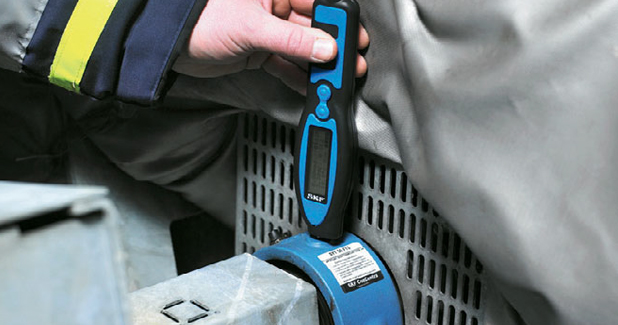
PROMECON GmbH has launched the McON IR Compact, an infrared-based measuring system designed to deliver continuous, real-time tertiary air flow measurement in cement plant operations. The system addresses the longstanding process control challenge of accurate tertiary air monitoring under extreme kiln conditions. It uses patented infrared time-of-flight measurement technology that operates without calibration or maintenance intervention.

Precise tertiary air measurement is a critical requirement for stable rotary kiln operation. The McON IR Compact is engineered to function reliably at temperatures up to 1,200°C and in the presence of abrasive clinker dust. Its vector-based digital measurement architecture ensures that readings remain unaffected by swirl, dust deposits or drift. Due to these conditions conventional measurement systems in pyroprocess environments are often compromised.

The system is fully non-intrusive and requires no K-factors, recalibration or periodic readjustment, enabling years of uninterrupted operation. This design directly supports plant availability and reduces the maintenance overhead typically associated with process instrumentation in high-temperature zones.

PROMECON has deployed the McON IR Compact at multiple cement facilities, including Warta Cement in Poland. Plant operators report that the system has aided in identifying blockages, optimising purging cycles for gas burners, and supplying accurate flow data for AI-based process optimisation programmes. The practical outcomes include more stable kiln operation, improved process control, and earlier detection of process disturbances.

On the energy side, real-time tertiary air data enables reduction in induced draft fan load and helps flatten process oscillations across the pyroprocess. This translates to lower fuel and energy consumption, fewer unplanned shutdowns, and a measurable reduction in NOx peaks. This directly reflects on the downstream cost implications for plants operating SCR or SNCR systems for emissions compliance.

Continue Reading

Concrete

Adani Group To Set Up Cement Factory In Madhya Pradesh

Chief Minister Mohan Yadav inaugurates plant in Guna

Published

on

By

Shares


Adani Group (Adani) will set up a cement factory in Madhya Pradesh, the chief minister of the state announced after an inauguration ceremony in Guna. The chief minister, Mohan Yadav, described the occasion as a historic day for the state and said the project will strengthen industrial capacity. The event was presented as a milestone in efforts to broaden manufacturing and attract large-scale investment. Officials said the facility will add to regional production capability and support related industries.

State officials outlined that the plant will enhance supply chains for construction and infrastructure projects across the region. The company will bring technical expertise and logistical resources to the site, with government agencies coordinating approvals and land allocation. Local suppliers and service providers will benefit from increased demand, and training initiatives will be developed to build workforce readiness. Officials indicated that the project complements broader plans to modernise industrial clusters in the state.

The state administration said it has facilitated clearances and infrastructure support to accelerate implementation. Local officials have coordinated with the company to ensure connectivity and utilities are in place ahead of commissioning. The chief minister emphasised that collaboration between private investors and the government aims to create sustainable economic growth. Community outreach programmes will address local concerns and establish grievance mechanisms as construction proceeds.

Officials said the inauguration in Guna marks a new phase in the state industrial story and will serve as a reference for future investments. Administrators noted that close monitoring and periodic reviews will guide timely execution and adherence to environmental and safety norms. The government affirmed its commitment to facilitating responsible industrial expansion while ensuring benefits reach local communities. Stakeholders will continue discussions on supply chain integration and long term maintenance arrangements.

Continue Reading

Concrete

Railways Boost Cement Movement by 170 Per Cent and Eye Fly Ash

New container wagons cut costs and speed turnaround

Published

on

By

Shares


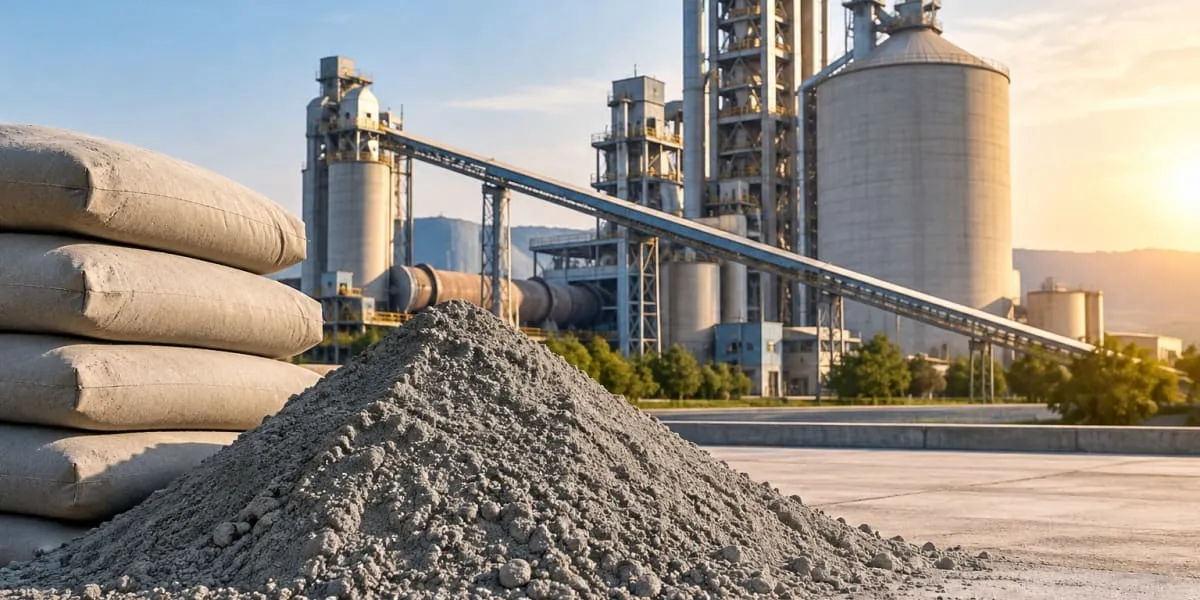
Indian Railways has recorded a 170 per cent rise in cement movement in the last four months after reforms launched in November to promote rail based bulk cement logistics. The Union Railway Minister, Ashwini Vaishnaw, reviewed the container sector reforms and their implementation and described the shift as improving plant to market efficiency. The reforms introduced customised bulk cement tank containers and a bulk cement terminal policy to support multimodal handling and door to door solutions.

The new system has simplified loading and unloading by enabling mechanised operations and by reducing package losses compared with bagged cement transport. Since cement can move directly from manufacturing centres to consumption centres in standardised tank containers compatible with Ready Mix Concrete machines, two stages of handling have been eliminated and material loss has been reduced. The standard shape of the containers facilitates faster turnaround and lowers logistics costs for suppliers and builders.

The improved freight turnaround is helping to lower the delivered cost of cement, which can ease pressure on housing costs for the poor and middle class and support affordable construction. The reform is said to be environment friendly as dust generation during material transfer has fallen and fuel consumption and emissions have reduced due to modal shift from road to rail. The Make in India tank containers are designed for seamless movement between train and trailer and to enable efficient door to door movement while cutting congestion on roads.

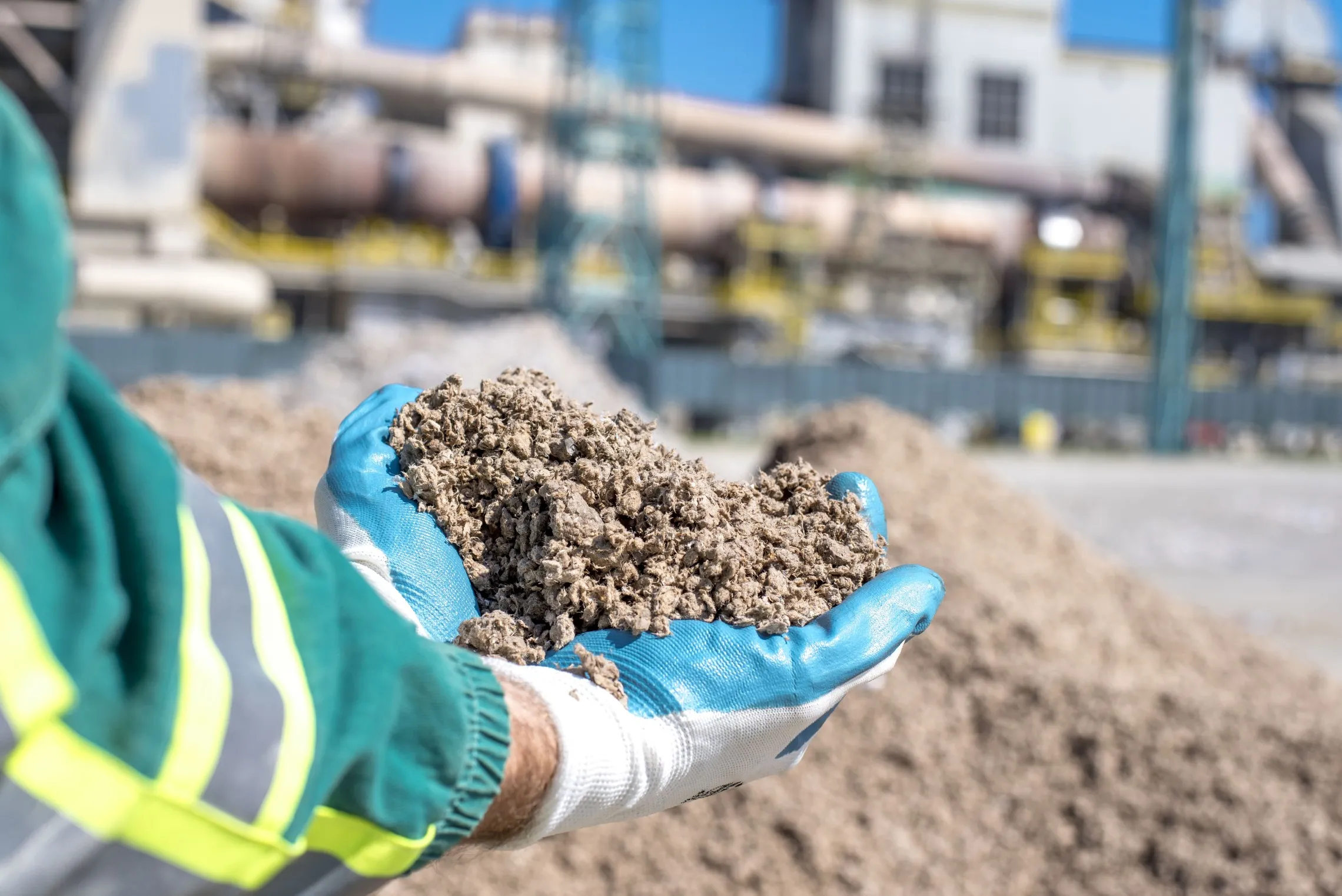
Building on the cement reforms, officials were urged to tap the fly ash transportation market to convert industrial waste into national wealth. The minister noted that nearly 300 million metric tonnes (mn t) of fly ash is produced in the country while only about 13 million t is transported by rail and asked officials to substantially increase Railways share to serve brick kilns, cement industries and construction sites. Wider utilisation of fly ash should reduce pollution, promote recycling and lower construction material costs while strengthening sustainable freight movement across infrastructure sectors.

Continue Reading

Video Thumbnail
â–

    SIGN-UP FOR OUR GENERAL NEWSLETTER


    Trending News

    SUBSCRIBE TO THE NEWSLETTER


    Don't miss out on valuable insights and opportunities to connect with like minded professionals.


      This will close in 0 seconds