After dilly-dallying for a couple of years after the government?? mandate that proposed to spend two per cent of the profits of specified corporate entities came into effect on April 1, 2014, Corporate Social Responsibility (CSR) has taken firm roots by fiscal 2020. This has also come in handy for their involvement when COVID-19 pandemic hit the country in February 2020, pitching their mite to help the communities in the vicinity of their operations, to fight the virus based disease.
Out of four cement companies, who have provided us data on their CSR contributions, we have seen three of them witnessing their CSR commitments going up over the last three years. Mandated by the government, CSR is a transformational practice by the business corporations in India, for socio-economic upliftment of the poor and the deserving, leading to overall development.
It is not that Indian cement companies have woken up to the mandated CSR, suddenly. For example, Ambuja Cements Ltd, a part of the global conglomerate LafargeHolcim, had set up its own implementation agency, Ambuja Cement Foundation (ACF), in 1993. Even as Dalmia Bharat Foundation (DBF) was set up only 2009 to implement the CSR initiatives of Dalmia Bharat group of industries, the group had been undertaking CSR activities for eight decades now.
HeidelbergCement India, part of a cement multinational, has been engaged in community development projects for the last 30 years, while The Ramco Cements said its CSR initiatives had a long history, much before it was made mandatory.
However, the mandated CSR implementation was delayed by a couple of years due to expectations in the industry
that the mandate will be relaxed by the new government at the Centre that came to power in a few months of the mandate coming into force in 2014. But the expectations were belied.
The government?? CSR mandate has led to various companies taking up the social development projects around their business facilities, creating a ??in-win??for the business as well as various stakeholders.
??he companies are bringing business core competencies and learning to the solution of social issues and problems, and that is resulting in high level of social entrepreneurship and innovations,??says Vinita Singhania, Vice Chairman and Managing Director, JK Lakshmi Cement Limited (JKLC). The CSR mandate has also brought ??roject Management benchmarks??to social and community development projects, which were not there earlier, along with company?? financial commitment to them.
Though many companies were involved in CSR activities for several decades before the CSR law came into effect, there was no structured model of implementation and reporting standards set for these companies.
Budgets
CSR commitments of ACF, HeidelbergCement and Ramco have seen a consistent growth in the last three years. ACF, with a large focus on water, agro-based livelihood, skill and health, has seen its CSR budget going up from Rs 42.25 crore in FY18 (2017-18) to Rs 44 crore next year, which level it had maintained its budget of FY20. On the spending side, it went up from Rs 41.96 crore to Rs 44 crore in FY19 and down to Rs 41,45 crore in FY20, perhaps because of initial precautions and social distancing norms coming into force in the wake of COVID-19, during the last quarter.
Against the mandate of spending 2 per cent of profits for CSR activities, ??mbuja Cement has been dedicating 3-4 per cent of their profits for the last many years,??says Pearl Tiwari, Director and CEO, Ambuja Cement Foundation (ACF).
JK Lakshmi Cement has seen its CSR budgets going up from Rs 89 lakh to Rs 172.04 lakh in three years, while expenditure went up from Rs 130.78 lakh to Rs 181.48 lakh.
The budget of Ramco Cements also went up from Rs 12.56 lakh to Rs 15.60 lakh. Though its real commitment also went up from Rs 10.93 lakh to Rs 14.99 lakh, the FY20 figures lagged that of FY19, which was at Rs 17.97 lakh.
The CSR budget of The KCP Limited went up from Rs 95 lakh for FY18 to Rs 160 lakh in FY19, but in FY20 it has come down to Rs 92.12 lakh and its CSR expenses also mimicked budgeted pattern with Rs 54 lakh, Rs 108.90 lakh and Rs 63.68 lakh respectively.
DBF of Dalmai group, and HeidelbergCement have not provided their yearly data of budgets and expenditure under CSR activities. However, Jamshed N Cooper, Managing Director, HeidelbergCement India says that as per the mandate for CSR ??or FY 2020 translated close to Rs 69.7 million (Rs 6.97 crore) for our Group?? operations in India, against which we spent Rs 72.2 million (Rs 7.22 crore).
Meanwhile, DBF?? Annual Report shows that their total expenditure amounted to over Rs 40 crore in FY18 and FY 19 each,
but it was yet to upload its FY20 annual report on the website by the time ICR was going to the press.
However, the outcome of the CSR interventions may not confine to the budgets provided and spent by the companies as mostly they join hands with several agencies for yielding enhanced benefits for the communities they cater to. ??CF also harnesses the power of partnerships ??etween communities, government and other like-minded corporates and NGOs ??to help solve pressing community problems and to foster prosperity. We are also matching funds from external sources both government and other funds available helping us expand our outreach substantially,??says Tiwari.
Areas of activity
Among the focus areas of activity that could be undertaken under the act, education, healthcare, skills training, environment protection activities like water conservation, tree plantation etc., and rural development and infrastructure figured prominently among the companies, with at least five of the six respondents involved in each of these activities. (See table for more details)
Cement companies such as Ramco, JK Lakshmi, Ambuja, Heidelberg, Dalmia and KCP have responded to our queries on CSR activities. Four companies are involved in livelihood enhancement, while two companies each are involved in gender equality and women empowerment and disaster management and relief. I fact, gender equality and women empowerment can be part of a broader set of livelihood enhancement projects.
Other activities like support to social enterprise projects, hunger and poverty alleviation, community development, promotion of rural and national sports, restoration of buildings and benefit to armed forces also figures in the activities these companies have undertaken.
Education: Almost every company is promoting education in its own way. Ensuring quality of education even in government schools is the priority for Ambuja Cement and HeidelbergCement, while providing infrastructure in government schools is the focus of by JK Lakshmi Cement and Ramco Cement.
??e also run many non-formal education centres for out-of-school children,??says Tiwari of ACF. On the other hand, Cooper of HeidelbergCement India, says, ??e have been involved in improving the infrastructure of schools in rural areas and offering scholarships to meritorious students at Anganwadi centers.??/p>
Besides setting up its own schools at their integrated plant locations, ??amco has adopted government schools for holistic improvement by implementing 5S concept, which has won accolades in many CSR forums,??says AV Dharmakrishnan, CEO, The Ramco Cements. It has also set up a Vocational training centre for rural youth.
JK Lakshmi Cement?? Project Aarambh focuses on bring tribal children back to school in the Pindwara block of Sirohi district in Rajasthan. Since the beginning, numerous tribal children – ??rop-outs and Never-been-to-school??- have been enrolled in various government schools.
Skill development: JK Lakshmi Cement is leading the pack in terms of providing skill development in non-industrial trades like stitching, beautician, embroidery and two-wheeler repairing. ??nder thematic area of livelihoods and skills development, the Company implements various activities for the purpose of creating employability for unemployed youth, women and girls,??says Singhania. JKLC also has ??idya Scholarship??project for the purpose of supporting education of children of masons and petty contractors.
JKLC is also implementing additional income generating projects for women like stitching & embroidery, broom, paper plate/dona, phenyl making, pickle/ papad making, cotton bags, sanitary napkins, by imparting training to over 3,000 young women.
Under skill training programme, ??urrently DBF can train 5,000 youth every year at 11 centres of Dalmia Institute of Knowledge and Skill Harnessing (DIKSHA), spread across the country, and also runs three Industrial Training Institutes (ITIs),??says Vishal Bhardwaj, CEO, Dalmia Bharat Foundation (DBF).
The skill programme implemented through Skill and Entrepreneurship Development Institute (SEDI) centres, ACF is also offering basic computer skills, where knowledge of functional English and soft skills are compulsory components of all training programmes.
Many cement companies are also working in improving livelihoods in the farm and dairy sectors, by training farmers in improved farming techniques and livestock development, supporting farmers through scientific inputs, promotion of sustainable farming practices, as well as through capacity building programmes.
Healthcare: As part of promotion of health, cement manufacturer KCP had set up a sophisticated Hydraulic Operation theatre table, theatre lights, false ceiling and partition and a community health centre at Macherla in Guntur District of Andhra Pradesh. ??n an average 500 – 600 surgeries are conducted yearly in this operation theatre,??says V Madhusudana Rao, Vice President ??Operations (Cement Unit -II), The KCP Limited. KCP also supports Lepra Society for eradication and screening of leprosy, filaria, HIV, T.B., Malaria and awareness camps.
Around its three plants, KCP also conducts mega health camps, where tests like ECG, 2D ECHO, PFT, SUGA, B.P., are conducted for women by lady doctors etc., besides conducting eye surgeries, distribution of free medicines and spectacles to the needy, with the support of reputed and multi-speciality hospitals.
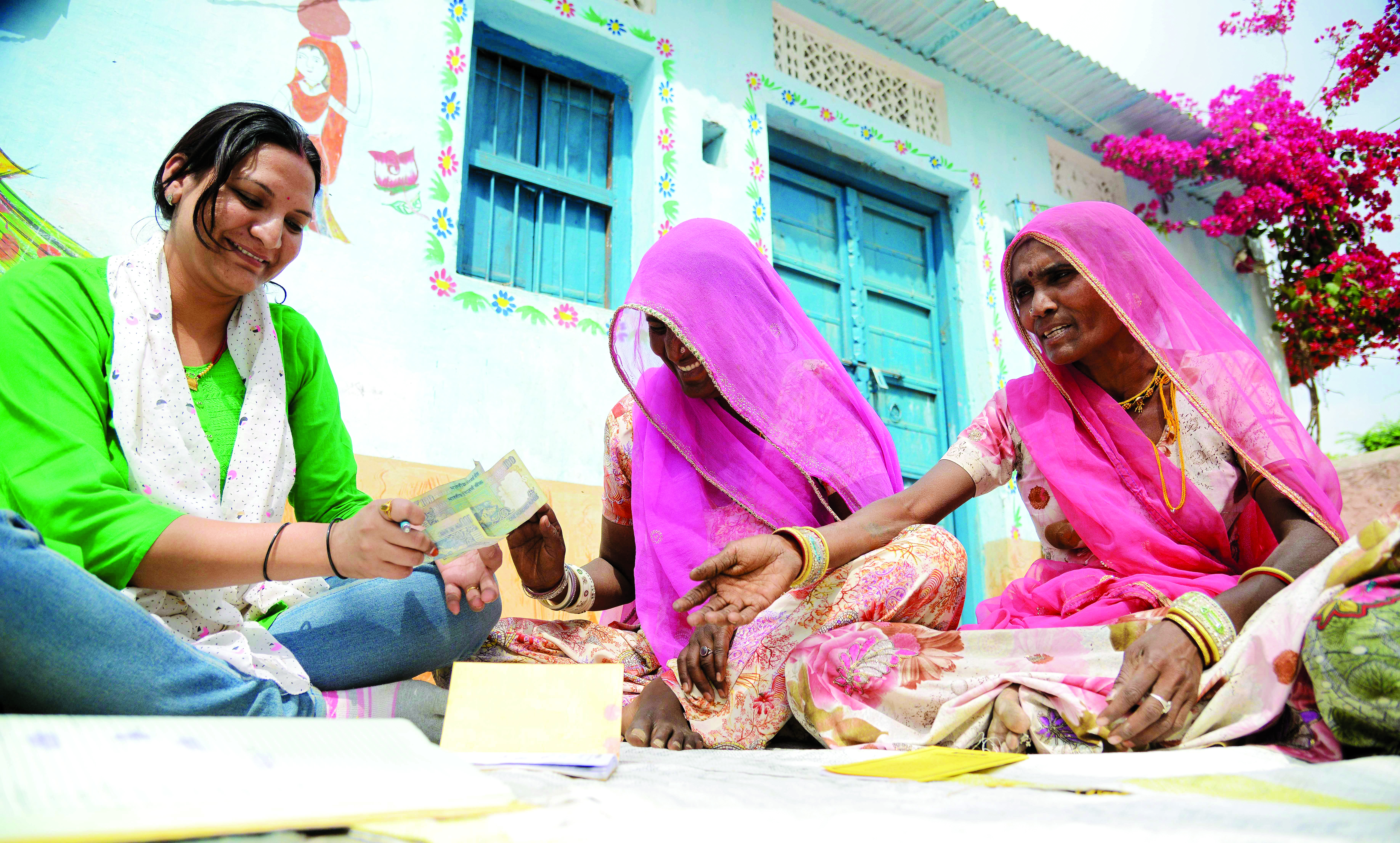
ACF is providing ??omprehensive Healthcare??intervention to address clinical, preventive and promotive aspects of health across communities. The program is led by a cadre of ACF-trained, village-based health workers called Sakhis, ensuring basic health care at the village level, and referring patients for timely medical intervention whenever needed.
Under its healthcare commitment HeidelbergCement organises mobile health check-up camps, multi-specialty health camps and provide support to government hospitals and health centres by way of enhancing their facilities for communities around its plants, while JKLC?? NayaSavera – a family integrated welfare program – focuses on reducing maternal and infant mortality.
Environment protection: Most of the cement companies are involved in water harvesting and conservation. Ambuja?? Water Programme works to enhance water and land resources. The programme promotes rainwater harvesting through indigenous and new technologies, promotes micro irrigation methods and constructs check dams, percolation wells and rooftop rain water harvesting structures.
During the last five years, DBF has created harvesting potential of more than 17 million cubic metres of water annually. ??e also help tribal households enhance their income through horticulture plantations. Furthermore, we promote access to solar energy for domestic and agricultural purposes as well as that to cleaner fuels like biogas and LPG for cooking,??says Bhardwaj.
Rural development & infrastructure: The main focus of many cement companies is building rural roads and making movement easer in remote rural areas. Besides undertaking road repairs, The KCP Ltd has constructed additional class rooms and new buildings for schools, compound walls for schools, flooring in the school premises, veterinary hospital building, ladies dress-changing rooms near Krishna river bank, rural community halls and rest places near its facilities.
DBF is working mainly in remote rural areas, where it also assists the local administrations and communities to fill the existing infrastructural gaps, improving the quality of life of such communities. Ramco has also helped families of 8 CRPF Jawans martyred in Phulwama attack in Jammu and Kashmir with fixed deposit of Rs 5 lakh each. More than 42 Jawans were killed in the gruesome attack.
Challenges
The CSR veterans are in unison in identifying educated unemployment as the biggest concern stalking the country that too when India is growing younger, stating that it should be tackled with and re-skilling and upskilling of youth through CSR activities, particularly in rural areas. ??s the growing pace of technology will generate a new era of employment opportunities as a nation, we would still have to address the aspirations of those who would not be fortunate enough to make it there and would require earning a living. Rural India will be a home for them and the farm sector their source of livelihood,??says Cooper.
Highlighting the need to bridge disparities, Rao says, ??ocio-economic disparity is one of the biggest challenges, main reason being the rural-urban divide among a host of factors, which increase the intensity of this disparity.??/p>
ACF?? Pearl Tiwari?? heart goes out for the lower income group, who don?? even have decent or dignified living conditions, sometimes scraping through life with no basic facilities like healthcare and infrastructure, and such issues needs to be addressed and fulfilled on an urgent basis.
To address challenges on rural front on a priority basis, Cooper suggests, ??ater harvesting, drip irrigation and advanced farming techniques should be made available to the farmers at subsidized and affordable prices. To supplement farmers??income, livestock management needs to be promoted.??Besides women empowerment, CSR activities directed at this front will add towards reinforcing the economy at the ground level, he added.
Bhardwaj says CSR initiatives should address supply chain issues in agriculture by facilitating backward and forward linkages. Helping build e-platforms and institutions like farmers-producers??companies is what these companies should do.
Stating that the Indian healthcare scenario presents a spectrum of contrasting landscapes – At one end of the spectrum are the glitzy steel and glass structures delivering high tech Medicare and on the other end with fragile infrastructure and lack of basic health care facilities in rural areas ??Dharmakrishnan suggests that CSR activities should support primary health centres with medical infrastructure, organise special medical camps in association with speciality hospitals, and support traditional streams of medicine like Siddha and Ayurveda.
Looking ahead
When World Bank and International Monetary Fund (IMF) are forecasting a fall in gross domestic product (GDP or economic activity) of our country due to COVID-19, our CSR veterans are taking a hunch that it will have an impact on the business revenue and profitability of CSR mandated companies for at least a couple of years.
??here are estimates that there would be about 30-35 reduction in the CSR spent this year because of the expenditure that has been incurred on COVID-related activities,??says Bhardwaj of DBF.
However, JK Lakshmi Cement, ACF, DBF and KCP were in the affirmative to the query on whether they will continue to affirm their commitment to CSR activities in these difficult times.
The board of Dalmia Cement Bharat has already resolved to keep their CSR commitments unaffected by COVID. ??ike I mentioned, our contribution for COVID has been more than the 2 per cent mandate,??Bhardwaj of DBF pointed out.
??part from the growing concern for COVID-19, India still needs to focus on water, health and vaccination… We as CSR spenders need to now integrate COVID-19 with our current programmes to maintain balance,??suggests Tiwari of ACF.
KCP reminded us of the saying, ??f there is a will there is a way?? while affirming their commitment to CSR. ??f course, every company will adapt to the situation relevant to the ecosystem it is operating in. COVID-19 has given an opportunity to expedite some of the changes vis-a-vis integration of technology, finding most cost-effective methods of implementation, working closely with stakeholders as resources are getting scarce,??says Rao. There are a few lessons that the pandemic has taught us. For instance, due to imperative of maintaining social distancing, the CSR agencies have already changed the content and methods of dissemination of various development and behavioral-change communications.
HeidelbergCement?? Cooper exudes confidence that the humanity would rise on the other side and the privileged would
come forward to contribute and serve those who served them once, thereby reinstating the balance.
This also holds good for corporate entities. As such, the post-COVID-19 scenario is set to create ??ew Champions of Humanity??and earn the goodwill and loyalty of their stakeholders and society at large, at a time when India faces enormous development challenges. The solution lies in the government, civil society and corporations working together to fulfil the basic requirements of the poor and underprivileged.
– BS SRINIVASALU REDDY
The CSR mandate
a. Every company having net worth of Rs 500 crore or more, or
b. Turnover of Rs 1000 crore or more or
c. Net profit of Rs 5 crore or more, during the immediately preceding financial year
-
Minimum commitment to CSR: 2 per cent of profits.
-
Date of commencement: April 1, 2014
-
Overseeing body: CSR Committee of the Board
-
Mode of execution: ??roject/ Programme??model
-
Designated activities: Broad spectrum of activities specified
Benefits of Mandate:
i. Companies bringing business core competencies and learning to resolve social issues and problems
ii. Leading to high level of social entrepreneurship and innovations
iii. Brought ??roject Management benchmarks??to social and community development project-5












 Concrete3 weeks ago
 Concrete4 weeks ago
 Concrete2 weeks ago
 Concrete2 weeks ago