Connect with us

Economy & Market

Dalmia Cement has played a major role in infrastructure development

Published

on

Shares

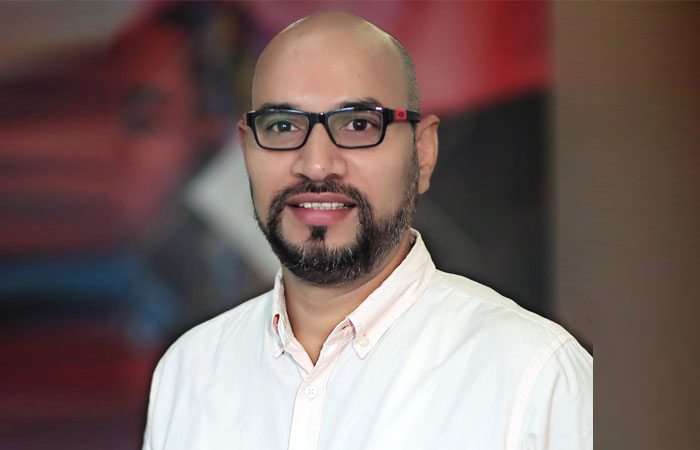
V P Sharma, COO, Dalmia Bharat Group

As the Chief Operating Officer for the cement business of Dalmia Bharat Group, what measures have you implemented to increase productivity and plant efficiency?In Dalmia cement, I have been instrumental in stabilising the operations of our new plants at Ariyalur and Kadappa of 2.5 million tonnes capacity. Some of the operational improvement measures are improved run factor, emphasis on condition monitoring and preventive maintenance, focus on quality of products, systems and procedures, proactive energy management in thermal as well electrical, develop individual skills and team culture and bring out the culture of safe working and environmentHow many plants Dalmia Cement is operating presently? What are the technological advancements you have recently observed in the cement business?
We are having three cement plants in South India with the total cement capacity of 9 million tonnes. Some of the major technological advancements in the cement industry are robotic quality controller, energy saving equipment like VFD for LT, HT equipments, higher efficiency, low pressure pre-heater cyclones and CCTV at all operating equipments.What environmental protection measures have been adopted to reduce air and water pollution from your cement plants? What are the ‘green’ initiatives taken by Dalmia in the cement production process?As a company, we are very much committed for the upcoming of the environment. All our plants are of state of the art technologies, which operate at the benchmarking parameters. We have continuous air ambient monitoring station in all of our plants and the periodical reports are getting submitted to the statutory bodies. Some of the major systems in place to control air pollution are bag house for raw mill, kiln, cement mills and stacks, localised cyclone dust collector at all transfer points, environment-friendly covered storage systems for all bulk materials, we have robust water management system in place. To conserve the precious water, we have initiated the following activities at our plants, captive power plant rejected water is being used for cement manufacturing process by which we are able to recycle significant quantity of water in the system, roof water harvesting system installed in all the buildings to conserve water, sewage treatment system at all our locations to recycle the water which is getting used for plantation purposes and mine pit water harvesting for plant operations. Some of the other major green initiatives undertaken by the company are extensive program taken on alternate fuel like MSW, hazardous and non hazardous material to replace fossil fuels, manufacturing blended cement by using fly ash.To support the global action on climate change and exemplifying our commitment to sustainable development; DCBL filed membership application to cement sustainability initiative (CSI). DCBL is the third Indian cement company to enroll for this prestigious membership.Dalmia Cement claims to be pioneer in super speciality cement manufacturing. What role does the super speciality cement play in infrastructure development?Dalmia Cement has played a major role in infrastructure development over the years in terms of manufacturing special cement for special applications like oil wells, airports, dams, bridges, railway sleepers, etc.Oil well Cement (OWC): We are one of the largest producers of Oil well cement and supplies to the major oil companies in India. It is used for cementing the walls of ‘on-shore’ and ‘off-shore’ oil wells. Also, Dalmia Cement was the first in India to get API Class ‘G’ certification (1984) for OWC.Railway Sleeper cement: This special cement has been produced as per the specifications of Indian railways for manufacturing concrete sleeper and this is a replacement for the wooden railway sleepers for Hi-Speed trains.Airstrip cement: The Company developed this special cement which helps in designing high impact and abrasion resistant concrete necessary for modern air strips.Sulphur resistant cement: This cement is being used in projects that are exposed to high amount of sulphates. This cement also finds application in constructions that are in direct contact with clay soil, which contains a large amount of sulphate salt, such as foundations and pillars.What kind of corporate social responsibility (CSR) activities your company has undertaken?Dalmia Bharat Group Foundation: Dalmia Bharat Group Foundation (DBGF) is a registered not-for-profit organization set up under the Income Tax Act 1961. It is promoted by Dalmia Bharat Group comprising Dalmia Bharat Enterprises Ltd. (DBEL) and Dalmia Bharat Sugar and Industries Ltd. (DBSIL).Dalmia Higher Secondary School (DHSS) at Lalgudi was set up in 1950 to educate the children from the local population as well as Dalmia Bharat employees. DHSS is the first school to be accredited with five -star status by the Bharathidasan University. About 1,850 students benefit from good standard of education. . The school has consistently delivered results at an average of 99% in 10th and 96% results in 12th standards respectively for the past five years.Vivekananda Matriculation School (VMS), with a strength of 540 students, provides quality education to the children of company employees and local population with a nominal fee since 1989.123 people have been provided with basic education in computers in order to bridge the digital divide. We have supported renovation in two schools benefitting approximately 1000 children.Ramakrishna Dalmia Industrial Training Institute, set up in 1992, teaches basic technical skills to meet the requirements of the industry and increase employment opportunities for the rural youth. At least 60 students are given vocational training.Dalmia Institute of Construction established in 2008, at Thillainagar in Trichy, trains students in all essential civil construction methods and cement applications.We have scheduled health camps covering free medicines, seasonal and opportunistic diseases, reaching more than 1600 people, out of which more than 50% were of 50 years or above in age.The in-house hospital catered to more than 5000 people from 20 villages around our plants, providing full range of services in diagnosis, investigations and treatments. Nearly 100% children from our 6 target villages are immunized regularly, while 283 mothers are supported for anti natal and post natal care.

Continue Reading
Click to comment

Leave a Reply

Your email address will not be published. Required fields are marked *

Concrete

FORNNAX Appoints Dieter Jerschl as Sales Partner for Central Europe

Published

on

By

Shares

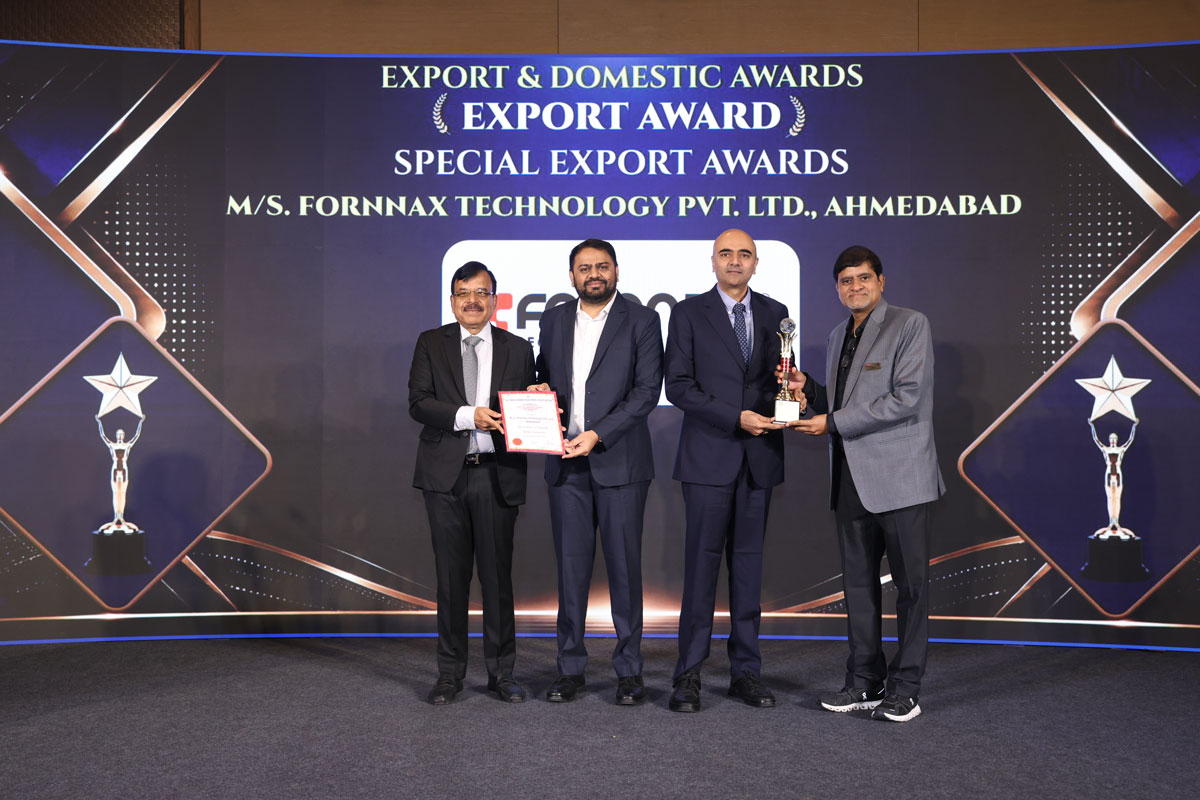
FORNNAX TECHNOLOGY has appointed industry veteran Dieter Jerschl as its new sales partner in Germany to strengthen its presence across Central Europe. The partnership aims to accelerate the adoption of FORNNAX’s high-capacity, sustainable recycling solutions while building long-term regional capabilities.

FORNNAX TECHNOLOGY, one of the leading advanced recycling equipment manufacturers, has announced the appointment of a new sales partner in Germany as part of its strategic expansion into Central Europe. The company has entered into a collaborative agreement with Mr. Dieter Jerschl, a seasoned industry professional with over 20 years of experience in the shredding and recycling sector, to represent and promote FORNNAX’s solutions across key European markets.

Mr. Jerschl brings extensive expertise from his work with renowned companies such as BHS, Eldan, Vecoplan, and others. Over the course of his career, he has successfully led the deployment of both single machines and complete turnkey installations for a wide range of applications, including tyre recycling, cable recycling, municipal solid waste, e-waste, and industrial waste processing.

Speaking about the partnership, Mr. Jerschl said,
“I’ve known FORNNAX for over a decade and have followed their growth closely. What attracted me to this collaboration is their state-of-the-art & high-capacity technology, it is powerful, sustainable, and economically viable. There is great potential to introduce FORNNAX’s innovative systems to more markets across Europe, and I am excited to be part of that journey.”

The partnership will primarily focus on Central Europe, including Germany, Austria, and neighbouring countries, with the flexibility to extend the geographical scope based on project requirements and mutual agreement. The collaboration is structured to evolve over time, with performance-driven expansion and ongoing strategic discussions with FORNNAX’s management. The immediate priority is to build a strong project pipeline and enhance FORNNAX’s brand presence across the region.

FORNNAX’s portfolio of high-performance shredding and pre-processing solutions is well aligned with Europe’s growing demand for sustainable and efficient waste treatment technologies. By partnering with Mr. Jerschl—who brings deep market insight and established industry relationships—FORNNAX aims to accelerate adoption of its solutions and participate in upcoming recycling projects across the region.

As part of the partnership, Mr. Jerschl will also deliver value-added services, including equipment installation, maintenance, and spare parts support through a dedicated technical team. This local service capability is expected to ensure faster project execution, minimise downtime, and enhance overall customer experience.

Commenting on the long-term vision, Mr. Jerschl added,
“We are committed to increasing market awareness and establishing new reference projects across the region. My goal is not only to generate business but to lay the foundation for long-term growth. Ideally, we aim to establish a dedicated FORNNAX legal entity or operational site in Germany over the next five to ten years.”

For FORNNAX, this partnership aligns closely with its global strategy of expanding into key markets through strong regional representation. The company believes that local partnerships are critical for navigating complex market dynamics and delivering solutions tailored to region-specific waste management challenges.

“We see tremendous potential in the Central European market,” said Mr. Jignesh Kundaria, Director and CEO of FORNNAX.
“Partnering with someone as experienced and well-established as Mr. Jerschl gives us a strong foothold and allows us to better serve our customers. This marks a major milestone in our efforts to promote reliable, efficient and future-ready recycling solutions globally,” he added.

This collaboration further strengthens FORNNAX’s commitment to environmental stewardship, innovation, and sustainable waste management, supporting the transition toward a greener and more circular future.


Continue Reading

Concrete

Budget 2026–27 infra thrust and CCUS outlay to lift cement sector outlook

Published

on

By

Shares

Higher capex, city-led growth and CCUS funding improve demand visibility and decarbonisation prospects for cement

Mumbai

Cement manufacturers have welcomed the Union Budget 2026–27’s strong infrastructure thrust, with public capital expenditure increased to Rs 12.2 trillion, saying it reinforces infrastructure as the central engine of economic growth and strengthens medium-term prospects for the cement sector. In a statement, the Cement Manufacturers’ Association (CMA) has welcomed the Union budget 2026-27 for reinforcing the ambitions for the nation’s growth balancing the aspirations of the people through inclusivity inspired by the vision of Narendra Modi, Prime Minister of India, for a Viksit Bharat by 2047 and Atmanirbharta.

The budget underscores India’s steady economic trajectory over the past 12 years, marked by fiscal discipline, sustained growth and moderate inflation, and offers strong demand visibility for infrastructure linked sectors such as cement.

The Budget’s strong infrastructure push, with public capital expenditure rising from Rs 11.2 trillion in fiscal year 2025–26 to Rs 12.2 trillion in fiscal year 2026–27, recognises infrastructure as the primary anchor for economic growth creating positive prospects for the Indian cement industry and improving long term visibility for the cement sector. The emphasis on Tier 2 and Tier 3 cities with populations above 5 lakh and the creation of City Economic Regions (CERs) with an allocation of Rs 50 billion per CER over five years, should accelerate construction activity across housing, transport and urban services, supporting broad based cement consumption.

Logistics and connectivity measures announced in the budget are particularly significant for the cement industry. The announcement of new dedicated freight corridors, the operationalisation of 20 additional National Waterways over the next five years, the launch of the Coastal Cargo Promotion Scheme to raise the modal share of waterways and coastal shipping from 6 per cent to 12 per cent by 2047, and the development of ship repair ecosystems should enhance multimodal freight efficiency, reduce logistics costs and improve the sector’s carbon footprint. The announcement of seven high speed rail corridors as growth corridors can be expected to further stimulate regional development and construction demand.

Commenting on the budget, Parth Jindal, President, Cement Manufacturers’ Association (CMA), said, “As India advances towards a Viksit Bharat, the three kartavya articulated in the Union Budget provide a clear context for the Nation’s growth and aspirations, combining economic momentum with capacity building and inclusive progress. The Cement Manufacturers’ Association (CMA) appreciates the Union Budget 2026-27 for the continued emphasis on manufacturing competitiveness, urban development and infrastructure modernisation, supported by over 350 reforms spanning GST simplification, labour codes, quality control rationalisation and coordinated deregulation with States. These reforms, alongside the Budget’s focus on Youth Power and domestic manufacturing capacity under Atmanirbharta, stand to strengthen the investment environment for capital intensive sectors such as Cement. The Union Budget 2026-27 reflects the Government’s focus on infrastructure led development emerging as a structural pillar of India’s growth strategy.”

He added, “The Rs 200 billion CCUS outlay for various sectors, including Cement, fundamentally alters the decarbonisation landscape for India’s emissions intensive industries. CCUS is a significant enabler for large scale decarbonisation of industries such as Cement and this intervention directly addresses the technology and cost requirements of the Cement sector in context. The Cement Industry, fully aligned with the Government of India’s Net Zero commitment by 2070, views this support as critical to enabling the adoption and scale up of CCUS technologies while continuing to meet the Country’s long term infrastructure needs.”

Dr Raghavpat Singhania, Vice President, CMA, said, “The government’s sustained infrastructure push supports employment, regional development and stronger local supply chains. Cement manufacturing clusters act as economic anchors across regions, generating livelihoods in construction, logistics and allied sectors. The budget’s focus on inclusive growth, execution and system level enablers creates a supportive environment for responsible and efficient expansion offering opportunities for economic growth and lending momentum to the cement sector. The increase in public capex to Rs 12.2 trillion, the focus on Tier 2 and Tier 3 cities, and the creation of City Economic Regions stand to strengthen the growth of the cement sector. We welcome the budget’s emphasis on tourism, cultural and social infrastructure, which should broaden construction activity across regions. Investments in tourism facilities, heritage and Buddhist circuits, regional connectivity in Purvodaya and North Eastern States, and the strengthening of emergency and trauma care infrastructure in district hospitals reinforce the cement sector’s role in enabling inclusive growth.”

CMA also noted the Government’s continued commitment to fiscal discipline, with the fiscal deficit estimated at 4.3 per cent of GDP in FY27, reinforcing macroeconomic stability and investor confidence.

Continue Reading

Concrete

JK Cement Crosses 31 MTPA Capacity with Commissioning of Buxar Plant in Bihar

Published

on

By

Shares

JK Cement has commissioned a 3 MTPA Grey Cement plant in Buxar, Bihar, taking its total capacity to 31.26 MTPA and placing it among India’s top five grey cement producers. The ₹500 crore investment strengthens the company’s national footprint while supporting Bihar’s infrastructure growth and local economic development.

JK Cement Ltd., one of India’s leading cement manufacturers, has announced the commissioning of its new state-of-the-art Grey Cement plant in Buxar, Bihar, marking a significant milestone in the company’s growth trajectory. With the commissioning of this facility, JK Cement’s total production capacity has increased to 31.26 million tonnes per annum (MTPA), enabling the company to cross the 30 MTPA threshold.

This expansion positions JK Cement among the top five Grey Cement manufacturers in India, strengthening its national footprint and reinforcing its long-term growth strategy.

Commenting on the strategic achievement, Dr Raghavpat Singhania, Managing Director, JK Cement, said, “Crossing 31 MTPA is a significant turning point in JK Cement’s expansion and demonstrates the scale, resilience, and aspirations of our company. In addition to making a significant contribution to Bihar’s development vision, the commissioning of our Buxar plant represents a strategic step towards expanding our national footprint. We are committed to developing top-notch manufacturing capabilities that boost India’s infrastructure development and generate long-term benefits for local communities.”

The Buxar plant has a capacity of 3 MTPA and is spread across 100 acres. Strategically located on the Patna–Buxar highway, the facility enables faster and more efficient distribution across Bihar and adjoining regions. While JK Cement entered the Bihar market last year through supplies from its Prayagraj plant, the Buxar facility will now allow the company to serve the state locally, with deliveries possible within 24 hours across Bihar.

Sharing his views on the expansion, Madhavkrishna Singhania, Joint Managing Director & CEO, JK Cement, said, “JK Cement is now among India’s top five producers of grey cement after the Buxar plant commissioning. Our capacity to serve Bihar locally, more effectively, and on a larger scale is strengthened by this facility. Although we had already entered the Bihar market last year using Prayagraj supplies, local manufacturing now enables us to be nearer to our clients and significantly raise service standards throughout the state. Buxar places us at the center of this chance to promote sustainable growth for both the company and the region in Bihar, a high-growth market with strong infrastructure momentum.”

The new facility represents a strategic step in supporting Bihar’s development vision by ensuring faster access to superior quality cement for infrastructure, housing, and commercial projects. JK Cement has invested approximately ₹500 crore in the project. Construction began in March 2025, and commercial production commenced on January 29, 2026.

In addition to strengthening JK Cement’s regional presence, the Buxar plant is expected to generate significant direct and indirect employment opportunities and attract ancillary industries, thereby contributing to the local economy and the broader industrial ecosystem.

Continue Reading

Trending News

SUBSCRIBE TO THE NEWSLETTER


Don't miss out on valuable insights and opportunities to connect with like minded professionals.


    This will close in 0 seconds